
The short answer
An autonomous mobile robot vs tote hauler choice at an apparel distribution center depends on whether tote moves repeat on the same routes. The robot makes sense when totes travel between picking zones and pack stations along fixed paths most shifts, and when a leased unit can cover the seasonal returns peak without adding permanent headcount. A tote hauler person still fits better when routes change from day to day, the floor is cluttered, or most of the work is sorting and inspection rather than hauling.
Key takeaways
- A robot wins on repeatable tote routes between picking and pack, while a person wins on changing routes and mixed tasks.
- Seasonal returns peaks are the strongest case for a leased unit, not a bigger fixed crew.
- Warehousing injury and fatality rates are high, but they describe the whole industry, not your building.
- Hour figures for your shift must come from your own time study, because the national data here does not give them.
- Start with one lane and a free site assessment, and let the quote set the lease payment.
Autonomous mobile robot vs tote hauler: which fits an apparel distribution center?
An apparel distribution center moves a lot of totes. Some of that movement is the same trip repeated all shift, from picking zones to pack stations, and some is one-off work like pulling samples or moving a return bin to the inspection bench. The autonomous mobile robot vs tote hauler question is mostly about which of those trips you are paying a person to repeat.
A robot fits when the trips are predictable. It follows a mapped route, stops at fixed points, and runs the same lane for hours without a break. It makes less sense where the layout changes every few weeks, where aisles are blocked often, or where the hauler also has to pick, count and load. In those sites a person on a tote hauler is more flexible, and the work of mapping and re-mapping a moving floor can outweigh the labor saved.
The seasonal part matters too. Returns and peak orders arrive in waves, and a crew sized for the peak sits partly idle the rest of the year. A leased unit can be added for the peak weeks and then scaled back, which is where the case is strongest, provided the lease terms in the quote allow it. The lease payment is quoted after a free site assessment, so the decision should rest on your own volume and layout, not on a generic benchmark.
What does a tote hauler actually do in a shift at an apparel distribution center?
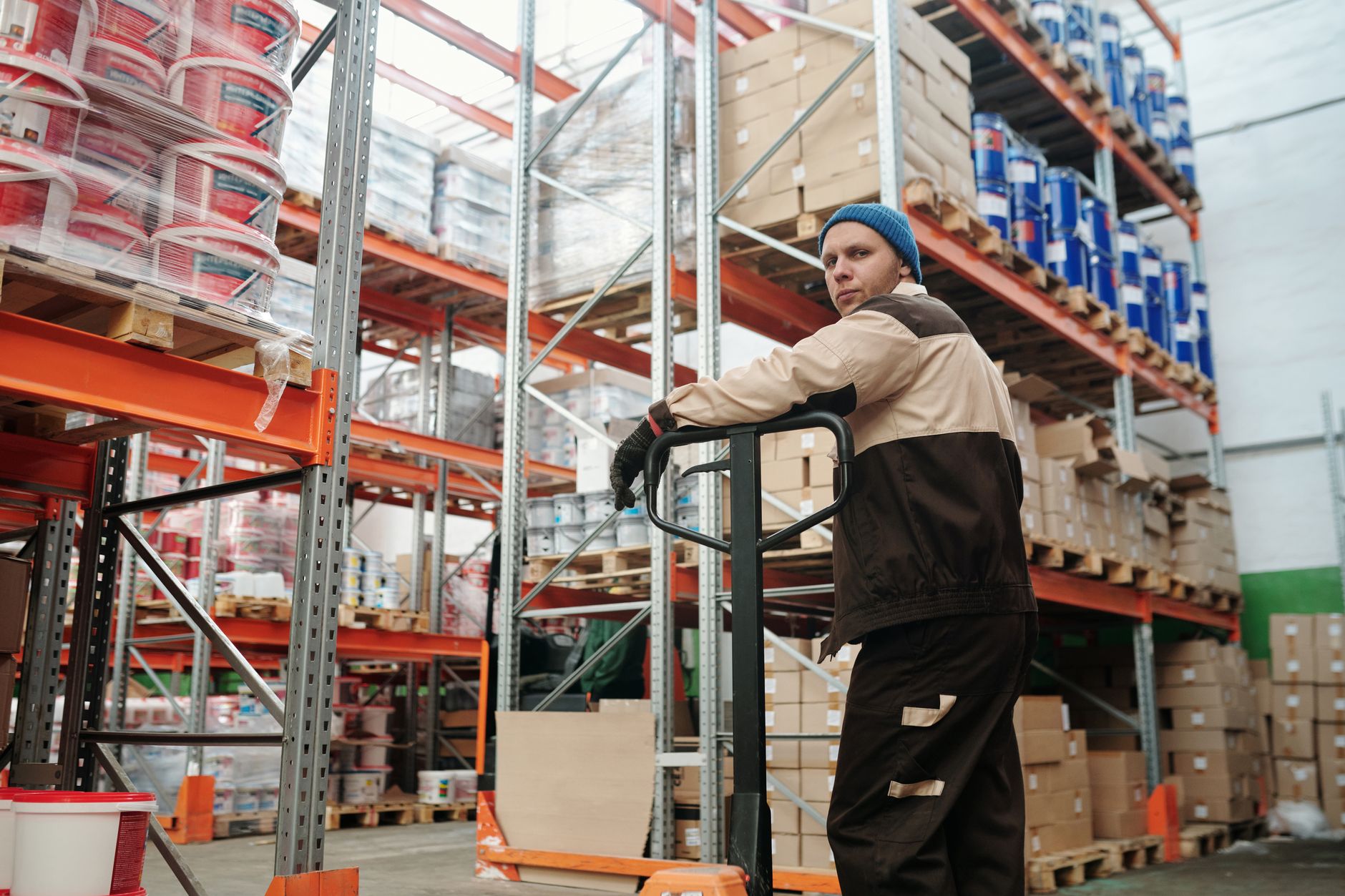
A tote hauler, often called a material handler or tote runner, pushes or pulls a cart or powered tug loaded with totes from one zone to another. In an apparel building that usually means moving full totes of picked garments from the pick modules to the pack stations, returning empty totes to the pick aisles, and bringing inbound totes to receiving or to the sort area.
Most of the shift is travel. A hauler walks or drives an empty route, stops to load, walks a full route, and unloads. Between those runs the same person often checks tote labels, clears a jammed cart, reports a blocked aisle, or covers a station when someone calls out. The hauling is steady and physically repetitive, which is why it is a strong automation candidate, but it is rarely one clean task.
Median hourly wage, Laborers and Freight, Stock, and Material Movers, Hand
$4,380
Monthly cost of one full-time worker, at the median wage plus payroll costs (an estimate, not a quote).
How many apparel distribution centers and workers are there in the US?
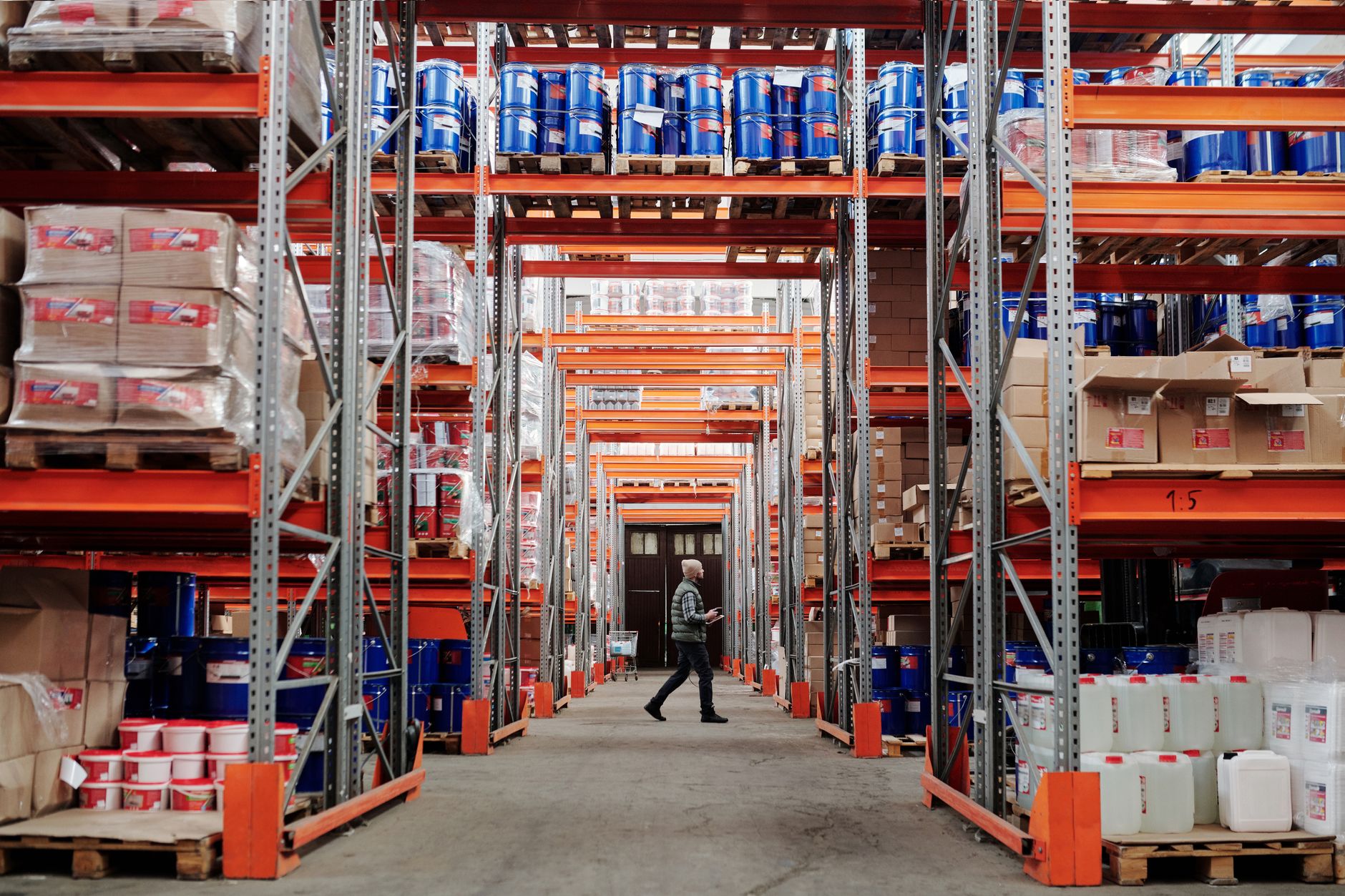
This research did not find a separate count for apparel distribution centers. The closest grouping is warehousing and storage, NAICS 493. A secondary industry statistics site citing Census County Business Patterns 2023 reports about 22,000 establishments in that group. That figure is approximate and covers all warehousing, not apparel alone, so treat it as a sense of scale rather than a target list.
The labor pool is larger and better documented. According to the Bureau of Labor Statistics Occupational Outlook Handbook, about 6,950,000 people worked in hand laborers and material movers jobs in 2024, and that group is projected to add 258,400 jobs, a 4% change, from 2024 to 2034. The O*NET occupation profile for freight, stock and material movers, hand puts the detailed occupation at about 2,988,900 employees in 2024, projected to reach 3,033,100 in 2034.
Automation adoption is growing as well. According to A3, as reported by The Robot Report, North American robot orders reached 36,766 units in 2025, up 6.6% in units, and cobots made up 19.6% of those orders. A3 did not break out warehouse AMR orders, so this is a general signal, not a measure of mobile robots in apparel.
Why do seasonal returns make apparel staffing harder?
Returns move in spikes, and apparel is where that spike is most visible. According to the National Retail Federation, as reported by Retail TouchPoints, the forecast return rate for 2025 was 15.8%, down from 16.9% in 2024. That is an all-retail figure rather than an apparel one, and it is a forecast, but even a lower rate means a large number of totes arrive after a sales peak.
The staffing consequence is simple. A crew sized for the average week falls short during the returns surge, and a crew sized for the surge sits partly idle the rest of the year. Overtime fills the gap in the short run, but it fatigues the people doing the hauling, which is the repetitive, physical part of the building.
How risky is hauling work in warehouses?
Hauling sits in one of the riskier industries. According to Bureau of Labor Statistics data summarized by DC Velocity, transportation and warehousing had 4.5 nonfatal injuries per 100 full-time workers in 2023, ranked first of 19 industries. The BLS fatal injury table reports 865 fatalities in transportation and warehousing in 2024, a fatal rate of 12.2 per 100,000 full-time equivalent workers.
These are sector figures, not apparel distribution center figures, so they set context rather than a site risk score. They still point to where a robot helps most: the repetitive push, pull and walk loop, and the fatigue that builds over long peak weeks. A robot does not remove the need for clear lanes, safe floors and trained staff working around it.
Which parts of the hauling can a robot take, and which can it not?
A robot takes the repeatable moves. It carries full totes along a mapped route from the picking zones to the pack stations, returns empty totes to the pick aisles, and runs between receiving and the sort area on fixed paths. It keeps that pace through a night shift or a peak week, and it stops when a route is blocked instead of pushing through.
A person still handles the parts that need hands or judgment. Loading and unloading totes that are not standard, clearing a cart that has tipped, reading labels that do not scan, and moving stock the robot cannot reach are all human work. Packing and sorting usually stay with people, because the hauler is moving work, not building orders.
- Repeat routes between pick and pack
Autonomous Mobile Robot
Runs the same mapped lane all shift without breaks
Tote Hauler
Repeats the lane but tires over long peak weeks
- Night coverage
Autonomous Mobile Robot
Runs unattended when the route is mapped and someone responds to alerts
Tote Hauler
Needs a night crew, with the scheduling and absence risk that comes with it
- Route changes from day to day
Autonomous Mobile Robot
Needs re-mapping, which slows changes
Tote Hauler
Adapts to a new layout within the same shift
- Loading unusual or tipped totes
Autonomous Mobile Robot
Cannot handle exceptions without a person
Tote Hauler
Handles exceptions by hand
- Judgment and problem solving
Autonomous Mobile Robot
Stops when unsure and waits for a person
Tote Hauler
Decides what to do next and reports the problem
- Peak returns surge
Autonomous Mobile Robot
Units can be added for peak weeks through the lease, if the quote allows it
Tote Hauler
Needs overtime or added staff, plus training time
What do the hours and labor numbers say about turnover, overtime and night shifts?
This is where the research is thinnest. This research did not verify hours per shift, overtime rates, night-shift share or sick day figures for apparel distribution centers, so this page does not put hour numbers on the hauler's shift. A site time study is the only reliable source for those, and the table below lists what to measure.
Turnover is the labor figure managers ask about most, and published numbers vary widely. According to the National Employment Law Project, turnover in 2020 was around 124% at one large operator's New Jersey warehouses, against about 72% at other warehouses in the state. That is an older, single-state, single-operator figure, so it shows the spread between sites, not a national average.
For hauler roles, high turnover means new people relearn the routes again and again, and each new hire adds training time to the loop. A robot does not quit, but it needs trained staff to monitor it, recover it when it stops, and review its routes. The team plan matters more than the headcount number on a slide.
How does a team work with a robot on the floor?
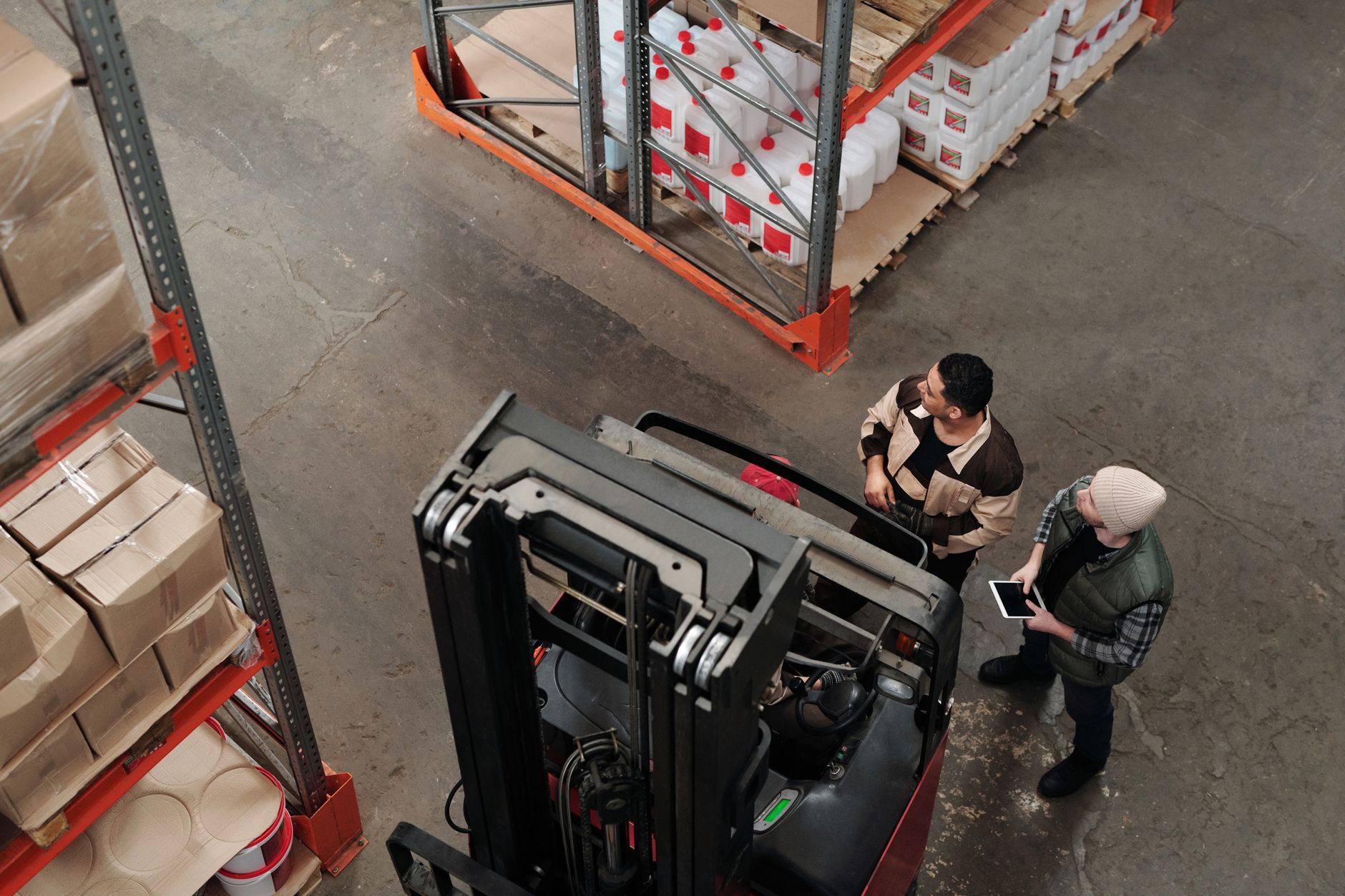
The model we recommend is always a robot plus fewer staff, never zero staff. The robot takes the repeatable tote moves, and the people left on the floor handle loading exceptions, the dock, cart recovery, pack stations and the peak returns. Headcount drops only where the schedule was built around hauling, and that should be checked against the time study.
A typical setup has a lead who checks robot status at the start and end of each shift, a person who clears blocks and handles exceptions, and a supervisor who reviews stop logs to adjust route plans. Training usually covers stopping and restarting a unit, reading its alerts, and what to do when a tote does not seat properly. Routes should be reviewed monthly, because a moved pallet or a new return bin changes the path.
What can a robot not do in an apparel distribution center?
A robot is not a general hauler. It cannot take ramps or dock stairs, lift totes from high shelves, or recover a tipped cart without a person. It does not judge a wet or cluttered floor the way a person does, so spills and debris still need a human sweep and an incident report. Routes that cross open forklift lanes need controls, because a robot stopped in the wrong place can block traffic as easily as a cart.
The building matters too. Heavy floor seams, poor lighting or frequent racking changes make mapping harder, and wireless dead zones can interrupt control. If the returns area is a temporary overflow space with no wiring, the plan has to change. A site assessment should confirm these points before any lease is quoted.
How do you get started with a robot for tote hauling?
Start with a time study, not a demo. Pick one shift and one hauling lane, record how many trips leave the pick modules and how long each takes, and note when the crew runs short during the returns surge. That record shows whether the lane is repeatable enough to map and how much of the shift it fills.
We are a US commercial robot integrator. We pick the right robot for your site, lease it through financing, deploy and integrate it, train your staff, and service it nationwide, which matters when a seasonal peak sits in a building far from your main team. The next step is a free site assessment, where we map the route, check floor condition and network coverage, and size the units for your peak weeks.
The lease payment is quoted after that assessment, not before. A pilot on one lane is usually the lowest-risk way in, because it proves the route, the staffing plan and the peak coverage before more units are added. Judge the results against your time study, not against a generic benchmark.
Frequently asked questions
Want a warehouse robot at your apparel distribution center?
Tell us about your site. We will recommend the robot, quote the lease, and keep it serviced.
Sources
- US Bureau of Labor Statistics, Occupational Employment and Wage Statistics (OEWS May 2024)
- DC Velocity, summarizing Bureau of Labor Statistics 2023 injury data
- Bureau of Labor Statistics, Census of Fatal Occupational Injuries by industry
- Secondary industry statistics site citing Census County Business Patterns 2023
- Retail TouchPoints, reporting an NRF forecast of 2025 returns
- The Robot Report, reporting A3 North American robot orders
- Bureau of Labor Statistics Occupational Outlook Handbook, Hand Laborers and Material Movers
- O*NET OnLine, Freight, Stock and Material Movers, Hand
- National Employment Law Project, Dead-End Jobs in New Jersey Warehouses