
The short answer
A cleaning robot makes sense at a child care center when the evening job is mostly a repeatable hard-floor route that can run after children leave. A night custodian is still needed for sanitizing, trash, fixtures and judgment on the spot, so most centers end up with a robot plus fewer staff rather than a robot in place of a person. Carpet across most rooms, tight spaces full of furniture and an evening with no trained backup are the signs the robot does not fit yet.
Key takeaways
- A cleaning robot fits the repeatable hard-floor route after children leave, not the whole evening job.
- Sanitizing, trash, fixtures and judgment on the spot stay with a person.
- State cleaning rules set the timing window, so check the rule before choosing a route.
- Child care turnover is high, so plan coverage for the nights when the evening staff member is out.
- Start with one leased unit on one route after a free site assessment.
Cleaning robot vs night custodian at child care centers: which makes sense?
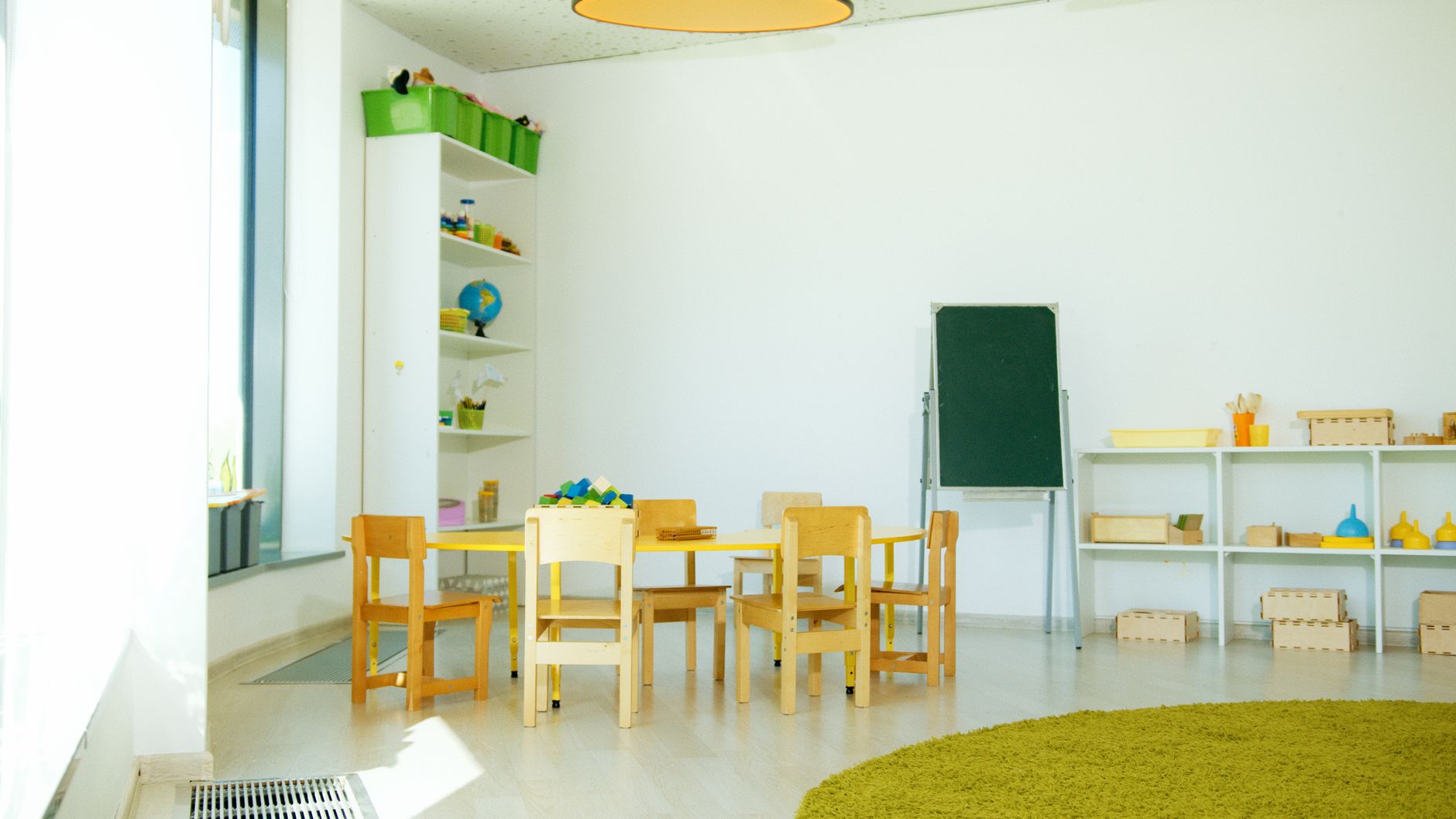
A cleaning robot makes sense at a child care center when the evening job is mostly a fixed floor route in hard-floor areas, and when that route can run after children leave. Corridors, empty classroom floors, dining rooms and entry lobbies fit that pattern. The same floor work happens every night, which is the kind of task a route robot handles well.
The robot does not make sense as a full replacement. A center with carpet across most rooms, many small spaces full of furniture and cubbies, or one evening staff member who does every task with no backup will still need a person for most of the shift. In that case the robot takes the floor route and the person keeps the off-route work, which is the setup we usually recommend.
Read the state rule first. Licensing requirements for cleaning and sanitizing set the window the robot has to fit, and that window often decides whether a route can run every night more than the square footage does.
How many child care centers are there in the US?
Child Care Aware reported 92,613 licensed centers across 40 states with complete data in 2024, up 1.6% from 2023, according to its price and supply report. Its 2025 report found licensed center supply fell about 1% from 2024 to 2025, with fewer centers in 26 of 43 states with complete data.
Those counts cover licensed centers only, so the national total says little about any single building. What matters for a robot is the floor area and layout each center must clean after close, and that varies widely from one building to the next. Two centers in the same town can have very different routes.
On the broader market, a 2019 AACEM and ISSA survey described autonomous cleaning adoption as early, and about one-third of non-adopters said they might adopt within a year. That survey is older than today's market, so treat it as a sign of direction rather than a measure of adoption now.

Median hourly wage, Janitors and Building Cleaners
$4,041
Monthly cost of one full-time worker, at the median wage plus payroll costs (an estimate, not a quote).
What does a night custodian actually do after children leave?
The government outlook for janitors and building cleaners notes that many cleaners work evenings, and that most learn the job on the job. At a child care center the evening shift starts after pickup, when the rooms have been used all day and the work is catching up on what the children left behind.
The floor is one part of the shift, and often not the largest. The custodian moves room to room, clearing trash, wiping tables and handles, cleaning and sanitizing surfaces that children touch, checking restrooms, restocking supplies, handling spills and reporting broken items. The floor work repeats every night, while the rest changes with the room and the day.
Injury risk is part of the picture. The most recent national snapshot we could verify is from the Bureau of Labor Statistics for 2020, and it recorded 21,100 cases with days away from work for janitors and cleaners, except maids and housekeeping cleaners, in private industry, at a rate of 191.6 per 10,000 full-time equivalent workers. The snapshot does not split causes by task, so the effect of a route robot on injuries at your site has to be checked on site.
Timing is set by rules, not habit. The older text of Ohio Administrative Code 5101:2-12-13 says a center must be cleaned daily, and that cleaning and sanitizing may not happen while children are in the room, while general cleanup is allowed during the routine. The rule has been recodified as 5180:2-12-13, effective July 1, 2026, so check the latest text before setting any schedule.
- Hours after pickup
Cleaning Robot
Runs the mapped floor route on its own once staff start it
Night Custodian
Can switch tasks as the evening changes
- Sanitizing touched surfaces
Cleaning Robot
Does not sanitize tables, handles, toys or cubbies
Night Custodian
Wipes and sanitizes with approved products on a set schedule
- Trash, fixtures and restrooms
Cleaning Robot
Not in its scope
Night Custodian
Empties bins and cleans fixtures and restroom surfaces
- Judgment on the spot
Cleaning Robot
Pauses or stops when it meets an obstacle
Night Custodian
Notices a wet patch, a torn mat or a dropped item and acts
- Sick nights and call-outs
Cleaning Robot
Does not call out, but still needs a trained person to start it
Night Custodian
Needs a backup or the route waits
- Training time
Cleaning Robot
Staff learn starts, stops, checks and pauses
Night Custodian
Hiring and training take time for each new hire
Which cleaning jobs can a robot take, and which can it not?
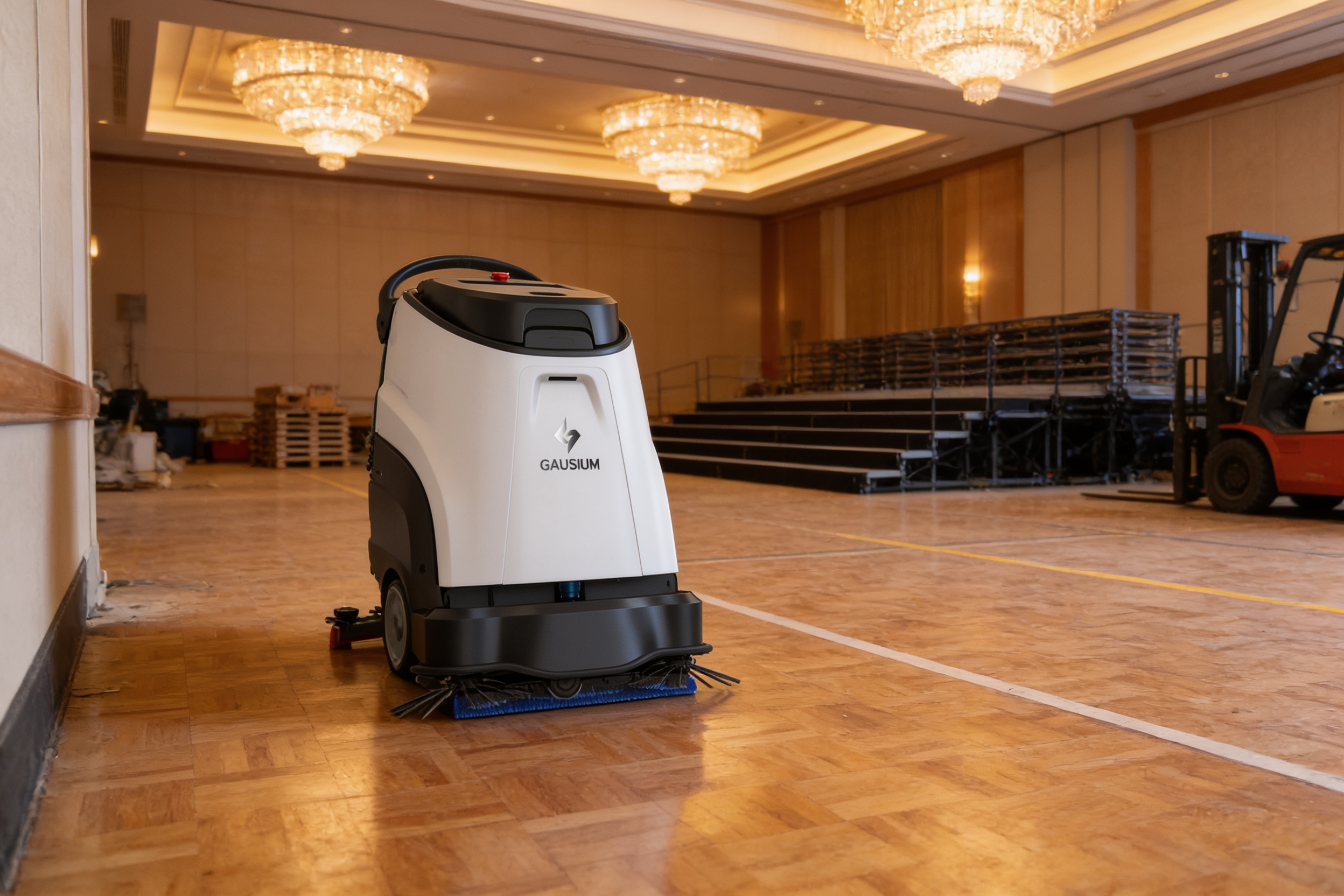
A floor scrubbing robot takes the repeatable floor route: hard-floor corridors, classroom floors once they are empty, dining and activity rooms, and the entry lobby. It follows the same mapped path each night, and staff check the result instead of pushing a machine across the room.
Most of the rest stays with a person. Sanitizing touched surfaces, cleaning toys and diaper-changing areas, emptying trash, cleaning fixtures and restrooms, moving furniture and handling spills all need hands and judgment. Stairs, steps and thresholds also need a person to check the route before each run.
The split should come from a walk, not a guess. Before any zone goes to the robot, a staff member walks the route, marks what must be cleared first and lists the items that stay with the person. That walk usually decides how much of the evening moves to the robot.
- Robot takes: hard-floor scrubbing on a mapped route
- Person keeps: sanitizing, toys, diaper-changing areas, trash, fixtures and restrooms
- Staff clear first: loose items, mats, cubbies and anything on the floor
- Person checks: stairs, steps, thresholds and any pause the robot reports
What do staffing and turnover numbers say about the evening shift?
Child care staffing turns over fast. A 2026 Virginia working paper of 14,373 teachers at publicly funded centers found that 38% left their site between fall 2023 and fall 2024. It linked turnover to wages, lead-teacher status, experience and education.
New Hampshire Employment Security projected annual turnover of 17% for child care workers for mid-2023 to mid-2025, against 11% for all state occupations. England's official 2025 figures put staff turnover at 16% for private group-based providers, 12% for voluntary providers, 8% for nursery classes and 6% for maintained nursery schools.
These are teaching and child care staff figures, not custodian figures. The government data reviewed here does not publish a turnover rate for janitors and building cleaners, and it does not publish overtime or sick day figures for this job in child care. A center should pull its own records: how many evening hours are covered, how often the evening cleaner is short, and what happens on a sick night.
How do a robot and staff work together at a child care center?
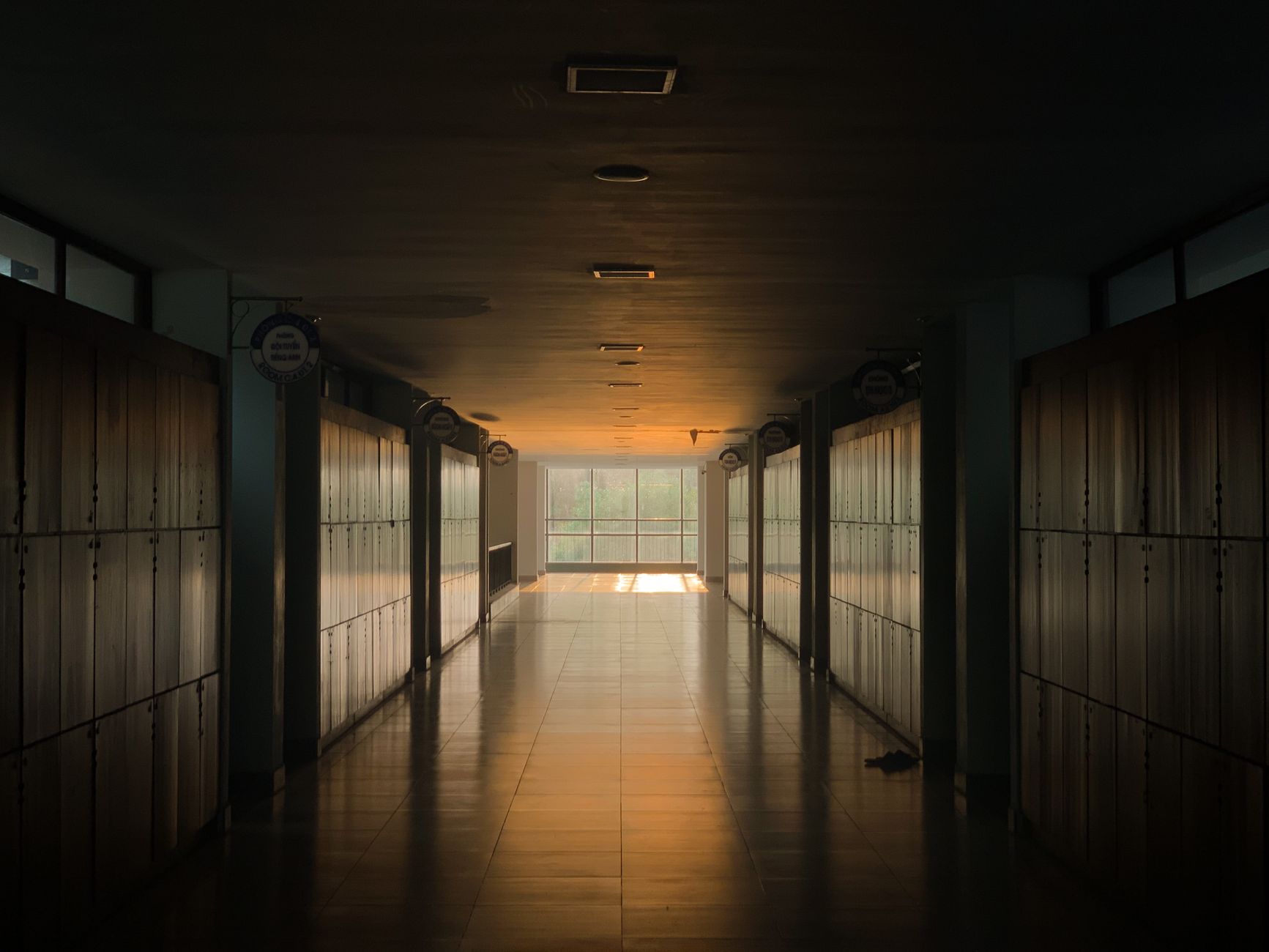
The working model is a robot plus fewer staff, never zero staff. The robot takes the floor route after pickup, a trained staff member starts it and checks the route, and a person handles the off-route work. The setup does not remove the person from the building, because sanitizing, fixtures and judgment still need them.
The few minutes at the start and end of a run do most of the catching. Staff clear the route, confirm doors are shut and no child items are on the floor, start the run, and check the finished floor before the room is closed. Failures usually show up in those checks rather than in the run itself.
Coverage matters when someone is out. A center still needs a trained backup for the evening, and a spare unit or a backup robot program can keep the route running when one machine is down. Our team trains staff on start, stop, daily checks and what to do when the robot pauses, then services the units nationwide with on-site dispatch when a unit needs hands.
What can a cleaning robot not do at a child care center?
It cannot sanitize the surfaces that matter most for infection control in a center. Tables, handles, faucets, toys and cubby areas need a person with approved products on a set schedule. The robot covers floors only, and a center that expects it to replace surface sanitizing will be disappointed.
It cannot read a room the way a person does. A dropped snack, a wet patch near a door, a torn mat or a small item in the path can stop the route or push debris into a corner. Staff must check the floor after each run, and the robot should run only in rooms confirmed empty.
It is not a fix for a building that is badly set up. Thresholds, steps, rugs and clutter need changes before the route runs well, and those changes belong in the decision. Some centers will find the building needs a person for most of the evening, and that is a valid answer.
Is a cleaning robot worth it compared with a night custodian?
Whether the robot is worth it depends on three things: how many evening hours sit on the floor route, how hard the evening shift is to fill, and how much of the building is hard floor. The government wage data on this page shows the local wage for this job, which is the figure to set beside any lease quote, though the lease is only one part of the total.
A lease is quoted after a free site assessment, because the floor area, the route and the support the site needs decide the equipment. Service is part of how we work, and we service the units nationwide, but staff time to start, check and reset the robot is real time and should be counted honestly.
Savings come from a shorter evening floor route, fewer unfilled hours and less time spent on floor work that repeats. They do not come from removing the person entirely. A case that depends on zero staff will not hold up with a licensing inspector or with families who trust the center.
How do we get started with a cleaning robot lease at a child care center?
Commercial robot leasing starts with the floor. Send the building layout and the evening routine, and we schedule a free site assessment. We map the floor, mark the zones the robot can take and note what must be cleared before each run. The lease quote comes after that assessment, because the route and the floor decide the equipment, and the quote shows the lease through financing.
Then plan the rollout. A common first step is one leased unit on one route, with staff trained on starts, stops, checks and pauses. After a few clean weeks, the center decides whether to add a route, add a spare unit or keep the first setup. Phased deployment keeps the evening routine running throughout, so the building does not have to close for the change.
Ask for answers in writing. Which cleaning must happen after close, who covers the evening if someone is out, how service calls are handled, and what the state rule requires for timing. A good quote answers those questions before any unit is delivered.
Frequently asked questions
Want a cleaning robot at your child care center?
Tell us about your site. We will recommend the robot, quote the lease, and keep it serviced.
Sources
- US Bureau of Labor Statistics, Occupational Employment and Wage Statistics (OEWS May 2024)
- Child Care Aware, 2025 price and supply report
- 2026 Virginia working paper on teacher turnover at publicly funded centers
- New Hampshire Employment Security, annual turnover among child care workers
- Explore Education Statistics, England, 2025 staff turnover data
- Bureau of Labor Statistics, Occupational Outlook Handbook: Janitors and Building Cleaners
- Bureau of Labor Statistics, injury and illness snapshot for janitors and cleaners, 2016 to 2020
- AACEM and ISSA Autonomous Cleaning Survey
- Cornell Legal Information Institute, Ohio Administrative Code 5101:2-12-13