

The short answer
For most university libraries, a cleaning robot vs night janitor decision favors the robot for repeat open-floor passes through reading rooms, corridors and lobbies after closing, provided those floors are clear and reachable. A night janitor still handles restrooms, trash, shelves, spills and anything that needs judgment, so the robot works best beside a smaller night crew rather than in place of one. It makes less sense where stacks are tight, floors stay cluttered after events, or frequent obstacles stop the machine.
Key takeaways
- The robot takes repeat open-floor passes; the night janitor keeps restrooms, trash, spills and judgment calls.
- The best nightly hour figure in the research is about 2 hours saved per night at one university, and it is self-reported.
- Plan for a robot plus fewer staff, never zero staff.
- No government figure for library night hours was found, so time the current shift floor by floor before deciding.
- The lease is quoted after a free site assessment that checks clear routes, stacks and stairs.
Cleaning robot vs night janitor: when does the robot make sense in a university library?
A cleaning robot vs night janitor comparison in a university library is mostly a question of floor area and repetition. Reading rooms, long corridors and lobbies are wide, mostly open and walked the same way every night. That is the kind of work a scrubber or sweeper can repeat without fatigue, and it often fills the first hours of a night shift.
The robot makes sense when the building has large clear floor areas, a predictable closing routine and enough night staff to clear the floor before the machine starts. It does not make sense as a straight replacement for a person. The library still needs someone for restrooms, trash, spills, shelving and anything that requires judgment after hours.
Treat the decision as a staffing change, not a headcount cut. Most of the value comes from taking the repeat passes off the janitor so that person can cover the work the machine cannot do.
What does a night janitor actually do in a university library shift?
A library night janitor usually works after the last patrons leave, when the building shifts from public use to cleaning and reset. The sequence typically starts with walking the floors to confirm no one is left, emptying trash and recycling, cleaning restrooms, and then working the open floors with a walk-behind machine, a ride-on machine or a vacuum. Tasks vary by building, so no single task list applies everywhere.
The open-floor work is the repetitive part. Reading rooms, corridors and lobbies get the same passes night after night, and the janitor moves furniture, steps around carts and stops for spills. Those stops and moves are where a person loses minutes that a fixed route does not.
Night staffing is set by each building, not by a national standard. No government figure for library night hours was located in this research, so the first step is to time the current shift floor by floor. That baseline shows whether a robot takes meaningful hours from the person.
Median hourly wage, Janitors and Building Cleaners
$4,041
Monthly cost of one full-time worker, at the median wage plus payroll costs (an estimate, not a quote).
Which library floor work can a cleaning robot take?
The robot takes the open-floor passes it can repeat on a mapped route. According to UBC Today's 2019 report, a university converted two manual machines to autonomous scrubbers, and its robots worked only in large open spaces such as hallways and lobbies. The custodial team estimated about 2 hours saved per night, Monday to Friday, and the university described that figure as self-reported.
Reading rooms with clear floor are the strongest candidate. According to UC Davis Facilities, four robot scrubbers cover Shields Library and three other spaces, running from 5 to 7 a.m. and stopping when people or obstacles enter the path. That early morning pattern shows the machines can stop for people and resume, which matters in buildings with mixed use.
The robot does not take restrooms, trash, or the judgment calls around spills and stray items. Those tasks stay with the person on the night crew.
- Open-floor passes
Cleaning Robot
Repeats a mapped route after the building clears
Night Janitor
Walks the route and adjusts around carts, spills and people
- Restrooms and trash
Cleaning Robot
Does not do this work
Night Janitor
Does this work with training and supplies
- Judgment and exceptions
Cleaning Robot
Stops and reports obstacles but does not decide what to do
Night Janitor
Decides what to do with the unexpected
- Shift coverage
Cleaning Robot
Runs when scheduled, no sick days, needs a service plan
Night Janitor
Covers sick days, overtime and turnover, and needs supervision
- Setup
Cleaning Robot
Site mapping, integration and staff training before go live
Night Janitor
Hiring, onboarding and scheduling
- Where the person wins
Cleaning Robot
Narrow stacks and cluttered floors cut the route short
Night Janitor
Handles stacks, clutter, detail work and anything that needs judgment
What can a cleaning robot not do in a library?
Be direct about the limits. A floor machine does not clean restrooms, empty bins, dust shelving, reach high surfaces or handle a spill it was not set up to recognize. It also does not check doors or complete the final lock-up walk.
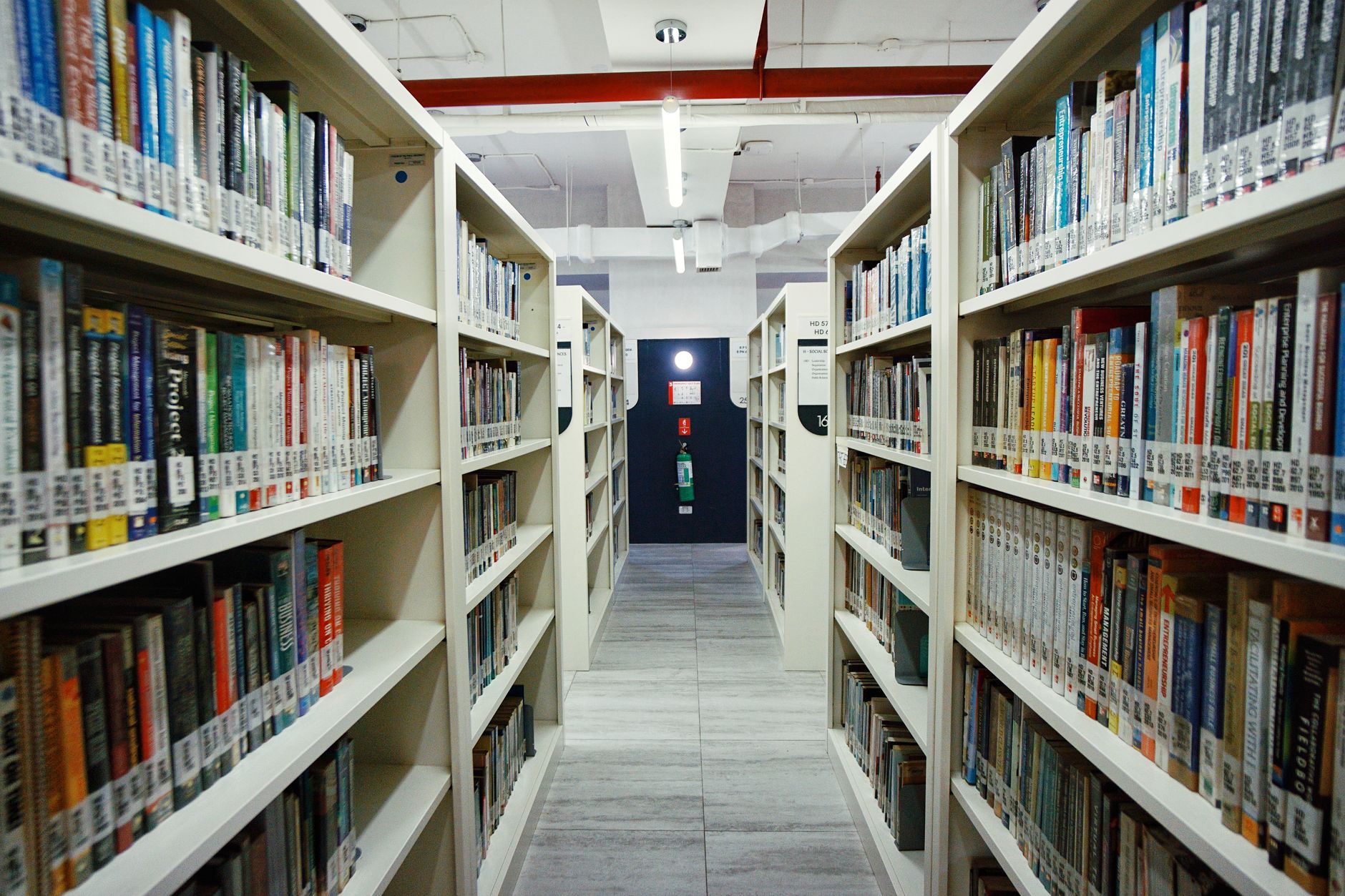
Stacks and narrow aisles are the hard case. Tight aisles, low furniture, and clutter from events or study groups can stop a route. Carpet transitions, thresholds, stairs and elevator access need checking during the site assessment. Those are conditions to test, not promises made from a desk.
- Restrooms and fixtures
- Trash and recycling bins
- Shelving and high dusting
- Spills and biohazard response
- Stairs and multi-floor transitions unless the machine is rated for them
- Door checks and final lock-up
How much library night cleaning labor is there, according to government data?
The government data on this page covers the occupation, not libraries. According to the BLS Occupational Outlook Handbook, about 2,447,700 janitors and building cleaners held jobs in 2024. Employment is projected to grow about 2 percent from 2024 to 2034, which the BLS calls slower than average, and about 351,300 openings a year are projected, mostly from workers who leave.
Library-specific numbers are thinner. According to the ACRL 2024 Trends and Statistics Survey, about 1,400 responding academic libraries were weighted to represent all US libraries. According to ARL 2024 statistics, 123 of 125 member libraries are covered, including 102 US libraries. These are surveys of libraries, not counts of night shift hours, so they show the scale of the market rather than how many hours a crew works.
The hours picture for a given building has to come from a time study. The best nightly figure in the research is the 2019 UBC estimate of about 2 hours saved per night with two scrubbers on hallways and lobbies. A library with more open floor could save more, and a building with stacks and clutter could save less.
What do injury and workforce figures mean for a library night shift?
Injury data for this occupation is worth reading before deciding. According to the BLS injury and illness snapshot for 2016 to 2020, janitors and cleaners, except maids and housekeeping cleaners, in private industry recorded 21,100 nonfatal injury and illness cases involving days away from work in 2020, an incidence rate of 191.6 per 10,000 full-time equivalent workers. The same series reports 42 fatalities in 2020, down from 45 in 2019.
The robot removes some of the repetitive walking on open floors. It does not remove every task that carries risk, such as lifting full trash bags, handling cleaning chemicals or responding to spills. Those tasks stay with the person and their training.
On turnover and night shift scheduling, the research did not produce a verified government figure for this occupation in libraries. Industry turnover ranges found in the research are too wide to plan a shift on, so this page does not use them. Ask your custodial contractor or HR team for the local schedule, overtime records and sick day usage, because those numbers decide staffing.
How does a library team work with a cleaning robot and fewer staff?

The model to plan for is a robot plus fewer staff, never zero staff. The robot runs the open-floor route after the building clears, and the person handles restrooms, trash, spills, the lock-up and any exceptions the robot reports. A night with no one on site is not a plan any library should sign.
According to Georgia College's 2026 news item, four robots were added, including two floor scrubbers for an arts and sciences building and a vacuum for the Russell Library. The school says the robots offset routine floor work so custodians can focus on detail work. That is the same split: machines for the repeat floor, people for the detail.
The team also needs training and a service plan. We select the robot for the site, lease it through financing, deploy and integrate it, train the staff and service it nationwide. Staff learn how to clear the route, respond to a stop, reset after an obstacle and log exceptions for the next night.
Is a cleaning robot worth it compared with overnight shift coverage?
Worth depends on the hours the robot actually removes and what the library does with them. According to the University of Toronto's facilities news, six robots have been in use since March 2020, and the university reports more than 500 hours of labor redirected to other cleaning. That figure is self-reported, so treat it as a direction rather than a benchmark.
The payback logic is simpler than it sounds. Count the open-floor hours the robot takes from each night shift, multiply by the nights it runs, and compare that against the lease quote and the service plan. If the freed hours go to restroom and detail work that is not getting done now, the benefit is real even when no headcount changes.
Compare against the actual overnight schedule, not an average. A library with an unfilled night shift gets a different answer than one with full coverage and regular overtime.
How do we get started with a library cleaning robot?
Start with a site assessment. We map the floor, check clear routes, count night hours by zone, and note what the person still must cover. The assessment decides whether the robot fits, which zones it runs and how many units make sense.
The lease is quoted after the free site assessment, not before. We do not quote from a floor plan alone, because the route depends on what a walk through shows. Financing and maintenance terms are set in that quote so the library sees the full picture before signing.
Start small. One or two units on the largest open floors, a clear go live plan and a review after the first term will show whether the robot takes the hours the library expected. Expand only after the numbers support it.
Frequently asked questions
Want a cleaning robot at your university library?
Tell us about your site. We will recommend the robot, quote the lease, and keep it serviced.
Sources
- US Bureau of Labor Statistics, Occupational Employment and Wage Statistics (OEWS May 2024)
- BLS Occupational Outlook Handbook: Janitors and Building Cleaners
- BLS injury and illness snapshot: Janitors and Cleaners, 2016-20
- ACRL 2024 Trends and Statistics Survey report
- ARL 2024 statistics
- UC Davis Facilities: custodial equipment innovations news
- UBC Today: How to train your robot (2019)
- University of Toronto Facilities news
- Georgia College Front Page news item