
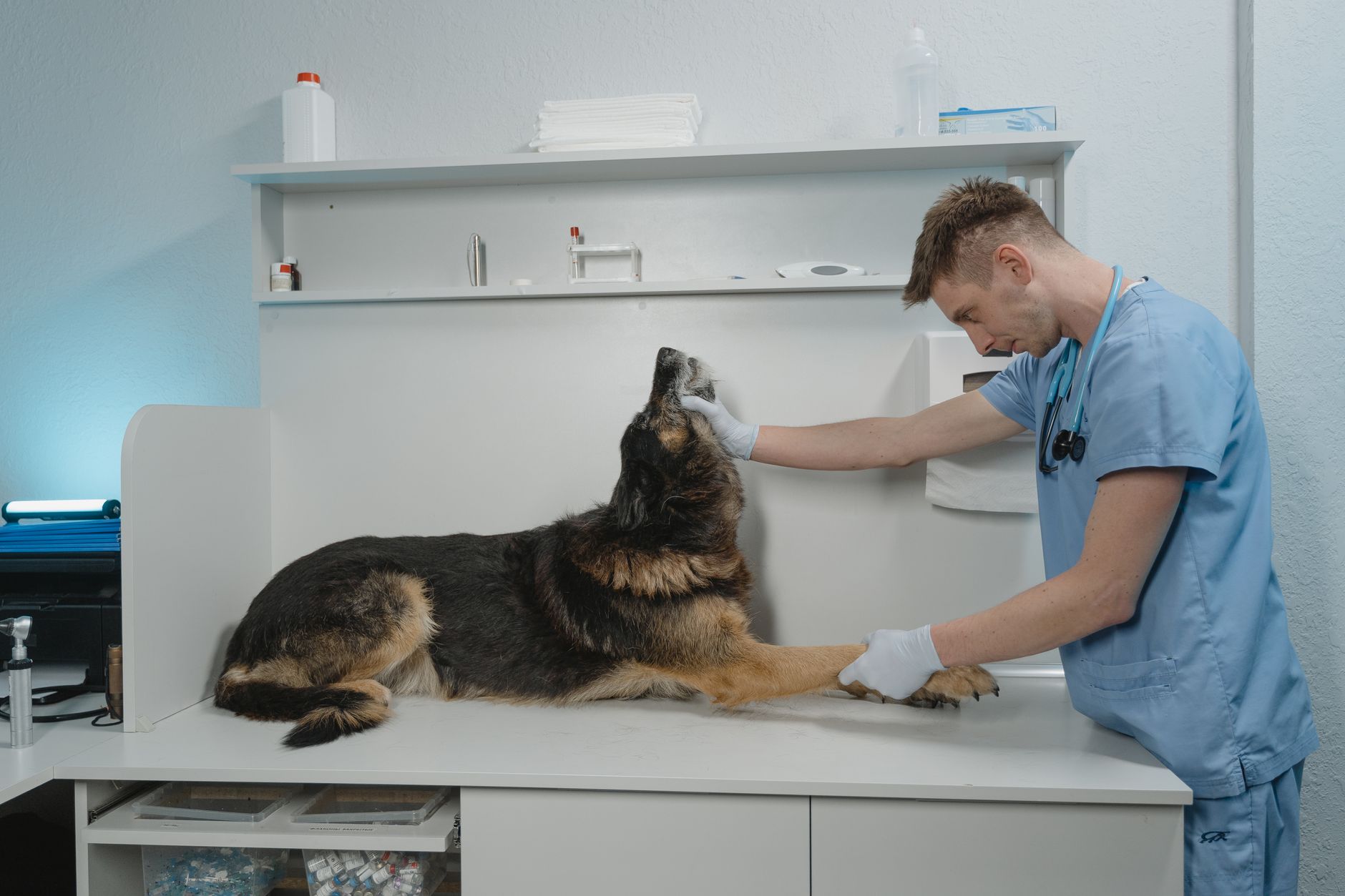
The short answer
For most veterinary hospitals, a cleaning robot works as a supplement to a night janitor, not a replacement: it can run the same hard-floor route through lobbies, waiting rooms and main corridors after close. The cleaning robot vs night janitor choice turns on what else the shift carries, since kennel cleaning, waste handling, isolation rooms and surgery prep stay with people. Plan for a robot plus fewer staff, never zero staff, and ask for a lease quote after a free site assessment.
See what a cleaning robot costsRun the numbers in the ROI calculator
Key takeaways
- A cleaning robot can run the open hard-floor route, while kennels, isolation rooms and biohazard work stay with people.
- Veterinary hospitals already face tight hiring, so night coverage is a planning question, not a default.
- Plan for a robot plus fewer staff, never zero staff, and measure the freed time during a pilot.
- Floor type, thresholds and carpet decide the fit more than the overall size of the building.
Is a cleaning robot vs night janitor the right call for a veterinary hospital?
A cleaning robot makes sense for the open, hard-floor part of a veterinary hospital's night cleaning: the front lobby, the waiting room, and the main corridors between treatment areas. It does not make sense as the only cleaner in the building. Animal housing, biohazard waste and isolation protocols stay with trained people, and a robot cannot take those jobs off the shift.
A robot fits best in single-level clinics or hospitals with large open waiting areas, long straight corridors and continuous hard flooring. It fits poorly where carpet covers most of the public space, where thresholds and steps break up the route, or where the night shift is mostly kennel and waste work. In those buildings the robot saves little, because a person still has to do the hard part.
The practical answer is a robot plus fewer staff, never zero staff. The robot takes the repeat route, and the person who used to walk it spends the shift on tasks that need hands, judgment and disinfection. The decision then turns on the floor plan and the mix of tasks, which a site assessment can measure.
What does a night janitor actually do in a veterinary hospital?
A night janitor at a veterinary hospital works a mix of general floor care and animal-area work. The general part is familiar: emptying trash, mopping hard floors, cleaning restrooms and break rooms, wiping high-touch surfaces, and restocking towels and paper goods. Most of this is repeat work on a fixed route.
The animal-area part is where the job gets heavier. Kennel and run cleaning means wet work, drains, bedding and waste, in a space where animals may be frightened, sick or aggressive. Biohazard and sharps handling follow the hospital's written protocol and state rules, not a general janitorial routine. Isolation rooms need terminal cleaning steps that a trained staff member should own from start to finish.
The night also includes a handoff. A good night janitor leaves a clean lobby and clear exam rooms for the morning team, reports a broken door or a spill, and notes anything that needs a day shift decision. That reporting is real work, and it belongs in the shift count when you size a change.
Median hourly wage, Janitors and Building Cleaners
$4,041
Monthly cost of one full-time worker, at the median wage plus payroll costs (an estimate, not a quote).
Which parts of the night cleaning can a robot take?
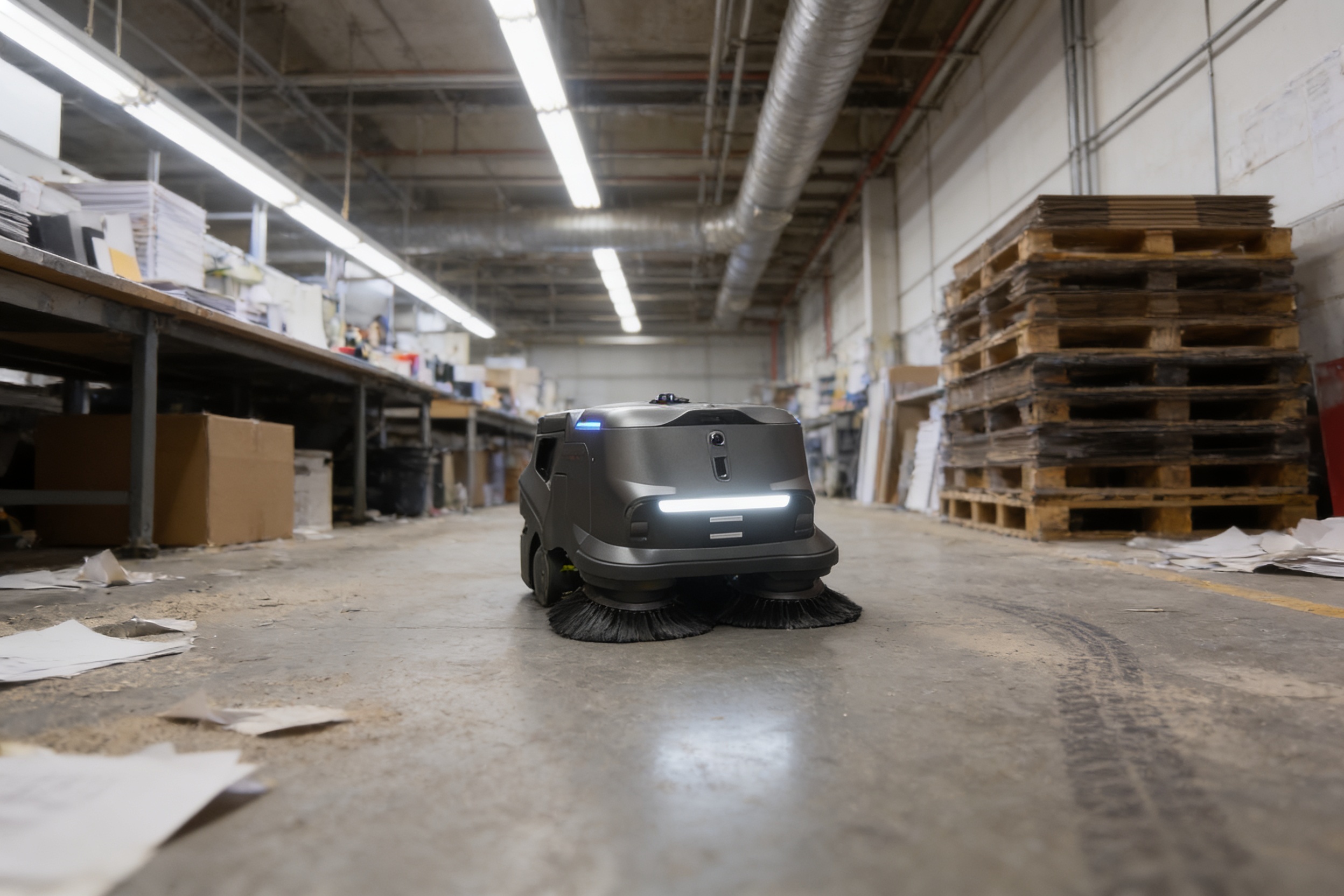
A cleaning robot can take the repeated open-floor route a night janitor walks anyway. In a veterinary hospital that usually means the front lobby, the waiting room, the main corridor, and the open floor between exam rooms when doors are clear. These areas are large, the path repeats every night, and the surface is often sealed hard flooring.
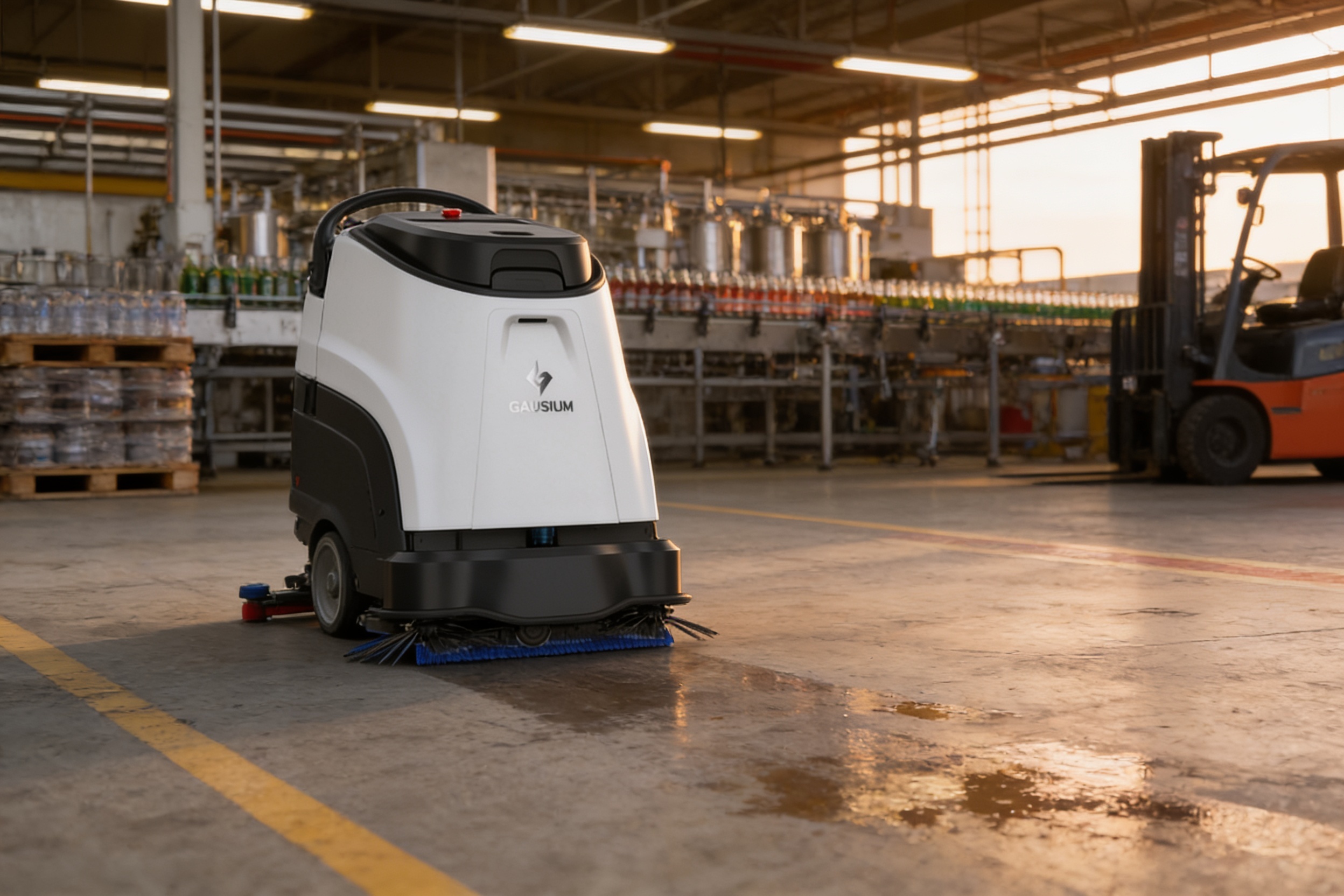
Floor scrubbers and sweepers work best on continuous hard floors with clear travel paths. Before each run, a person clears carts, chairs, cords and stray items from the route and confirms doors are set. The robot then sweeps or scrubs on its own, and a person checks edges and corners afterward.
What the robot cannot take is just as clear: kennels and runs, isolation rooms, surgery and procedure suites, areas with animals loose on the floor, biohazard and sharps handling, and wet cleanup of accidents. Those tasks need a person, and a robot is not a substitute for disinfection judgment. The zones below show where the route usually runs.
How tight is the staffing picture for veterinary hospitals?
The veterinary workforce is tight, and that pressure reaches support and night roles too. A veterinary statistics summary of the AVMA 2025 Census of Veterinarians reports veterinarian unemployment of 0.7% against 3.9% nationally, which points to a tight market for skilled hires. The same summary says 33.7% of vets considering leaving cite mental health, and 16.6% cite lifestyle and work hours.
Turnover is high across the profession. The same summary, citing AVMA material, says veterinarian turnover is about twice that of physicians in medical practice, and that veterinary technicians have among the highest turnover of health care roles. A veterinary trade article on the AVMA 2025 economic report reports 32,634 practices in 2021 and 34,000 in 2022, so the number of individual buildings is large, though not every practice is a hospital.
Demand is projected to outpace new supply. The Association of American Veterinary Medical Colleges projects 70,092 new veterinarians needed through 2032, counting growth plus turnover, against 52,926 projected graduates. A regional news report on a vendor-run staffing survey found that 55% of practices hired additional full-time staff in 2025, and 32% reported longer hours. Any change to the night shift should be planned against that backdrop.
- Open hard-floor route
Cleaning Robot
Runs the same mapped path through the lobby, waiting room and corridor on every shift
Night Janitor
Walks the route and adjusts around anything unexpected
- Animal areas
Cleaning Robot
Kept out of kennels, runs, isolation and procedure rooms
Night Janitor
Handles kennels, runs and isolation work under protocol
- Biohazard and waste
Cleaning Robot
Does not handle waste, sharps or spill decisions
Night Janitor
Handles waste, sharps and spill response
- Consistency
Cleaning Robot
Same route and same pass every night, with a log
Night Janitor
Quality can slip with fatigue and long shifts
- Unplanned problems
Cleaning Robot
Stops or reports a blocked path
Night Janitor
Clears obstacles, calls for help and adapts on the spot
- Handoff and judgment
Cleaning Robot
Reports faults but cannot brief the day team
Night Janitor
Briefs the day team, flags unusual findings and notices a sick animal
- Sick calls
Cleaning Robot
Keeps the open route running while staff are out, but cannot cover kennels
Night Janitor
Covering a sick call means finding another person, often on overtime
What does the janitorial labor picture look like?
The cleaning job is large and steadily refilled. The Bureau of Labor Statistics Occupational Outlook Handbook reports about 2.4 million janitor and building cleaner jobs in 2024, with projected growth of 3 percent from 2023 to 2033. It also projects about 350,300 openings a year on average, mostly for replacement, which means employers are always hiring to replace people who leave.
The handbook says cleaners work shifts that may include nights, weekends and holidays, and that hospitals and sites needing around-the-clock upkeep rely on shift work. A janitorial industry blog on turnover cites an average of about 64% turnover for professional and business services, and notes that published janitorial turnover estimates range widely, so treat any single number as rough. The local wage for this job is in the government wage data on this page, and the hours are the lever you control.
Injuries point at the same routine work. The Bureau of Labor Statistics injury snapshot counts 21,100 nonfatal injury and illness cases with days away from work for janitors and cleaners in 2020 in private industry, an incidence rate of 191.6 per 10,000 full-time equivalent workers, up from 157.4 in 2019. A janitorial safety statistics compilation, not checked against its original source, puts overexertion at 38%, falls, slips and trips at 28%, and object and equipment contact at 22% of janitor injuries. Repetitive pushing and scrubbing on the same route is the kind of work a robot can take.
How does a team work with a cleaning robot?
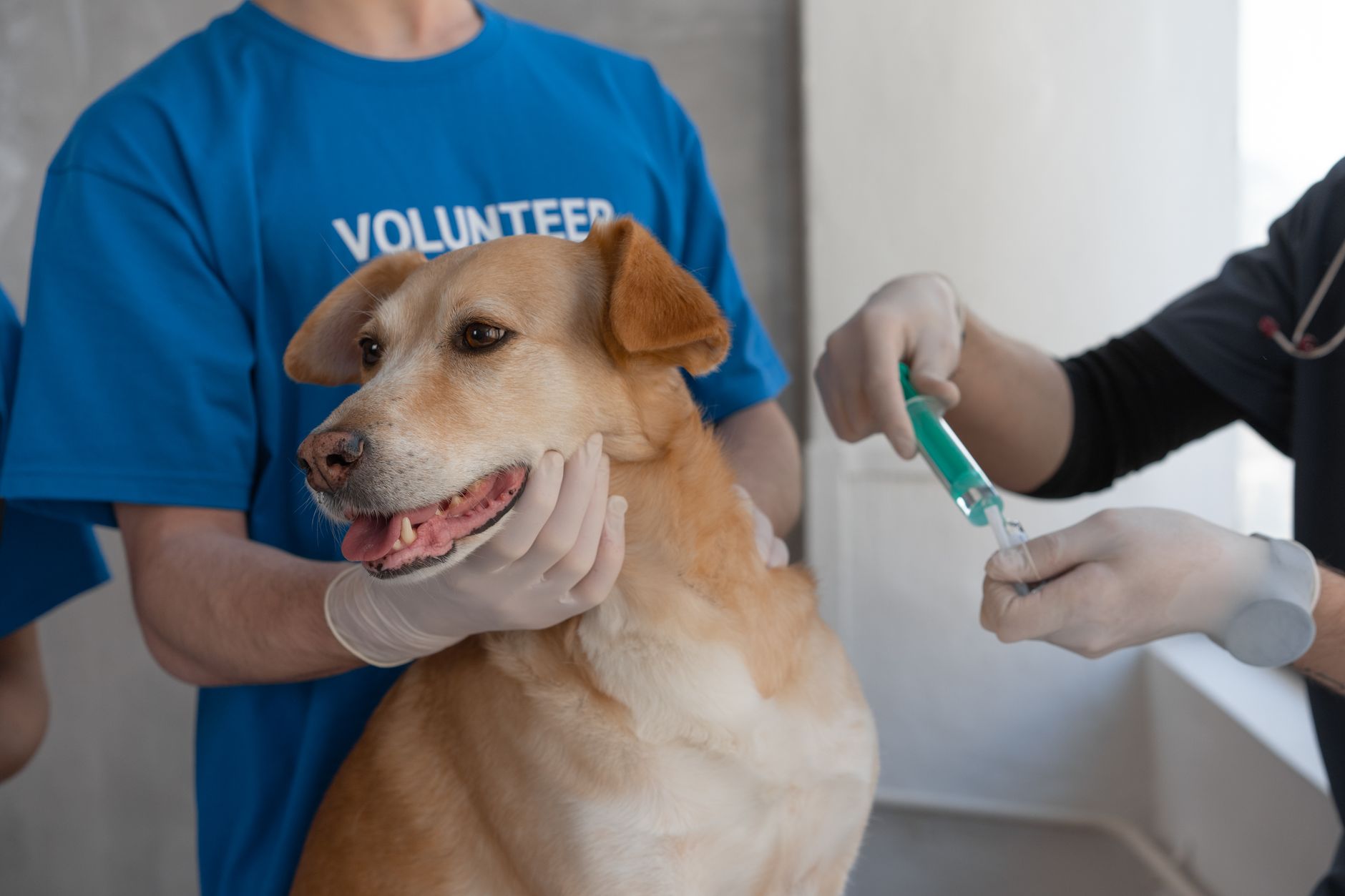
The team works as a robot plus fewer staff, never zero staff. Before the shift, a person clears the route, closes doors to kennels and procedure rooms, and confirms no animal is loose in the path. The robot runs its mapped route while the people on shift handle kennels, waste, isolation and handoff work away from it.
After the run, the same person checks for missed spots, spills and the edges the robot could not reach, and reviews any blocked path or fault in the log. In the morning, the day team receives a clean lobby and a written report. The overnight role shifts from pushing equipment to supervising, finishing and reporting.
Plan staffing around the tasks that still need hands. If the old shift had one janitor, the new shift usually still needs one person, with the robot covering the open route and that person freed for animal areas and handoff. Whether total hours fall depends on the building, the route and the schedule, and that should be measured during a pilot rather than assumed.
What can a cleaning robot not do in a veterinary hospital?
A cleaning robot cannot make clinical or biohazard decisions. It should stay out of kennels, runs, isolation rooms, surgery and procedure suites, and any room where a moving machine could stress or injure a patient. It also cannot judge a spill of blood, urine or vomit on a slick floor, or decide the contact time a disinfectant needs. Those calls belong to trained staff following the hospital's protocol.
Floor limits matter as much as task limits. Thick or loose rugs, raised thresholds, steps, ramps and cords can stop a unit or leave a gap in the route. Carpet is usually a poor fit for a scrubber, and a vacuum-style machine is another tool entirely from a floor scrubber, so match the machine to the surface.
Animals are the variable no route plan fully controls. A dog that wanders, a carrier left on the floor or a frightened patient can change the path in seconds. The robot needs a clear route and a person who knows when to pause it. A robot also does not replace the scheduled disinfection a hospital runs, and it cannot check a room for hazards the way a person does.
What does it cost to lease a cleaning robot, and how is it quoted?
Most clinics and hospitals bring in a cleaning robot through a lease, financed over a set term. We quote the lease after a free site assessment, because floor type, route length, the number of thresholds and the night schedule decide the terms. A quote for your building reflects your building, not a generic figure.
In a cleaning robot vs night janitor comparison, weigh the lease against the night labor it would change, not against the robot alone. Use your own shift hours, overtime and coverage gaps, along with the local wage for this job from the government wage data on this page. Ask whether maintenance is included, who handles on-site dispatch, and how backup coverage works when a unit is down overnight.
We are a vendor-neutral robot integrator. We pick the robot that fits the site, lease it through financing, deploy and integrate it, train the staff, and service it nationwide. Get the terms for maintenance included, emergency response and any spare unit in writing before you sign, and ask for no hidden fees in the quote.
How do you get started with a cleaning robot at a veterinary hospital?
Start with a site assessment, not a robot. Map the open routes, note floors and thresholds, mark kennels, isolation rooms and procedure suites as off-limits, and write down every night task for several shifts. That gives you a baseline and a route list the robot can be tested against.
Pilot one unit on one route before any wider plan. Measure whether the route completes cleanly, how often staff have to step in, and what the people on shift do with the time that opens up. Keep the existing night person in place during the pilot, so you compare the new setup against a working shift, not a guess.
Then ask for the lease quote, with a short list of questions: maintenance and dispatch, backup coverage, staff training, and who answers when a unit stops in the middle of the night. Clear answers on those four points tell you more than any headline claim about coverage.
Frequently asked questions
Upcoming hospitals & healthcare events
- ConferenceNew England College Health Association (NECHA) 2026 Annual MeetingNov 11 to 13, 2026Newport Marriott Hotel & Spa, Newport, RI
- ConferenceHLTH USA 2026Nov 15 to 18, 2026The Venetian Expo, Las Vegas, NV
- ConferenceIndiana Safety and Health Conference & Expo, 2027Feb 8 to 10, 2027Indianapolis, IN
- ConferenceHealthcare Project Delivery Conference 2027Feb 10 to 11, 2027Manchester Grand Hyatt, San Diego, CA
Want a cleaning robot at your veterinary hospital?
Tell us about your site. We will recommend the robot, quote the lease, and keep it serviced.
Sources
- US Bureau of Labor Statistics, Occupational Employment and Wage Statistics (OEWS May 2024)
- Bureau of Labor Statistics, Occupational Outlook Handbook: Janitors and Building Cleaners
- Bureau of Labor Statistics, injury and illness snapshot: janitors and cleaners, 2016-20
- Association of American Veterinary Medical Colleges, veterinary supply and demand to 2032
- Veterinary trade article on the AVMA 2025 economic report
- Veterinary statistics summary (secondary, citing AVMA 2025 census)
- Regional news report on a vendor-run staffing survey
- Janitorial safety statistics compilation (secondary, original source not confirmed)
- Janitorial industry blog on turnover (secondary)