
Key takeaways
- Lobbies, waiting rooms and kennel corridors soil up all day, and scheduled passes between appointments keep up with it.
- Routine floor passes move off the team, so staff stay closer to animal care.
- Savings come from hours, and the honest estimate comes from measuring your own floors.
- A floor cleaning robot cannot handle spills, animal accidents or sterile areas, so staff stay on site.
- Robots are leased through financing, and the payment comes in a quote after a free site assessment.
How can cleaning robots for veterinary hospitals help?
Cleaning robots for veterinary hospitals take on the repeat floor passes that build up in waiting rooms, lobbies and kennel corridors. A floor cleaning robot can run those passes between appointments, so the lobby still looks cared for in the middle of a busy afternoon and the team does not stop to mop every time a family walks in with wet boots.
The main benefit is steadier floors with less staff time pulled off animal care. Routine passes happen on a schedule instead of whenever someone finds a free minute, and that consistency tends to matter more over a week than any single cleaning run. Staff keep their attention on the patient in front of them.
The honest answer is that the robot handles routine coverage, and your team handles everything that needs judgment, such as spills, animal accidents and exam surfaces. Results depend on the building, the traffic and the schedule. The rest of this page covers the problem, the benefits, how the robot works day to day, which areas it covers, how it fits with your staff, what drives the savings, what it cannot do, and how to get started.
Why is floor care hard to staff at veterinary hospitals?
Veterinary care is a people business with a staffing problem. The U.S. Bureau of Labor Statistics counts about 117,800 veterinary assistants and laboratory animal caretakers employed in 2024, and says veterinary services was the largest employer, at 87%. The same source projects 9% growth from 2024 to 2034, an employment change of 10,300. Those are the same people who handle check-in, animal handling and cleanup, so any hour they spend on floors is an hour taken from the rest of the day.
Turnover makes it harder. A secondary write-up citing the American Veterinary Medical Association reports veterinary turnover at about twice the rate of physicians in medical practice. In a survey of 683 practice managers, 30% listed recruiting as their top challenge, according to the report on that survey. Practice counts are rising too: according to dvm360's report on an AVMA Economic Summit talk, U.S. veterinary practices rose 14% between 2005 and 2016.
The strain reaches the veterinarians as well. Among veterinarians considering leaving, a blog summarizing the AVMA 2025 report says 33.7% cite mental health and 16.6% cite lifestyle and work hours. The AAVMC projects that 70,092 new veterinarians are needed through 2032, counting growth and turnover. When every person on shift is needed for animals, the floor work that nobody has time to plan tends to slip.
What does a cleaning robot change at a veterinary hospital?
The core change is that routine floor work becomes a scheduled job instead of an interruption. Lobbies, waiting areas and kennel corridors get passes at set times, including between appointments and after the last patient leaves. The team is not improvising cleanup around their own tasks, and the floors are in better shape when the next day starts.
Floors look better through the day, and that matters in a place where clients judge cleanliness from the front door. Staff also stop carrying the floor work into exam time, which keeps them closer to the animals and the people who need them. A steadier floor also means fewer rushed mopping sessions with wet floor in the way of traffic.
Vendor case studies from hospital floor care give a sense of scale, though they are not veterinary results. According to a 2023 vendor case study on a five-hospital network, nightly floor care labor fell from 16 hours to 5 hours, and the floor team went from three people to two. According to a vendor case study from a healthcare campus, the robot returned about three hours per night to staff for higher-value detail work. Treat both as evidence of the kind of change that is possible, not a forecast for your building.
How does the robot work day to day?
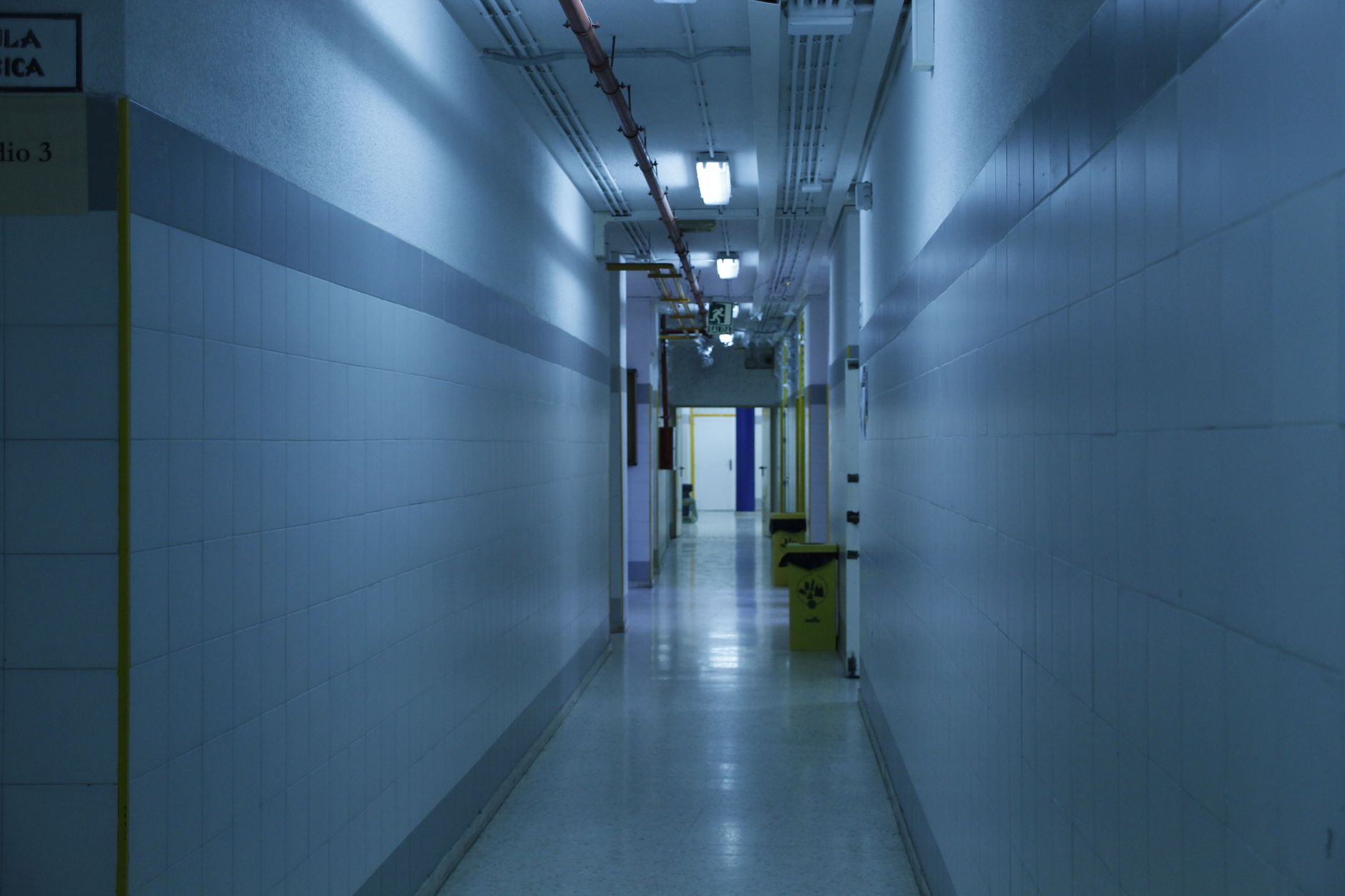
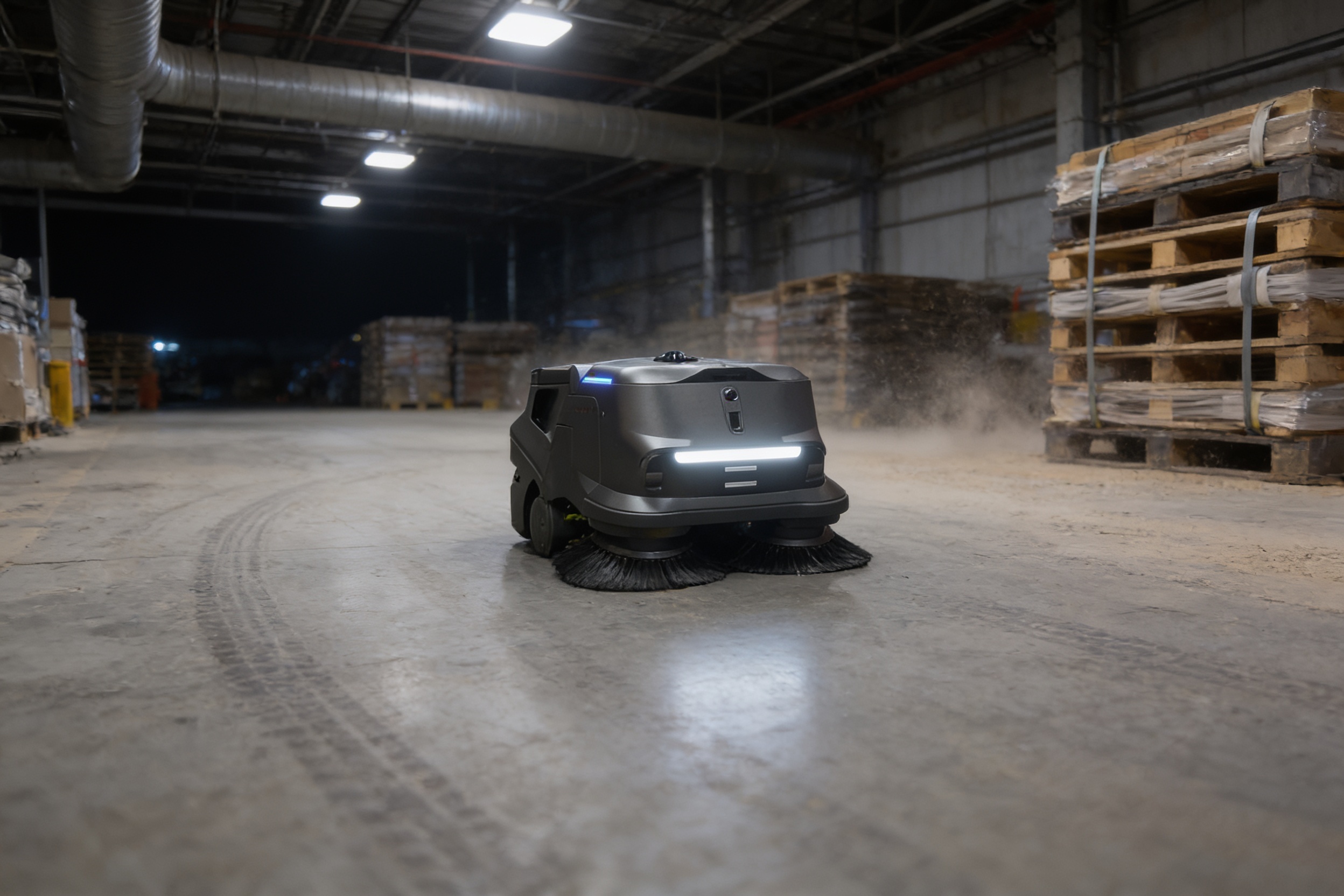
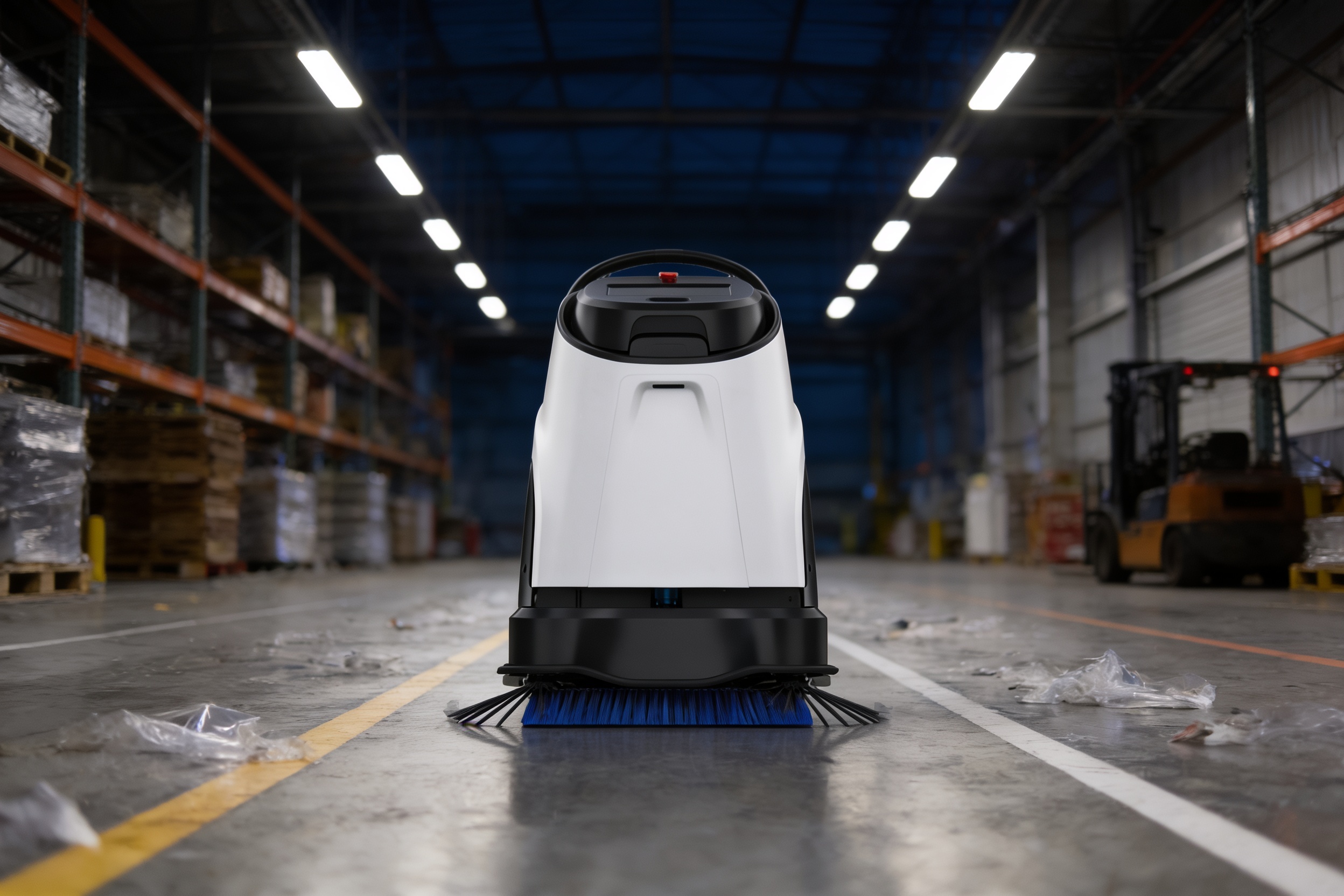
Before go-live, the building gets mapped. A site assessment records the floor layout, traffic lanes, furniture and the spots that must stay clear, such as kennel doors, the path to the prep area and the front desk. The robot learns the route and runs it on a schedule that your team sets around appointment flow.
On a normal day, the robot runs short passes through the lobby and waiting room during quieter windows, and a longer pass through the kennel corridors when animals are settled. Staff can pause a run when a family walks through or when a patient is being moved. Anything that needs a person, such as a spill, an animal accident or detail work in a corner, goes to the team right away.
After deployment, our service team takes over the upkeep. We service the robot nationwide, so a fault gets a response from people who know the unit. Your staff learn the simple checks that keep the robot running, such as clearing its path, keeping the charging spot free and reporting unusual behavior, so small issues do not become a shift without floors covered.
Which areas of a veterinary hospital does the robot cover?
The robot works best on open, hard floors with steady foot traffic. In a veterinary hospital, that means the front lobby, the waiting room, the hallways between exam rooms, the treatment corridors, the kennel and boarding corridors, the staff break room and the open floor outside the pre-surgery prep area. The layout of each space shapes how the robot runs there, and the section below sets out the six areas we see most often.
Some areas stay with staff or follow the clinic's own protocol. Exam tables, surgical suites, sterile instrument areas and any space with a biohazard spill are not robot areas. Exam rooms are often a mix: the robot covers the open floor, and staff hand clean the corners, under fixtures and around the table. The clinic's infection control rules set the line, and the site assessment writes it down.
How does the robot work alongside existing staff?
The robot does not replace the team. It handles routine passes so technicians, assistants and front desk staff spend more time on animals and clients. A typical arrangement is one robot working alongside the existing staff, with people still responsible for patient care, check-in, exam surfaces and anything that needs judgment. Cleaning robots for veterinary hospitals work best when the team treats the robot as a helper on the floor, not a substitute for the people on it.
Training is part of deployment. We train the people who will use the robot on starting runs, pausing for people and animals, clearing the route and reporting faults. The clinic decides who owns the schedule and who checks the robot at open and close, so responsibility is clear from the first week.
Expect a smaller team on floor duty, not an empty one. The savings come from fewer hours on routine floor work, while a person is still on site for the work a machine cannot judge.
What drives the savings, and what range is realistic?
The savings come from hours. Routine floor work moves off the team, and that time returns to patient care, check-in and the other tasks that need a person. The size of the change depends on how much floor a building has, how often it is walked, and how the day is scheduled. It is not the same for every clinic, and the honest estimate comes from measuring your own floors.
Published figures from hospital floor care give a sense of the change, though they are vendor-reported and not veterinary results. According to a 2023 vendor case study on a five-hospital network, nightly floor care labor fell from 16 hours to 5 hours. According to a vendor case study from a healthcare campus, about three hours per night went back to staff. Neither case describes a veterinary clinic, so we size your estimate from your floor plan and traffic count rather than copy either case.
Because hours are the measure, we measure them first. The site assessment records floor area, traffic and the time routine passes take now, so the savings estimate is tied to your building and your schedule.
What can a floor cleaning robot not do?
It is a floor tool, not a cleaner for everything. It does not handle animal accidents, urine, vomit, blood or other biohazard spills, and it should never be the first response to a spill. Staff handle those right away under the clinic's own protocol, and the robot can run once the area is safe and dry.
It does not replace hand cleaning of exam tables, cages, sinks, instruments or the corners a floor machine cannot reach. Sterile areas and surgical suites stay under the clinic's infection control rules. Stairs, ramps and some thresholds need a plan before the robot can run there, and the site assessment identifies them.
It also depends on a clear route. Boxes, crates, dog beds left in the corridor and propped open doors all interrupt runs, so the team needs a habit of clearing the path before each scheduled pass. A robot that stops for an obstacle is doing its job, but a person still has to fix the cause.
How do we get started?
Start with a free site assessment. We walk the building, map the floors, note the traffic and the kennel and lobby routes, and measure how long routine floor care takes now. From that, we recommend a floor cleaning robot for the site, or we say it is not the right fit.
Robots are leased through financing, so the payment comes in a quote after the site assessment. The quote covers the robot, deployment and integration, staff training and service nationwide. Many operators start with one leased unit on the busiest floors, then decide whether more coverage makes sense.
Cleaning robots for veterinary hospitals are a good fit where floors take steady traffic and the team wants more time for animals. If that describes your building, book the site assessment and bring your floor plan, your busiest hours and your kennel layout. We will tell you what fits and what does not.
Frequently asked questions
Want a cleaning robot at your veterinary hospital?
Tell us about your site. We will recommend the robot, quote the lease, and keep it serviced.
Sources
- U.S. Bureau of Labor Statistics, Occupational Outlook Handbook
- Practice manager survey write-up (secondary)
- Veterinary turnover write-up citing AVMA (secondary)
- AVMA 2025 report summary (secondary blog)
- AAVMC veterinary supply and demand projection to 2032
- AVMA Economic Summit report (dvm360, secondary)
- Hospital floor-care case study, 2023 (vendor-reported)
- Healthcare campus floor-care case study (vendor-reported)