
Key takeaways
- Scheduled floor cleaning robots can clean large convention halls between shows while crews focus on detail work.
- Convention centers have big, repeatable floors, which suits autonomous routes.
- Janitorial labor is hard to fill, so a robot reduces dependence on shifts that go unstaffed.
- Savings come from hours and labor moved off the crew, and the true figures come from measuring your own building.
- A robot works alongside a smaller team, never alone, and is leased through financing after a free site assessment.
How can cleaning robots for convention centers help between shows?
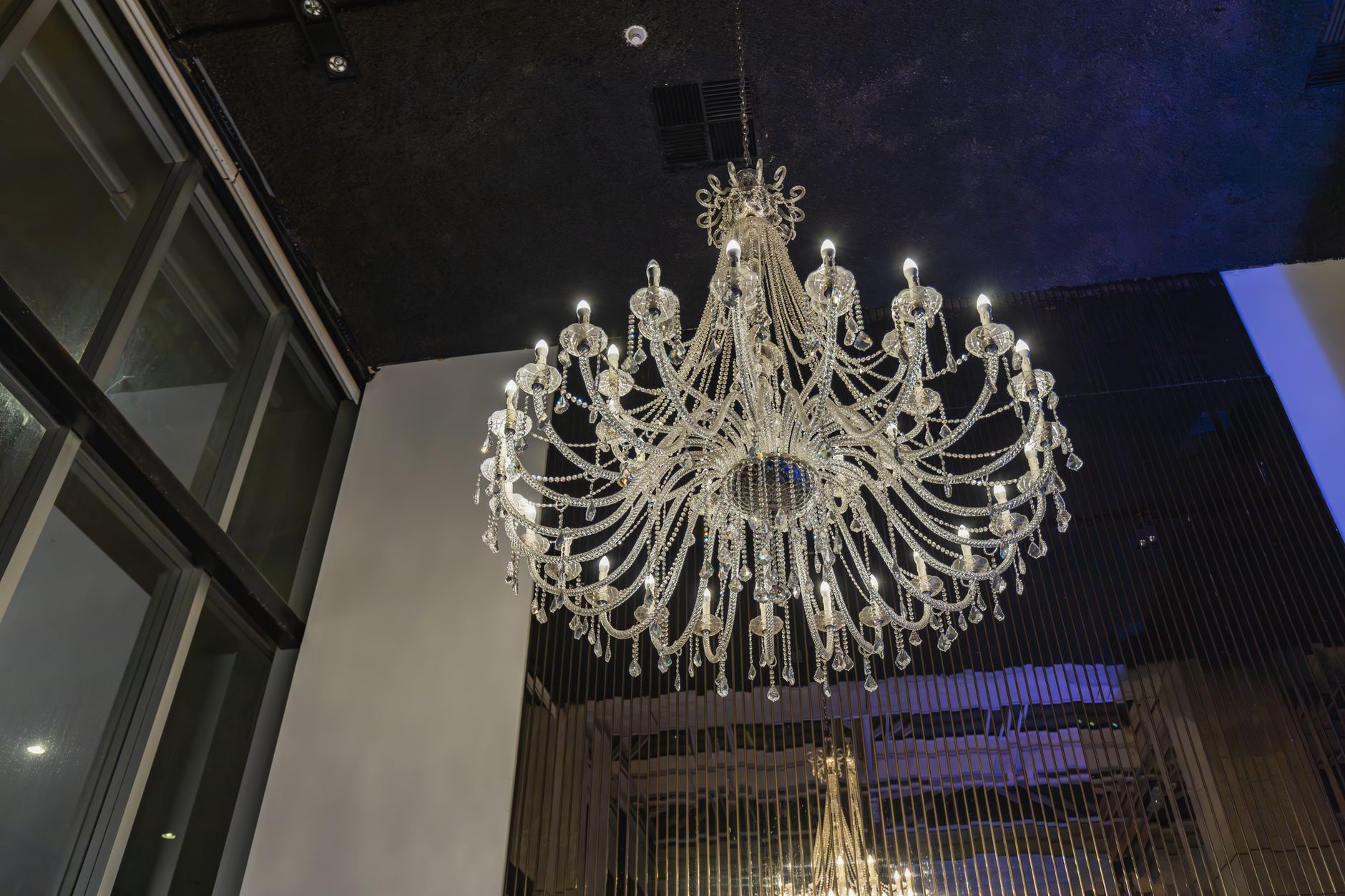
Cleaning robots for convention centers take on the large, open floors that need cleaning between events. A floor cleaning robot runs a set route on a schedule, usually in the gap between load-out and the next load-in, and covers ground that would otherwise hold a crew for hours. The crew is then free for the work a machine does poorly, such as edges, corners, spot cleaning, and areas full of clutter.
For the right halls, the answer is yes. Autonomous floor care suits a building where the floors are large, the routes repeat, and the window between events is short. A convention center rarely has one big cleaning problem. It has a sequence of similar floors, each needing the same pass, and that pattern is where a robot earns its place.
The rest of this page covers what the work looks like today, where the robot fits, what it cannot do, what drives the savings, and how to start with a lease.
What problem do convention centers face with floor care today?
Convention centers are large buildings. A 2020 count from a trade publication found 41 U.S. venues with at least 350,000 square feet of prime exhibit space, and 11 with 1,000,000 square feet or more. An online geography reference counts nine U.S. convention centers with at least 1 million square feet of exhibit space. The counts differ by source, year, and whether a venue is measured by total footprint or exhibit space, but every version describes floors measured in acres.
The cleaning work is not new. What has changed is filling it. The U.S. Bureau of Labor Statistics counted 2,447,700 people employed as janitors and building cleaners in 2024, and projects 2 percent growth from 2024 to 2034, which is slower than average. A cleaning industry article from 2025 reports that 61 percent of janitorial companies identify labor shortages as a major obstacle to growth.
Turnover adds to the strain. A cleaning industry vendor review says annual turnover in commercial cleaning and building services typically ranges from 50% to over 100%. That is a summary rather than a single survey, so read it as a sign of the problem, not a benchmark. For an operator, the practical result is that the crew planned for the morning after load-out may not be fully staffed when the hall needs it.
What are the main benefits of a cleaning robot here?
The first benefit is coverage in the gap between events. A scheduled run can clear dust, debris, and footprints from a large hall while the crew works on other areas, rather than starting at the far end of the hall after doors have already opened.
The second is consistency. A robot runs the same route, at the same speed, with the same overlap, on every pass. Human crews vary with fatigue, time pressure, and who is on shift. On repeatable floors, that steadiness is valuable on its own, and it makes the cleaning schedule easier to plan around the event calendar.
The third is labor flexibility. A vendor case study from a manufacturing site reports a 33% reduction in floor cleaning labor costs after an autonomous scrubber with a docking station was deployed. A robotics integrator reports that at one convention center, introducing autonomous cleaning robots increased total coverage by 40%. Both figures are vendor-reported and come from other settings, so they show direction, not a promise for your hall.
The fourth is that crew time moves to the work that needs a person. Hours a robot takes on are hours a crew can spend on the edges, the corners, the spill, and the detail that shows up on a walkthrough.
How does the robot work in a convention center day to day?
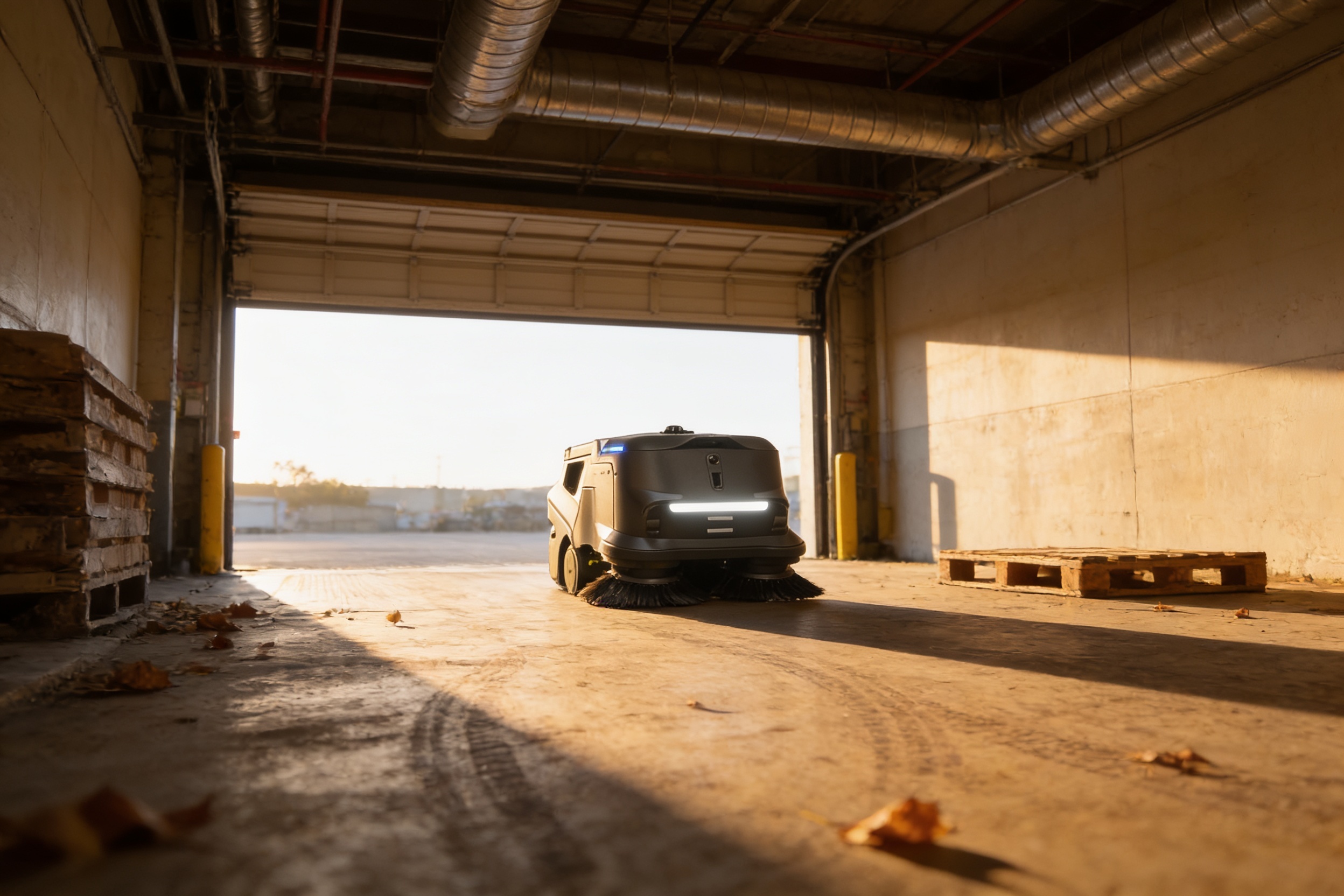
A typical cycle starts with the robot's map of the hall. Route boundaries are set during the site assessment and integration, so the robot knows which aisles, corridors, and open areas to cover. Before each run, staff clear the path of loose cables, cart lines, and stored items, because a robot cannot clean what it cannot reach.
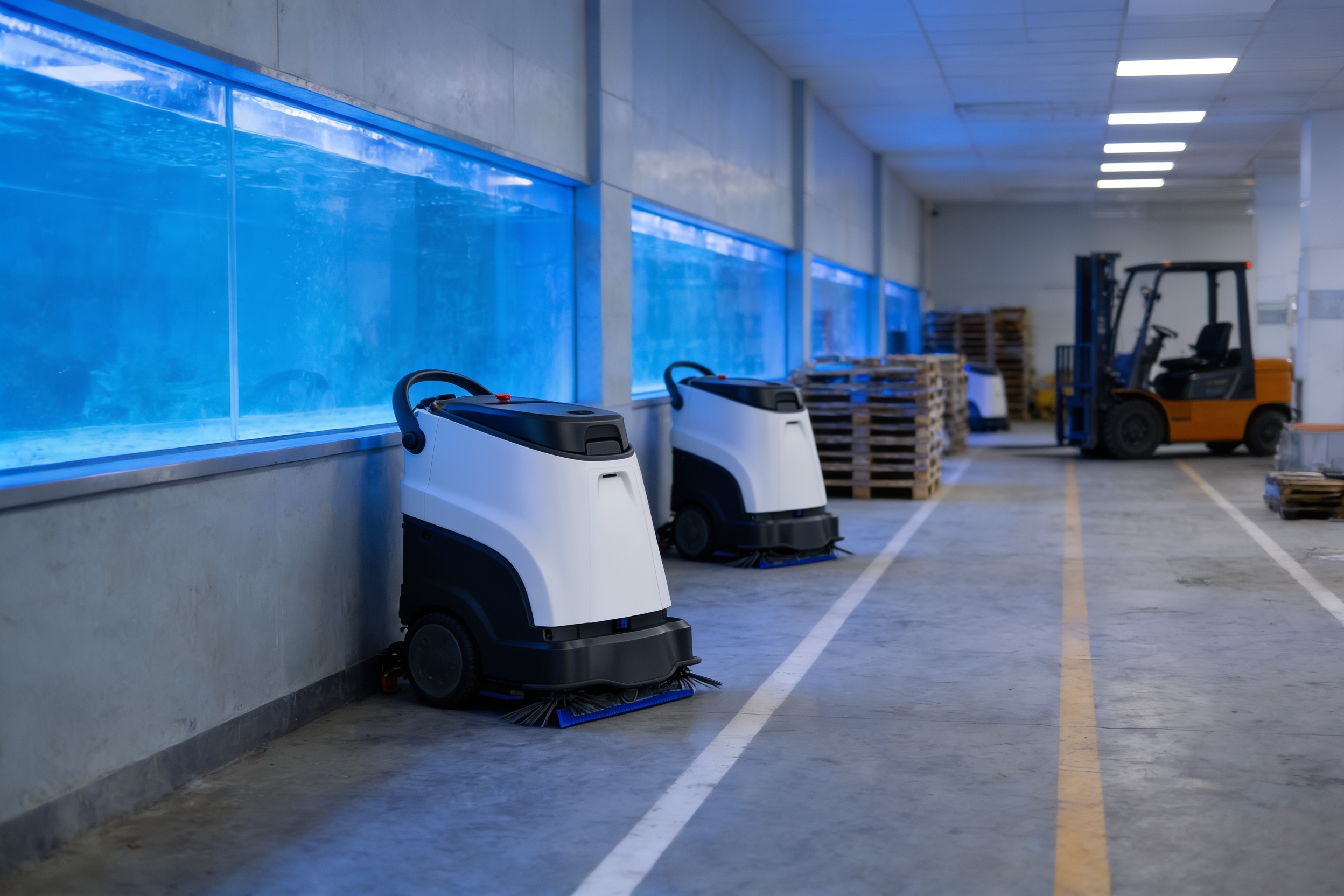
During the run, the robot scrubs or sweeps its route, steers around people and obstacles, and returns to its dock when the pass is done. Staff check the dock and the machine's status, and read any flags, such as a blocked route or a spill the robot could not handle.
After the run, the crew does what remains: edges, corners, spot cleaning, and the areas that were blocked during the pass. The day is planned around the event schedule, not around the robot, and the robot's work is one step in the sequence.
Which areas of a convention center does the robot work in?
The robot works best where the floor is wide, hard, and open, and where traffic follows a repeatable pattern. Much of a convention center fits that description, though not all of it. The zones below show where a robot typically earns its place, and where the crew should keep the work.
Carpeted meeting rooms, stage areas, tight staging zones, restrooms, and glass stay with the crew. Those areas have clutter, tight geometry, or surfaces a floor machine does not address, and they often change from event to event.
How does a robot work alongside the existing cleaning staff?
A robot does not replace the cleaning team. It works alongside a smaller crew, and the crew remains what keeps the building ready. Someone sets the schedule, clears the route, responds to flags, checks the dock, and handles spills and detail work that a machine cannot.
In practice, the crew moves from pushing equipment across every aisle to supervising a machine and finishing the work around it. That shift works best when staff are trained on the robot's daily routine, the dock, and the basic recovery steps, so the team can respond without waiting on outside help.
Training is part of the deployment. We pick the right robot for the site, lease it through financing, deploy and integrate it, train the staff, and service it nationwide. The team should know the machine before the first show, not during it.
What can a cleaning robot not do?
A floor cleaning robot does a defined job on a defined route. It does not handle every task in a convention center, and it needs a plan from the people around it.
It does not clean restrooms or wipe high touch surfaces. It does not address glass and walls, and it cannot clear obstacles from its own path. Spills, heavy debris, and unexpected setups may need a crew, and a well configured robot flags those conditions rather than working around them.
Staffing still matters. The robot changes which tasks take the crew's time, but it does not remove the need for people on site on event days.
What drives the savings, and how large can they be?
Savings come from two sources: hours moved off the crew, and shifts that no longer depend on a full roster. The honest way to size them is to measure your own building, because this review did not find independent figures on floor cleaning hours per show at convention centers.
Published examples give a sense of scale, though none come from convention centers as a measured result. A manufacturing site in a vendor case study reported a 33% drop in floor cleaning labor costs. An integrator reports a 40% increase in total coverage at one convention center. Both are vendor-reported, so use them as a starting point for your own baseline.
The drivers to track are the hours spent on open floor work per event, the number of shifts that go short, the overtime that follows a large load-out, and the coverage a route achieves on a typical day. Compare those numbers before and after the robot joins the routine, and the savings will be specific to your building.
How do you get started with cleaning robots for convention centers?
Start with a free site assessment. A technician walks the halls, maps the floors, marks the route, and checks the dock, power, and clearances. From that visit, the quote is built for your building, and the payment comes in the quote, not before.
The robot is leased through financing, so the lease, deployment, training, and service come from one partner. The lease quote shows what it covers, from the first walk through to daily operation.
A single hall is a reasonable place to begin. Run one leased robot through several events, measure the hours and coverage you set as your baseline, and then decide where else it fits. A lease quote after a free site assessment gives you the numbers to make that call.
Frequently asked questions
Want a cleaning robot at your convention center?
Tell us about your site. We will recommend the robot, quote the lease, and keep it serviced.
Sources
- U.S. Bureau of Labor Statistics, Occupational Outlook Handbook: Janitors and Building Cleaners
- Robotics integrator report on autonomous cleaning robots at a convention center
- Vendor case study: floor cleaning labor at a manufacturing site
- Online geography reference on large convention centers in the United States
- Trade publication count of U.S. convention venues, 2020
- Cleaning industry vendor review of janitorial turnover
- Cleaning industry trade article, 2025, on labor shortages