
The short answer
The autonomous mobile robot cost for auto assembly plants depends on route length and stops, traffic overlap, floor condition, integration with plant signals, the number of units and the service plan. No single figure fits every plant, so the lease payment is set in a quote after a free site assessment. That quote lists the robots, mapping, integration, training and service, so the scope is clear before anything is signed.
Key takeaways
- Route length, stops and forklift overlap move the autonomous mobile robot cost for auto assembly plants more than the robot itself.
- Mapping, integration, software, training and service are real costs that sit outside the robot.
- Staffing and turnover data show the pressure on parts runs, but the hours saved must be timed on your own floor.
- A robot route does not remove forklift risk, so zones and crossings belong in the plan from the start.
- Robots are leased through financing, and the lease payment appears only in a quote after a free site assessment.
How much does an autonomous mobile robot cost for auto assembly plants?
The autonomous mobile robot cost for auto assembly plants is set by the layout and the work, not by a single list figure. Two plants with the same number of robots can get very different quotes if one runs long routes through busy aisles and the other runs short runs on clean, level concrete. The total is the sum of the robots, mapping and integration, software, service and training, all set out after a site assessment.
Most of the spread comes from the route. A robot that carries kits from a staging area to a few line-side stations on one fixed path is a simpler job than one that serves many stations across several bays. Each added stop, door, lift or shared aisle changes how the route is mapped, tested and maintained.
This page covers the factors that move the number, the costs people overlook, how a lease through financing works, and how to get a quote. It does not state a figure, because a fair number cannot be set without measuring your floor.
What makes the cost go up or down at an auto assembly plant?
Route length and the number of stops matter most. A fixed route that serves a few stations with clear sightlines is simpler to map and test than one that reaches many stations through several bays. Every pickup and drop point needs a defined stopping location, and every one adds planning and validation work.
Traffic comes next. Assembly plants run forklifts, tuggers, carts and walking associates in the same aisles, often on the same shifts. Where a robot route overlaps heavy traffic, the design needs marked zones, lower speeds in some sections and more testing before go live. That overlap is one of the first things the site walk measures.
Floor condition and transitions add cost where they appear. Smooth sealed concrete, level thresholds and clear door swings keep a robot on its route. Ramps, expansion joints, floor drains and uneven repairs add engineering. The number of units matters too, because a larger fleet needs fleet management, spare coverage and charging planned into the layout. Integration with plant systems, such as signals from the build sequence or door control, adds engineering work on top of the robots themselves.
Is a line-side parts robot worth the cost in an assembly plant?
Demand for industrial robots is rising in North America. According to the Association for Advancing Automation (A3), North American robot orders in 2025 reached 36,766 units, up 6.6% from 2024. That total covers industrial robots broadly, so it shows direction, not the number of mobile carriers on plant floors.
We did not find a 2025 survey that measures actual mobile robot adoption in automotive plant material handling. That means the business case should rest on your own route data, not on an industry average. Ask whether a pilot route can show the hours and the traffic effect before a wider fleet is planned.
The strongest case for a line-side robot is repetition. Kits for each vehicle must reach the right station at the right time, and the route repeats on every cycle. A parts run that is hard to schedule by hand is the kind of task a fixed route handles well, because the schedule is the route.
How do plant staffing and turnover change the math?
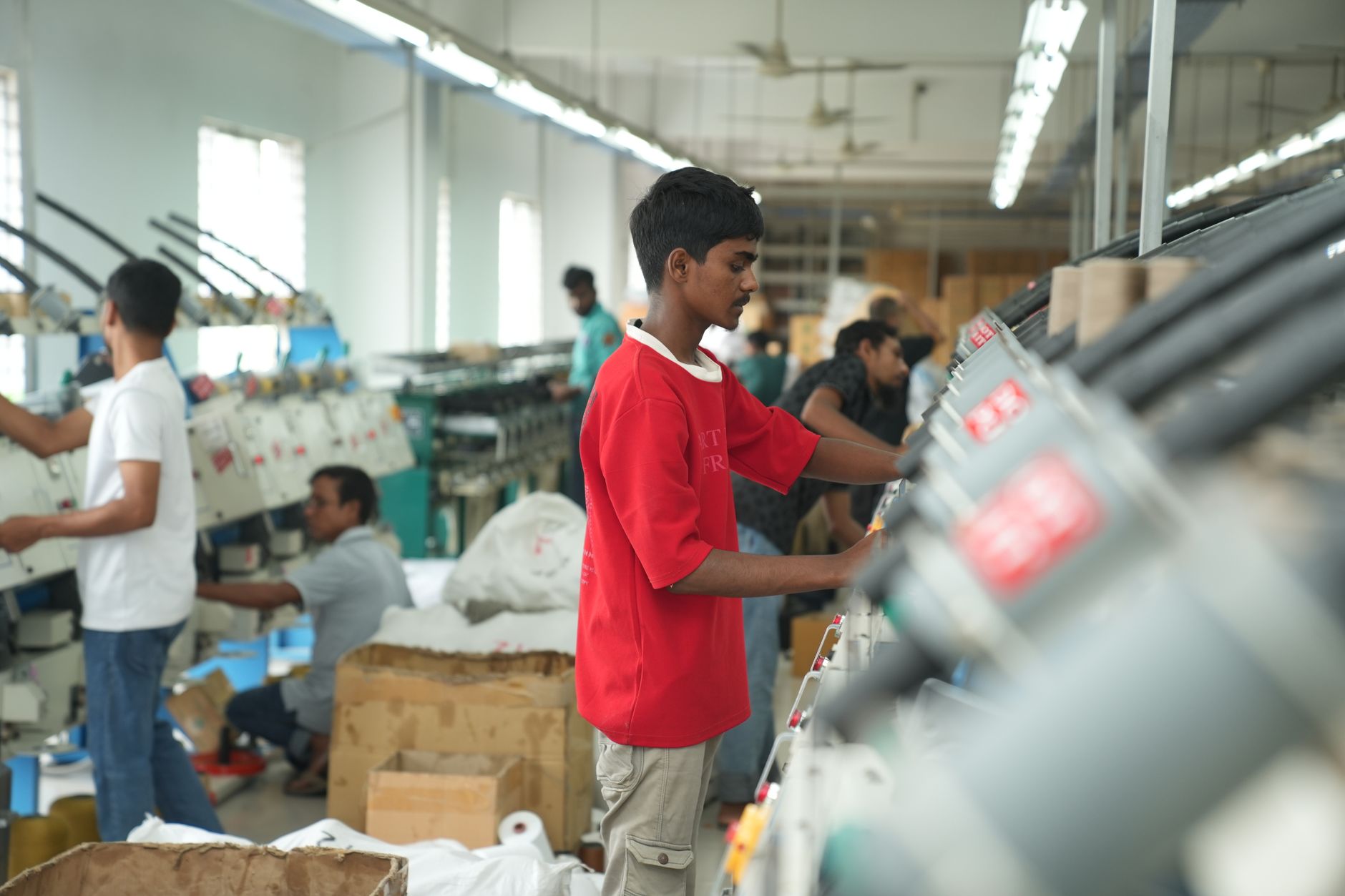
A parts run depends on people who know the line. According to Federal Reserve Bank of St. Louis economic data built from Bureau of Labor Statistics figures, motor vehicle manufacturing employment was 298.4 thousand in 2024 and 286.2 thousand in 2025. The table does not say whether 2025 is a full-year average, so read it as a trend. The broader motor vehicles and parts series, which includes supplier plants, stood at 946.5 thousand in February 2026.
Turnover is the other side of the picture. The Bureau of Labor Statistics JOLTS release reports that the all-industries 2025 annual average total separations rate was 3.3%, unchanged from 2024, with quits at 2.0% and layoffs at 1.1%. The same St. Louis data series reports 311 thousand manufacturing separations in December 2025. Each departure means a new associate has to learn the route.
Robots do not fix turnover, but they remove part of the work that is hardest to hold to a schedule. A cell that relies on one associate to pull kits feels every absence. A fleet keeps the route running, so the line depends less on one person's shift.
How many labor hours does a robot take over on a parts run?
The honest answer is that the hours depend on your route. This research pass did not find a verified figure for hours per shift spent on line-side parts runs at assembly plants, so this page does not state one. The work is simple to measure: time one full kit run from pickup to station and back, count the runs per shift, and multiply.
Most of the time on a manual run goes to walking, waiting for a free forklift and checking the station. Those are the hours a robot can take over. Associates keep the work that needs judgment, such as quality checks, part exceptions and line decisions, so the plan moves people to that work rather than removing them from the line.
Hours saved are only real when the route runs without repeated intervention. Count the exceptions a robot still creates, such as a blocked aisle or a missed drop, because each one brings a person back to the route.
What can an autonomous mobile robot not do on the line?
A mobile robot follows its route. It does not decide what to do with a damaged part, a missing fastener or a blocked aisle that needs a person. Most plants keep associates for those decisions, and the robot should be planned around that, not around a promise to replace them.
Powered industrial trucks are a serious hazard on plant floors. A study by a Bureau of Labor Statistics researcher, listed by Penn State and based on 2005 census data, reports manufacturing at 28% of total fatalities and construction at 22%. The data are old, so use them as context only. A robot route does not remove this hazard, so zones, speed limits and marked crossings belong in the design, reviewed with the plant safety team.
Robots also cannot take every load. Heavy, oversized or irregular parts may still need a forklift, a tugger or a collaborative arm at the station. A robot carries the loads that fit its platform and bins. Check load sizes and weights against the platform in the site assessment before committing to a route.
How does leasing through financing work, and what does the quote include?
We lease the robots through financing, so the plant does not have to fund the equipment upfront. The lease gives a fixed robot lease payment over the agreed term. The payment is set in your quote after the site assessment, because robot lease options vary with the number of units, the length of term and the services included.
We are a US commercial robot integrator. We pick the right robot for the site, lease it through financing, deploy and integrate it, train the staff and service it nationwide. One partner handles the robot, the mapping, the training and the service, rather than several separate contracts.
A useful quote lists the robots and spares, mapping and route validation, integration with plant signals, software and fleet management, training, service response times and what is excluded. Ask whether maintenance is included in the lease, how a failed unit is replaced, and what term is written into the agreement. Get those answers in writing before comparing quotes.
How do I get a quote after a free site assessment?
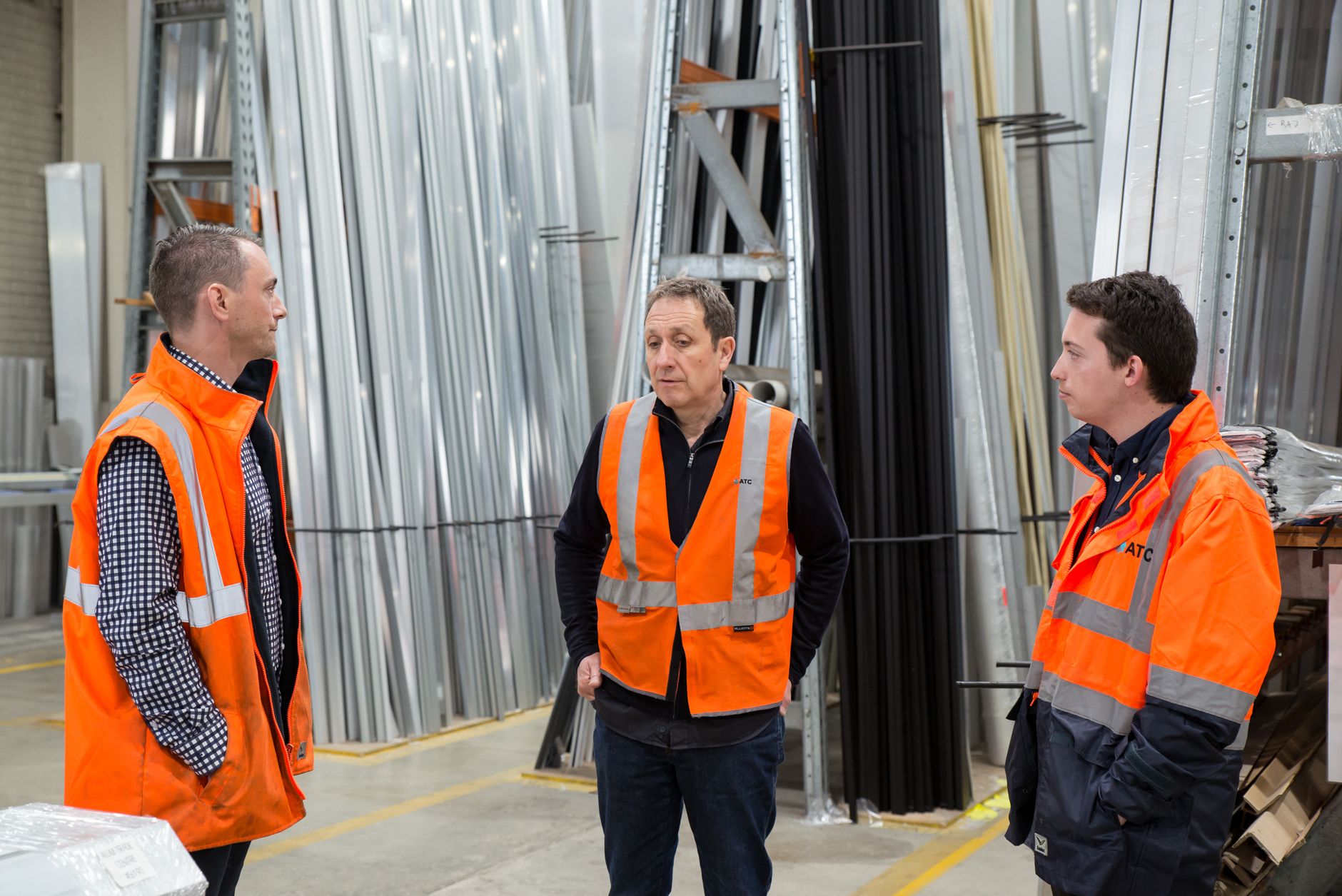
The quote starts with a free site assessment. We walk the routes with your team, note the floor surfaces, traffic, stations and shifts, and time the parts run as it happens today. Mapping starts from that walk, so the quote reflects your plant rather than an average plant.
Bring the layout drawings, the build sequence, the station list, the shift pattern and the names of the people who will own the robots day to day. Bring your forklift zone rules and pedestrian crossing rules too. The more of this you share, the closer the quote matches the work in your building.
Consider starting with one leased unit on one route. Once that route runs cleanly, add units and routes in steps. Ask for backup coverage in the quote so a single fault does not stop the line feed. The plant ends the assessment with a clear route, a clear scope and a clear number before anything is committed.
Frequently asked questions
Want a warehouse robot at your auto assembly plant?
Tell us about your site. We will recommend the robot, quote the lease, and keep it serviced.
Sources
- Association for Advancing Automation (A3), 2025 North American robot orders, reported in trade press
- Bureau of Labor Statistics, JOLTS annual 2025 release
- Federal Reserve Bank of St. Louis economic data, motor vehicle manufacturing employment (NAICS 3361)
- Federal Reserve Bank of St. Louis economic data, motor vehicles and parts employment
- Federal Reserve Bank of St. Louis economic data, manufacturing separations
- Penn State research database, analysis of forklift and pallet jack injuries using Bureau of Labor Statistics researcher data