
The short answer
The cleaning robot cost for K-12 schools depends on floor area and route length, the shift window, surface types, foot traffic, mapping and integration, the number of units and the service terms in the lease. No price is set until a free site assessment measures your buildings, and the fixed lease payment comes from that quote for the term. The robot takes the repeated hallway, corridor and cafeteria passes while custodians keep restrooms and detail work.
Key takeaways
- Floor area and route length set most of the cost, because they set the hours a robot can take over.
- Shift timing, surfaces and foot traffic change the route and the staffing around it.
- Mapping updates, maintenance, insurance and training are the lines schools most often miss.
- A lease quote is built after a free site assessment and should list every service line.
- Restrooms and detail work stay with custodians, so the robot covers the repeated passes.
What does a cleaning robot cost for K-12 schools?
The cleaning robot cost for K-12 schools is set by the site, not by a catalog. It depends on how much floor the robot must cover, how many buildings share one custodial crew, when the robot can run, what surfaces it crosses, how much foot traffic moves through the route, and what support is bundled into the lease. A free site assessment measures those factors, and the fixed lease payment that comes out of it stays the same for the term.
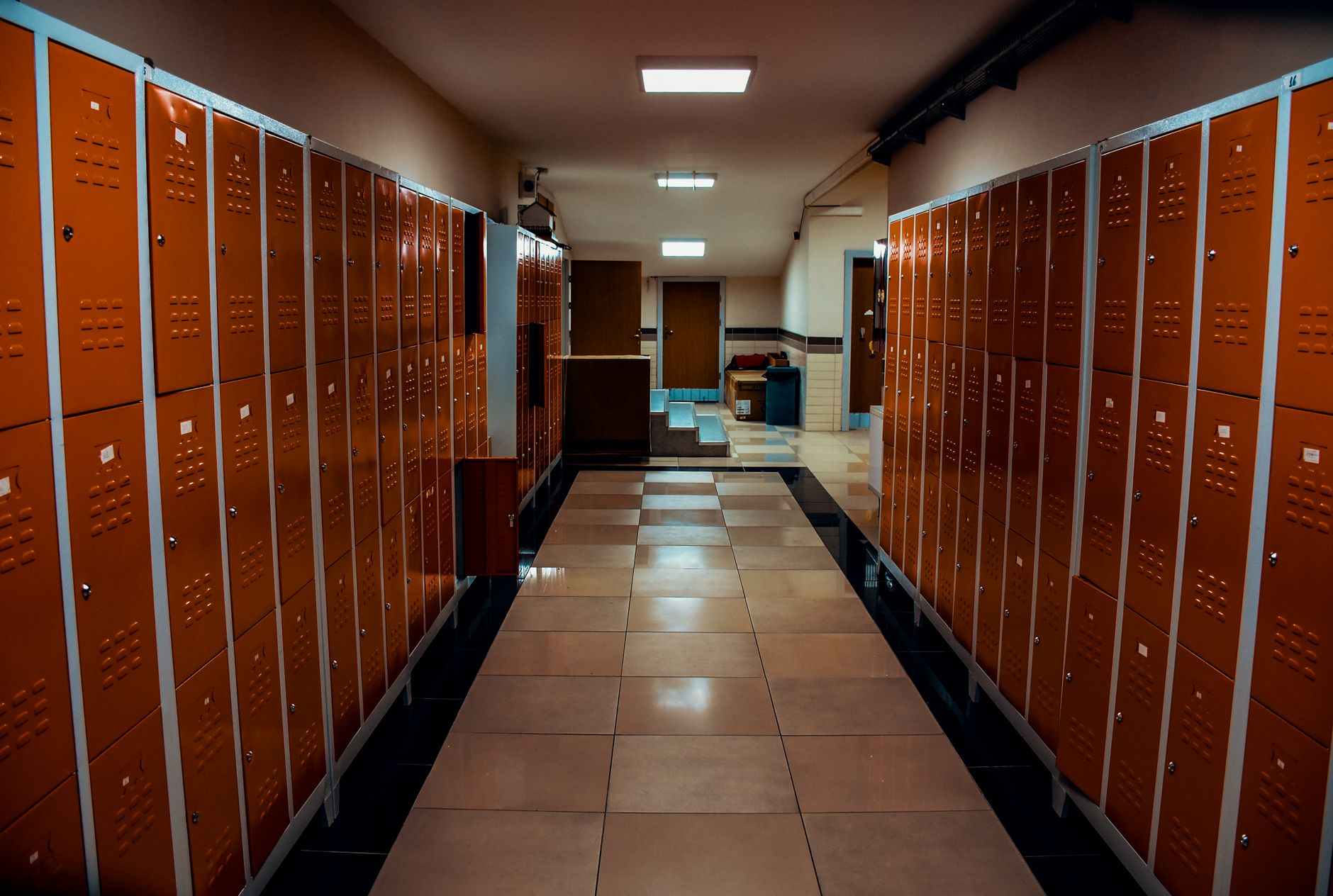
The job the robot takes is specific. School custodial work is heavy on repeated passes over long hallways, corridors and cafeterias, and lighter on detail work that needs a person. A robot can take the repeated passes so the custodians who remain spend their hours on restrooms, high-touch surfaces and spot cleaning. Whether that trade pays off at one building depends on the factors that follow.
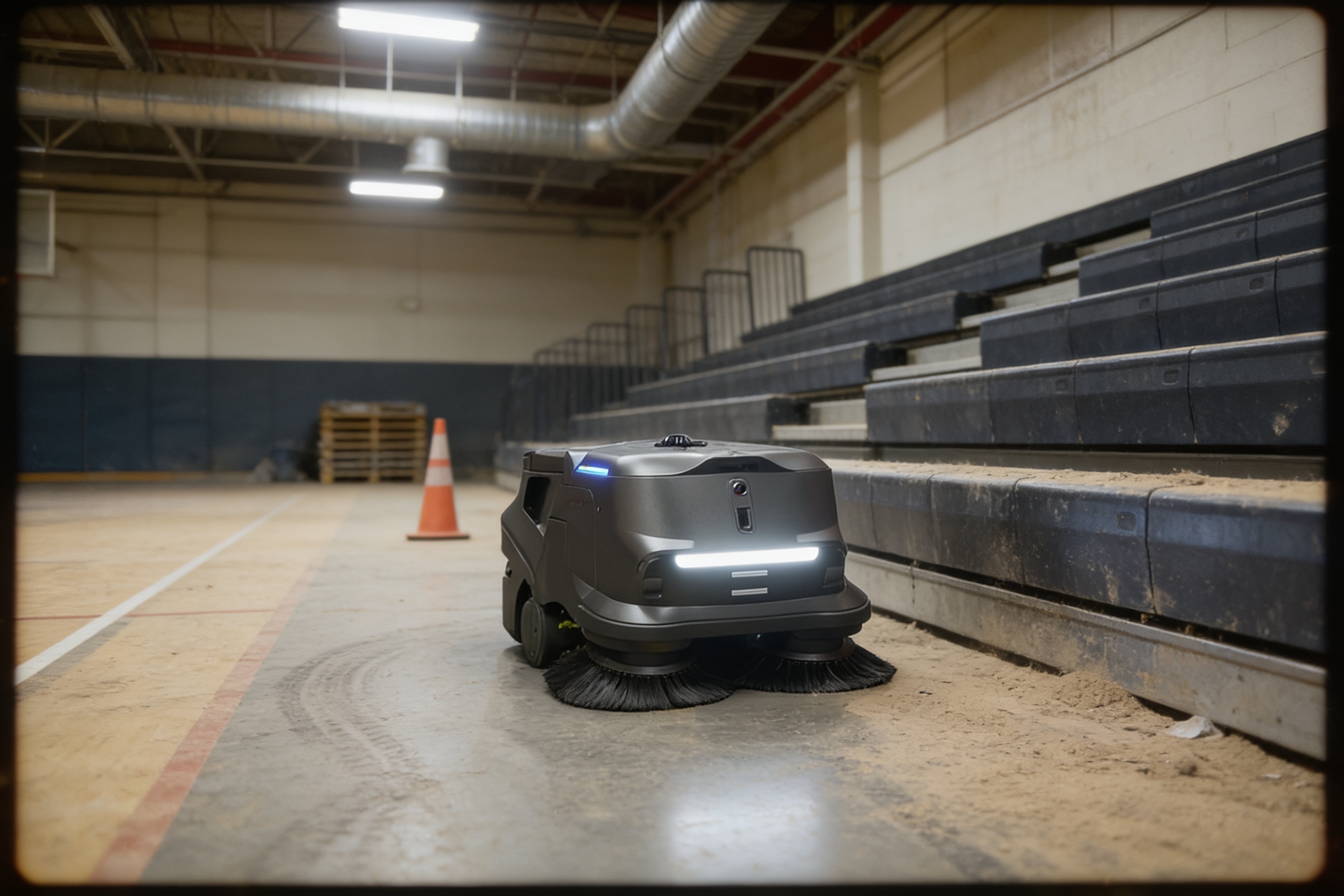
Adoption is already under way. GovTech reports that a Washington state district deployed 14 floor-cleaning robots in February 2026, one at each middle and high school. A Wisconsin district describes two scrubbers at one high school and one at a middle school, and frames them as freeing custodians for more critical tasks. These are individual district accounts, so read them as examples of how a deployment can be structured, not as benchmarks for your own costs.
Why are school custodial crews stretched so thin?
The national pool of custodial workers is large, but it is not growing fast. The Bureau of Labor Statistics Occupational Outlook Handbook lists 2,447,700 jobs for janitors and building cleaners in 2024 and projects 2 percent growth from 2024 to 2034, which is slower than the average for all occupations, with about 47,800 jobs added. A large pool does not mean every school has enough people on the payroll, because every employer that cleans a building is hiring from the same workforce.
Local surveys show the gap. According to Chalkbeat, a district survey of 168 principals and 423 custodians found that three-quarters of principals said they lacked enough custodians to meet cleaning needs, and many custodians said they were often the only one on duty during the day. Education Week reported in December 2025 that 27 of 44 custodians responded to a survey in one Ohio district. Those are two districts, not a national count, so check the pattern against your own staffing sheet.
Space per custodian is the figure to pull first. A Virginia district's comparison of peer districts lists 23,181 square feet per custodian for one peer district, and within the same document elementary schools average 18,410 square feet per custodian and high schools 32,017. A California district's core services page says each night custodian covers about 20,000 square feet. If your own ratio sits well above what peer districts publish, the repeated passes are where a robot will get the most use.
What drives the cost up or down at a school?
Floor area and route length come first. A robot earns its place by the square footage it covers each night, so a wing of long hallways and a large cafeteria can justify a unit that a small building would not. Route length matters as much as total area, since a long straight corridor is simpler to run than a building full of rooms, doors and turns. Surface type comes next. Sealed vinyl, terrazzo and sealed concrete are straightforward, while carpet, thresholds, rubber transitions and ramps change the route and the time each pass takes.
Shift timing and foot traffic change both the route and the staffing around it. A robot that runs after dismissal needs a clear path, secured doors and a custodial lead who knows the schedule. A robot that runs while students or staff are in the building needs a safety plan written and approved by the district, and that planning time belongs in the quote. Heavy foot traffic means more stops, detours and interruptions, so the route is planned around the busiest hours.
Mapping and integration add cost at the start. Each building must be mapped, access points confirmed and the unit connected to the schedule and reporting the district uses. Unit count is the next driver. One unit at one high school is a single project, while several units across several buildings need charging plans, spare coverage and coordinated routes. Service terms set the rest, because a unit that is down on a Friday night becomes a cleaning gap by Monday. We write these terms into the quote so each line can be checked against the site notes.
How does leasing through financing work?
Most districts do not want to carry a large equipment item on a tight budget, so the robot is leased through financing. You choose a term, the lease payment is fixed for that term, and the figure comes from the site assessment rather than a catalog. The lease covers the robot, deployment, integration, training and service, so the payment is the one number the budget office needs to plan around.
Read the quote closely. It should list deployment and integration, mapping, unit count, training sessions, maintenance, on-site dispatch, remote triage, spare unit coverage and the length of the term. If a line is missing, ask for it before signing. Many schools start with one unit in one building, run it for a term, and expand only if the hours saved match what the site assessment measured.

How many custodial hours can a robot take over?
We did not find a national count of custodial hours per shift for schools, so the hours at your site have to be measured. The site assessment walks each route at the time it is cleaned today, times each pass and notes what stays with staff. The table below shows the kind of work the robot takes over and the setup work that stays with people. Replace the descriptions with your measured hours before you compare.
The saving comes from repeated passes, not from the whole shift. A custodian who spends a long stretch on hallways and the cafeteria gets those hours back for other work. Restroom rounds, detail work and anything that needs a person to lift, sort or inspect stay on the schedule.
| Task | Today | With a robot |
|---|---|---|
| Hallway passes | Measured on site, usually the longest repeated pass | Setup check, then a scheduled run |
| Cafeteria floor | Measured on site, after each meal period | Scheduled run while staff clear tables and equipment |
| Corridor and gym floor passes | Measured on site, repeated each night | Scheduled run, with staff checking the route afterward |
| Restroom rounds | Measured on site, stays with custodians | No change, staff keep this work |
| Detail and spot cleaning | Measured on site, stays with custodians | No change, staff do this work during the run |
| Robot setup and recovery | None | A short check at start, plus recovery if the unit stops |
No hour figures are stated in this table because none were verified this run. Each row is filled in from the timing the site assessment records on the existing route.
Where does the robot work, and what can it not do?
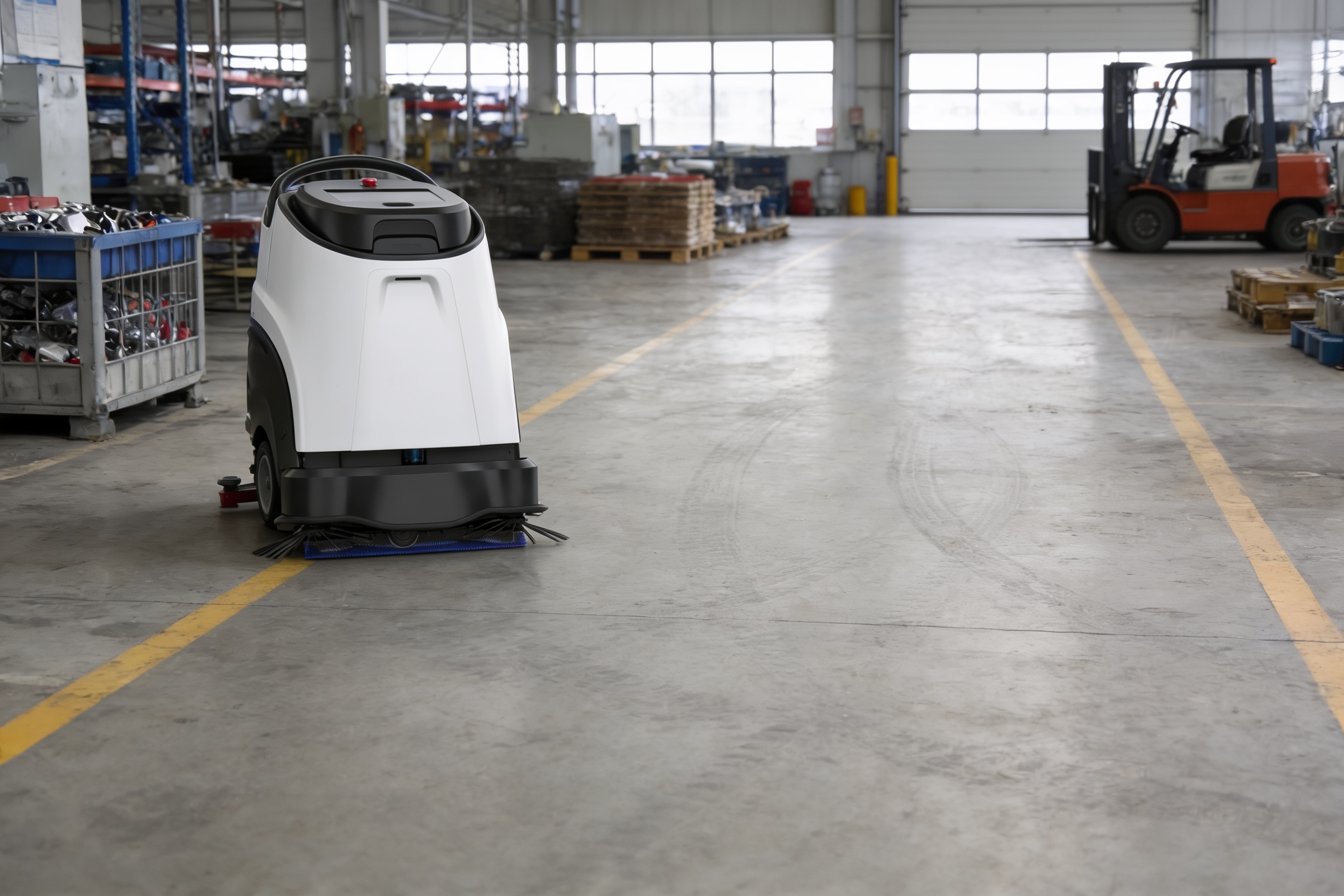
A school cleaning robot works best on open, hard floors along a fixed route. Wide hallways, the cafeteria floor and the gym are the usual candidates. The robot does not replace work that needs hands, judgment or a person to move things. The zones below show where it fits and where staff keep the work.
Route design sets the boundary. Stairs and steps lie outside a floor route, and so do rooms with clutter that changes from week to week. Carpeted rooms need a route that accounts for transitions. Restrooms and stalls stay with custodians, as do spills that a person should check before the unit crosses them.
How do I get a quote after a site assessment?
Start with a free site assessment. We walk the buildings with your facilities lead, map the routes, measure floor area, note surfaces and transitions, and agree on the shift window and access points. We then build the quote from those findings, with the unit count, the term and each service line written out.
Treat the quote as the document to compare. Check its lines against the site notes, confirm who handles mapping updates, and ask how a unit that goes down is replaced. We serve schools nationwide and handle deployment, integration and staff training on site. Schools that want to test the fit often start with one leased unit in one building before scaling across the district.
What does a robot shift look like in a school?
A typical plan runs the robot after dismissal, when hallways are clear and custodians still have the day's list to work through. The times below are an example shape, set with your staff during the assessment, not a promise.
The day structure matters because the robot and the custodians share the building. Staff who know the route can clear it, watch the first pass and move to restrooms while the unit runs. The shift is only as good as the handoff between the two.
Frequently asked questions
Want a cleaning robot at your K-12 school?
Tell us about your site. We will recommend the robot, quote the lease, and keep it serviced.
Sources
- BLS Occupational Outlook Handbook, janitors and building cleaners
- Chalkbeat, Chicago custodians and principals report cleanliness problems
- Education Week, custodians are the glue of school buildings
- Arlington Public Schools, Allocation of Custodians in Comparable School Districts
- Oakland Unified School District, core services by school
- GovTech, Spokane Public Schools automates floor cleaning with robots
- McPherson Area School District, article 682204
- California Department of Industrial Relations, 2021-2022 local government injury table