
The short answer
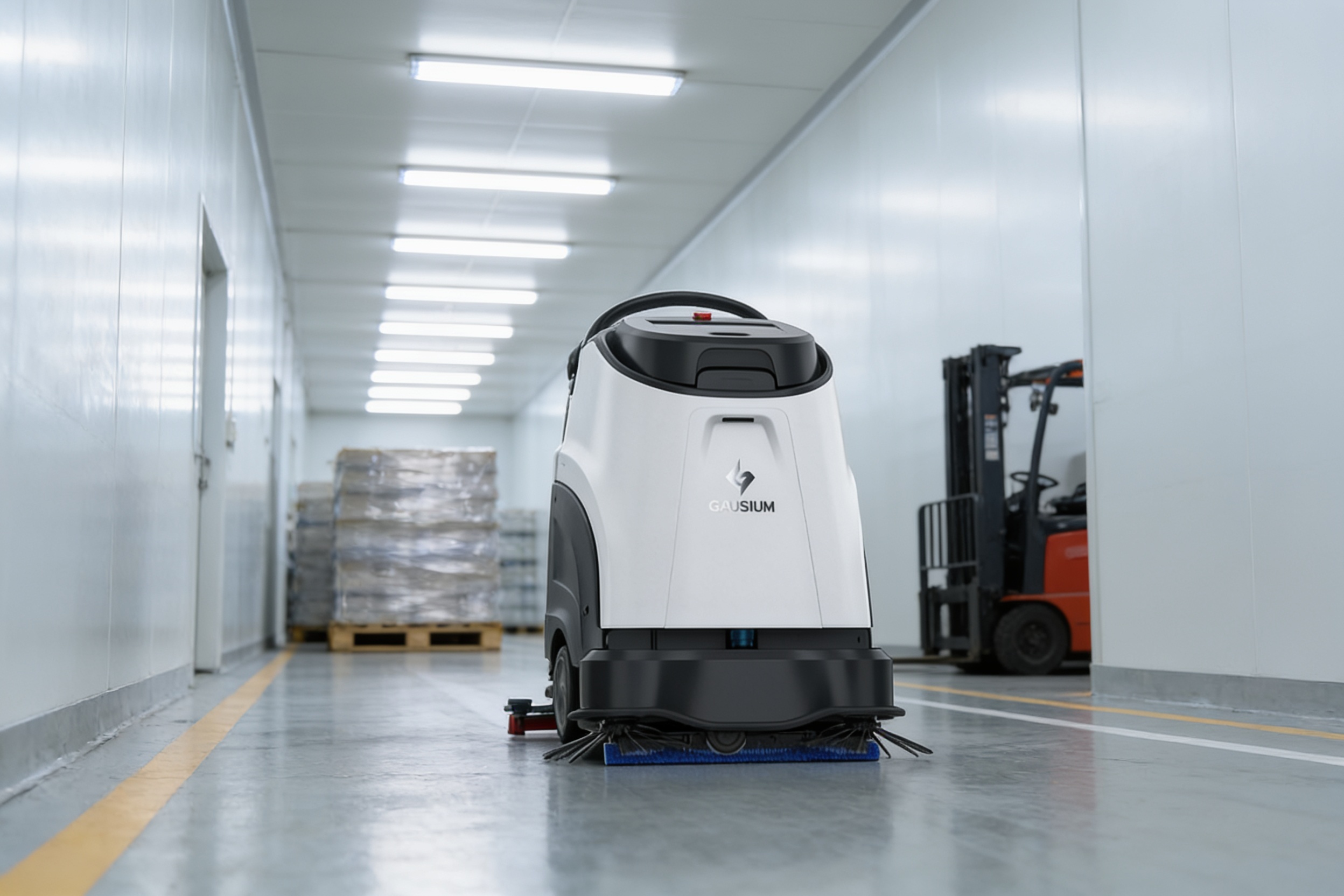
Cleaning robot cost for distribution centers depends on how much open floor the robot must cover in the overnight window, how the surfaces, racking and traffic shape its route, and how many units the site needs. The work at these buildings is mostly wide, flat concrete, where one operator on an autonomous floor scrubber can cover ground that would take a crew most of a night. Our lease quote is built after a free site assessment, so the figures reflect your floor and your hours.
Key takeaways
- Floor area and the overnight window set most of the cost at a distribution center.
- Surfaces, racking and forklift traffic change the route and the number of units needed.
- Mapping, integration, training and service sit alongside the lease and should be itemized in the quote.
- Cleaning crews face steady replacement hiring, so a fixed overnight crew is hard to keep staffed.
- The lease quote comes after a free site assessment, not from a general estimate.
What does cleaning robot cost for distribution centers depend on?
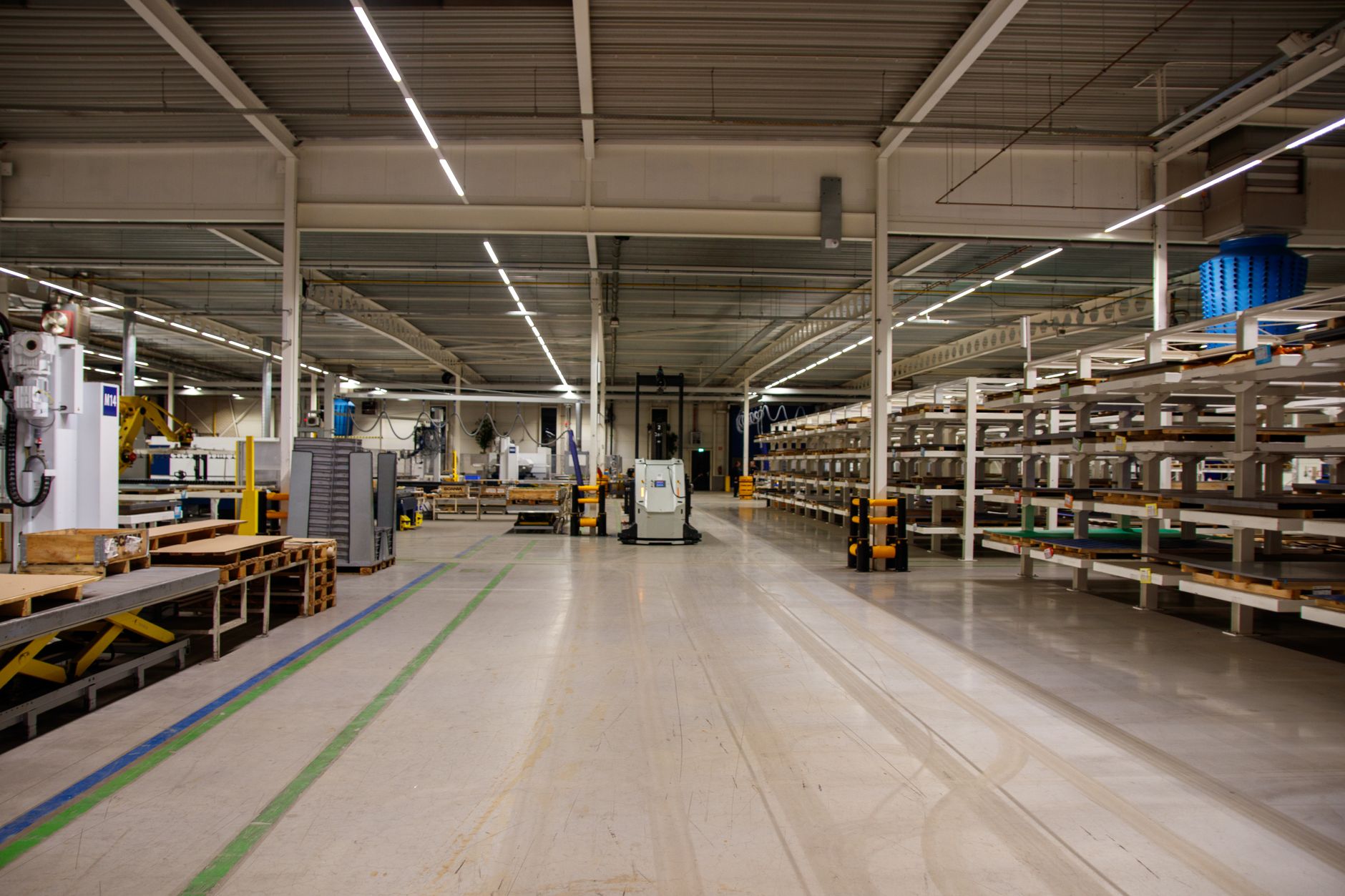
Cleaning robot cost for distribution centers is set by three things: how much open floor the machine must cover, how many hours the floor is clear each night, and what surrounds the machine, including mapping, integration, training and service. A distribution building is usually a large, flat, concrete space with long aisles, so a single autonomous scrubber can spend a whole night on productive coverage. The lease is the most visible line, but it is one of several costs the site will carry.
Every building is different, so a useful answer comes from a site assessment rather than a general estimate. We look at the open floor, the racking, the surfaces, the traffic and the hours the floor is actually free. The quote is built from those facts.
What do the workforce and industry numbers show?
Cleaning labor at these sites is hard to hold steady. According to the Bureau of Labor Statistics Occupational Outlook Handbook, employment of janitors and building cleaners is projected to grow 2 percent from 2024 to 2034, which is slower than the average for all occupations. About 351,300 openings per year are projected, mostly from replacing workers who leave the occupation. A site that depends on a fixed overnight crew is carrying a recurring recruiting and training load.
The wider warehouse workforce is also large. According to a secondary summary of BLS employment projections, material mover employment is projected to grow 4 percent from 2024 to 2034, with about 579,900 new jobs, and the same summary says automation is projected to moderate that growth. Those figures cover material movers rather than cleaners, but they describe the same labor market that cleaning crews draw from.
The count of the buildings themselves is less settled. A data compilation citing the Bureau of Labor Statistics puts warehousing and storage businesses at 20,002 in 2021, up from 15,152 in 2010. Those counts show a growing set of candidate sites, but they say nothing about floor area or cleaning hours, which is why we ask for those figures in the site assessment.
Adoption is still early. In a 2019 ISSA and AACEM Autonomous Cleaning Survey of nearly 23,000 contractors, in-house providers and facility managers, about two-thirds had not used autonomous cleaning equipment, and respondents using it were 27 percent of total responses. That survey covered all cleaning settings, not warehouses alone. A press release citing a 2026 BSC Market Study reports that about 32 percent of building service contractors plan to adopt robotic floor equipment within 12 months, roughly double the 2025 share. We have not independently verified that figure.
Which factors push the cost up or down at a distribution center?
Floor area is the first lever. Every extra aisle and open lane is more ground the machine must cover inside the same overnight window, and a large open floor is exactly where autonomous scrubbing earns its place. A longer clear window lowers the number of units a site needs. A short or broken window raises it.
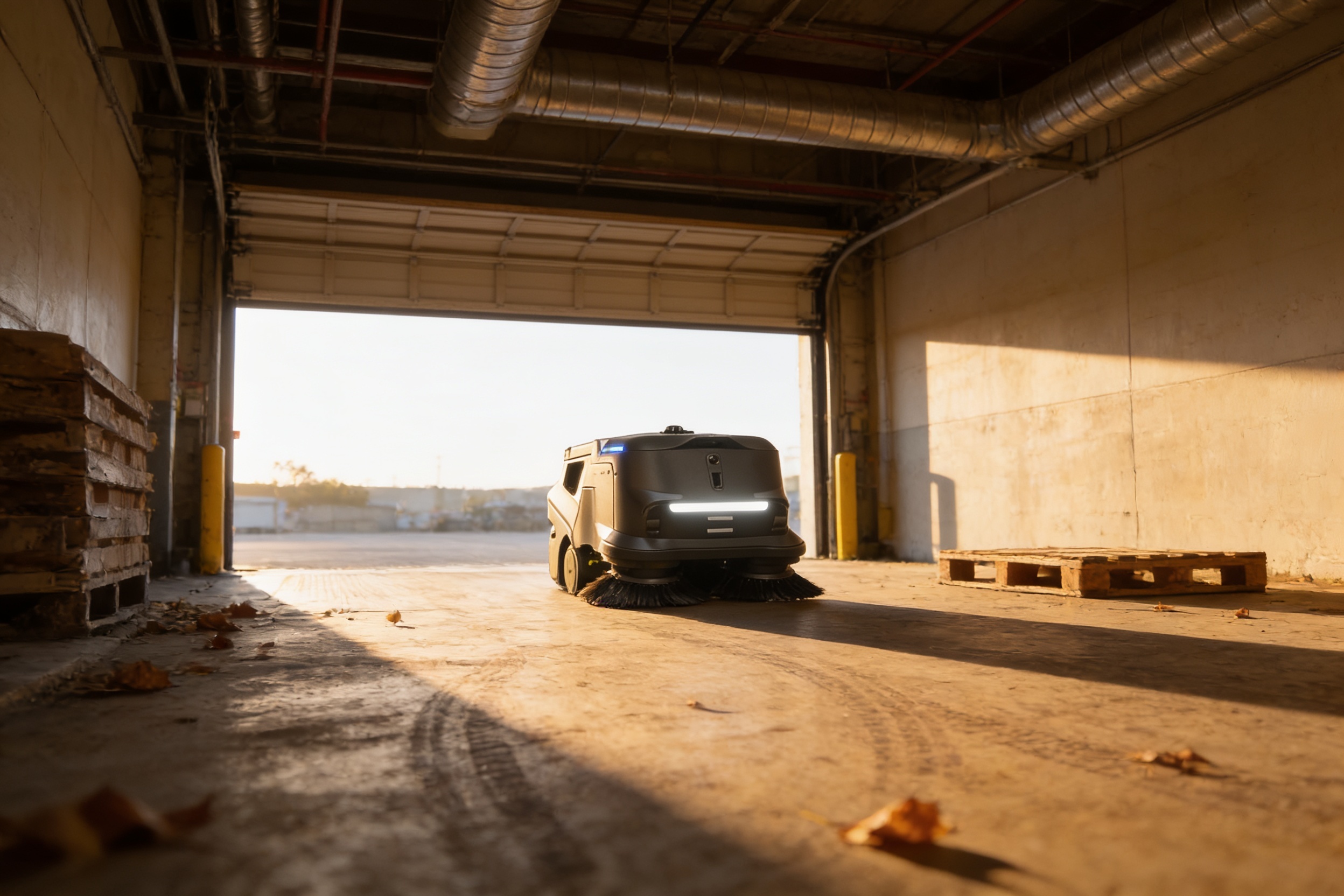
Surfaces and layout come next. Smooth sealed concrete runs cleanly. Expansion joints, rough patches, painted lines, oil stains and loading ramps change the route and how often a unit has to be checked. Narrow aisles and dense racking need a tighter map, and every change to the layout means the map must be updated.
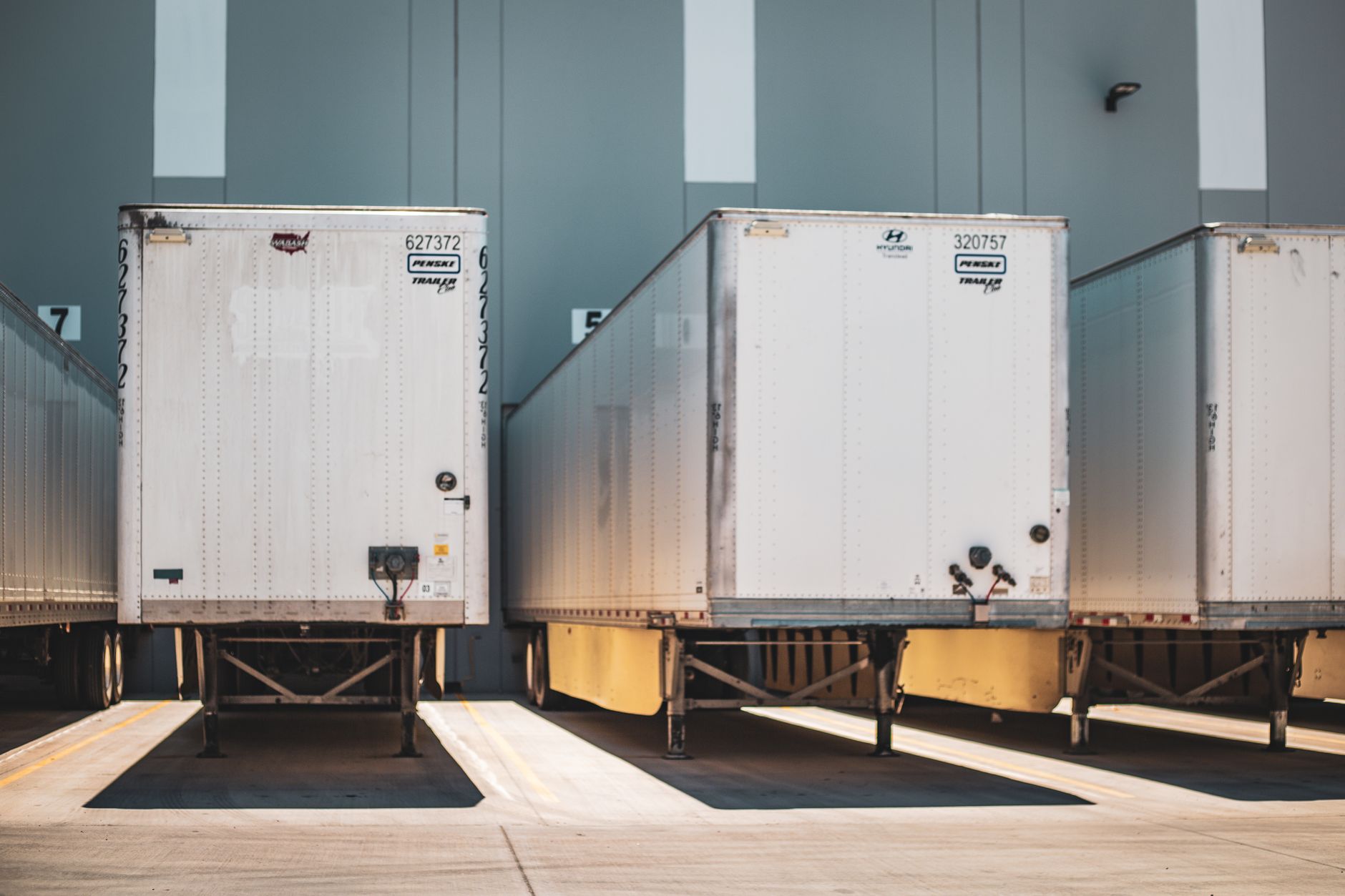
Traffic and shifts shape the window itself. Forklift lanes, dock activity, trailer staging and any work that continues overnight narrow the hours the floor is clear. Those hours are the number that matters most, so we measure them on site rather than take them from a schedule.
Units and integration finish the picture. One unit covers one zone. Two or more units add coverage, and a spare unit keeps the schedule running when one needs service. Integration with doors, lifts, network points and charging spots adds set-up work that depends on the building, and the quote should show it as its own line.
How many labor hours does the robot take over?
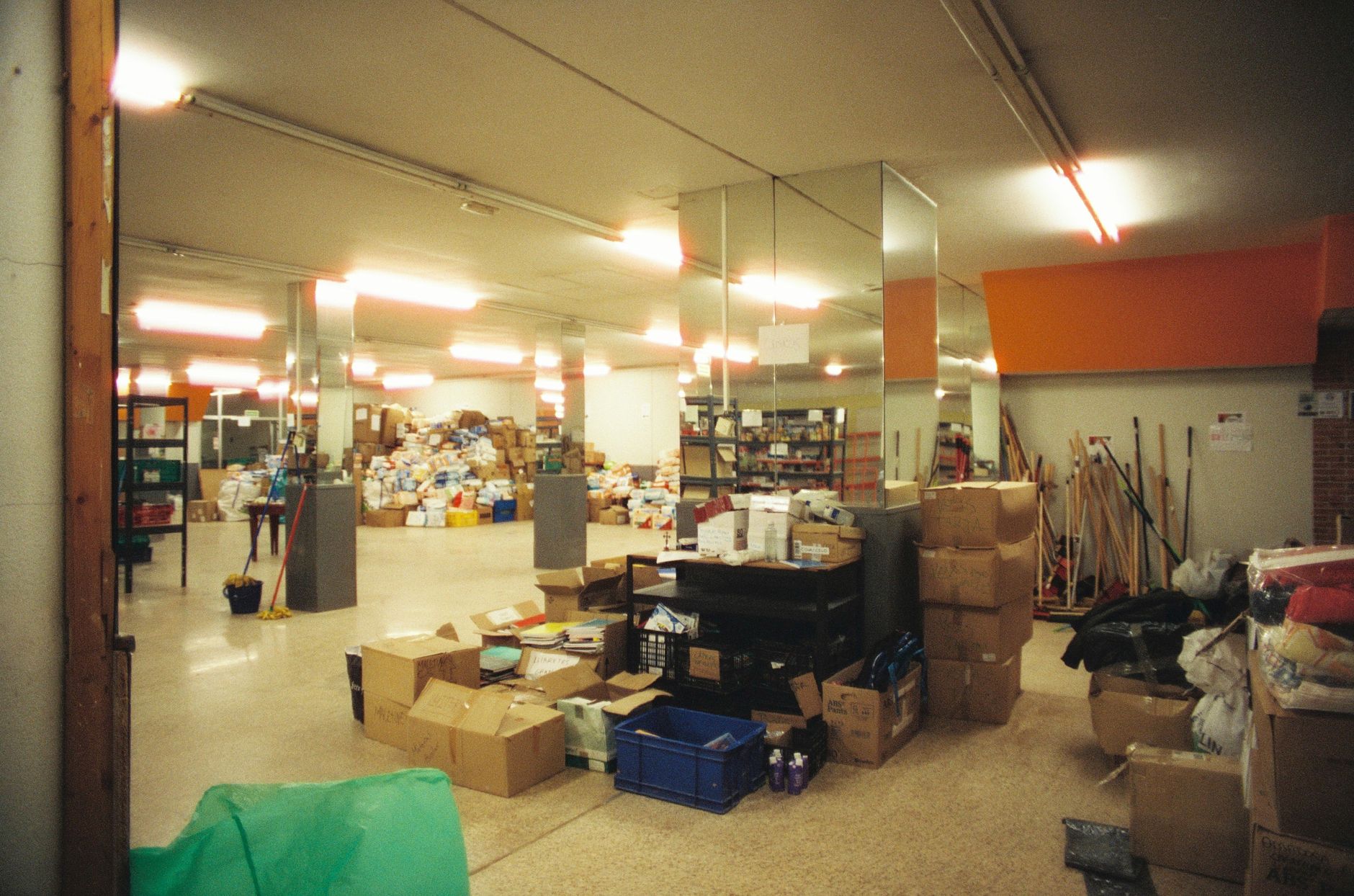
Hours are the figure people most want, and the one we could not verify from published sources in this research. We did not find a current published figure for typical overnight cleaning hours or crew size at distribution centers, so this page gives no hour counts. The table below shows which tasks change and how, and the real hours come from measuring your own building.
The useful measurement is a timed walk-through. Time the open lanes, the aisles, the set-up and the checks across two or three nights, note where the crew stops, and record the hours the floor is actually clear. Those numbers, not a national average, decide how many units and how much labor the robot removes from the night.
Once you have those numbers, the robot's run time comes from the same walk-through and the mapped route. Staff time moves from walking the floor toward set-up, supervision and exceptions. Hours only come back to the budget if the site reassigns or reduces them, so decide that before go live.
How does leasing through financing work, and what does the quote include?
Robots are leased through financing, which means the site does not fund the machine up front. The lease runs on a fixed term set in the quote. We select the robot for the site, arrange the financing, deploy and integrate the unit, train staff and service it for the life of the lease.
The quote comes after the free site assessment and should list each element: lease terms, number of units, mapping and integration, staff training, service coverage and any insurance terms. Each item should sit on its own line so you can compare the quote against your timed hours and against other options, rather than comparing a single lease figure.
Ask the quote to state what happens when a unit fails. A spare unit, on-site dispatch and remote diagnosis each change how much floor goes uncleaned on a bad night, so they belong in the comparison alongside the lease.
What can an autonomous floor scrubber not do?
An autonomous floor scrubber works best on wide, flat, mostly sealed concrete with clear routes. It does not replace hand cleaning in corners, around equipment bases, under racking, or where spills need immediate attention. Staff still handle those spots, and the quote should say where that work stays with people.
It also cannot manage a floor it has not been mapped for. Changes to racking, new pallet positions, temporary staging and blocked routes need someone to update the map or clear the path. Carpeted zones, steep ramps and thresholds need checking before the route is set, because a machine that stops mid-run leaves a floor half done.
Safety is a real consideration in this setting. According to the Bureau of Labor Statistics, warehousing and storage recorded a 2024 total recordable case rate of 4.8 cases per 100 full-time workers, and fatalities rose to 32 in 2024 from 28 in 2023. A robot on the floor changes the traffic pattern, so routes, lanes and stop areas should be set with the same care as the rest of the site's safety plan.
How do you get a quote after a free site assessment?
Start by sending the basics: the approximate size of the open floor, the overnight hours the floor is clear, the surfaces, and a rough count of aisles and racking. That gets the site assessment on the calendar. The assessment is free and includes a walk through the building with the people who run the floor.
During the walk, we measure the open floor and aisles, check surfaces and joints, note traffic and the hours the floor is free, confirm power and network points, and identify where the robot would charge and where staff would stage it. We also agree which zones stay with people. The quote follows from those findings.
When the quote arrives, compare it with your timed hours from the walk-through and with the staff time you would move to supervision. A quote that states every included item, such as mapping, integration, training and service, is easier to judge than one that lists only the lease terms.
Frequently asked questions
Want a cleaning robot at your distribution center?
Tell us about your site. We will recommend the robot, quote the lease, and keep it serviced.
Sources
- Bureau of Labor Statistics, Occupational Outlook Handbook: Janitors and Building Cleaners
- Bureau of Labor Statistics, injury and illness data for warehousing and storage (NAICS 493)
- ISSA and AACEM Autonomous Cleaning Survey (2019)
- Press release citing 2026 BSC Market Study
- Secondary summary of BLS employment projections for material movers
- Data compilation citing Bureau of Labor Statistics on warehousing businesses