

The short answer
Cleaning robot cost in Buffalo depends on how much floor the robot covers, how many shifts it runs, how the surfaces and foot traffic behave, and how much mapping, integration and service the site needs. Buffalo's long snowy winters bring wet, salted debris indoors, which changes how often entry floors need a pass and how the route is planned. The only reliable way to get a figure is a free site assessment, after which we quote a fixed lease payment through financing.
Key takeaways
- Floor area, shift timing and mapping move the cost more than any other single factor.
- Buffalo's average winter snowfall of 94.4 inches adds entry floor work that the route plan has to cover.
- Labor savings are only real once they are measured from your own shift records, since no verified local hour figure is given here.
- Hidden costs include mapping changes, software, service response and training, and each should be named in the quote.
- Robots are leased through financing, and the fixed lease payment comes in a quote after a free site assessment.
What does cleaning robot cost in Buffalo depend on?
The question sounds like it should have one answer, but the cost of a cleaning robot is set mostly by the site. The same type of machine can carry very different cost profiles in a warehouse aisle, a clinic corridor and a large retail floor, because the floor area, timing, surfaces and surrounding work all differ.
For a business in Buffalo, NY, the cost to run a cleaning robot is the lease payment plus the labor the robot takes over and the support around it. That support includes site mapping, integration, staff training, software and service. Each piece depends on the same site facts, so the rest of this page follows the site rather than the machine.
Service Robot Co. is a US commercial robot integrator. We pick the robot that fits the site, lease it through financing, deploy and integrate it, train staff and service it nationwide. We lease robots only, and the payment comes in a quote after a free site assessment, so this page explains what the quote reflects rather than giving a figure.
Which factors move the cost up or down at a Buffalo site?
Floor area comes first. Area sets how long a pass takes and how many units the site needs. A large, mostly open floor lets one unit run long, efficient routes. Many small rooms, furniture and tight turns push time up because the robot has to navigate around them.
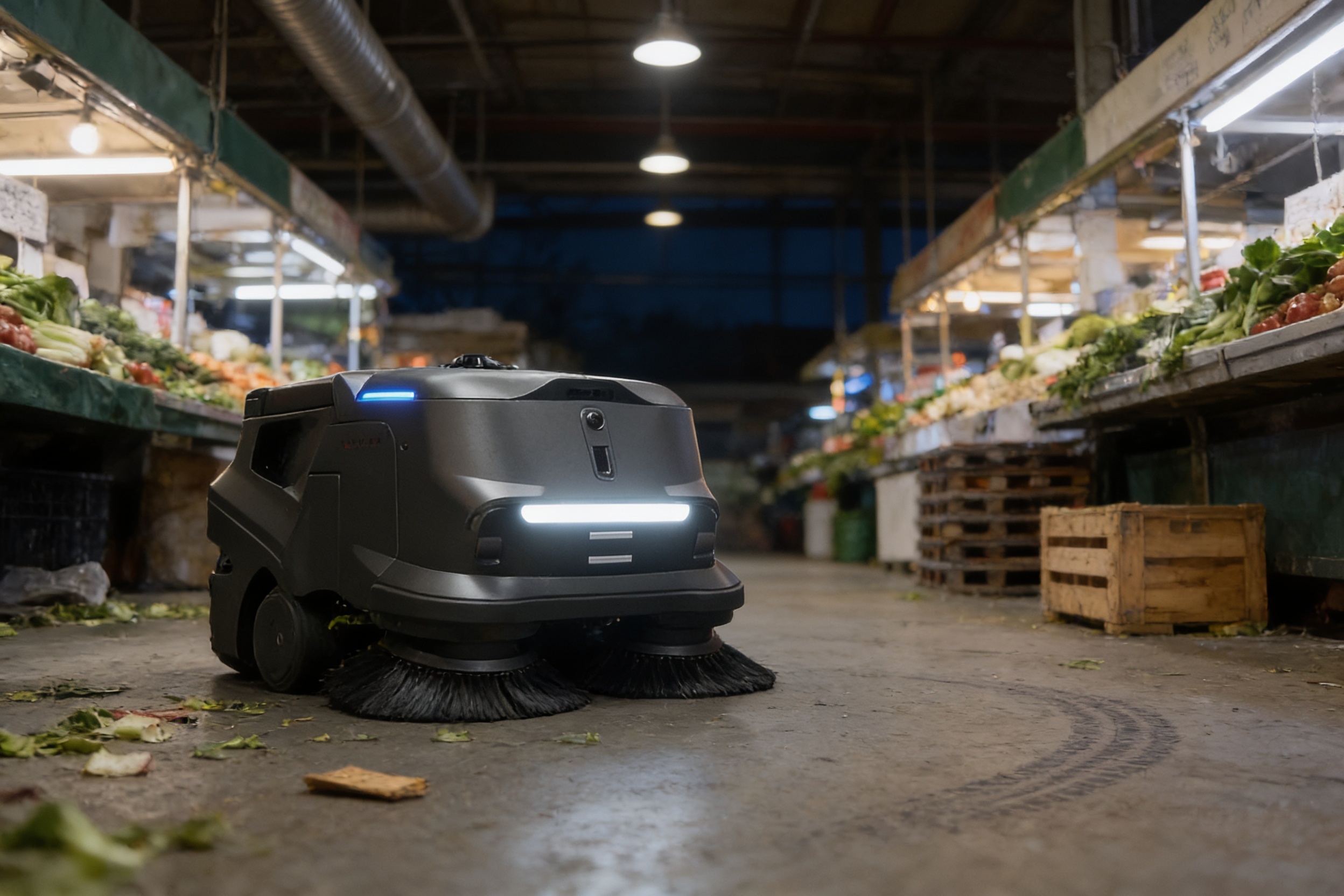
Surfaces and traffic come next. Sealed concrete, sealed tile and polished floors behave differently from worn or textured floors, and heavy foot traffic, carts and pallet movement raise how often a pass is needed and how often the route is interrupted. A route that runs cleanly on one night may stop the next when a delivery blocks an aisle.
Shift timing matters as much. A robot that runs overnight with no operator on the floor fits the common case of a clean floor at opening time. A robot that has to run during occupied hours needs a different route and may need a second unit, because staff and public traffic change where the machine can go.
Mapping, integration and unit count close the list. The site assessment maps the floor, sets zones and no-go areas, and checks any doors, lifts or lighting the robot must work with. Complex sites take longer to deploy. A single unit covers one area, while larger sites need more units and a spare, which changes the quote.
How do Buffalo winters change the cleaning job?
Buffalo gets a lot of snow. The average winter snowfall for the 30-year period from 1981 to 2010 is 94.4 inches, according to National Weather Service data as reported in a national weather news article. Snow does not stay outside. It arrives on boots, cart wheels and vehicle tires, and it leaves wet, salted grit on entry floors for much of the season.
For a cleaning robot, that changes two things. Entry vestibules and lobbies need extra passes during the snowy months, so the route and schedule should be planned for winter, not just for an average week. The route should also cover known wet spots, because a pattern that works in summer may leave grit behind in January.
Building conditions matter too, and this is where the site assessment earns its place. We did not verify local building stock figures for this page, such as the age of commercial buildings or the floor finishes common in the Buffalo area. The National Weather Service Buffalo station digest holds the climate tables for checking local conditions. Do not assume a floor type from the city alone. Measure the surfaces on site and plan the route for what is actually there.
Where does a cleaning robot work inside a building?
A cleaning robot is rarely pointed at a whole building at once. The useful first step is to split the site into zones, decide which zones the robot covers, and decide which need hand work or another machine. That split is where most of the cost difference between two sites comes from.
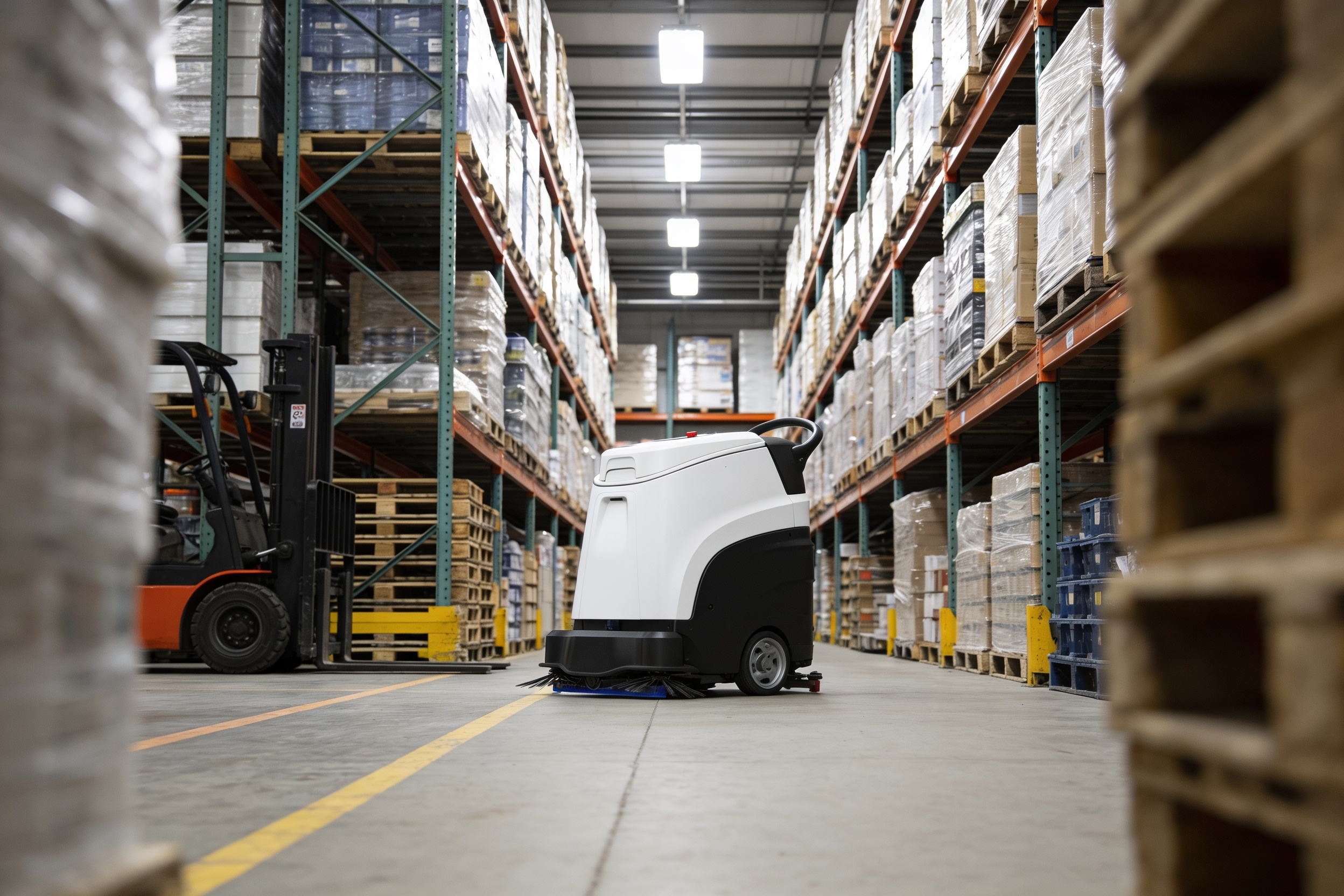
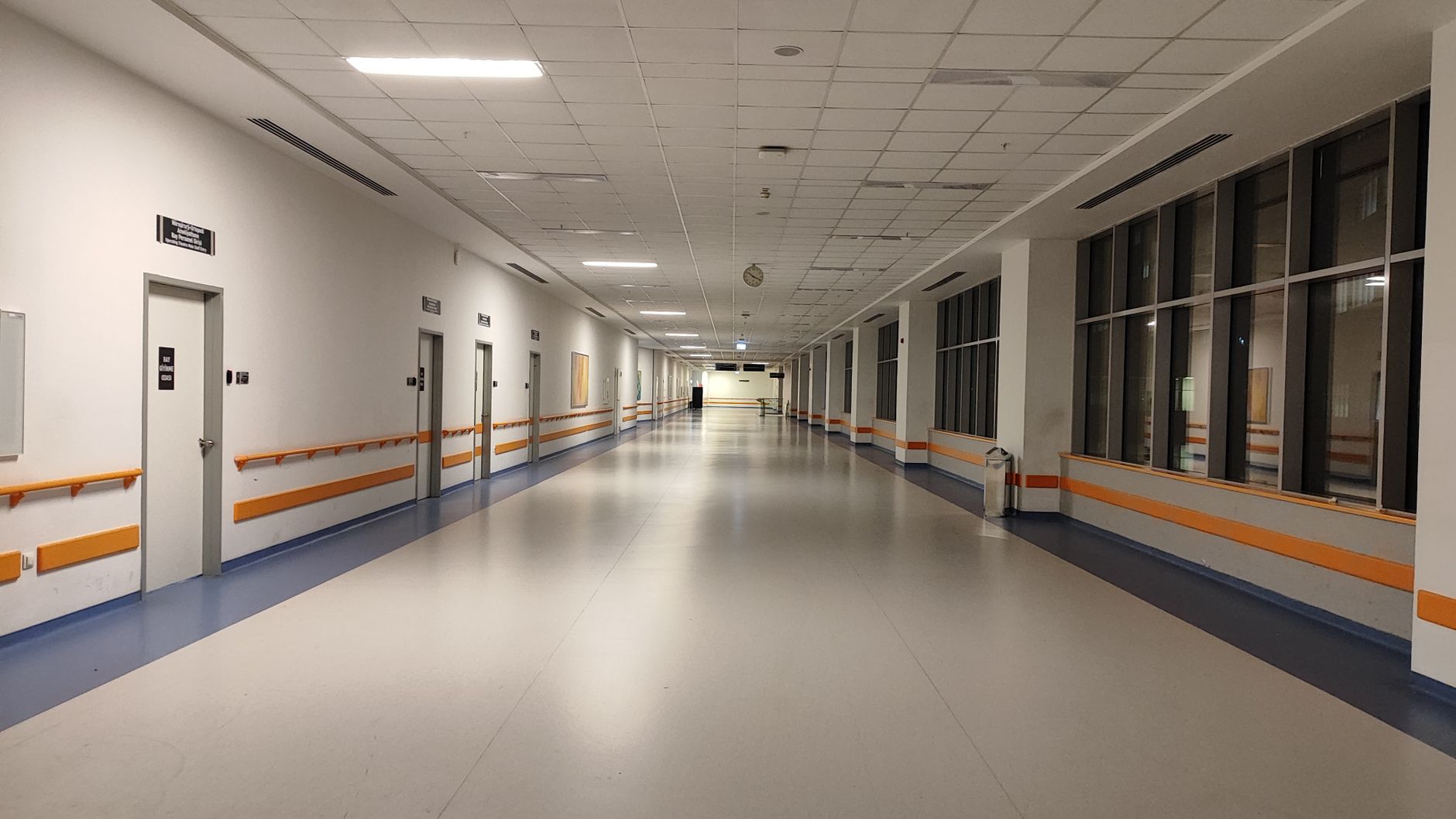
The sites that suit this work best are large, mostly open floors with a predictable overnight window. Warehouses, distribution floors, large retail stores and clinic corridors fit that pattern. Carpeted rooms, restrooms and tight edges usually stay with staff, which is why the zone map matters more than the square footage alone.
What does the local labor market mean for this work?
The workforce is large and growing slowly. The BLS Occupational Outlook Handbook reports 2,447,700 janitors and building cleaners jobs nationally in 2024, with a projected change of 47,800 jobs for 2024 to 2034 and projected growth of 2%, which BLS labels slower than average. Slow projected growth means a site cannot count on the labor pool widening to fill open shifts. The BLS page does not give an occupation-level turnover rate, so this page does not put a turnover figure on the work.
For Buffalo specifically, the local janitor headcount and wage sit in the BLS OEWS tables for the Buffalo-Cheektowaga-Niagara Falls metro area. We did not verify the local headcount in this pass, so pull that table before setting a staffing assumption. A regional jobs article citing BLS data as of May 2024 ranked janitors and cleaners 43rd among the lowest-paying jobs in Buffalo, which places this work near the bottom of the local list and puts shift coverage at the center of the decision.
Adoption is still early. An ISSA survey from 2019 contacted nearly 23,000 building service contractors, in-house providers and facility managers, and described adoption as an infant stage. About a third of non-adopters said they were somewhat likely to adopt within a year. The survey is older, so treat it as a sign of direction rather than a current rate.
How many labor hours does the robot take over?
This page does not give an hour figure for a Buffalo floor. The search pass did not find verified hours per shift for floor scrubbing at sites like these, and any number here would be a guess. The right source is your own shift record. Time one full pass by today's crew, count the passes per night, and note the setup and the edge work that stays with staff.
The table below lists the tasks the robot takes over and the work that remains. Read the today column against your own logs, then ask for the route and time estimate during the site assessment. The gap between the two columns is the number that feeds the lease decision.
How does leasing through financing work, and what does the quote include?
Service Robot Co. leases robots through financing, so a business keeps its capital free for other work instead of tying it up in equipment.
The lease payment is a fixed lease payment set in the quote, and it comes after a free site assessment because the number depends on the floor, the shifts, the zones and the unit count. A quote from us should show the unit count, the term, the deployment and integration work, staff training, service terms, response expectations for a stopped unit, and whether software and insurance are included.
The term is set in the quote for each site, so ask for the option that matches your planning horizon. A pilot on one leased unit is a sensible way to test a Buffalo site before adding units. Start with one leased unit, measure its route against your shift logs, and expand only where the numbers hold.
What can a cleaning robot not do?
A floor scrubbing robot works best on level, hard floors with a clear path. It does not climb stairs, clean restrooms, handle a spill that has not been reported, or replace hand work on edges, corners and fixtures. Those tasks stay with staff, so they belong in the hours comparison.
It also cannot fix a route that was planned badly. If the map misses a blocked aisle or a seasonal wet spot, the robot will repeat the gap every night. That is why the site assessment and the first weeks of live running matter more than the machine itself.
Frequently asked questions
Put a robot to work in Buffalo.
We walk your site, learn the job, and recommend the unit that fits. Then we quote the lease, deploy it, and keep it serviced.
Sources
- Bureau of Labor Statistics, Occupational Outlook Handbook, janitors and building cleaners
- Bureau of Labor Statistics, occupational employment and wages, Buffalo metro area
- Bureau of Labor Statistics, injuries and illnesses release on 2024 data
- National weather news article citing National Weather Service data
- National Weather Service, Buffalo station digest
- ISSA autonomous cleaning survey, 2019
- Regional jobs article citing Bureau of Labor Statistics data as of May 2024 (secondary)