
The short answer
The cleaning robot cost in Boston is set by the site, not by a list price. It depends on floor area and layout, surface type and foot traffic, shift timing, the number of units, and the mapping, integration and service work behind each unit. Boston's large janitorial workforce and the injury record for this work make the hours moved to an unattended machine the number that matters, and a lease payment is quoted only after a free site assessment.
Key takeaways
- Floor area, layout and shift timing set the cost at a Boston site.
- Mapping, integration and service are the costs people most often leave out of a comparison.
- Boston's tall downtown office stock adds setup work for multi-floor and elevator routes.
- A lease quote comes after a free site assessment and is built on your building's own hours.
- Injury data for janitorial work makes hours moved to a machine a safety question as well as a cost question.
What is the cleaning robot cost in Boston?
The cleaning robot cost in Boston is set by the site, not by a list price. It depends on how much floor the robot must cover, how the space is laid out, the surfaces and foot traffic, the shifts it runs, the number of units, and the work of mapping, integrating and servicing each machine. The fair comparison is the fixed robot lease payment in a written quote against the labor hours the robot takes over, and that comparison only holds once the site has been measured.
Labor is the reference point. Boston has a large janitorial workforce, and the work is physically demanding and carries real injury exposure, so the useful question is which hours of floor care can move to an unattended machine and what it takes to keep that machine running. The answer varies from building to building, which is why a quote starts with a walk rather than a catalog.
What moves the cost up or down at a Boston site?
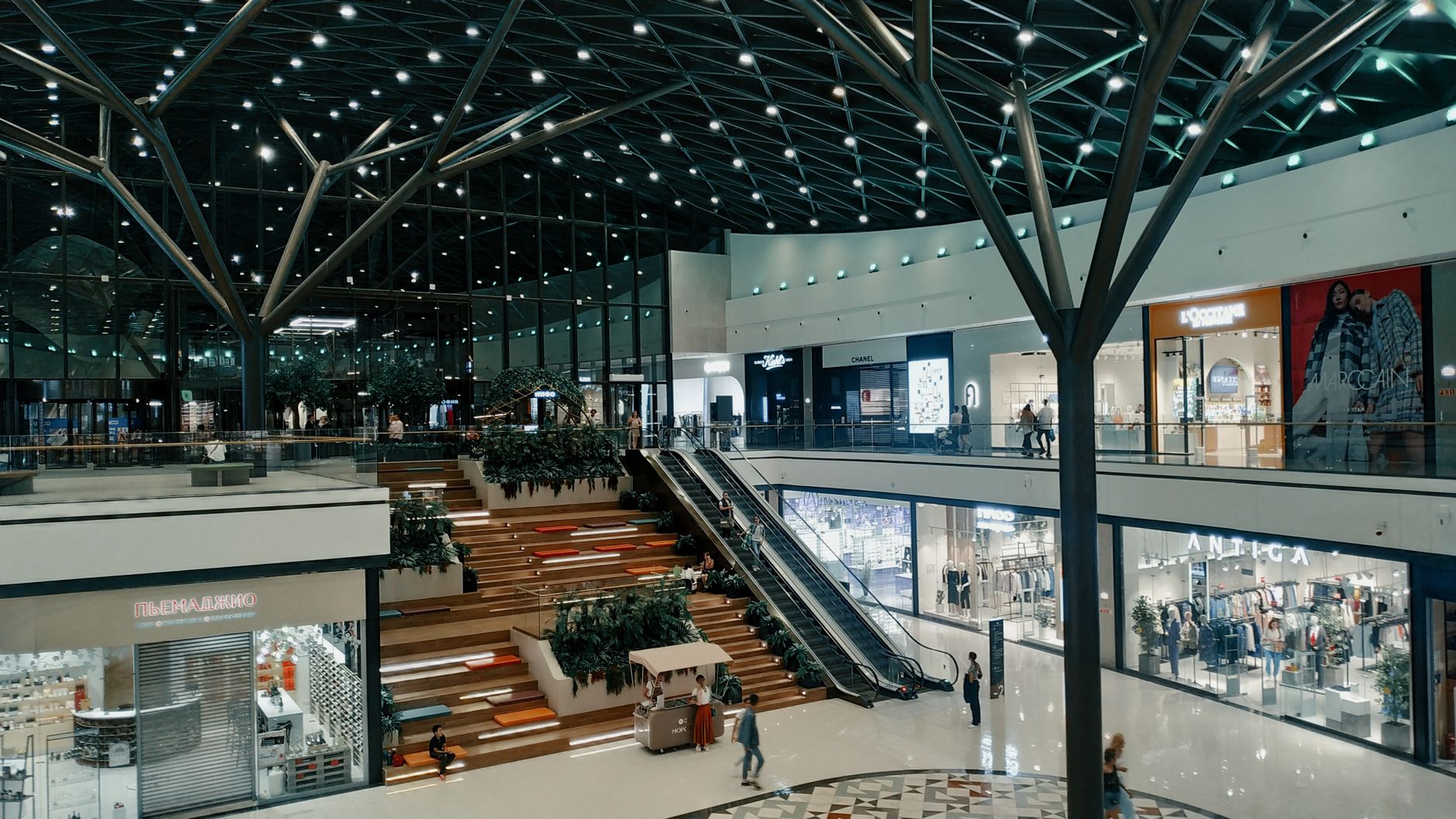
Floor area and layout come first. A single open retail floor or a long warehouse aisle is simple to route. A lobby split by stairs, glass partitions, service corridors and two elevator banks needs more mapping, more route planning and often more passes, and each of those adds setup time before the first unattended run.
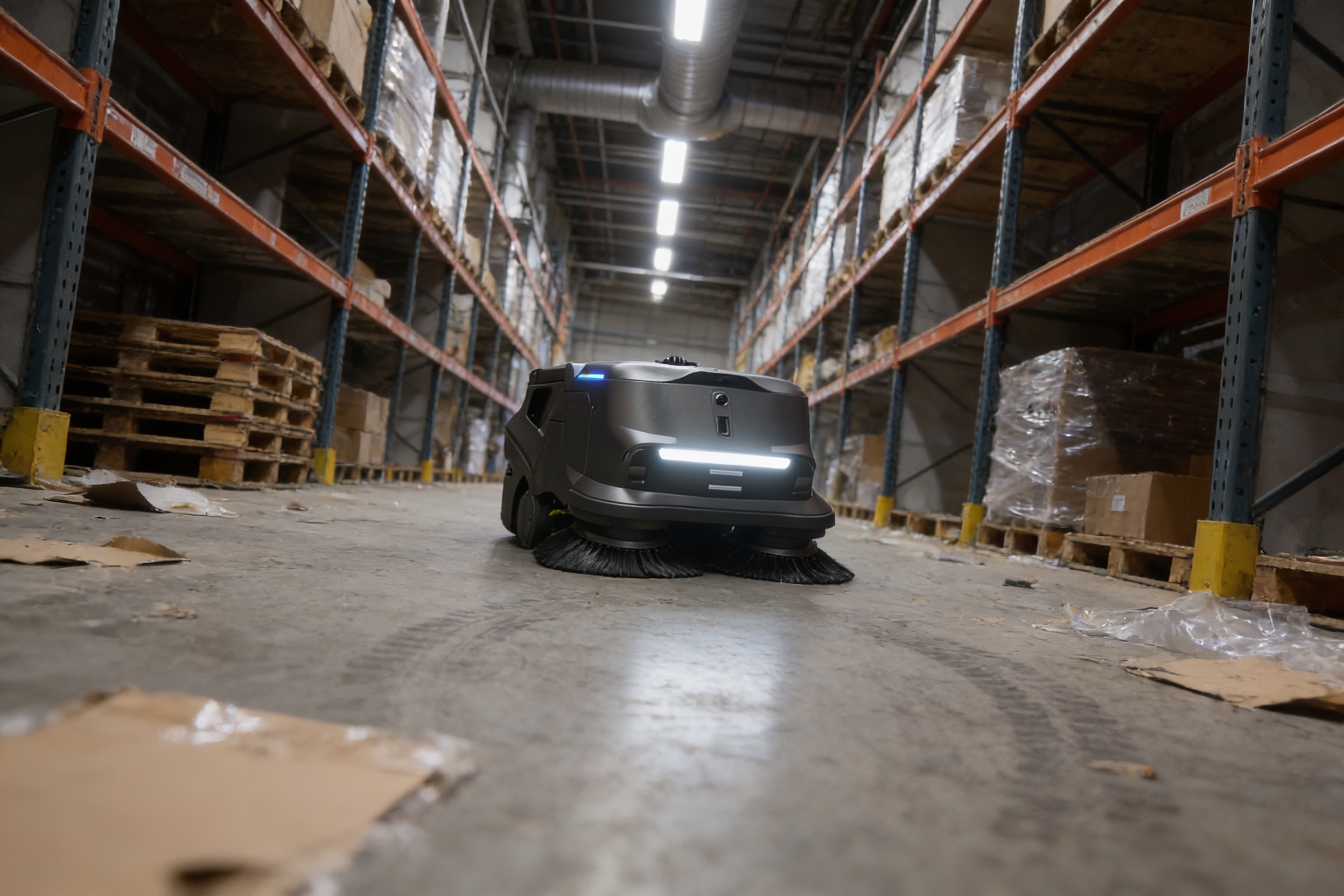
Surfaces and traffic come next. Sealed concrete, tile and polished stone suit floor scrubbing, while carpet, thresholds and worn transitions need different handling. Heavy foot traffic at entrances leaves debris that staff must clear before the run, and that decides whether the robot covers a zone once or needs a second pass.
Shift timing matters as much as coverage. An overnight run with no operator on site moves hours away from daytime labor. A daytime run near staff and visitors adds safety zoning and slower speeds, which reduces coverage per hour and changes the quote.
The number of units is a separate line. One unit covers one route. A second unit adds coverage or a backup for downtime, and the quote prices each unit and its service coverage on its own line.
Mapping and integration are the last large driver. A single building on one floor plan, with doors and building systems that connect cleanly, costs less to set up than a multi-tenant campus with several elevators, access agreements and restricted zones.
How big are Boston's buildings, and what does that mean for coverage?
The Carbon Free Boston buildings technical report, hosted by Boston University, counts more than 86,000 buildings in the city with more than 647 million square feet of area. About 93 percent of those buildings are residential, and floor space is split roughly evenly between residential and non-residential. Commercial space is a small share of buildings but a large share of the square feet a cleaning crew or robot must cover.
The Downtown Boston Alliance 4Q25 quarterly report puts commercial inventory in its district at about 24.6 million square feet. It says high-rise space is about 64 percent of that district's office square footage, and that downtown held more than half of Boston's office stock in 2024. Tall buildings bring elevator banks, long lobby runs and several floors per tenant, and each of those adds routing and setup work.
An older Boston Planning Department figure from 2003, about 69.7 million square feet of office use across 1,704 parcels, is dated, but it shows how many separate parcels a single office inventory covers. Each parcel needs its own site walk, and a robot plan does not carry from one building to the next without checking.
Who does this cleaning work in Boston, and what is the labor like?
The Bureau of Labor Statistics Occupational Outlook Handbook counted about 2,447,700 janitors and building cleaners nationally in 2024. It projects employment to grow 2 percent from 2024 to 2034, which is slower than average, and it expects about 351,300 openings a year, mostly from replacement needs rather than new jobs.
For Boston, the most recent figure I could verify is the Occupational Employment and Wage Statistics count for the Boston-Cambridge-Newton division in May 2017: 31,580 janitors and cleaners. The metro definition has changed since then, so that number is not directly comparable to today, and I did not verify a newer Boston count for this page. Treat it as a size reference, not a current headcount.
Replacement-driven openings are the practical sign of turnover. A crew that loses people has to rehire and retrain, and the cost of that churn sits behind the hours on the timesheet.
The injury record is part of the labor picture. In 2019, the BLS injury snapshot for janitors and cleaners recorded 157.4 cases with days away from work per 10,000 full-time equivalent workers in private industry, against 86.9 for all occupations. In 2020, floors, walkways and ground surfaces were the top source of cases with days away from work, at 4,910 of 21,100 cases. Fatal injuries for the group ranged from 52 in 2017 to 42 in 2020.
Which hours does the robot take over?
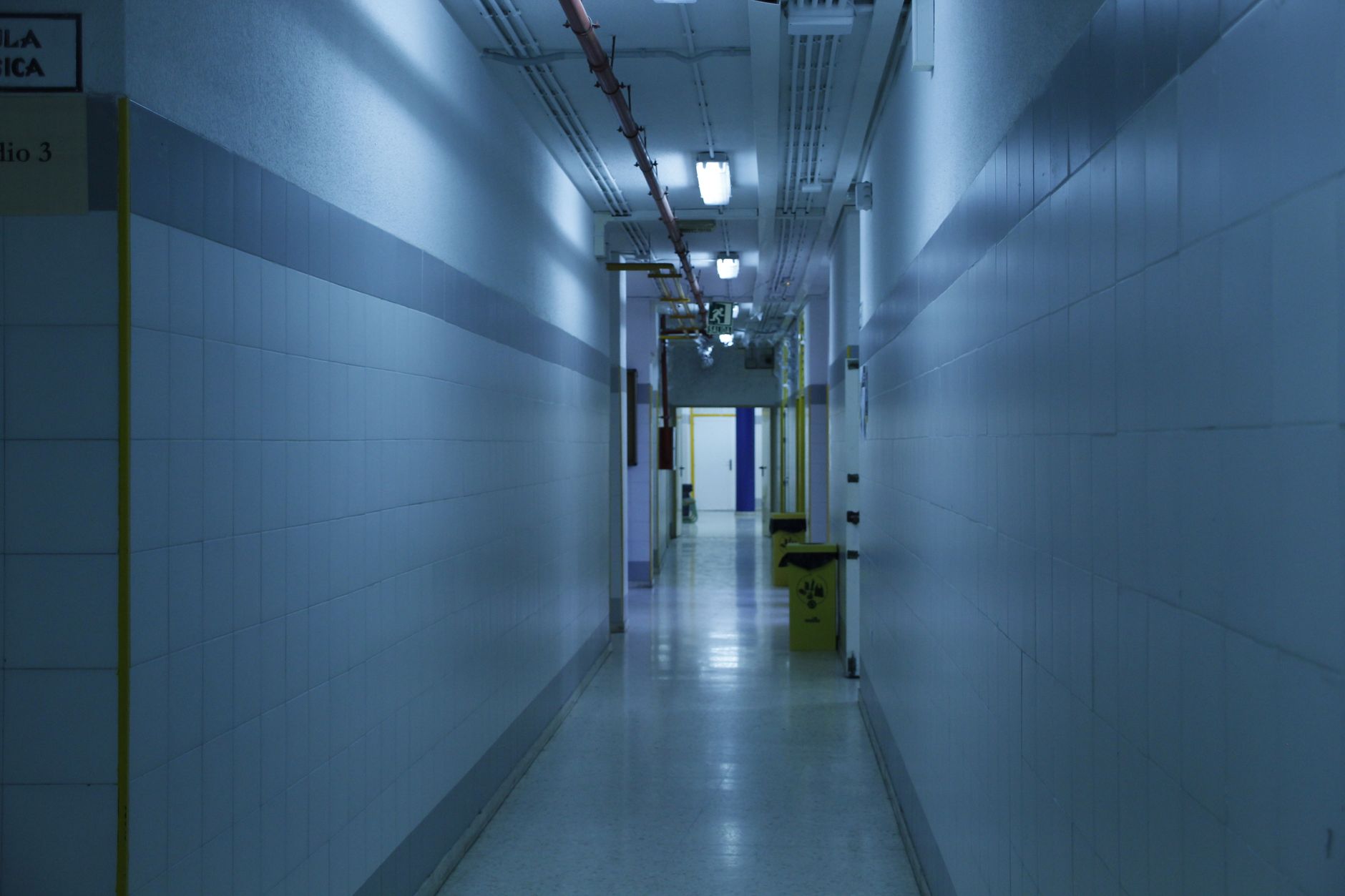
Hour counts depend on the building, so this page uses the site walk and the crew's own logs instead of an average. A robot takes over the repeated floor passes: aisles, corridors, lobby floors and stairwell landings that a crew covers on a schedule. Crews keep the tasks that need hands or judgment, such as restrooms, glass, spills, trash and detail work.
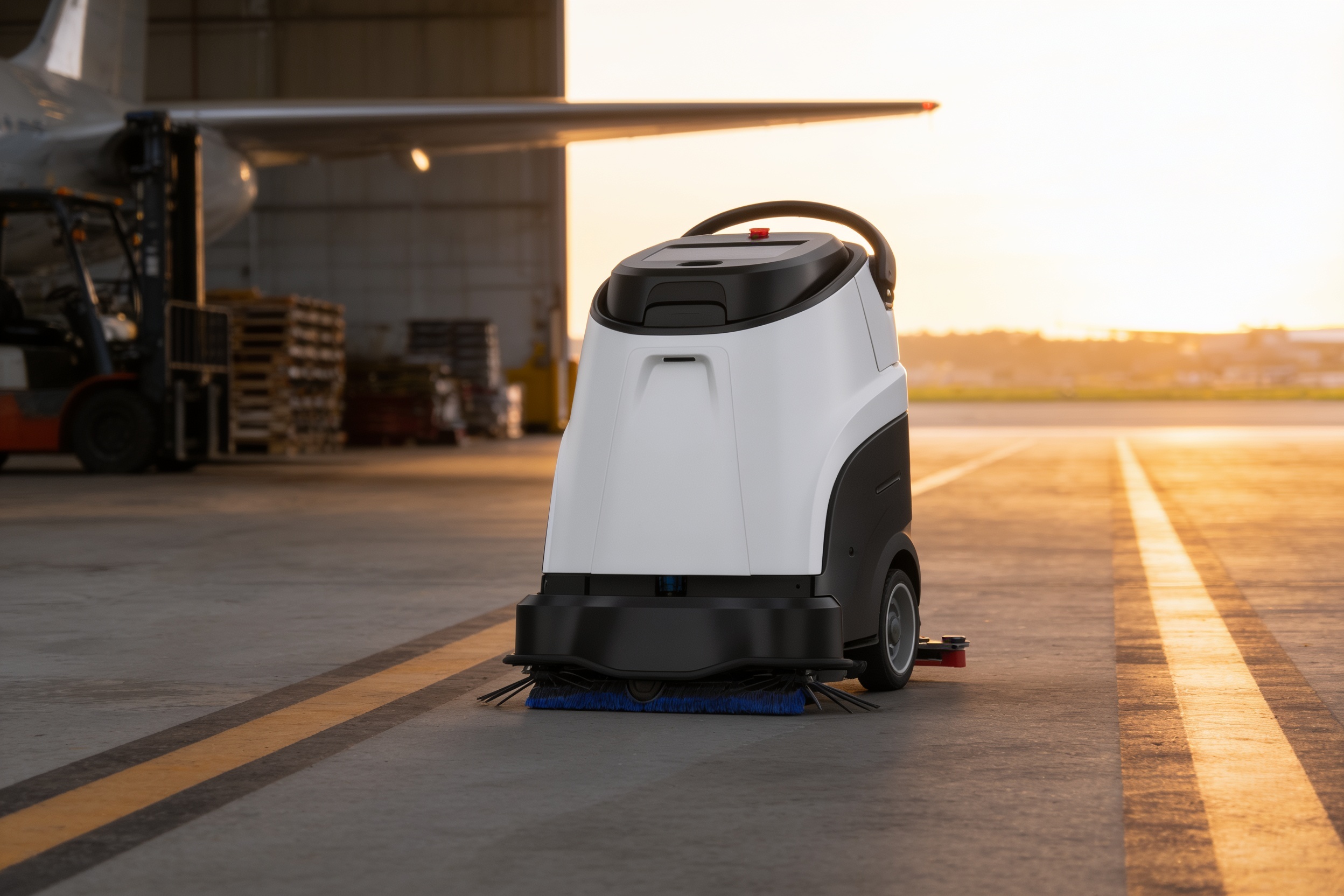
Vendors publish throughput ceilings for floor scrubbers, but the studies I found did not measure hours per night for an autonomous scrubber in a building like yours. Treat any ceiling as a starting point, and let the site assessment time the actual route, stops and charging.
What costs do people miss besides the robot itself?
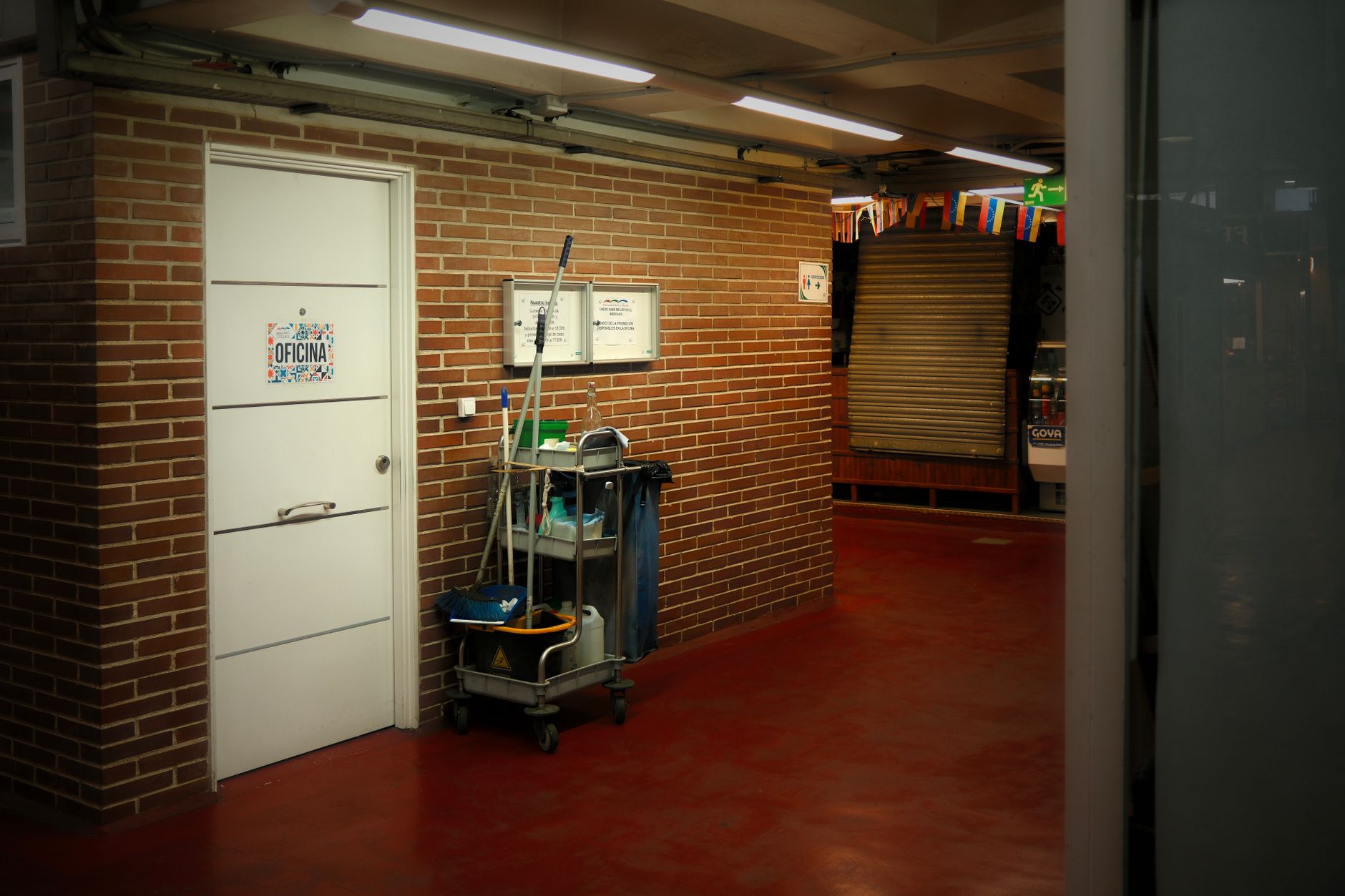
Mapping is the first one. The first route build takes staff time on site and a floor plan that matches the real space. Moved racks, new partitions or changed furniture can require a remap, so ask who does it, how long it takes, and whether it is included.
Software and integration come next. The robot may need to connect to doors, elevators or building systems, and each connection is site work. A building with several tenants also needs access agreements before the robot can enter shared corridors.
Maintenance, parts and insurance are the costs people miss most often. Brushes, filters, batteries and sensors wear out, and a stopped machine is downtime for the floor. Ask whether maintenance is included, how fast a technician reaches the site, and who is liable for property damage or injury while the robot runs. Your quote should state whether liability coverage is included.
We cover mapping in the site assessment, integration and deployment, staff training, and service nationwide, including remote triage and on-site dispatch. Training covers the supervisor role as well as the operators, so the building does not depend on one person who knows the route.
How does leasing through financing work, and what does the quote include?
We lease the robot through financing. You do not pay the full equipment cost up front. Instead, the agreement is a lease with a fixed robot lease payment over the term, which makes the cost easier to budget against the hours it replaces. Lease financing programs vary by credit, term and equipment, so the written quote sets the exact terms.
A quote covers the robot lease, site integration and deployment, staff training, and the service plan, including remote triage and on-site dispatch. It also lists what sits outside the quote, such as building work, extra units or access upgrades. We put every line in writing so nothing appears later in the fine print.
Because the quote follows a free site assessment, the number reflects this floor, these shifts and this mapping work, not a generic estimate. That is the point of the walk: the lease payment and the hours it covers come from the same measurements.
What can a cleaning robot not do?
A floor robot does not clean restrooms, wipe glass, empty trash or handle spills that need judgment. Stairs and ramps need careful route planning or stay with the crew. A robot also stops at obstacles it cannot classify, so loose cables, stacked stock or chairs left in the path cause stops that someone has to clear.
It does not replace a supervisor. Someone still checks the route, responds to a stop and confirms the floor is ready for opening. In most buildings the robot reduces hours on the floor rather than removing the job, and the crew's remaining work shifts toward the tasks that need hands.
Be careful with claims of full coverage in one night. Coverage depends on the scrubber's speed, the route length, the number of stops and the charging plan, so ask for a timed walk on your floor rather than a brochure figure.
How do I get a cleaning robot quote in Boston?
Start with the site walk. Send a floor plan if you have one, the hours the building is empty, the surface types and the entry points. The free site assessment measures coverage, and the written quote follows with a fixed robot lease payment, integration, training and service.
Bring crew logs or schedules if you have them. Hour figures from your own building are more reliable than any average, and they show whether one unit covers the route or two are needed.
We are a vendor-neutral robot integrator. We pick the robot that fits the floor, lease it through financing, deploy and integrate it, train the staff and service it nationwide. Compare quotes on coverage hours, service response and the full list of terms, not on the lease payment alone.
Frequently asked questions
Put a robot to work in Boston.
We walk your site, learn the job, and recommend the unit that fits. Then we quote the lease, deploy it, and keep it serviced.
Sources
- Bureau of Labor Statistics, Occupational Outlook Handbook: Janitors and Building Cleaners
- Bureau of Labor Statistics, Occupational Employment and Wage Statistics, Boston-Cambridge-Newton, May 2017
- Bureau of Labor Statistics, Injury and Illness Snapshot: Janitors and Cleaners
- Carbon Free Boston buildings technical report, Boston University Open Access Repository
- Downtown Boston Alliance 4Q25 Quarterly Report
- Boston Planning Department office use inventory (2003)