
The short answer
Cleaning robot cost in Knoxville depends on how much usable floor the robot must cover, when the building is clear for it to run, how its surfaces and layout map, and what integration and service the site needs. Labor hours set the case, so the comparison starts with the crew time a site already spends on its floors. Leases are quoted only after a free site assessment, which measures the floor you actually have rather than a generic estimate.
Key takeaways
- The cost turns on usable floor area, clear hours, surfaces and mapping, not on a single list price.
- Measure your existing crew hours by shift before comparing any two quotes.
- BLS projects about 351,300 janitor openings a year nationally, mostly from workers leaving the occupation.
- Read every quote line for mapping, training, software, maintenance, insurance and service.
- A free site assessment comes first, and the fixed lease payment is set from the floor you have.
How much does a cleaning robot cost in Knoxville?
A cleaning robot cost in Knoxville is set by the site, not by a list number. Two buildings of the same size can get very different quotes if one has open floors and the other has narrow aisles, stock racks, and a night schedule that keeps staff on the floor. The useful question is what the robot must cover, when it must run, and what support the site needs to keep it working.
This page does not publish a figure, because the fixed robot lease payment is written only after a free site assessment. What follows covers the factors that move the number, how labor hours change, the hidden costs to expect, and how a lease through financing is structured. Use it to prepare for that assessment, not as a substitute for it.
How large is the Knoxville market for commercial cleaning?
The Knoxville metro had 957,608 residents on July 1, 2024, according to FRED, which publishes the U.S. Census Bureau metro population estimates. USAFacts reports that the metro grew from 816,100 people in 2010, a 17.3 percent increase over that period. Growth like that means more retail, medical, school and office space, and more hard floors that need regular care.
This page does not count Knoxville businesses by type. We did not verify those counts in this research pass, so the metro size is context for demand, not a market estimate. The real driver of your number is the floor you own or manage, measured on site.
What drives the cost of a cleaning robot at a Knoxville site?
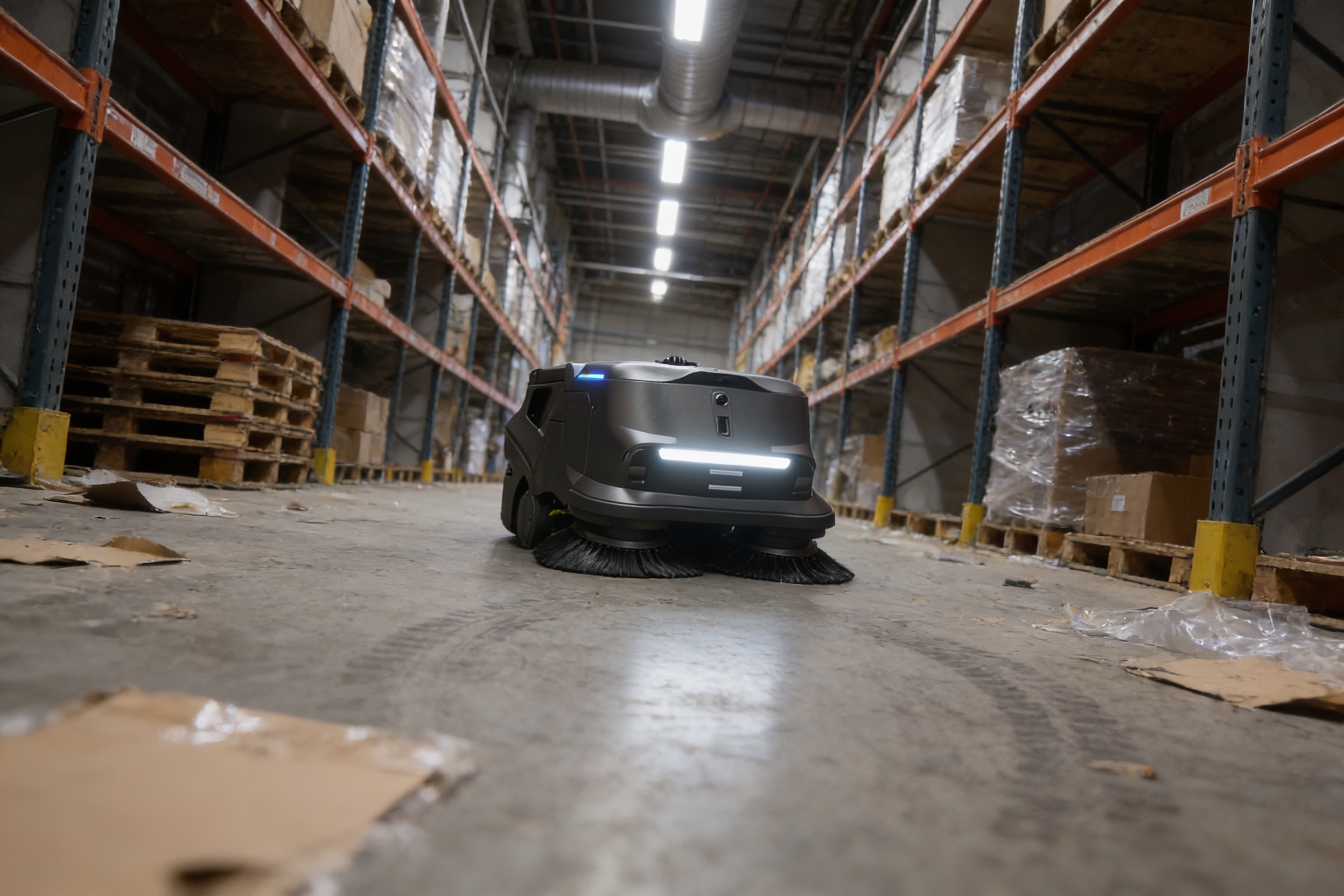
Floor area is the largest factor because it sets how long the robot runs and how many units the job needs. A single unit may cover a warehouse aisle system in one night, while a large retail floor with open zones and display islands can need a second unit or a longer run. We measure usable floor, the area the robot can actually drive, rather than the gross square footage on a plan.
Surfaces and layout come next. Smooth sealed concrete and tile are the easiest cases. Thresholds, ramps, carpet zones and tight gaps between fixtures add mapping work and can leave edges that need manual cleaning. A floor that is clear at the start of the run is far easier than one full of pallets or stock carts.
Shift pattern and traffic matter as much as area. A building that empties at night can run the robot unattended, while a space that stays busy through the night needs routes that work around people and a stop rule when someone is in the path. Mapping and integration add cost where the robot must interact with doors, lifts, access control or building systems.
Finally, the number of units, the service response you need, and whether staff will set up and check the robot all shape the quote. A site that wants fast response across several floors costs more to support than a single floor with a planned night run, and the assessment is where those tradeoffs become one written quote.
How many labor hours does a floor robot take over?
Hours are the clearest test of the case. A vendor case study of a US hospital network reports that total manhours per night fell from 16 to 5, and scrubbing hours fell 50 percent. Those figures come from one hospital network and from the vendor that sold the system, so read them as direction rather than a forecast.
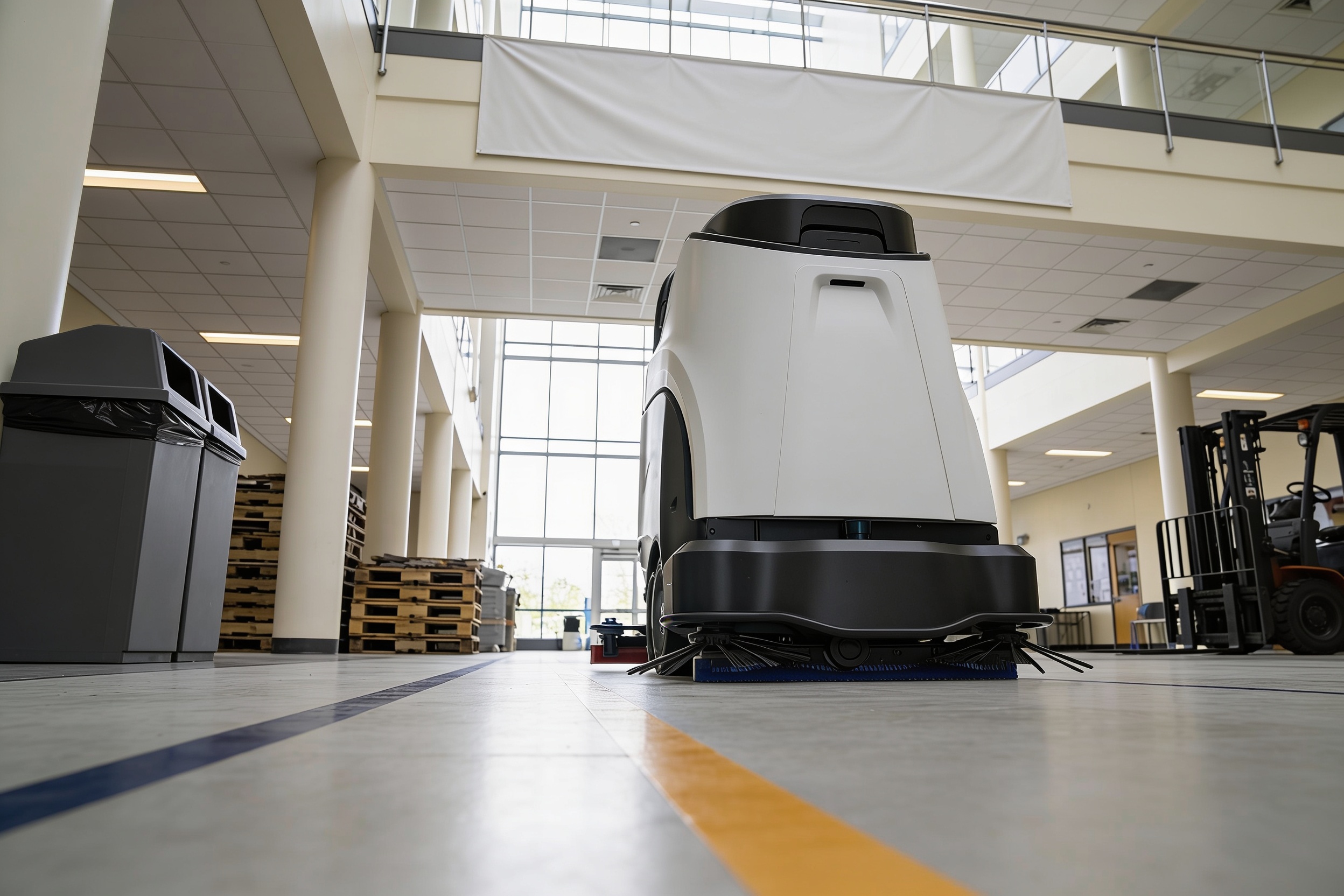
Trade press on a Canadian logistics site describes a deployment that cleaned about 3.5 million square feet and saved more than 300 labor hours compared with conventional cleaning. A custodial employee set up and started the robot, usually overnight, which is the staffing pattern most sites should expect. The robot took the repetitive passes, and people kept the setup and checks.
A vendor case study of a Canadian building cleaning contractor reports autonomous cleaning typically running about 20 hours a week, with some weeks above 30, and staff moved toward detailed work. That is the division of labor to plan for: the robot handles long, repetitive floor passes, while people handle corners, restrooms, spills and inspection.
We measure your own hours by shift during the site assessment, so the labor comparison uses your schedule and not someone else's. Those measured hours are the base of any cleaning robot cost in Knoxville comparison, and they are what the quote should be checked against.
Who runs cleaning robots in Knoxville, and what does the labor look like?
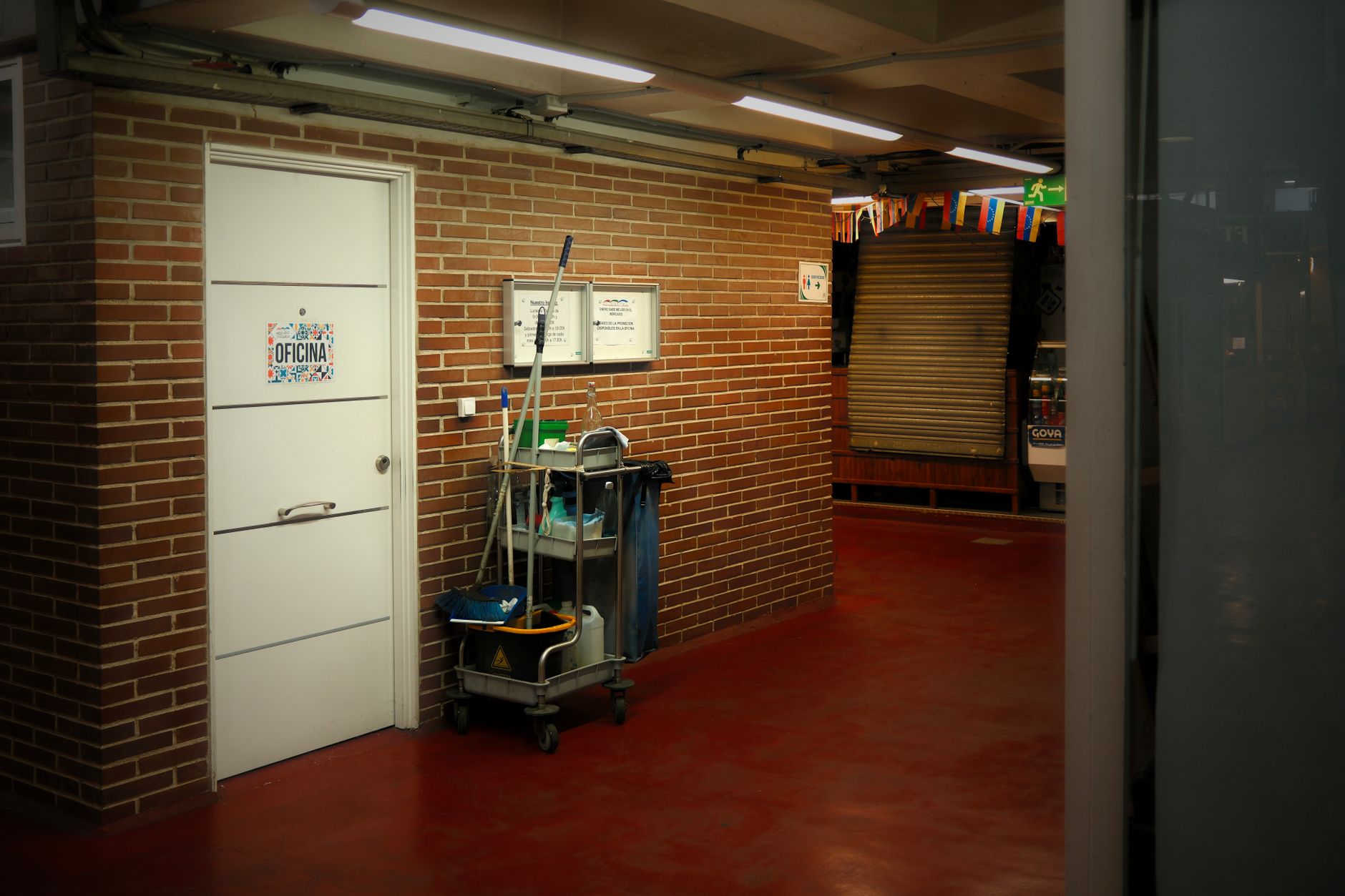
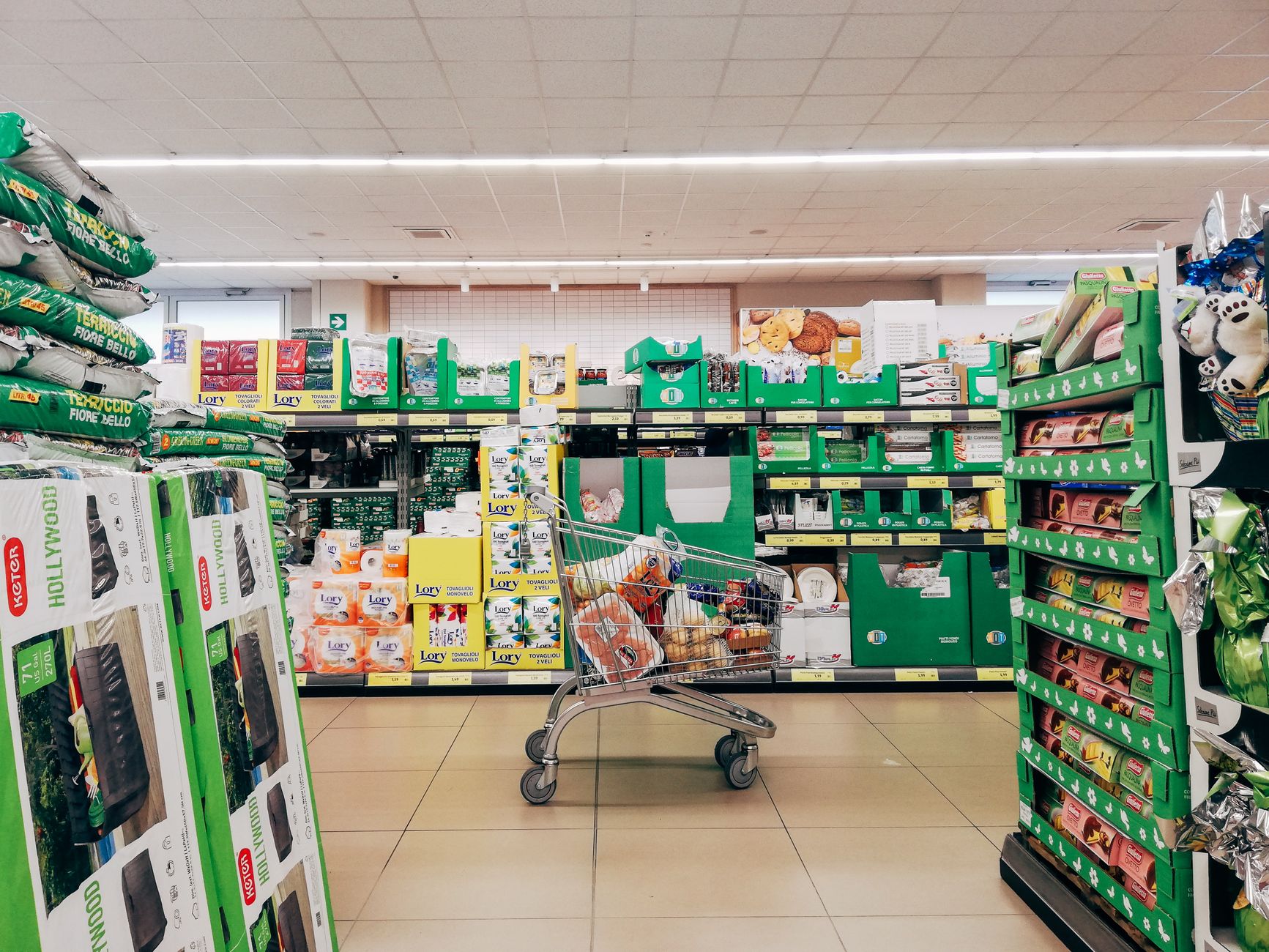
The sites most likely to run floor robots in Knoxville are those with large hard-floor areas, a predictable overnight or early-morning window, and steady foot traffic: retail stores, warehouses and distribution sites, clinics and hospitals, schools and campuses, gyms and event venues, and office buildings. This is a list of common fit, not a count of how many such sites exist in the metro.
Labor is the main constraint. According to the BLS Southeast regional release for May 2024, the Knoxville metro's average hourly wage for all occupations ran below the national average, so pay pressure is local as well as national. Nationally, the Bureau of Labor Statistics counted about 2.4 million janitors and building cleaners in 2024 and projects 2 percent growth through 2034, slower than average.
The BLS also projects about 351,300 openings a year on average, mostly from workers who leave the occupation. That turnover is the staffing cost managers feel most: recruiting, training and covering empty shifts. Injury risk adds to it, since a compilation of federal injury data reports 2.5 injury and illness cases per 100 full-time workers in janitorial cleaning in 2024, against 2.3 across private industry.
How does leasing through financing work?
A lease through financing lets a business put a robot to work without a large payment up front. The business makes a fixed robot lease payment for the term in the agreement, and the quote shows that payment with what it includes. The term, any deposits and end-of-lease options belong in the written lease, not in a sales conversation.
We pick the robot for the site, arrange the financing, deploy and integrate the unit, train the staff, and service it nationwide. Keeping those steps with one integrator means one team answers for the install, the software and the repair, instead of several vendors pointing at each other when a run fails.
Because the quote is written after the site visit, the payment reflects the real floor, the real shifts and the real number of units. If the site changes, such as a new wing or a new night schedule, the assessment can be repeated and the quote revised before anything is signed.
What can a cleaning robot not do?
A floor robot repeats passes on known routes. It does not climb stairs, will not handle steep ramps, and cannot step over high thresholds. Clutter such as loose cables, pallets left in aisles and stock carts blocking a route stops the run until someone clears it, which is staff time the robot does not save.
It is not a full janitorial crew. Corners, restrooms, fixtures, glass and spill response still need people. Surfaces that change often, such as floors wet after events or heavy carpet, may need manual care or a different machine altogether.
The map is the robot's memory. If the layout changes a lot, such as a remodel or a reset of shelving, the map must be updated before the robot works well again. The assessment identifies these limits before the lease, so the decision rests on the floor you have and not on a showroom layout.
How do I get a quote after a free site assessment?
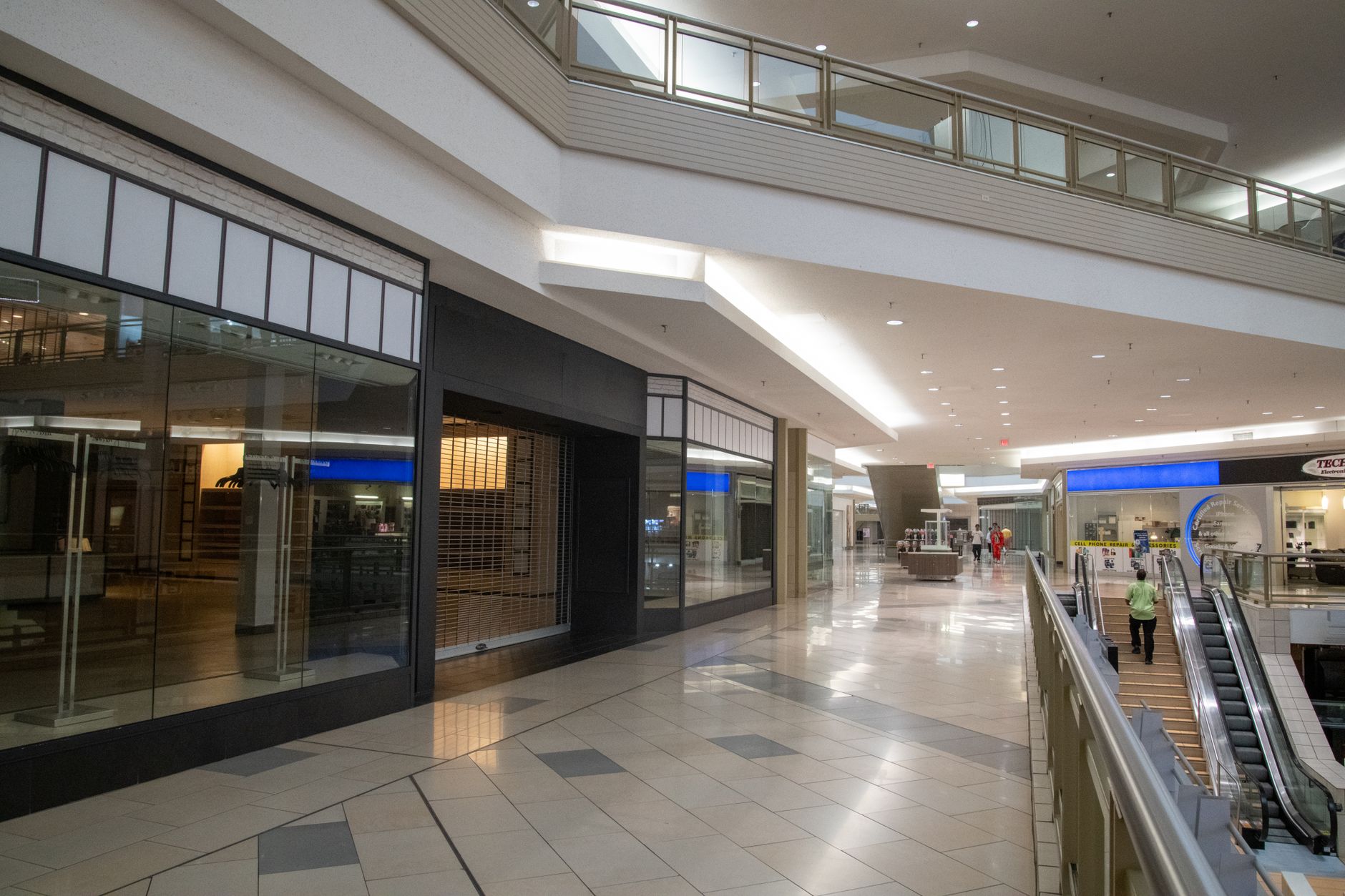
Start with the floor. Tell us the building type, the usable floor area if you know it, the hours when the floor is clear, and the surfaces and obstacles you already know about. The site assessment is free, and during it we map the floor, measure traffic, check integration points and time the existing work by shift.
The quote returns the lease payment, the term, the number of units, the service plan, and what deployment and training include. Compare quotes on those lines together, not on the payment alone, because a low payment with thin service can cost more in downtime when a unit stops during a run.
Bring existing labor hours by shift and any incident records you keep. Those two inputs let us show, in your numbers, how many hours the robot would take over and which tasks stay with staff. That is how to judge the cleaning robot cost in Knoxville against what your building actually needs.
Frequently asked questions
Put a robot to work in Knoxville.
We walk your site, learn the job, and recommend the unit that fits. Then we quote the lease, deploy it, and keep it serviced.
Sources
- FRED, St. Louis Fed, Knoxville metro population series
- USAFacts, Knoxville metro population
- U.S. Bureau of Labor Statistics, Southeast regional release, Knoxville metro wages, May 2024
- U.S. Bureau of Labor Statistics, Occupational Outlook Handbook, janitors and building cleaners
- Compilation of federal injury data, janitorial cleaning 2024
- Trade press, Canadian logistics site floor scrubbing deployment
- Vendor case study, Canadian building cleaning contractor
- Vendor case study, US hospital network, 2023