
The short answer
Drone cost for commercial rooftops depends mainly on how much roof there is, how hard it is to reach and document safely, how often inspections repeat, and how much of the data work the owner wants handled. Drones let an inspector capture high-resolution images of membranes, flashing and HVAC curbs without walking the roof, which removes most of the fall exposure that makes roof work dangerous. The lease quote is set after a free site assessment, because the roof itself decides the number of flights, the pilot time and the service plan.
Key takeaways
- The roof and its access move the cost more than the aircraft does.
- Falls remain the leading cause of roofing deaths, so fewer roof walks is a safety case as well as a cost case.
- Pilot certification, mapping, software and insurance are costs owners often leave out of a first estimate.
- A lease quote comes after a free site assessment, not from a list.
- Flight time is short, but processing and report review take staff hours too.
How much does a drone cost for commercial rooftops?
There is no single number for drone cost for commercial rooftops, and anyone who quotes one without seeing the roof is guessing. The cost follows the work: how much roof area is flown, how many buildings share one contract, how often the survey repeats, what the photos must show, and who processes the results. A modest flat roof with clear access needs far less than a multi-building campus with rows of rooftop HVAC units, parapets and skylights.
The useful way to frame the question is to ask what the drone replaces. A manual inspection puts people on the membrane, the flashing and the curbs, and each trip carries fall exposure along with carrying and access time. A drone survey replaces most of that walking with flights and imagery, though it does not replace every hands-on check. The owner should decide in advance which checks must stay with a person.
Why do owners look at drones for roof inspections?
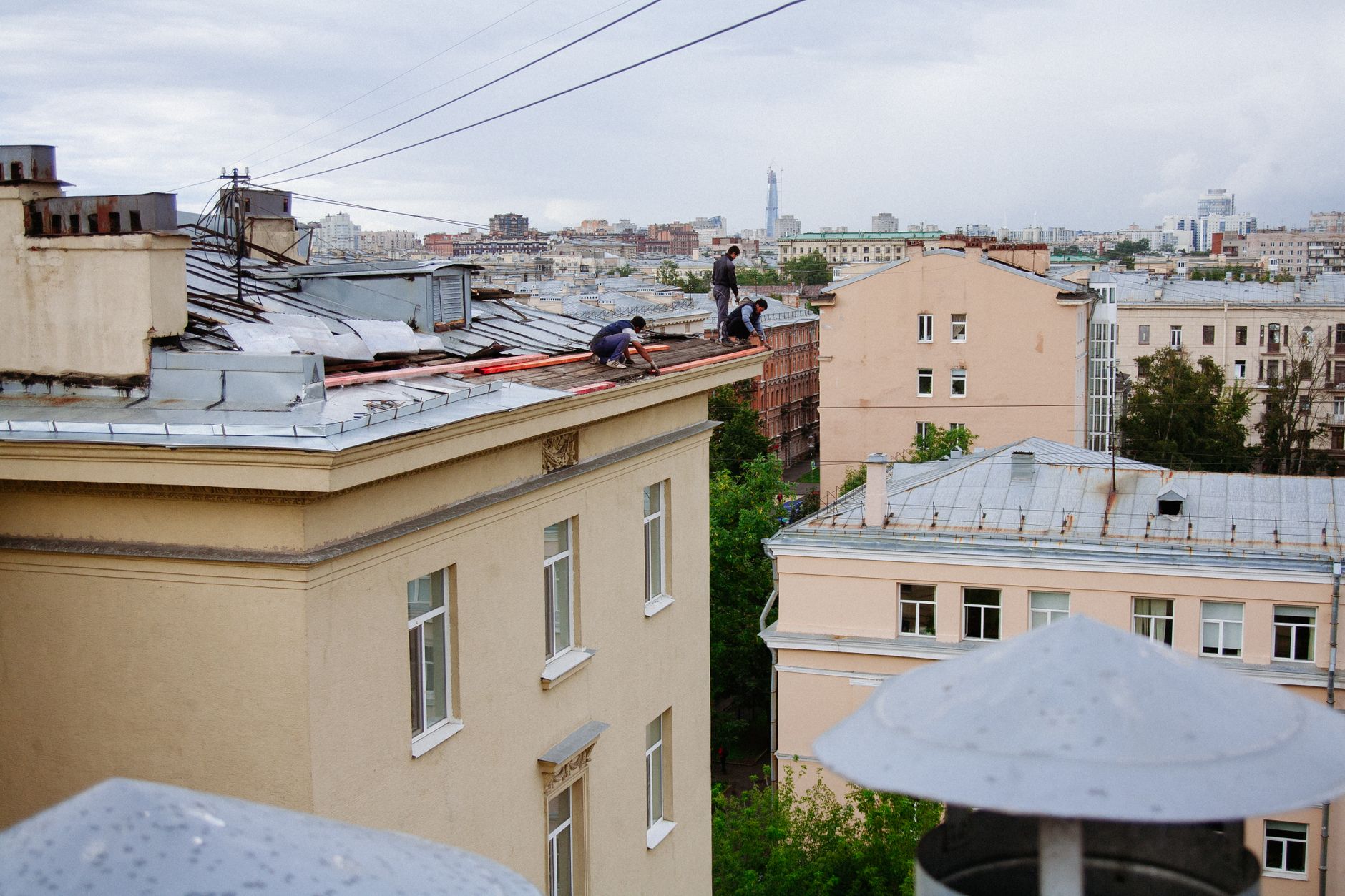
Roofing is one of the most dangerous trades in construction, and the figures explain why owners look for ways to reduce roof access. According to CPWR data summarized by ICW Group, falls are the leading cause of roofing fatalities at 76%, and roofers face over three times the fatal injury risk of construction workers generally. An OSHA figure summarized by EHS Today puts falls from roofs at 34% of all construction fall deaths.
An OSHA presentation using BLS data, summarized by Markel, reports that in 2020, 78% of roofing fatalities were from falls, with 69 of 88 roofer deaths from falls. The sources differ on exact shares because they cover different years and counting rules, so quote each one by name and year rather than blending them.
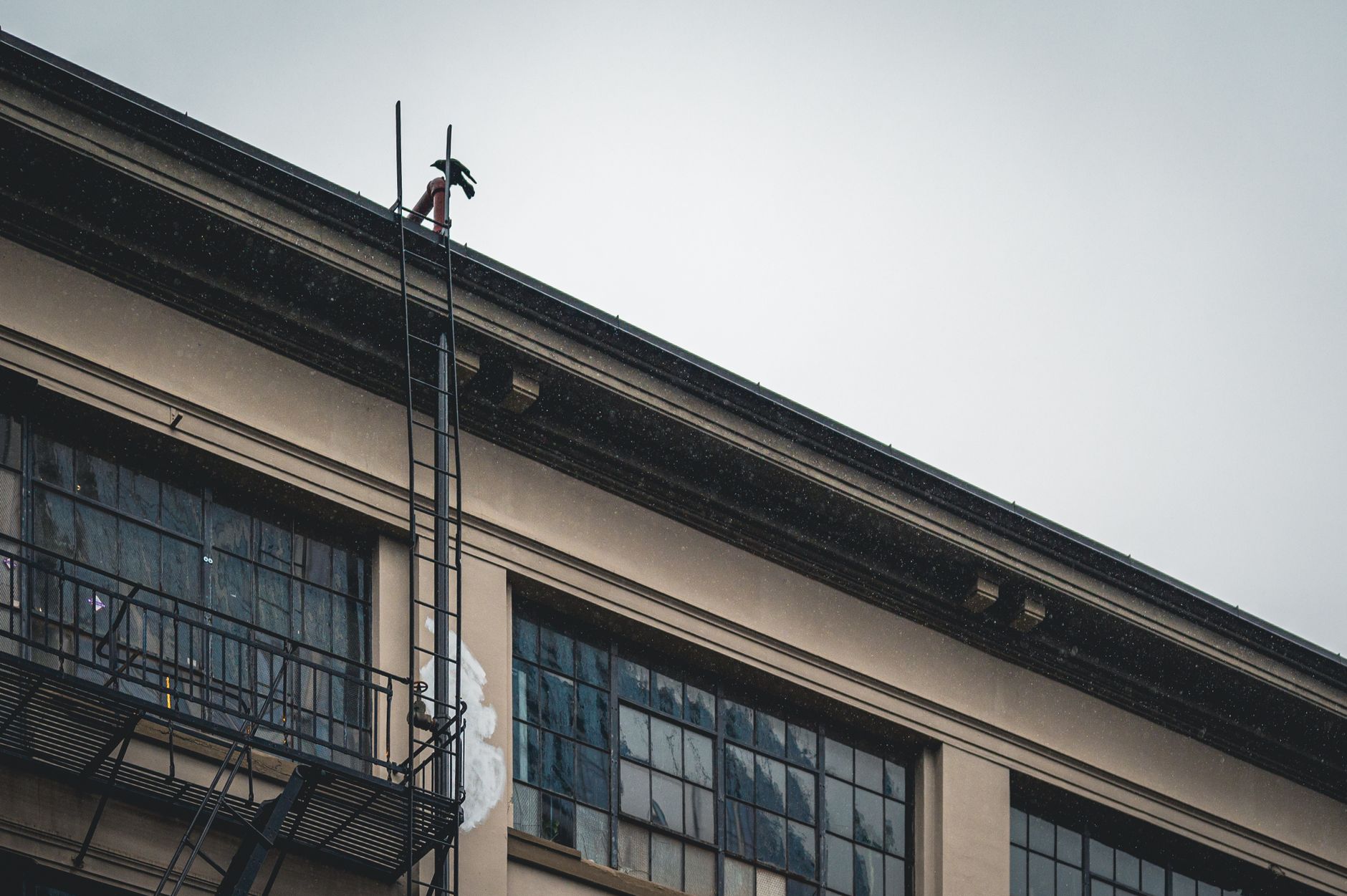
For a facility team, the practical point is that every roof walk carries exposure even when nothing goes wrong. A drone does not remove the need for a qualified person on the roof for repairs, but it can take the routine documentation trip off the list.
What drives the cost of a drone on a commercial roof?
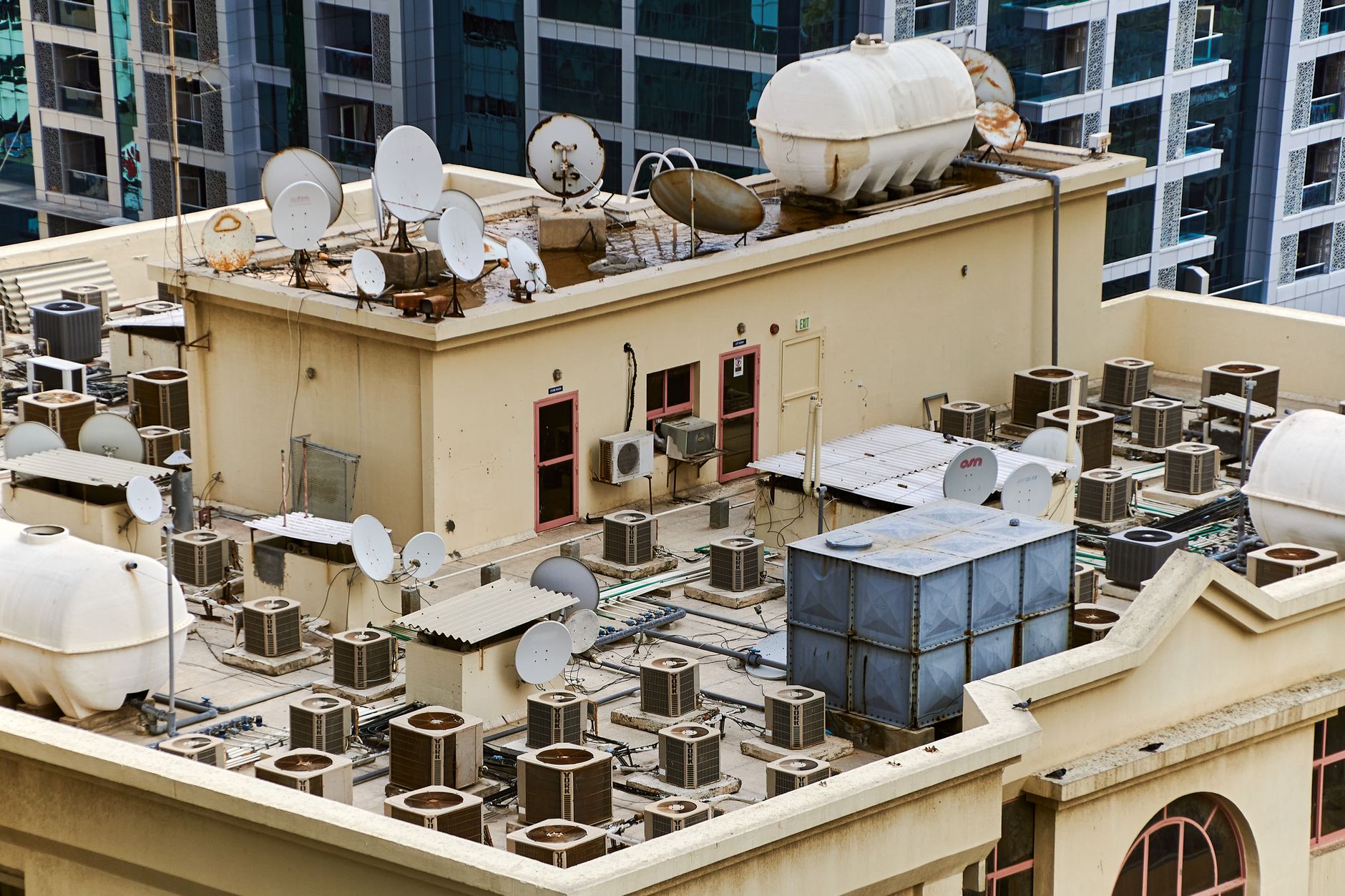
Six or seven factors move the quote most. Roof area and shape set flight time and image count. Surfaces matter because light membranes, gravel ballast, reflective coatings and standing water can wash out images and sometimes force a second pass or a different light window. Access matters because antennas, skylights and parapets dictate flight lines and clearance.
Data scope is the factor owners underestimate. A quote that covers capture only is not the same as one that includes mapping, defect tagging, a report in the owner's inspection format and storage of the imagery. Each of those adds processing time and software use after the flight, and each should be named in the quote.
Repetition and staffing also count. A one-time baseline is priced differently from a recurring survey plan. Commercial flight in the US requires a certified pilot, and the pilot population is large but not unlimited, so the availability of a qualified pilot in your region can affect scheduling as much as the price of the flight.
How many commercial buildings and how much floor area is there in the US?
The scale of the market explains why roof work is a national problem. According to the US Energy Information Administration, its 2012 Commercial Buildings Energy Consumption Survey counted 5.6 million commercial buildings with 87 billion square feet of floorspace. The median building was 5,000 square feet and the average 15,700 square feet, so most buildings are small while the total is dominated by larger structures.
The EIA preliminary results for 2018 put total commercial floorspace at 97.0 billion square feet. The building count rose 6% from 2012 to 2018, and floorspace rose 11%, which suggests the average building grew faster than the number of buildings did.
Floorspace is not roof area, and these EIA figures do not report roof area or flat roof counts. Owners should measure their own roofs rather than convert national totals, but the figures show why one contract may cover several buildings and why per-roof scoping needs an accurate site count.

How many labor hours does a drone inspection replace?
Flight time is short, and most of the hours sit in planning and review. A drone vendor's worked example, which is a single calculation rather than a study, estimates about 7.75 hours of total effort per manual survey against about 1.4 hours with drones. The same vendor's blog states that a drone roof survey can capture the roof data in under 15 minutes. Neither figure was checked by an independent measurement, so treat them as a template for your own timing rather than as a result.
The fair way to measure is to time your own crew. Record roof walks, equipment carry, documentation and report writing for one manual inspection, then time a drone pass and the review of its imagery. The difference you measure, not the vendor figure, belongs in your comparison.
How does leasing a drone through financing work?
Owners who prefer not to commit capital to aircraft can lease through financing, which spreads the cost across a fixed term and keeps the equipment on a known schedule. Service Robot Co. is a US commercial robot integrator. We pick the right aircraft for the site, lease it through financing, deploy and integrate it, train the staff and service it nationwide. The lease payment is set in a written quote after a free site assessment.
The quote should state the term, the lease payment, the flight and data scope, what maintenance is included, the response time for a failed unit, who carries insurance, training, and what happens if a unit is out of service. A quote missing any of these should be completed before it is compared with another.
What can a drone not do on a commercial roof?
A drone documents a roof, it does not repair one. It can show surface condition, ponding, flashing gaps, visible cracks, seam failure and curb damage in good light. It cannot reliably confirm what lies under the membrane, measure moisture content without other tools, or judge adhesion by touch. Those checks still need a person or a separate instrument.
Weather limits flights. Wind, rain, low visibility and some temperatures stop a survey, so a site with frequent weather delays needs a longer schedule. Airspace rules, nearby airports and restrictions over people also shape where and when flights can happen, so the site assessment should check them early.
How do I get a quote for drone cost for commercial rooftops?
Start with a list of roofs, their approximate size and age, the access points, and the inspection format your insurer or asset team uses. Share previous inspection reports so the baseline matches what your team already tracks. That list lets us set a site assessment with the right scope.
The free site assessment maps the roofs, confirms airspace and access, and identifies which parts of the work a drone handles and which still need a person. The written quote follows and sets the lease payment, the terms and the service plan. Compare quotes on the same scope, the same report format and the same response times, not on the flight alone.
Contact Service Robot Co. to book a free site assessment for your roofs.
Frequently asked questions
Want a drone at your commercial rooftop?
Tell us about your site. We will recommend the robot, quote the lease, and keep it serviced.
Sources
- U.S. Bureau of Labor Statistics, Occupational Outlook Handbook: Roofers
- U.S. Energy Information Administration, CBECS 2018 Preliminary Results
- U.S. Energy Information Administration, CBECS 2012 Preliminary Results
- FAA, Become a Drone Pilot
- CPWR data summarized by ICW Group, Roofing Safety Stats and Facts
- EHS Today, Falls from roofs account for one-third of construction fall fatalities
- Markel summary of OSHA presentation using BLS data, Roofing fall prevention stats and facts
- Flying magazine, Pilot Population Dashboard 2025