
The short answer
Drone cost for container port terminals depends on how much yard you need to count, how tall the stacks run, how often the count must repeat, how the drone reads connect to your terminal system, and how many units and service visits the site needs. The aircraft is only part of the job, since mapping, integration, flight authorization and training often decide the quote. We set the figure after a free site assessment, and the lease payment stays fixed for the term.
Key takeaways
- Yard area, stack height and how often the count repeats drive most of the drone cost for container port terminals.
- The hour savings published so far come from vendors, so run a timed pilot on your own yard.
- Connecting the count to your terminal system is the hidden cost people miss most often.
- Beyond-visual-line-of-sight authorization can set your start date as much as the hardware does.
- We quote after a free site assessment and itemize mapping, training, integration and service.
What does a drone cost for container port terminals depend on?
Drone cost for container port terminals follows the work more than the aircraft. A yard count is a mapping and data job: the drone flies the rows, reads identification codes from the air, and hands the record to a system that people trust. Each step carries its own cost, and the mix changes from one terminal to the next.
Four factors do most of the moving. Yard area sets flight time and how many units you need. Stack height and sight lines decide whether reads hold up. Count frequency sets how often the flight repeats. The link to your terminal records decides how much of the count reaches the system without manual entry.
We set the figure only after a free site assessment. A quote built from a generic yard description misses the stacks, surfaces and traffic patterns that change the route.
How large is a container yard, and why does size matter so much?
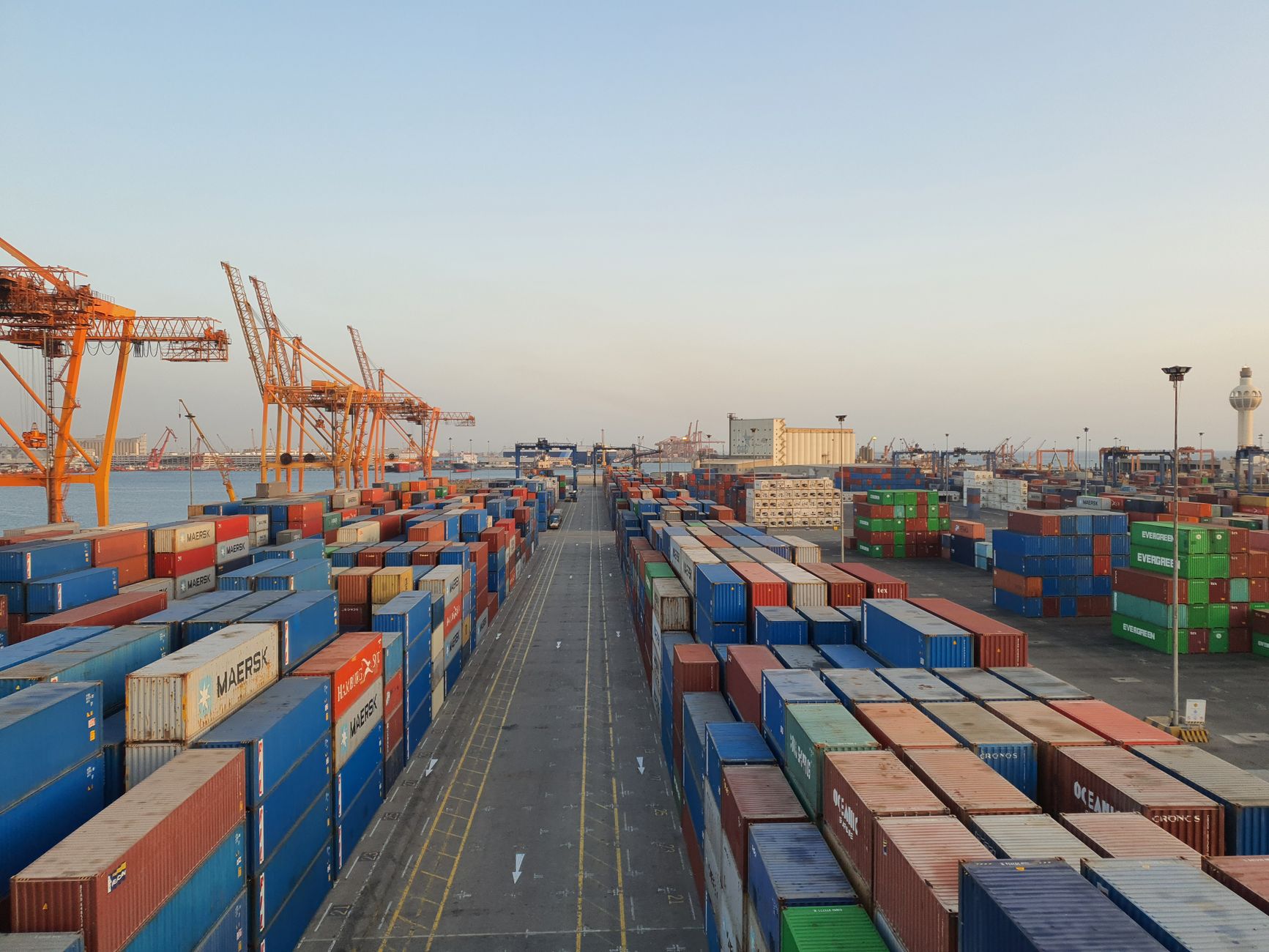
According to the BTS Port Performance Freight Statistics Program, its 2026 annual report to Congress covers capacity and throughput for the top 25 US ports by tonnage, TEU or dry bulk. That is a useful public reference. In this review, however, we found no national count of US seaports or container terminals, so a planner cannot multiply a published figure by the number of sites to size a market.
Size matters because a drone count scales with rows and blocks, not with the number of containers on a manifest. A yard with long straight rows and low stacks is a short job. A yard with many blocks, tall stacks and refrigerated rows is a longer one, and the flight plan must leave room for gaps, cranes and clearance lines.
Ask the terminal planner for three numbers before any call: the number of blocks, the maximum stack height in each block and the number of rows. Those shape a quote more than a total acreage figure does.
Which factors move the cost up or down at a port yard?
Cost moves most with the yard and how it runs. These are the factors we work through during a site assessment:
The last group is where quotes diverge. One unit on a fixed route costs less to run than several units that must hand off flights, share a charging plan and report into one dashboard. Do not compare quotes unless each one states the unit count, the route plan and the integration scope.
- Yard area and block count, which set flight time and whether one unit can cover the yard in a shift
- Stack height, which changes camera angle and read distance
- Obstacles such as cranes, light poles and chassis lanes that the route must clear
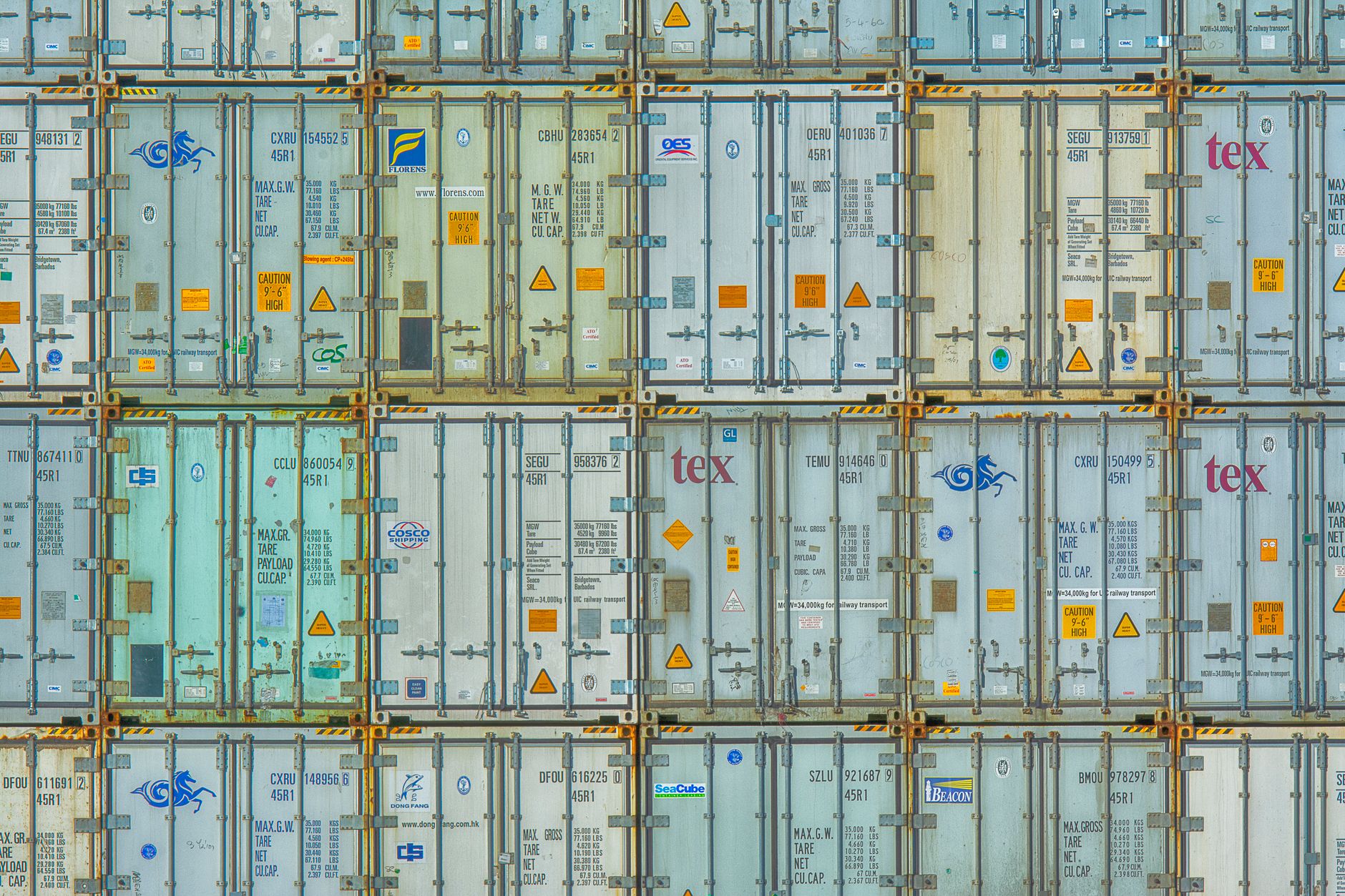
- Metal reflections and vertical stacks, which one published pilot write-up says can affect drone scans
- Traffic from trucks and terminal tractors, which decides when flights are safe and how often they pause
- Count frequency and shift timing, since a daily count and a weekly count need separate staffing
- Mapping, integration with the terminal system, number of units and service coverage
How many hours does a drone count save, and how far can you trust the numbers?
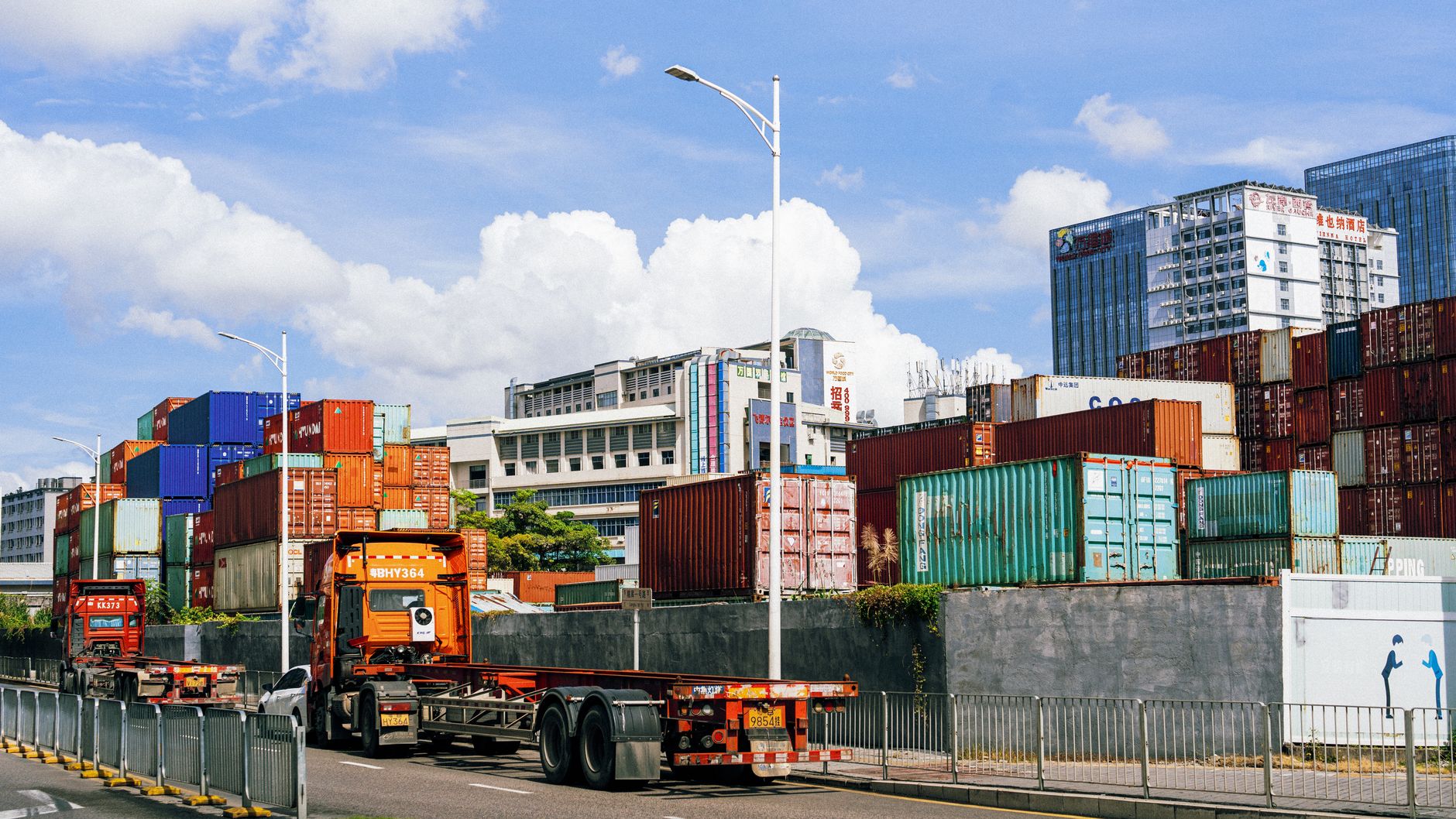
The clearest hour figures published so far come from vendors, so treat them as claims to test. One yard inspection vendor's published estimate gives a survey time of 22 minutes for an 18-acre, 340-asset terminal, against 3 to 4 hours for a manual walk. The vendor names no customer, so the comparison cannot be checked against a site record.
A freight trade news report describes a separate yard inventory system that uses gate and yard vehicle hardware rather than drones. It reports a claim that a 6,000-container yard can be covered in under an hour at 99% accuracy, versus roughly four hours by hand at about 75% accuracy. That is another method, but it shows that read accuracy matters as much as speed.
In this review we found no published accuracy figures for drone reads of container identification codes. Use the table below as a plan for your own timing trial, not as a promised result.
Does a drone reduce how many staff walk the rows?
It can, and the safety case deserves care. According to the BLS Occupational Outlook Handbook for hand laborers and material movers, shifts longer than 8 hours are common and overtime is sometimes available. We found no BLS data specific to longshoremen or terminal tractor drivers, so that handbook is the closest published reference for this kind of material handling work.
According to GAO, general warehousing and last-mile delivery had the highest serious injury and illness rate of the 19 sectors it reviewed, at an estimated 3.8 per 100 workers. That is 2022 data and another measure from the BLS rate, so do not place it next to your own log. It does show that walking storage areas carries real risk.
Warehouse counting gives a direction, though not a forecast. A vendor case study for a large third-party logistics operator reports a 75% cut in counting time, from 4,400 to 800 hours annually. That was warehouse inventory, not a container yard.
How does leasing through financing work, and what does the quote include?
We lease the drone and the integration package through financing, so you do not have to fund the equipment up front. You receive a fixed lease payment for the term, and the quote places it beside the scope it covers: unit count, route and mapping work, integration with the terminal system, staff training and service visits.
Service is part of the lease, not an add-on. We dispatch on site when a unit fails and can remotely triage many faults first, which can return the count to schedule sooner. Spare unit coverage appears as its own line in the quote for terminals that cannot miss a count.
The lease quote is issued only after our free site assessment. The figure reflects your stacks, surfaces and traffic, not a regional average, so compare quotes on scope as well as on the payment.
What can a drone yard count not do?
A drone count reads only what it can see. It can list container identification codes it reads cleanly, flag positions it could not read and keep a flight record. It cannot confirm seals, damage, weight or contents, and it cannot replace a person who inspects a flagged container.
Weather and light limit flights. Wind, rain and low light can stop a count, and reflections or vertical stacks can lower read quality. A failed read is not the same as a missing container, so the process needs a reconciliation step that a person owns.
Regulation is the other limit. Routine beyond-visual-line-of-sight flight generally needs a waiver or certificate until the FAA Part 108 rule takes effect. That rule was still under federal review in the reporting we checked, so confirm the status before you set a start date. Research is still early too: a German university project called InteGreatDrones is studying whether autonomous drones can monitor inland port terminals in place of fixed sensors.
How do I get a quote for a drone at my container terminal?
Start with the figures you already have: blocks and rows, the maximum stack height in each block, how often a count is needed, the shifts when it must run and the system the record must reach. Send those to us and we schedule a free site assessment.
During the visit we walk the yard, check surfaces, clearances, reflections and traffic, and plan a route. The quote then shows units, mapping, integration, training, service and the lease terms in one document. If a drone is the wrong tool for a given yard, we will say so and suggest the next step.
The fastest route to a confident decision is a pilot on one block. A single-block trial exposes the hidden costs early, and its timing data feeds the quote for the rest of the yard.
Frequently asked questions
Want a drone at your container port terminal?
Tell us about your site. We will recommend the robot, quote the lease, and keep it serviced.
Sources
- BTS Port Performance Freight Statistics Program 2026 annual report to Congress
- TUHH InteGreatDrones research project page
- Freight trade news report on yard inventory
- Vendor drone yard inspection page
- Vendor warehouse drone inventory case study
- BLS Occupational Outlook Handbook, hand laborers and material movers
- GAO-24-106413 report