

The short answer
Autonomous forklift ROI for electrical distributors comes mainly from taking repeat pallet moves off the floor, so driver hours go back to picking, loading and dock work. The size of the return depends on the pallet moves per shift that follow fixed aisle routes, the driver hours those moves tie up, and the fixed lease payment quoted after a site assessment. The calculator on this page shows a savings range for your inputs, and that range is an estimate, not a promise.
Key takeaways
- Repeat pallet moves on fixed aisle routes are the work most likely to move to a robot.
- The return is driver hours freed, valued at the local wage for this job, minus the lease cost.
- Your own move counts and driver hours per shift drive the number more than any industry average.
- Exceptions, mixed traffic and poor route planning are the fastest ways to shrink the return.
- A free site assessment turns the calculator range into a quote with a fixed lease payment.
Run the numbers for your site
Pick your city or state for a real regional number - we use the real BLS wage there. (On the live site this auto-detects from your location.)
What do you want to automate?
The robot takes the repetitive cart and pallet moves off the heaviest motion.
How much return can an autonomous forklift deliver for an electrical distributor?
Electrical distributors form a sizable group of merchant wholesalers. A third-party summary of Census County Business Patterns for 2023 counts about 13,379 establishments nationally and about 229,921 employees, according to Vantain Insights, an aggregator and not the Census table itself. A separate aggregator lists 1,221 establishments and 22,193 employees in Texas alone. Those totals cover all job types, including sales, counter and office staff.
The number that matters for this page is smaller. Dividing the national employee total by the establishment total gives about 17 employees per establishment, a derived figure that no source publishes and that covers every job type. The people who move pallets at one site are only part of that group, and the site assessment confirms the real count on your floor.
Distributors run high pallet volumes through the same aisles every shift. Receiving, rack put-away, order picking and dock staging repeat in predictable patterns, which is why the work suits an autonomous forklift on known routes. Robots do best where the path is fixed and the loads are standard, so the first job of an assessment is to confirm that holds in your building.
Where do the labor hours go on an electrical distributor floor?
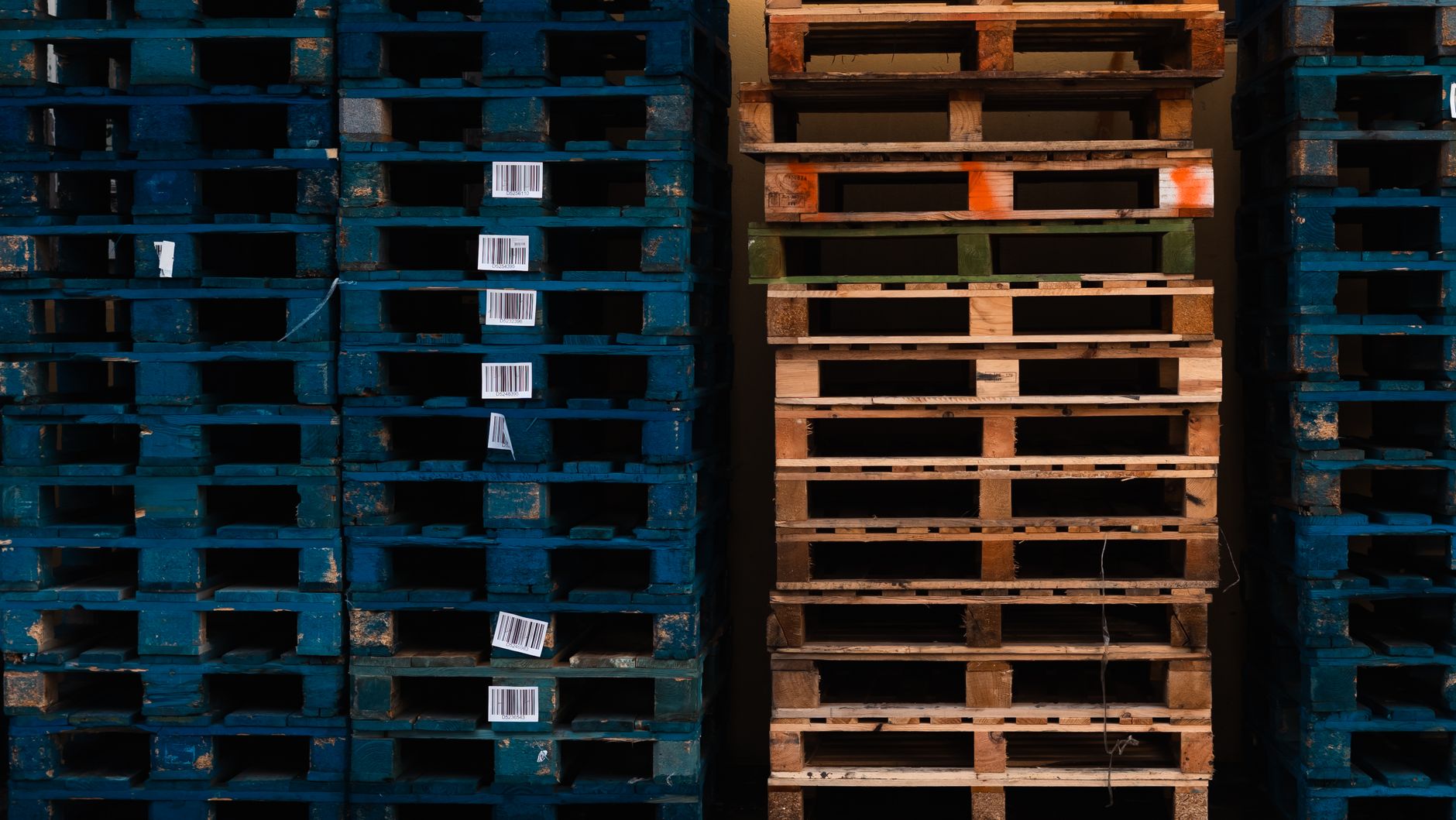
The labor side of the return is the hours forklift drivers spend on repeat pallet moves. That work falls in the laborers and freight, stock, and material movers, hand group, and the government wage data on this page is the rate used to value those hours. The Bureau of Labor Statistics put national employment in that occupation at about 3,008,300 in May 2023, and its Occupational Outlook Handbook reports about 2,988,900 jobs in 2024. Those are national totals across all industries, so your site numbers carry more weight than the national ones.
On a distributor floor, the hours that count are the ones a driver spends traveling empty between a staging lane and a rack, or waiting on a pallet that must move before the next pick. The sources behind this page do not publish per-site hour counts for these tasks, so the table below lists the tasks to log rather than quoting figures. Many moves are short, which makes driver time easy to undercount in a typical week.
Median hourly wage, Laborers and Freight, Stock, and Material Movers, Hand
$4,380
Monthly cost of one full-time worker, at the median wage plus payroll costs (an estimate, not a quote).
How does the autonomous forklift ROI math work?
The math has three parts. The first is the labor hours offset: pallet moves per shift, times the share of those moves the robot realistically takes, times the time each move takes a driver, converted to hours per week. The second is the value of those hours, priced at the local wage for this job using the government wage data on this page. The third is the lease cost, the fixed lease payment quoted after a site assessment, which is set against that value.
The share is the input most people get wrong. A robot can take the repeat moves on fixed routes, but it rarely takes every move. Damaged, mislabeled or oversized loads still need a person, and a site that sends a large share of its moves through exceptions gets a smaller offset than one with clean routes. The calculator asks for this share directly, and a realistic figure comes from walking the floor and logging moves, not from a best case.
Read the output as a range. The calculator is pre-filled for this industry and returns a savings range, and each input moves that range in a predictable direction. Payback is the point where cumulative offset equals the total lease cost, so the timing depends on every input at once.
What changes the savings number up or down?
Four things move the number most: the count and length of pallet moves on fixed routes, the share of those moves that use standard loads, the local wage for the job, and the lease cost. A busy inbound dock with long runs to the same racks pushes the number up. A building where every pallet is unusual, or where aisles change every week, pushes it down.
Shift pattern matters too. A unit that runs alongside drivers in the same aisles competes with them for space, while work that runs during quiet hours adds offset without slowing people. Order growth changes the picture as well, because the drivers you have can absorb more moves only up to a point, and the freed hours only count if they go to other work.
Robot or person: which does which part of the work best?
A fair comparison treats the robot and the driver as tools for separate parts of the day. The robot follows the same route the same way on every shift, including late ones. The driver handles anything that needs judgment, such as a damaged load, an unusual pallet, or a change that nobody planned for.
We approach a site this way. Service Robot Co. picks the robot that fits the building, leases it through financing, deploys and integrates it with the way the floor already runs, trains the staff who work beside it, and services it nationwide. The comparison below is how we describe the trade-off to the person who signs off.
- Repeat moves on fixed routes
Autonomous Forklift
Same route and same pace on every shift
Staff
Slower on long repeat runs and tires over a full shift
- Damaged or unlabeled loads
Autonomous Forklift
Stops and needs a person to clear the load
Staff
Reads the load, checks it and decides what to do
- Unplanned layout changes
Autonomous Forklift
Needs remapping before it runs well
Staff
Adapts the same day without a new map
- Hours covered
Autonomous Forklift
Runs scheduled shifts and can cover quiet hours
Staff
Needs breaks, shift coverage and training
- Cost structure
Autonomous Forklift
A fixed lease payment set after the site assessment
Staff
Pay that grows with hours worked and overtime
What can weaken the return, and how do you avoid it?
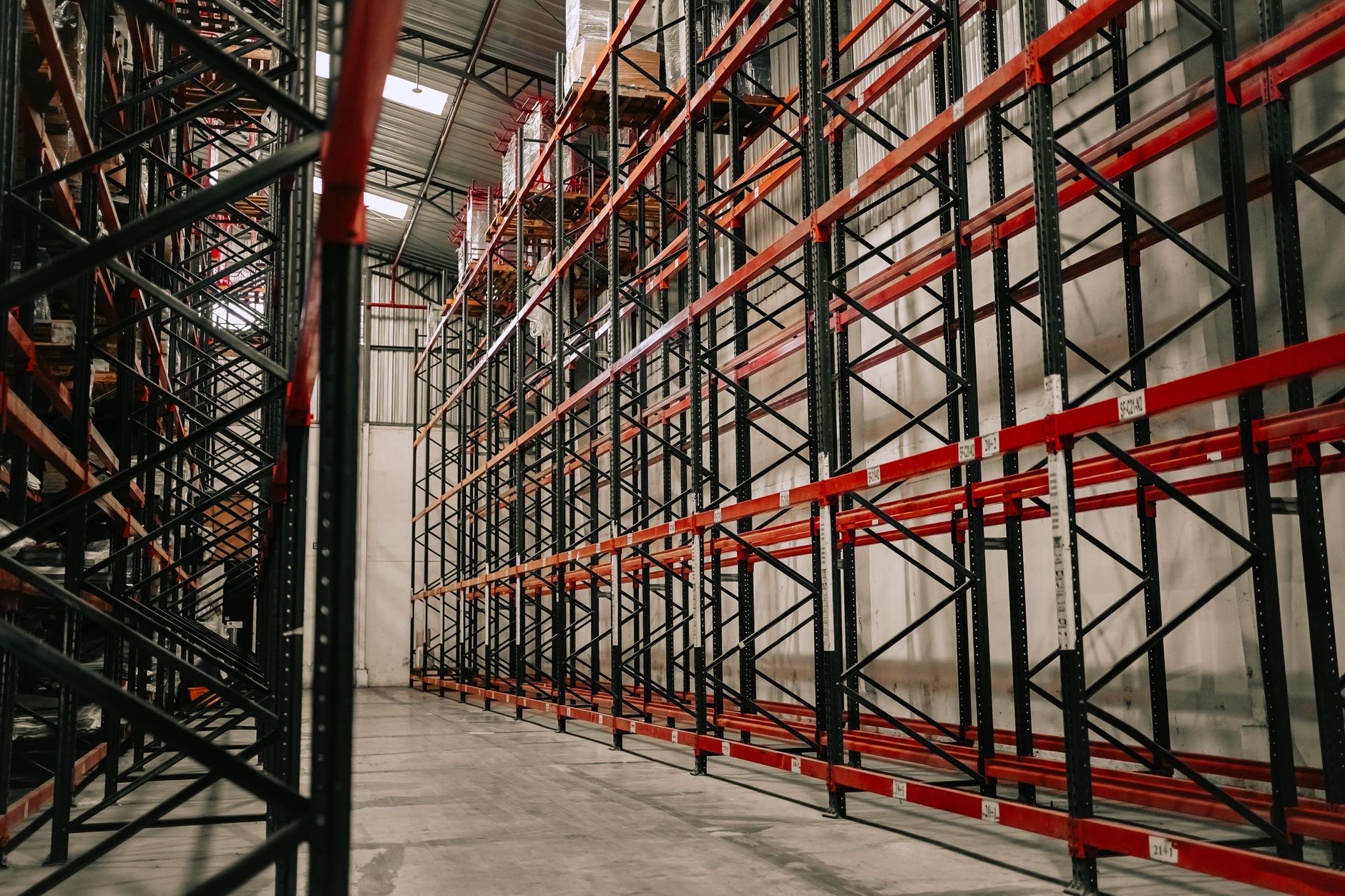
Safety is the risk to plan for first. An OSHA regional directive, drawing on older estimates, says about 1.5 million workers operate more than 855,900 powered industrial trucks, and it cites roughly 85 forklift fatalities and 34,900 serious injuries a year. Treat those figures as a sense of scale, since they predate current data. Any autonomous unit has to fit the powered industrial truck rules in 29 CFR 1910.178 for general industry, and the site must keep people and trucks apart.
Integration is the second risk. A unit that cannot get clean pallet data, or a racking layout that changes without notice, will stall, and the return drains away in exception handling and manual workarounds. Map the routes before committing, and agree on how exceptions get cleared before go-live.
Staffing is the third. Turnover in warehouse work is a known pressure, and a plan that assumes the same drivers stay for years is fragile. The robot does not remove the need for training, and the people who understand the system keep the offset steady when a shift changes hands.
- Map the routes and measure the exception rate before signing the lease.
- Write an exception process so drivers are never left waiting on the unit.
- Train at least one backup person on every shift.
- Confirm in the quote what service and spare coverage are included.
How fast does the return arrive, from assessment to payback?
The timeline runs in phases. First is the free site assessment, which measures pallet moves, driver hours, the exception rate, and the aisles and docks where a unit would run. Next come the lease quote and the financing agreement. Then the site is mapped, the unit is deployed and integrated, staff are trained, and go-live support runs until the routes settle. Payback is measured from go-live against the logged baseline, not from the date of signing.
How long each phase takes depends on the building. Mapping and integration are the phases most likely to stretch, especially where racking changes often or pallets arrive in mixed condition. The sources behind this page give no standard duration for these steps, so ask for the phase plan in the quote instead of a general date.
Plan to review the offset weekly for the first stretch after go-live. The numbers settle as the routes settle, and the review is the point where a weak route or an overloaded exception queue shows up.
Is adoption rising, and does it matter for my decision?
Adoption is broad but uneven. A 2025 survey cited by trade press puts robotics adoption at about 48%, with nearly half of firms reporting active robot deployments, and attributes the figure to MHI. A July 2025 Indago survey, as summarized by trade press, found about 4% of respondents had moved trailer loading and unloading robots beyond pilots. Broad interest is not the same as deployed systems, so judge a unit by its fit to your floor.
Labor conditions are part of the picture too. The BLS Job Openings and Labor Turnover Survey reports that quits in transportation, warehousing and utilities fell by 49,000 in September 2025. One month tells you little about a trend, but it shows movement, and a staffing plan should be tested against it.
For a distributor, the question is less whether automation is popular and more whether your pallet moves repeat enough to pay back. The site assessment answers that for your building.
How do I get a precise figure from a free site assessment?
The free site assessment replaces estimates with your numbers. We count pallet moves per shift on each route, log the driver hours those moves take, measure the exception rate, and map the aisles and docks where a unit would run. The output is a savings range for your building and a lease quote, with a fixed lease payment and a plain list of what is included.
Bring data to make it faster. Shift logs, pallet counts from the warehouse system, an up to date floor plan, and driver numbers by shift are the inputs that matter most. Note any planned changes to racking, layout or order volume, because those change the routes and the offset.
Service is part of the same plan. We service units nationwide through on-site dispatch and remote triage, and we train the staff who work with them. Ask for service terms and spare coverage in the quote alongside the lease.
Frequently asked questions
Want an autonomous forklift at your electrical distributor?
Tell us about your site. We will recommend the robot, quote the lease, and keep it serviced.
Sources
- US Bureau of Labor Statistics, Occupational Employment and Wage Statistics (OEWS May 2024)
- Vantain Insights, Census County Business Patterns summary for NAICS 42361 (aggregator)
- Mewayz industry data, NAICS 42361 Texas (aggregator)
- BLS Occupational Employment and Wage Statistics, May 2023, SOC 53-7062
- BLS Occupational Outlook Handbook, Hand Laborers and Material Movers
- OSHA regional directive on powered industrial trucks, FY2018
- BLS Job Openings and Labor Turnover Survey release, September 2025
- SDCExec, warehouse automation survey coverage
- Pulse trade press summary of Indago survey, July 2025