
The short answer
Autonomous forklift ROI for hardware distributors comes from the pallet moves a robot takes over between receiving, racking and dock doors, measured as labor hours and as shifts covered without adding night crews. The savings are a range, not a fixed figure, and they depend on how much of the daily pallet work a robot can realistically take on your floor. A lease quote follows a free site assessment that measures those hours.
Key takeaways
- The return comes from repeat pallet-move hours taken off laborers and freight, stock, and material movers, not from a headcount cut.
- Savings are ranges that depend on the share of pallet work a robot can realistically take on your floor.
- Lease payments are quoted after a free site assessment, so the math uses hours measured on your floor.
- Forklift injury exposure supports automating repeat moves, but mixed traffic still needs separation and clear rules.
- A phased start with one leased unit confirms the share of work taken before any expansion.
Run the numbers for your site
Pick your city or state for a real regional number - we use the real BLS wage there. (On the live site this auto-detects from your location.)
What do you want to automate?
The robot takes the repetitive cart and pallet moves off the heaviest motion.
What is autonomous forklift ROI for hardware distributors?
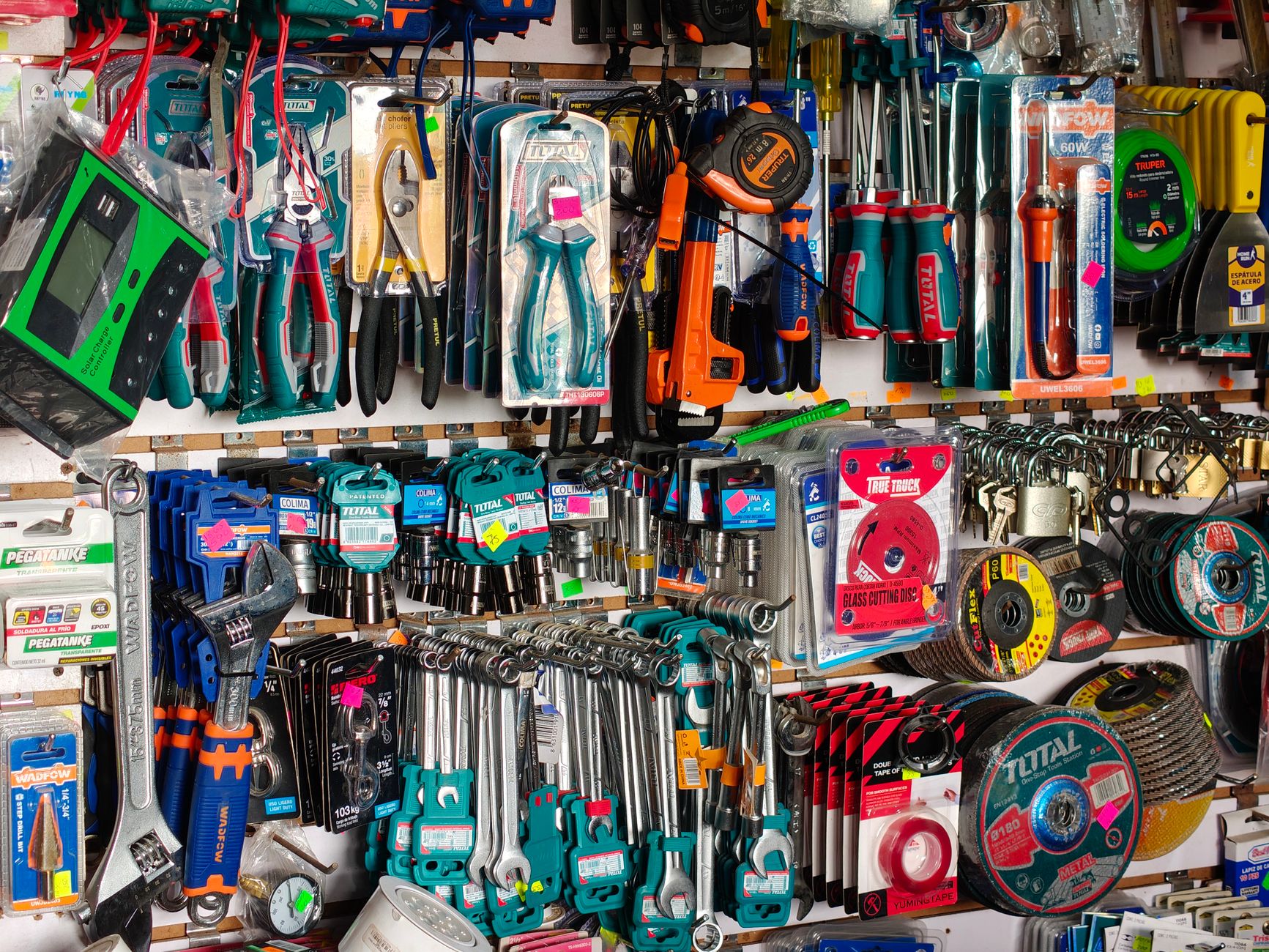
Autonomous forklift ROI for hardware distributors is the value of the pallet moves a robot takes over, measured in labor hours and in shifts that get covered without adding night crews. The work suits a robot because most of the day is indoors, on flat floors, and repeats the same routes: receiving to racking, racking to pick faces, and staging at dock doors.
Counting this market is harder than it looks. IBISWorld's 2026 modeled estimate puts hardware store businesses at about 14,082. That is a modeled figure rather than an official Census count, and the closest published category is retail hardware stores, not distributors. Treat it as directional. Distributor floors usually run larger and busier than a store backroom, so a site assessment counts pallet moves directly instead of estimating them from headcount.
The staffing benchmark comes from a 2017 trade survey by Hardware Retailing, which put a typical store at about 8.9 full-time and 6.2 part-time employees, roughly 15 people in total. That is the typical headcount used on this page. Material movers are only one part of that staff, so a robot takes a slice of the day rather than replacing a full position.
Where does the return come from in a hardware distribution warehouse?
The return starts with labor on repeat moves. Most manual pallet and freight movement falls under Laborers and Freight, Stock, and Material Movers, Hand. The Bureau of Labor Statistics state chart for May 2024 shows California alone with 382,740 workers in this occupation, so the job is spread across the country. The government wage data on this page gives the local wage for this job, and that is the rate the savings math uses.
The hours that matter are the trips. A person moving a pallet from a receiving dock to a rack location, then walking back for the next load, spends much of that time traveling and waiting for a lift, and very little on work that needs judgment. A robot takes those trips across the shift, including late hours when a site runs a thin crew or none at all.
Data USA, using 2022 data, counts about 224,000 workers in the hardware stores industry and reports that full-time staff average 43.1 hours a week. That weekly base is what the site assessment works from, so even a modest share of repeat-move hours is a visible slice of a week.
The return also shows up as timing. Inbound pallets moved during otherwise unstaffed hours are put away before the morning pick wave starts, so picking does not wait on put-away. Work finished on time has value that a wage line alone does not capture, and the assessment should record both the hours taken and the delays avoided.
Median hourly wage, Laborers and Freight, Stock, and Material Movers, Hand
$4,380
Monthly cost of one full-time worker, at the median wage plus payroll costs (an estimate, not a quote).
| Task | Today | With a robot |
|---|---|---|
| Receiving dock to racking moves | a large share of each shift, set by your own time study | robot runs scheduled trips; a person clears exceptions |
| Staging at dock doors | waiting and travel between loads | robot queues loads on mapped routes |
| Late-shift replenishment | often covered by a thin crew or skipped | robot covers scheduled moves; staff review in the morning |
| Inbound put-away before the morning pick wave | competes with picking for the same people | robot takes the repeat put-away trips |
Hour totals are not shown because they depend on each floor. Each row is measured during the free site assessment, and the robot share is set from those measurements. Wage context comes from the government wage data on this page.
How does the ROI math work for a leased autonomous forklift?

The core calculation has three parts: the labor hours the robot takes over, the share of those hours it can realistically handle, and the lease cost over the term. The labor side is measured hours multiplied by the local wage for this job from the government wage data on this page. Hours the robot starts but a person still has to check count only in part, so the share matters as much as the headline hours.
The lease side is a fixed payment set by the unit, the financing term and the service scope. We quote it after a free site assessment because the right unit depends on load weights, aisle widths, dock heights and how many pallets move per shift. Robots are leased through financing, so the cost arrives as a fixed payment set against hours saved rather than a large outlay at the start.
Put together, the parts produce a savings range. Take the measured repeat-move hours, apply the share the robot can realistically take, price those hours at the local wage for this job, and set that against the lease payments over the term. Changing the share moves the result more than any other input, which is why the assessment measures it on your floor rather than assuming it.
The low end assumes a smaller share of pallet work is taken and that some staff time still goes to watching the robot. The high end assumes the robot runs most repeat moves on a stable route map with few stops. A good site assessment narrows that range to the actual floor.
What changes the return up or down?
Route repetition is the biggest factor. Stable racking and fixed dock assignments give the robot a predictable job, and the share of work it takes rises with it. Layouts that change often, or that depend on whoever is on the dock that day, reduce that share.
Shift coverage is the second factor. If the site runs one full-crew shift, the return rests mainly on hours saved and fewer exceptions. If it runs a second or overnight shift with a thin crew, the value of covering those hours rises, but only where the work truly needs to be finished in that window.
Freight mix matters too. Consistent pallet sizes and weights make the robot more reliable. Frequent mixed loads and damaged pallets reduce the share it can take and keep a person in the loop for more of the shift.
Floor conditions and staff habits round out the picture. Flatness, dock plates and mixed pedestrian traffic set what can be mapped. If staff keep moving pallets by hand along the robot route, the measured hours will not match the hours the lease assumes.
How does a robot compare with people working the same shifts?
A robot is not a substitute for everything a person does on a warehouse floor. It is a steady worker for one kind of job, and the table below shows where each one fits.
The honest read is that the robot wins on consistency and night coverage, while people win on exceptions. Staff stay responsible for damaged loads, unusual freight and any work that needs judgment across departments. The return improves when people keep those tasks and the robot takes the repeat ones.
- Night coverage
Autonomous Forklift
Runs a scheduled route without breaks
Staff
Needs a crew, supervision and breaks
- Repeat pallet moves
Autonomous Forklift
Same route and speed on every trip
Staff
Slows over a long shift and varies
- Damaged or unusual loads
Autonomous Forklift
Stops and needs a person to clear it
Staff
Can judge, repack and relabel
- Mixed traffic and people on the floor
Autonomous Forklift
Follows mapped lanes and sensors; needs separated routes
Staff
Reads the floor and adjusts quickly
- Staffing flexibility
Autonomous Forklift
Fixed capacity per unit; add units to add capacity
Staff
Scales up or down with hiring and turnover
- Setup
Autonomous Forklift
Needs site mapping, route design and staff training
Staff
Needs onboarding for each new hire
Are autonomous forklifts safe on a shared warehouse floor?
Forklifts carry a serious injury profile, and that is part of the case for automating repeat moves. The Bureau of Labor Statistics' 2017 fact sheet on forklift injuries counted 74 fatal work injuries involving forklifts, and it found that pedestrians injured by forklifts had the highest median days away from work, at 20 days.
The Bureau's 2015 to 2019 snapshot for laborers and material movers reports 64,160 nonfatal injury and illness cases with days away from work in 2019 for this occupation group, and an incidence rate of 275.5 per 10,000 full-time equivalent workers. Those figures describe the people doing this work, which is the exposure that repeat-move automation can reduce.
OSHA severe injury reports for 2022 and 2023, as summarized by a forklift safety publication, show transportation and warehousing accounting for 285 forklift severe injury reports, or 26 percent of the total.
A robot does not remove risk from a shared floor. Pedestrian separation, mapped routes and clear dock rules still matter. Safety also affects the return directly. A robot that stops often or needs a person to clear it loses hours, and an incident on the floor costs time even when no one is badly hurt.
What does a shift look like before and after a robot?
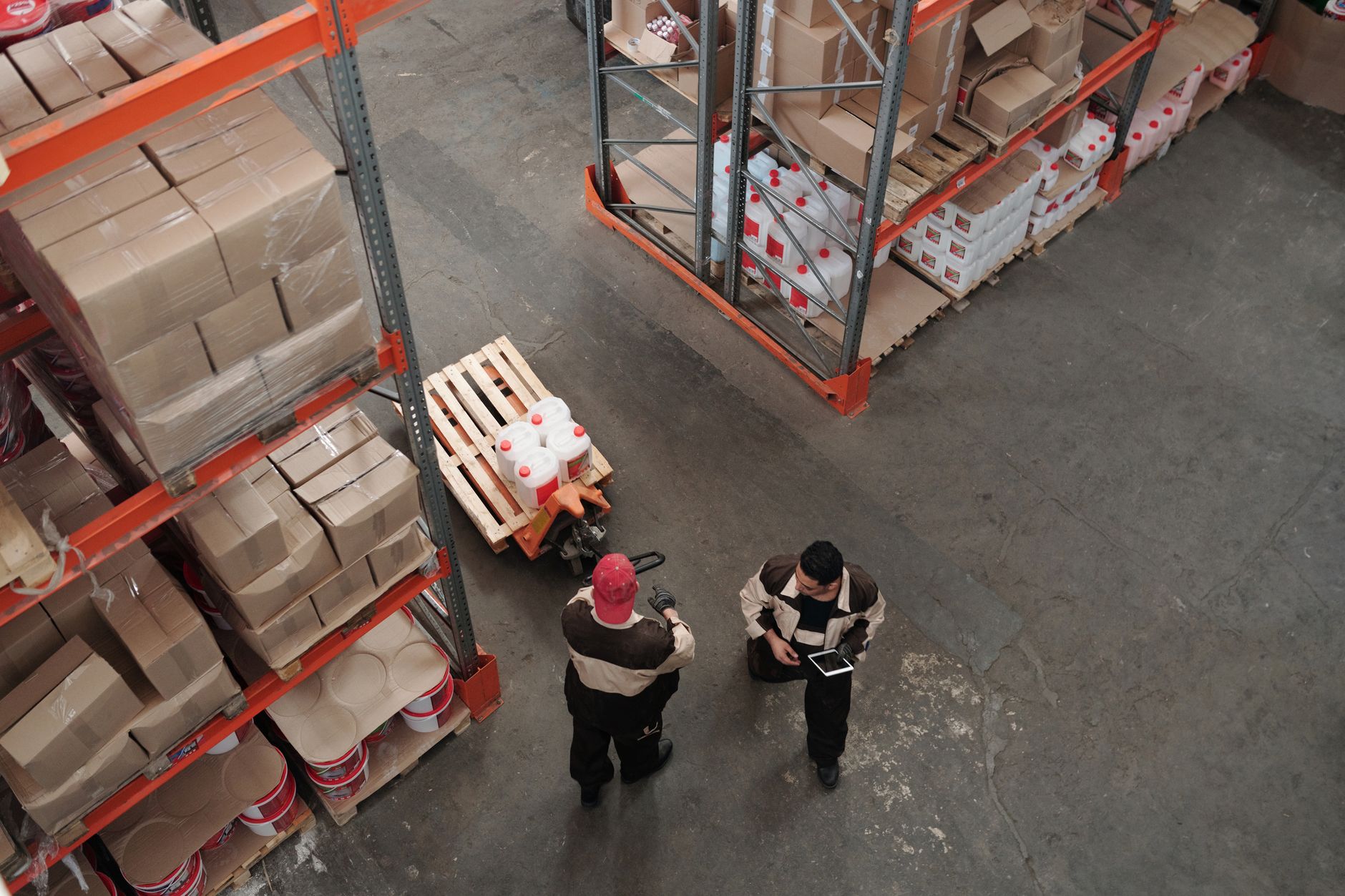
Before a robot, repeat moves are spread across people who also pick, count and replenish. Put-away often slips when a dock is busy, and late hours depend on whoever is willing to cover them. The work gets done, but the timing depends on who is on shift.
With a robot, the repeat moves run on a schedule and staff focus on exceptions and planning. A person still reviews the queue, clears stops and handles damaged or unusual loads. The comparison below lays out the steps side by side.
What risks could shrink the return, and how do you avoid them?
Adoption is still early, so many staff around a robot have little experience with one. According to the 2025 industry outlook survey from Peerless Research Group, based on 110 respondents, about 10 percent of companies use AGVs or AMRs, and 30 percent say they will evaluate them within one to two years. That gap is why rollout planning matters as much as the robot itself.
The most common risk is underuse. A unit placed on a route with little repetition, or one that stops often for exceptions, delivers fewer hours than the quote assumed. Avoid it by measuring the route before the quote, starting with one unit, and setting a target share of pallet moves to review after go live.
Other risks include layout changes after go live that break the route map, staff who bypass the robot and move pallets by hand, and a lease term that runs past a change in volume. We handle deployment, integration and staff training, and we service the units nationwide, so route changes can be re-mapped rather than abandoned. The quote should state who owns each of these tasks.
What is a realistic timeline from assessment to payback?
The timeline runs in stages. The assessment measures pallet moves and shift coverage today. Next come site mapping and route design, then the lease quote, then deployment and integration with the warehouse systems the site already uses. Staff training happens before go live, and the first weeks after go live go to tuning routes and confirming how much work the robot actually takes.
Payback depends on the savings range and the lease term, so it can only be stated as a window once the assessment is complete. It comes sooner when the route is stable and the unit runs most of its shift, and later when early weeks go to exceptions and layout fixes. Starting with one leased unit confirms the share before more units are added.
A phased start also limits disruption. Dock doors and racking keep working during deployment, and staff keep their existing tasks while the robot takes the repeat moves. Expansion then follows measured results rather than the original estimate.
How do I get a precise figure from a free site assessment?
A precise figure comes from measurement, not a rule of thumb. The free site assessment records pallet moves by route, the hours they take now, the shifts that are understaffed or unstaffed, pallet sizes and weights, aisle and dock conditions, and traffic around the planned robot path. We also check mapping, power and network needs.
We are a US commercial robot integrator. We pick the robot that fits the site, lease it through financing, deploy and integrate it, train the staff and service it nationwide. That means one partner for the choice, the lease, the setup and the service, and the lease quote follows the assessment with a savings range built from your measured hours.
Bring the pallet volume you move now, your shift schedule, and the dock and racking plans. Those three inputs let the assessment produce a range specific to your floor, and they show quickly whether the site is a good fit.
Frequently asked questions
Want an autonomous forklift at your hardware distributor?
Tell us about your site. We will recommend the robot, quote the lease, and keep it serviced.
Sources
- US Bureau of Labor Statistics, Occupational Employment and Wage Statistics (OEWS May 2024)
- BLS OEWS May 2024 occupational employment by state chart
- BLS fatal occupational injuries involving forklifts, 2017 fact sheet
- BLS injury and illness snapshot, laborers and material movers, 2015 to 2019
- Hardware Retailing employee compensation survey, 2017
- Data USA, hardware stores
- Peerless Research Group 2025 industry outlook survey, via Supply Chain 247
- OSHA severe injury reports, forklift insights, via Forklift Action
- IBISWorld hardware stores number of businesses, 2026 estimate