
The short answer
Cleaning robot ROI for manufacturing plants comes mainly from off-shift floor scrubbing that takes over paid night hours of janitor-type work. The result is a savings range, not a fixed figure, and it moves with the scrubbing hours the robot takes over, the lease cost, and the detail work that stays with staff. A free site assessment measures those hours, sets the lease quote, and shows the expected payback period.
Key takeaways
- The main return is off-shift scrubbing hours that no longer need a paid night crew.
- Large open floors with smooth concrete suit an autonomous scrubber better than most plant areas.
- The savings range moves with the hours taken over, the lease cost, and the detail work kept by staff.
- National labor data sets the context, but the site assessment should measure local hours.
- Payback depends on measured hours and the lease quote, not on vendor headline numbers.
Run the numbers for your site
Pick your city or state for a real regional number - we use the real BLS wage there. (On the live site this auto-detects from your location.)
What do you want to automate?
The robot runs the open floor overnight; your crew keeps detail and edges.
What is the ROI of a cleaning robot for manufacturing plants?
Cleaning robot ROI for manufacturing plants usually comes from one source first: floor scrubbing that moves off the paid night crew and onto an autonomous scrubber. Floor scrubbing is repetitive, runs on a fixed route, and is among the hardest cleaning work to staff after dark. That combination makes it the work most likely to show a clean offset against the lease cost.
Savings are a range, not a promise. The range depends on how many hours of floor work the robot takes over, what the lease costs, and whether staff keep any work the robot cannot do. The ROI calculator on this page is pre-filled for manufacturing and shows a computed range, but the figure a plant can rely on comes from its own measured hours.
Outside figures show what is possible, not what a given plant will see. A trade press article on fully autonomous floor scrubbing reported that robots cleaned about 3.5 million square feet at a warehouse operator in Canada, deployed from summer 2020 to April 2021, and saved more than 300 hours of labor versus conventional cleaning. The figures trace to the vendor and no methodology was given, and a warehouse is not a plant, so treat it as one data point.
Why do manufacturing floors suit an autonomous floor scrubber?
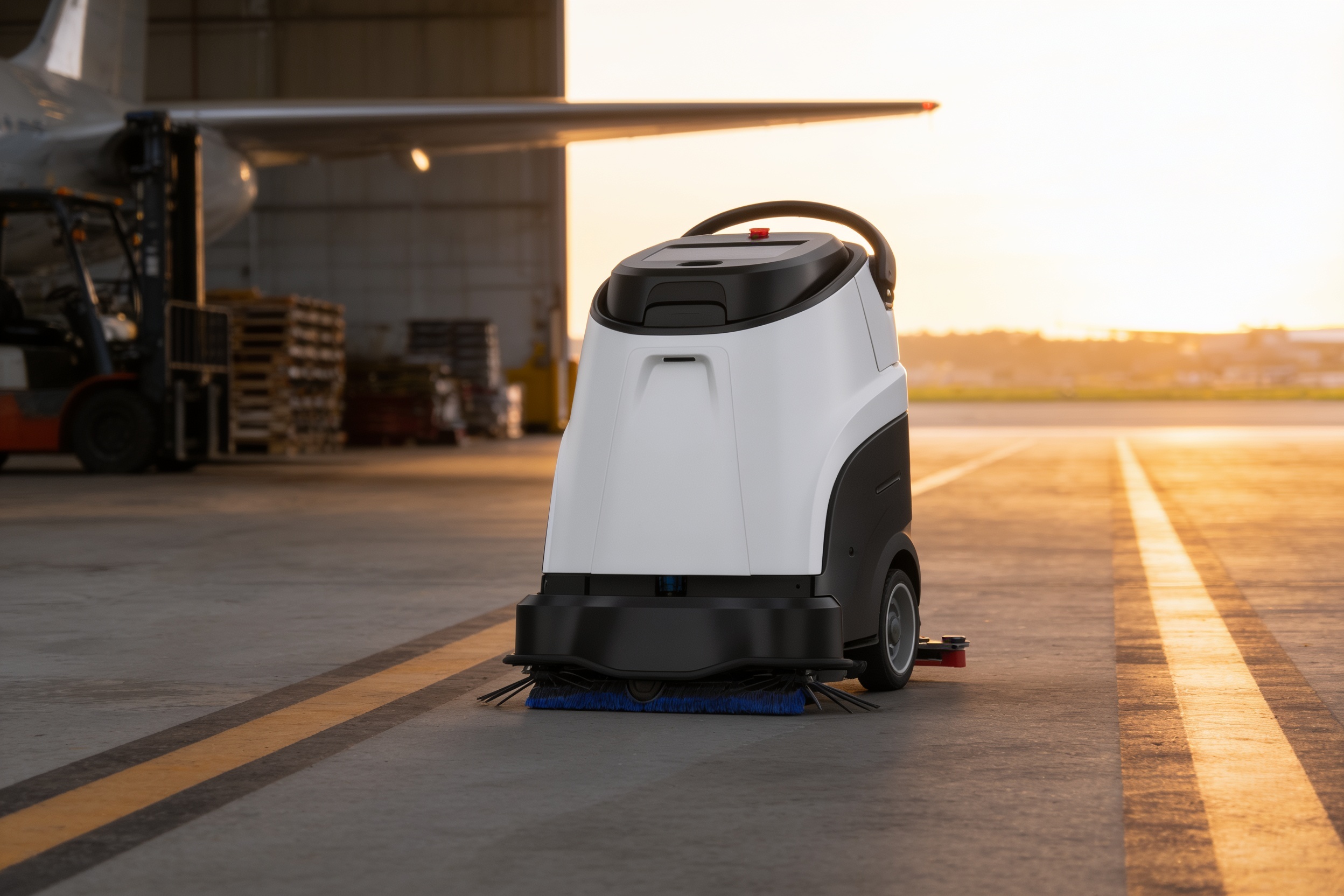
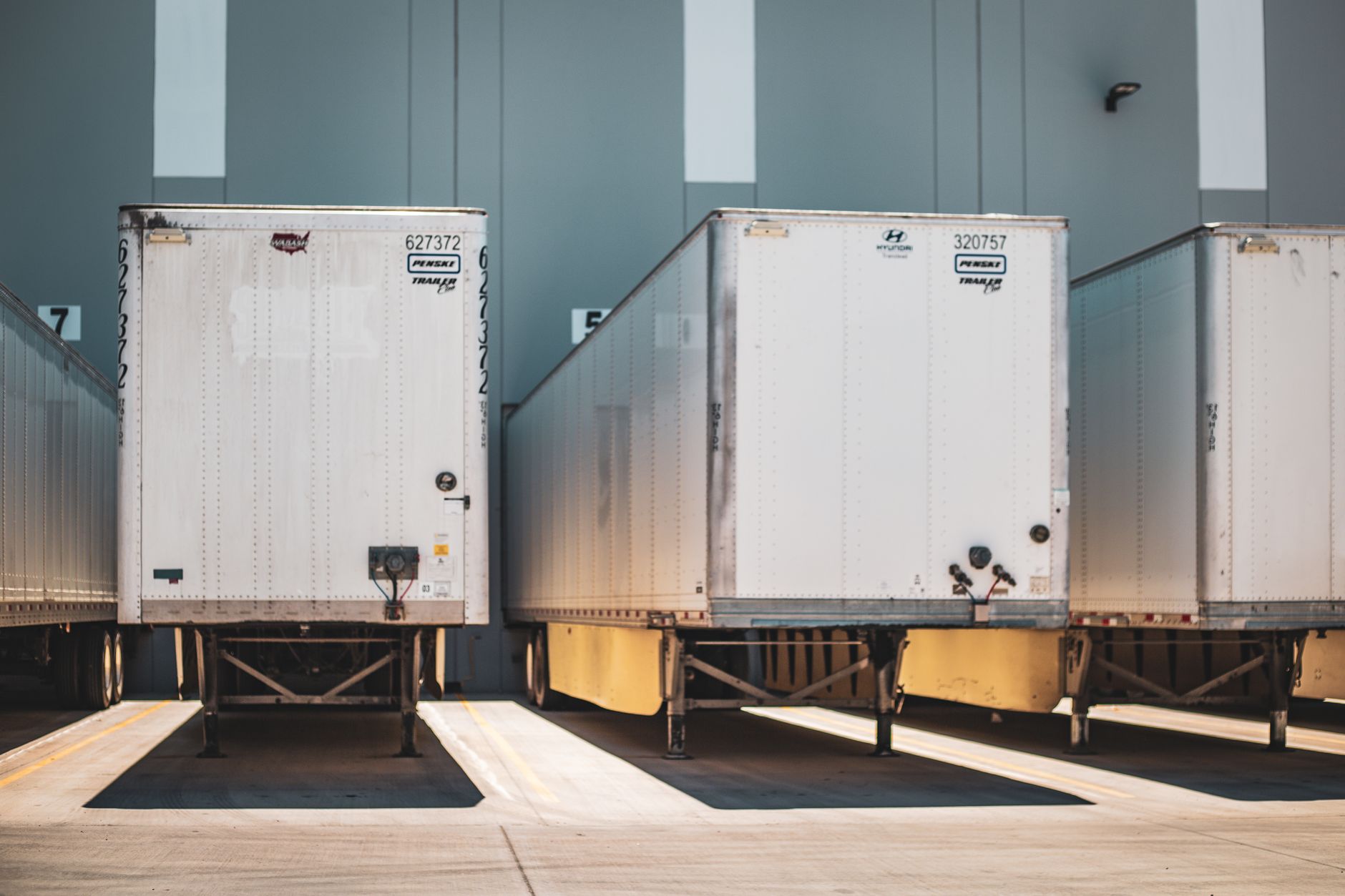
Large production floors share the features a scrubber needs: wide main aisles, long straight runs, smooth sealed concrete, and an off-shift window when lines are stopped or running at reduced speed. A scrubber needs open routes and a surface it can clean without frequent stops. A plant with those conditions has little reason to keep a crew pushing equipment through the same aisles every night.
The fit is weaker in areas with clutter, pallets staged at random, oil or chips that need manual pickup, or many small angled corners. Most plants have a mix of zones, and only some are good candidates. The site survey maps each area before any figure is set, and areas that fail the test stay with staff.
Timing matters as much as floor type. A scrubber that runs while the plant is quiet avoids cleaning around live production and does not need an operator on the floor. Overnight floor care is the reason this work appears as a labor cost at all, so the route should fit the hours when the floor is clear.
Median hourly wage, Janitors and Building Cleaners
$4,041
Monthly cost of one full-time worker, at the median wage plus payroll costs (an estimate, not a quote).
What does the labor pool look like for this work?
The labor side of the math is the hours of janitors and building cleaners type work that the robot takes over. According to the Bureau of Labor Statistics Occupational Outlook Handbook, janitors and building cleaners held about 2.4 million jobs in 2024, and about 351,300 openings a year are projected through 2034, mostly from replacing workers who leave. That handbook group also includes pest control workers, so it is a broader count than pure janitorial staffing.
The same handbook projects 2 percent employment growth from 2024 to 2034, a net change of 47,800 jobs. Growth is slow. Most of the hiring need comes from replacing people who leave, which is why night cleaning shifts stay hard to fill even when total employment holds steady.
Turnover for this occupation was not verified in our research, and the turnover rates that circulate for cleaning contractors are unofficial. For manufacturing context, the Bureau of Labor Statistics JOLTS release for January 2026 reported 3.1 million quits and a quits rate of 2.0 percent, little changed, with quits up 21,000 in nondurable goods manufacturing. Each departure from an off-shift cleaning post means someone else covers the route or the route goes unrun. No verified headcount for janitors and cleaners at a typical US plant was found, so the calculator starts from one dedicated cleaner per shift, and the site assessment replaces that with the actual crew.
How does the ROI math work for a cleaning robot?
The math has three parts. First is the labor hours offset: the scrubbing and sweeping hours per week that move from paid staff to the robot, valued at the local wage for this job shown on this page. Second is the share of the work a robot realistically takes, because detail work, spills, restrooms, and tight corners stay with people. Third is the lease cost, a fixed lease payment set after a site assessment, together with service terms and any spare coverage.
Put simply, the plant compares hours taken over with the lease commitment. If the robot covers most of the scrubbing route and the route runs every off-shift, the offset is large. If it covers only a small share, or the route needs frequent staff intervention, the offset shrinks and the lease weighs more. The calculator uses the same structure, which is why its output is a range and not a single number.
Independent hour figures for manufacturing plants are not available in the research we ran. No independent survey of night-shift cleaning hours in manufacturing plants was found, so the hours should be measured on the floor and not borrowed from other buildings. The table below shows how the work divides once the route is set, and the site assessment fills in the hours for each row.
| Task | Today | With a robot |
|---|---|---|
| Scrub main production aisles | Off-shift crew hours, measured on site | Route runs unattended once set up |
| Sweep and scrub staging lanes | Crew time before the morning shift, measured on site | Staff clear pallets, then the route runs |
| Clean the dock floor and interior bays | Crew time when trucks are not loading | Robot covers open floor, staff cover edges |
| Spot-clean spills and chips | Crew time, usually on demand | Stays with staff |
| Detail work near machines and drains | Crew time with hand tools | Stays with staff |
No verified hour figures for manufacturing plants were found in our research. The today column is measured during the site assessment. The withRobot column shows how the work divides, not a promised number of hours.
What changes the number up or down?
The biggest driver is how much of the floor is open, flat, and on a route the robot can run without interruption. A plant with long clear aisles and one floor type will show a larger offset than one with many pallets, mixed surfaces, or frequent equipment moves. The second driver is the gap itself. A plant with unfilled off-shift posts or regular overtime has a clear baseline, while a fully staffed crew that cleans in the day leaves less to replace.
Surface and schedule both matter. Smooth sealed concrete suits the work, while rough surfaces, drains, and grating reduce the share of floor the robot can take. The plant schedule creates or removes the window the robot needs. Shifts that stop production overnight leave a clean window, and continuous operations with no quiet period leave little time for the route.
What are the main risks to the return, and how do you avoid them?
The first risk is planning on hours that were never measured. A return built on figures from other buildings can miss by a wide margin. Measure hours on the floor during the site assessment, then compare them with the lease quote rather than a headline number from elsewhere.
The second risk is overestimating coverage. If the robot takes the aisles but staff still spend the same night hours on edges and spills, the offset is much smaller than expected. Write down the task split before signing, then track it after go-live.
The third risk is downtime with no cover. A scrubber out of service on a night with no backup can leave the floor dirty and the route unrun. Plan for spare coverage and a fast repair path in the lease. Safety belongs in the plan too. According to the Bureau of Labor Statistics injury snapshot for 2016 to 2020, janitors and cleaners had 191.6 cases with days away from work per 10,000 full-time equivalent workers in 2020, and the snapshot for 2015 to 2019 reports 157.4 in 2019. Since 2020 was a pandemic year, the 2019 figure is the more typical reference. Less manual push work is a real benefit, but the return should not depend on injury savings, because the staff who remain still do the detail work.
What is a realistic timeline from assessment to payback?
A typical path starts with a free site assessment, which maps the floor, measures the hours, and sets the range. The lease quote follows the assessment. After approval, the robot is deployed and integrated, staff are trained, and go-live support runs through the first weeks of off-shift operation. Service Robot Co. often starts with one leased unit on the highest-value route, then adds units only if the measured hours hold.
Payback follows the measured offset. Once the route runs every off-shift and the task split holds, the offset is tracked against the lease commitment. Payback timing depends on the measured hours and the lease quote, so the site assessment is where the expected period gets set.
The first few weeks of data are the most useful. They show route problems, missed corners, and staff time that did not shift as planned. Those issues change the offset more than any setup choice, so review them before judging the return.
Who does the work, and what does Service Robot Co. handle?
Service Robot Co. is a US commercial robot integrator. We pick the right robot for the site, lease it through financing, deploy and integrate it, train the staff who work with it, and service it nationwide. The lease quote comes after a free site assessment and lists the fixed lease payment, service terms, and any spare coverage.
Plant staff keep a clear role. Supervisors decide which areas go on the route, leads check the first runs, and crews keep the detail work and the edges. Training covers daily checks, obstacle handling, and what to do with a stopped robot, so the route does not depend on one person.
How do you get a precise figure from a free site assessment?
The assessment is where the range becomes a figure a plant can use. Bring the floor plan, the off-shift schedule, present night staffing and overtime, and notes on surfaces, drains, and clutter. The survey maps the route, times the work, and marks the zones that stay with staff.
Ask for three things in the quote: the hours the robot is expected to take over, the share of the floor it covers, and the assumptions behind the lease cost. A quote that shows those inputs can be checked against the plant's own records after go-live. A quote that shows only a result cannot be checked at all.
The calculator range is a starting point, and the assessment replaces its assumptions with measured hours. The final figure is set in the quote. Use that figure to decide, then review the tracked offset against it after the first quarter of operation.
Frequently asked questions
Want a cleaning robot at your manufacturing plant?
Tell us about your site. We will recommend the robot, quote the lease, and keep it serviced.
Sources
- US Bureau of Labor Statistics, Occupational Employment and Wage Statistics (OEWS May 2024)
- Bureau of Labor Statistics, Occupational Outlook Handbook: Janitors and building cleaners
- Bureau of Labor Statistics, injury snapshot: janitors and cleaners except maids and housekeeping cleaners, 2016 to 2020
- Bureau of Labor Statistics, injury snapshot: janitors, 2015 to 2019
- Bureau of Labor Statistics, JOLTS news release
- Trade press article on fully autonomous floor scrubbing