
The short answer
Cleaning robot ROI for truck stops comes mainly from taking over the hard-floor scrubbing and sweeping that staff fit between other duties, measured in labor hours returned to the crew. The savings range depends on how much reachable floor the site has, how many hours of floor work it logs today, and how many nights the route runs. A free site assessment measures those inputs and turns them into a savings range and a lease payment quote for the specific site.
Key takeaways
- Most of the return is labor hours returned to the crew, not a single line item of savings.
- Reachable hard floor area and the number of nights the route runs set the size of the offset.
- The hour figures available come from a hospital case and a sample model, so measure your own floors.
- The lease payment and savings range are set in a quote after a free site assessment, never guaranteed.
Run the numbers for your site
Pick your city or state for a real regional number - we use the real BLS wage there. (On the live site this auto-detects from your location.)
What do you want to automate?
The robot runs the open floor overnight; your crew keeps detail and edges.
What return can truck stops expect from a cleaning robot?
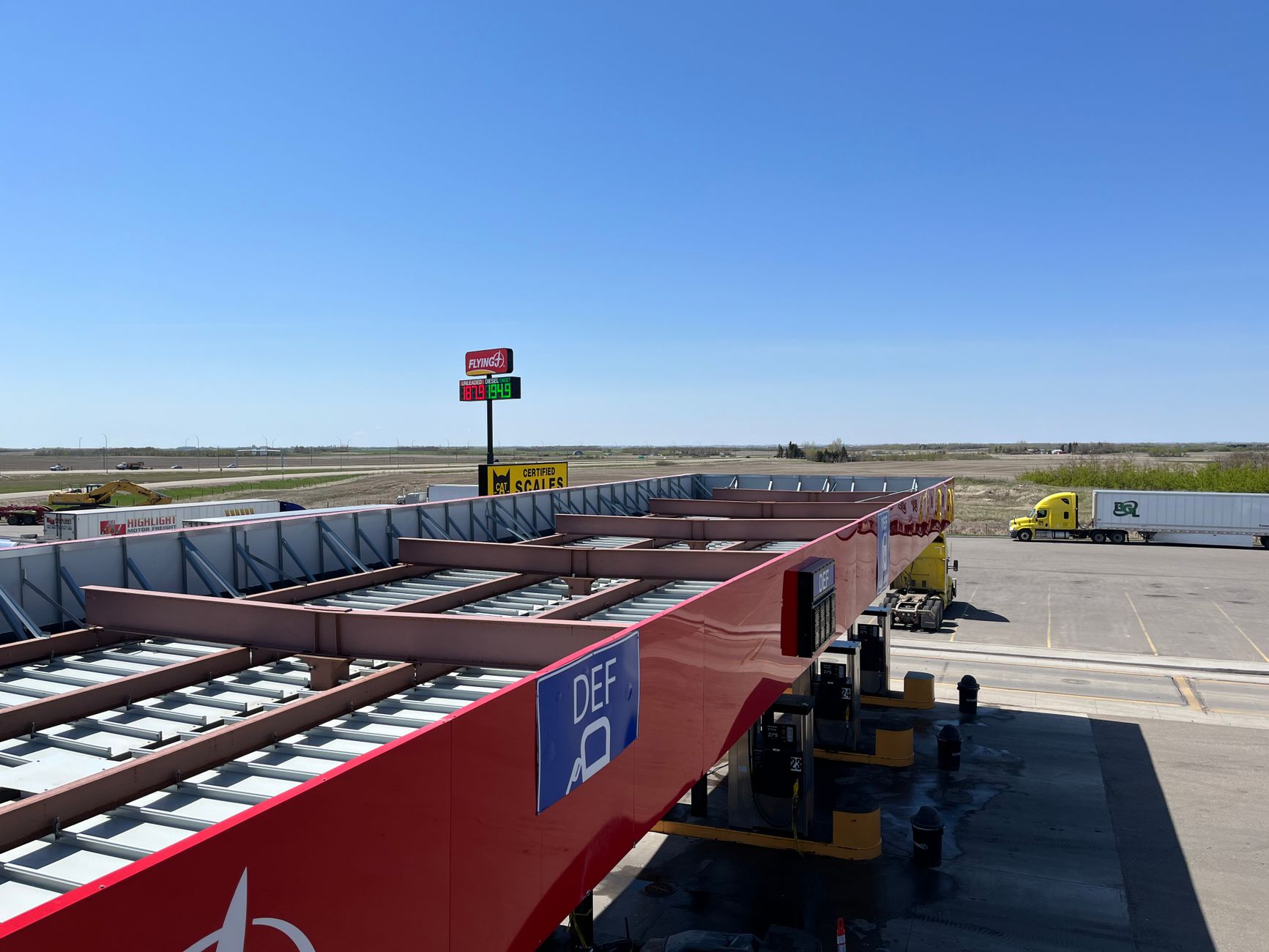
A cleaning robot ROI for truck stops shows up as labor hours returned to the crew, not as one line of savings on a statement. The floors that matter are the large hard-floor areas, such as the sales floor, the dining room and the main corridors, where foot traffic runs from early morning to late night. A floor scrubber or sweeper takes the repeat passes on those open surfaces, and staff keep the work that needs judgment, like spills, restrooms and high-touch surfaces.
The return rests on three measurable inputs: the hours of floor work the site logs each week, the share of that work on open and reachable hard floor, and the number of nights the route can run without an operator on site. Each one can be measured before any lease is signed. That measurement is what separates a credible estimate from a generic one.
Expect a range, not a fixed figure. Two truck stops with similar building footprints can land far apart, because one has carpeted seating and heavy clutter on its routes while the other runs clean, open floors all night. The rest of this page covers the math, the risks, and what a site assessment produces.
Why does truck stop floor care suit a cleaning robot?
Floor cleaning robots suit the large, mostly open hard-floor areas inside convenience and dining spaces where foot traffic runs all day. A truck stop combines a retail sales floor, a food counter and seating area, and long corridors that lead to showers and laundry. Many of those surfaces are tile, sealed concrete or vinyl, which is where a scrubber works well and where repeat passes are most predictable.
Not every part of the building fits. Carpeted dining areas, tight gaps between fixtures, and floors cluttered with displays or stock need staff or another tool. Those exclusions shrink the share of the total floor the robot can take, and the estimate has to reflect that from the start rather than after installation.
The fit is strongest where the same route runs every night and the floor is clear enough to run it unattended. A predictable layout produces the cleanest return, and it also makes the first months of go-live simpler to manage.

Median hourly wage, Janitors and Building Cleaners
$4,041
Monthly cost of one full-time worker, at the median wage plus payroll costs (an estimate, not a quote).
How much floor work does a truck stop site involve?
Industry data gives the size of the market. According to the NACS convenience store count, there were 151,975 U.S. convenience stores at the end of 2025, down 280 (0.2%) year over year. Stores selling fuel rose by 768 to 122,620, the highest in eight years. NACS's earlier 2025 release reported 152,255 stores at the end of 2024, with 121,852 selling fuel.
The same count shows 95,672 stores, or 63% of the total, belong to companies with 10 or fewer stores. That fragmentation matters because many fuel and food sites are run by independent operators or small chains with no dedicated janitorial department. The floor work usually lands on the counter and shift staff, who fit it between other duties.
Truck stop counts are not published in the same series, so treat these figures as a proxy for fuel and food retail floors. Staffing data specific to truck stops is thin. The Bureau of Labor Statistics Occupational Outlook Handbook lists about 2.4 million jobs for janitors and building cleaners in 2024 across all settings. This page uses 2 people doing floor work per site as a working estimate, drawn from a single hospital floor care case, and not as a sourced truck stop headcount.
What hours does a cleaning robot take off the crew?
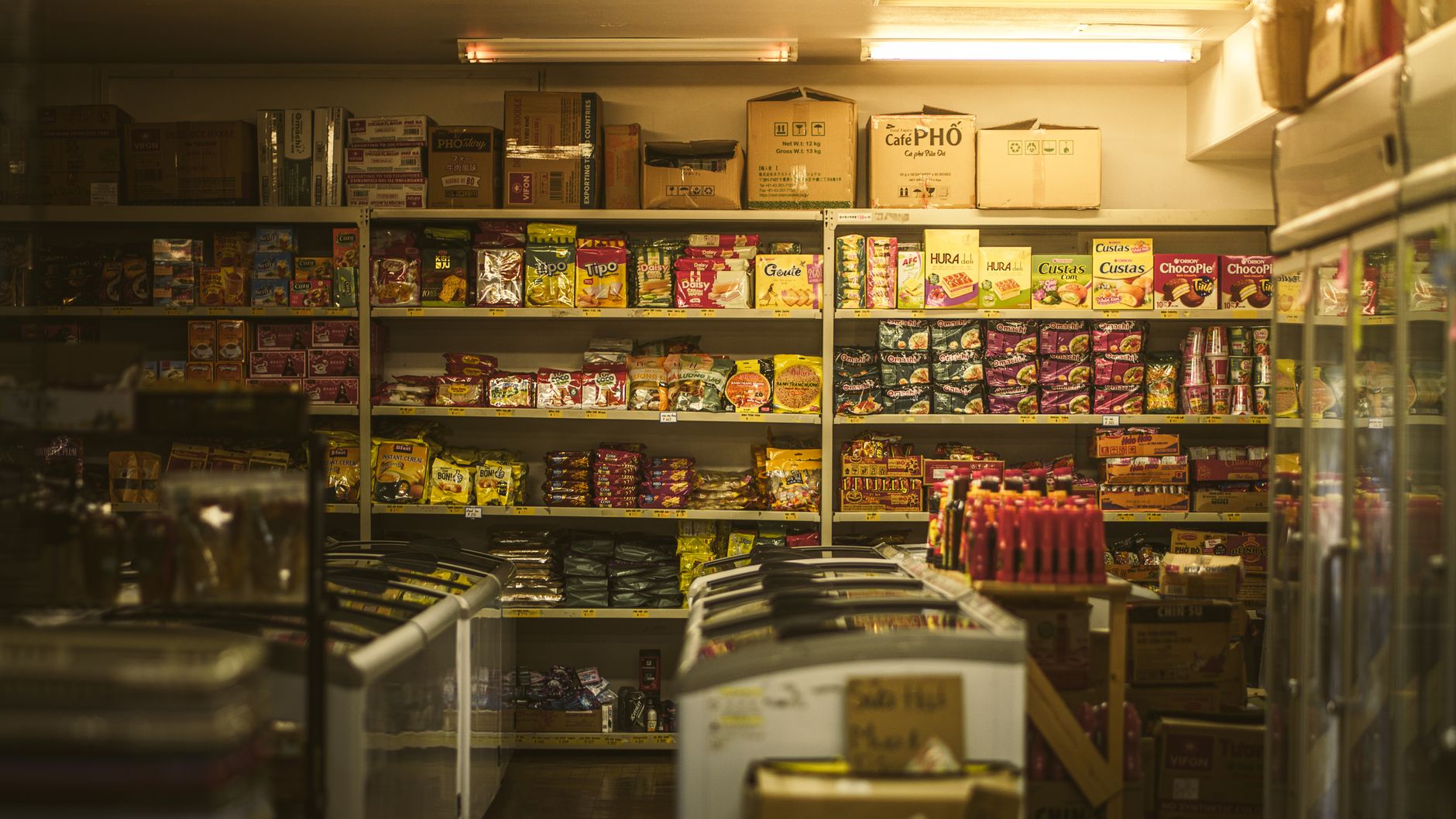
The most detailed hour figures available come from a 2023 hospital floor care case study reported by a robot vendor. Two floor technicians had spent over 16 hours in total on a 50,000 square foot area. After two scrubbers were deployed, labor dropped to about 5 manhours per night, scrubbing hours fell 50%, and staff moved to restroom cleaning and carpet shampooing. The study does not say what period the 16 hours covered, and the setting is a hospital, so use it as direction rather than a forecast.
The hours on this page are priced on the wage in the government wage data on this page, for the janitors and building cleaners type of work the robot takes over. A sample lease comparison model from a blog estimates about 2 hours saved a night, and says payback only works above roughly 11,000 square feet of reachable hard floor cleaned five nights a week. That threshold is a model assumption, not a field result. It still shows why floor area and run frequency drive the math more than anything else.
Turnover shapes how those hours get staffed. A janitorial staffing blog summarizing industry research reports that annual separation rates for janitorial work are commonly above 50%. The crew you train this quarter may not be the crew on shift next quarter, which makes hours harder to measure. Log your own hours for several weeks before you estimate anything.
What changes the number up or down?
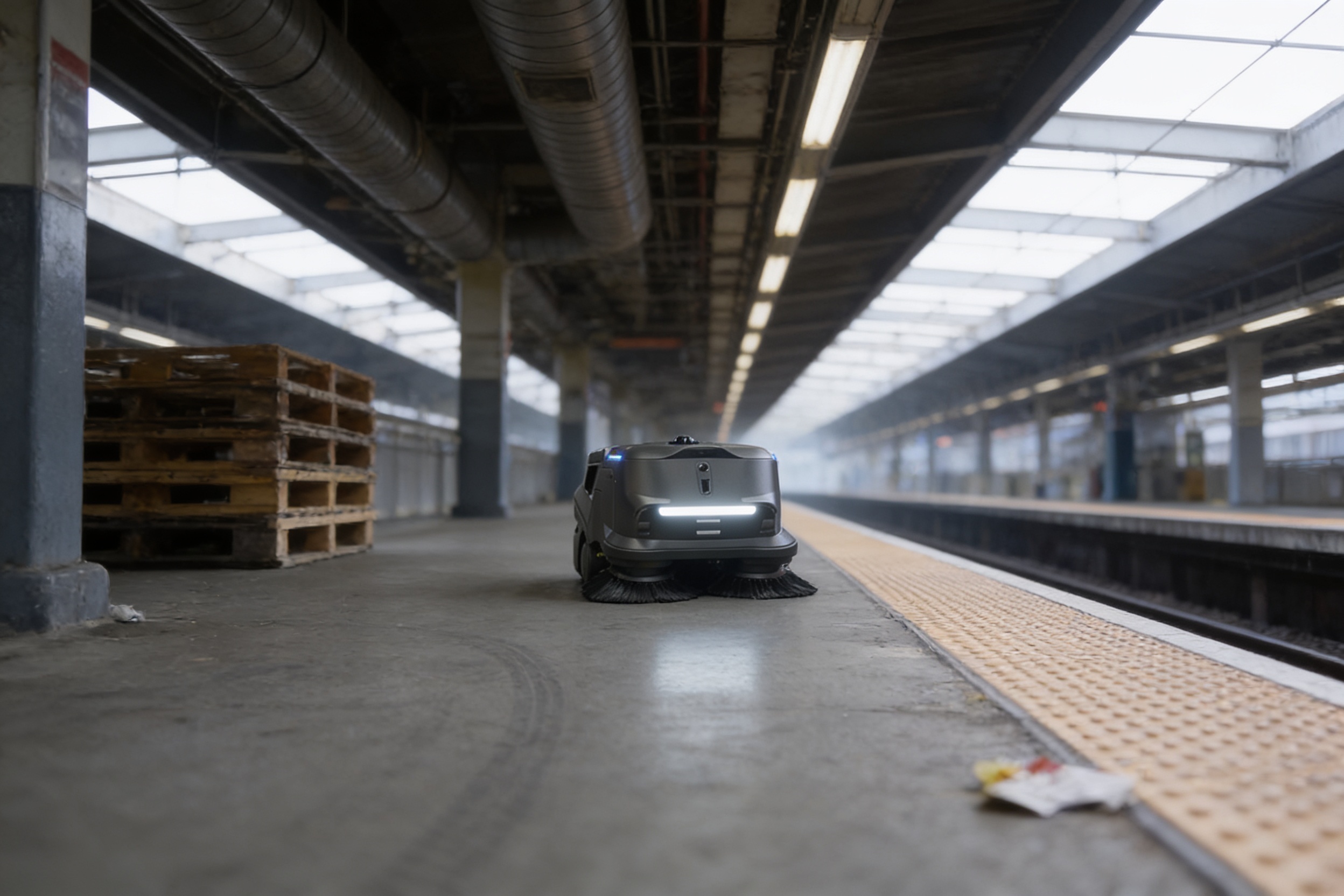
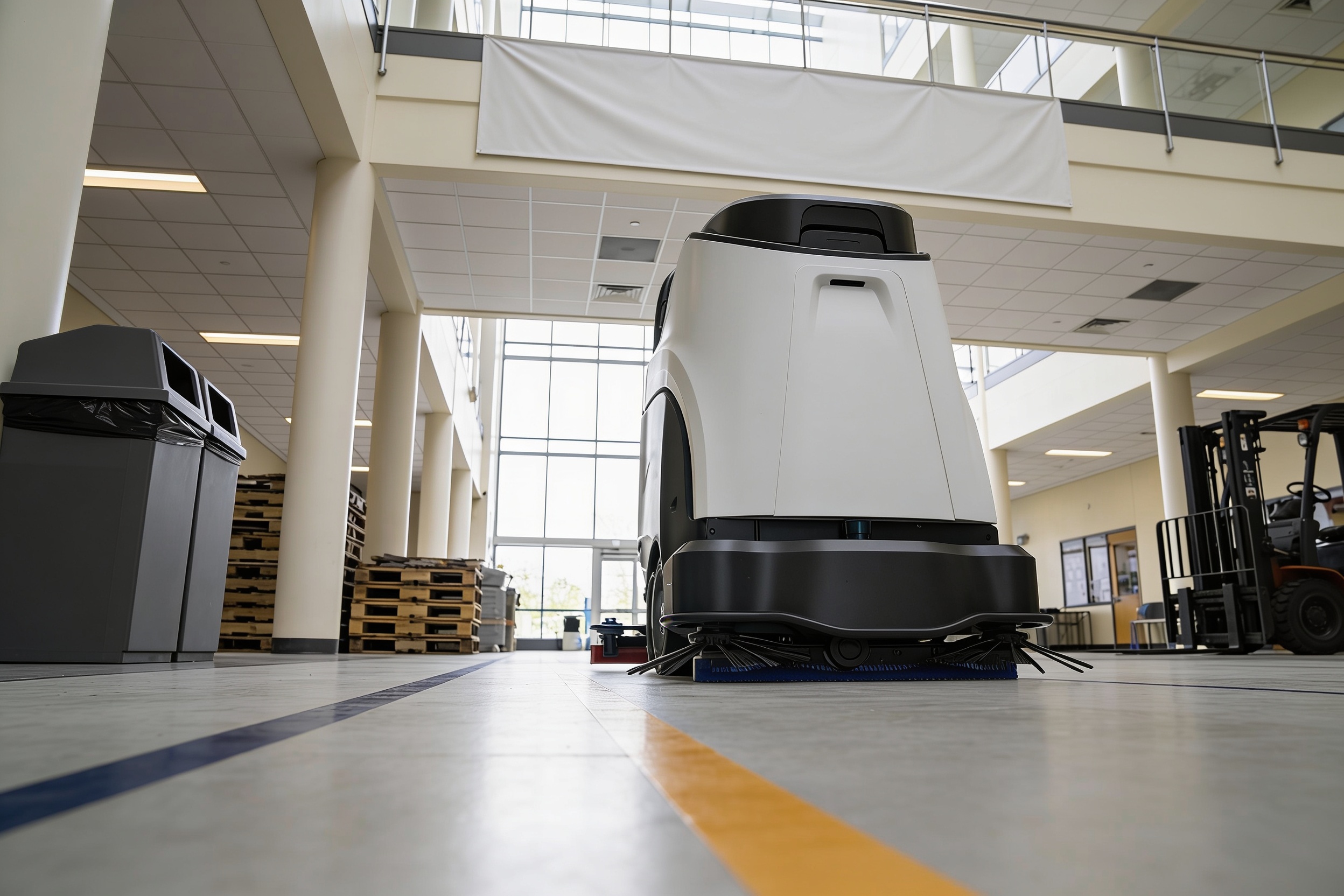
Reachable hard floor area and run frequency move the return the most. A large, clear sales floor cleaned every night offers more hours to offset than a small floor with heavy clutter, or a route that runs only on weekends. Each added night of coverage adds offset hours, so the schedule deserves as much attention as the square footage.
Floor type and obstacles come next. Tile, sealed concrete and vinyl are the easiest surfaces to run. Carpet, thresholds, displays and temporary stock all lower the share of work a robot can take. Staff turnover and training time can add hours back into the crew's week, at least in the first weeks after go-live.
Check these inputs before you accept any range. The checklist below lists the items that change the calculation, and each moves the result in a direction you can predict.
How does robot cleaning compare with a person on the floor?
The honest comparison is not robot against worker, but which tasks each handles well. A scrubber makes repeat passes over an open floor on a fixed route, without breaks, and it runs after close. A person adjusts to spills, moves furniture, reaches tight spaces, and cleans the surfaces a scrubber cannot reach. Most sites end up with both.
Injury data is one reason sites look at automation for repetitive floor work. The Bureau of Labor Statistics reports 157.4 cases with days away from work per 10,000 FTE for janitors and cleaners, except maids and housekeeping cleaners, in 2019, and 191.6 in 2020. The same series counted 18,680 such cases in 2019, and 42 fatalities in 2020 and 45 in 2019. These are occupation-wide figures, not truck stop figures, and no trial in this research measured injury change, so the case for automation rests on hours and staffing, not a proven injury cut.
Staff remain essential for work the robot cannot do. Make sure the staffing plan names who handles spills, restrooms, showers and any fault that stops the route.
- Off-hours coverage
Cleaning Robot
Runs a set route after close without an operator on site
Staff
Needs a shift, a break schedule and supervision
- Repeat passes on open hard floor
Cleaning Robot
Same route and pass count on every run
Staff
Consistent when rested, slower on long shifts
- Spills, debris and odd jobs
Cleaning Robot
Needs staff to clear the route and handle the spill
Staff
Handles spills, sticky messes and jobs off the route
- Restrooms, showers and high-touch surfaces
Cleaning Robot
Does not do these tasks
Staff
Handles them, and they are often what guests notice most
- Carpet, tight gaps and fixtures
Cleaning Robot
Limited on carpet and in tight spaces
Staff
Works with tools and judgment in these areas
- Absences and turnover
Cleaning Robot
Keeps the route running on short shifts, but needs an operator on call
Staff
An absence leaves the work undone, and new hires need training
What are the risks to the return, and how do you avoid them?
The biggest risk is an overstated share. If the estimate assumes the robot cleans the whole building, the result will disappoint. Map the route, measure the clear area, and count the zones that still need staff before you set the target.
Downtime is the second risk. A unit out of service returns the floor to staff, and the offset disappears for that shift. Ask how the service plan handles a fault: how fast a technician reaches the site, and whether a spare unit is available while a repair happens. Remote triage can settle simple faults before anyone travels to the site. We provide service nationwide.
The third risk is hours that never leave the crew. If the robot takes the open floor but staff still walk the same route, the return is close to zero. Set the schedule so staff time is actually reassigned, then track it through the first months of operation.
What is a realistic timeline from assessment to payback?
The path usually runs from a site assessment and floor map, to a written quote, to installation and staff training, and then to a measured period of routine runs. Timing depends on site access and approval steps, so the assessment sets the schedule rather than a generic calendar. Payback depends on the reachable area, the run schedule and the hours actually reassigned, so no timeline should be stated before those are measured.
We pick the right robot for the site, lease it through financing, deploy and integrate it, train the staff and service it nationwide. Go-live support covers the first runs, when routes get adjusted and staff learn what to clear before each shift. The early weeks give the clearest read on hours returned, because the route is new and the staff routine is still forming.
Track three numbers from the first week: route minutes, staff hours reassigned, and stops for faults. Those give the payback check its real inputs, and they show whether the range from the assessment holds.
How do you get a precise figure from a free site assessment?
A free site assessment is where the range becomes a number. The visit maps the floor, measures reachable hard floor area, records the route and the hours the crew logs today, and notes carpet, obstacles and peak traffic times. Those measurements replace the assumptions in sample models and produce a lease payment quote for the specific site.
Bring the actual cleaning schedule, the hours your staff log, the floor plan, and a list of trouble spots such as heavy spills or traffic peaks. The more accurate those inputs, the narrower the savings range becomes. Ranges are never promises, and the final figures come from the written quote.
Ask the assessment team to show how the range was built: the share of floor the robot takes, the hours that share offsets, and what the lease payment covers. We are a US commercial robot integrator, and we handle robot selection for the site, the lease financing, deployment, training and nationwide service. Request the assessment before you commit to any plan, so the decision rests on your own floor.
Frequently asked questions
Want a cleaning robot at your truck stop?
Tell us about your site. We will recommend the robot, quote the lease, and keep it serviced.
Sources
- US Bureau of Labor Statistics, Occupational Employment and Wage Statistics (OEWS May 2024)
- NACS convenience store count fact sheet
- NACS 2025 release, U.S. convenience store count
- BLS Occupational Outlook Handbook, janitors and building cleaners
- BLS injury and illness snapshot, janitors and cleaners 2016-20
- Janitorial turnover research summary (industry blog)
- Hospital floor care case study, 2023 (vendor-published)
- Commercial cleaning robot lease comparison (blog calculator)