
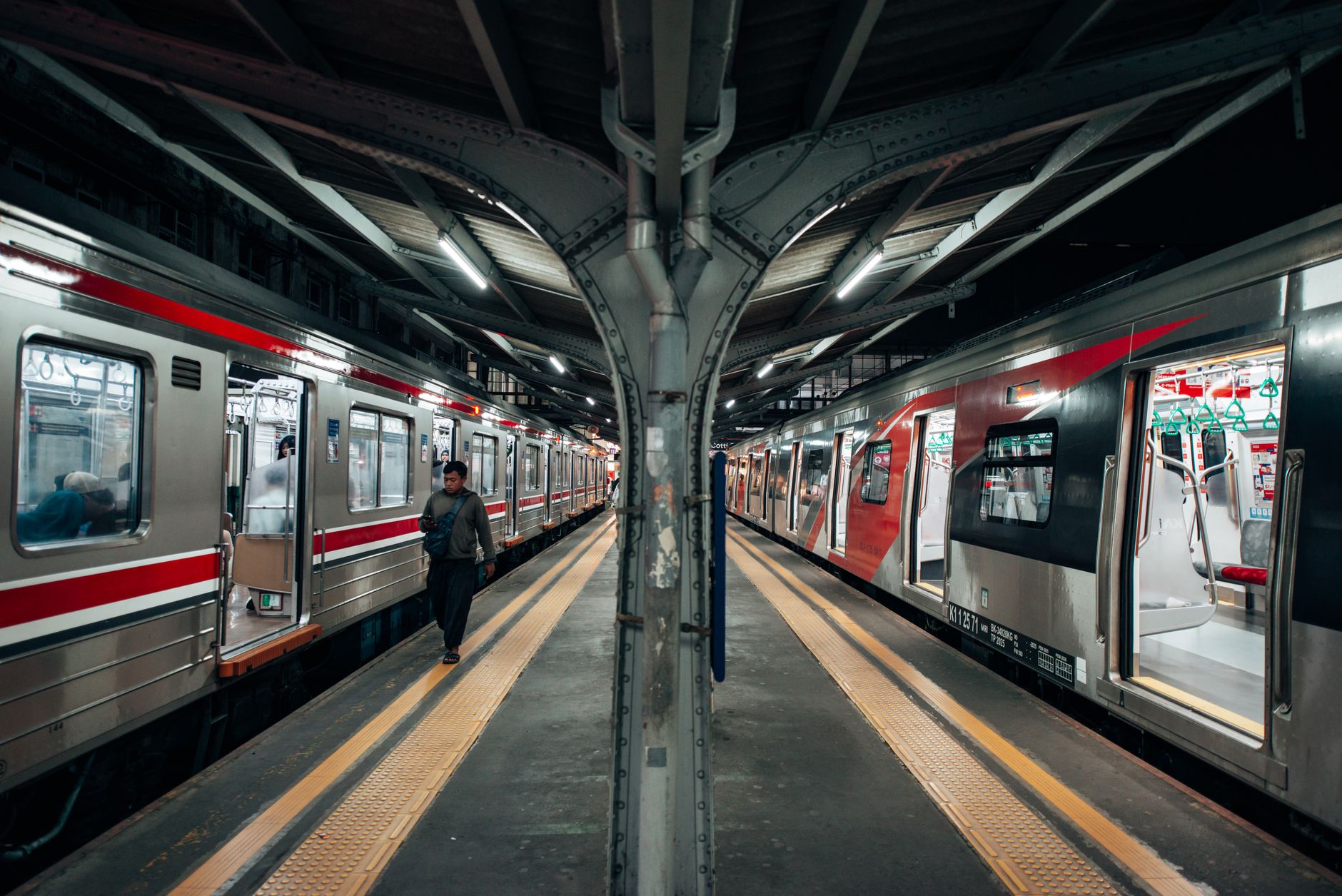
The short answer
Cleaning robot ROI for train stations comes from the open-floor hours a robot takes over from a night crew, not from removing the whole team. Savings are a range set by how much of the route fits the robot, how much of the work it takes, and what the fixed lease payment costs over its term. A free site assessment turns those inputs into a precise range before any lease quote is set.
Key takeaways
- The return comes from open-floor hours a robot takes over, not from removing the whole night crew.
- Use the janitors and building cleaners hours in your own schedule as the labor baseline.
- Savings are ranges that move with route coverage, unfilled shifts and lease terms.
- Most public evidence from rail stations comes from operators and vendors, so test on your own floors.
- A free site assessment is the only route to a precise return figure for your station.
Run the numbers for your site
Pick your city or state for a real regional number - we use the real BLS wage there. (On the live site this auto-detects from your location.)
What do you want to automate?
The robot runs the open floor overnight; your crew keeps detail and edges.
What is cleaning robot ROI for train stations?
Cleaning robot ROI for train stations is the return a transit operator gets from running an autonomous floor scrubber or sweeper on a fixed route through concourses and platforms, measured against the janitors and building cleaners hours that the robot takes over. The question matters most in overnight and low-traffic hours, when a station has fewer riders but large open floors that still need wet cleaning. Those are the hours that are hardest to staff with a full crew.
The return is not one number. It depends on how many floor hours fit the robot's route, how much of the shift the robot can run without a person, what the lease costs over its term, and whether freed staff time goes to work that matters. This page walks through each part and marks which figures come from public agencies and which are reported by operators or vendors.
Where does the return come from at a rail station?
Most of the return comes from scheduled hours on large, flat, open areas. Concourses, platforms and main corridors suit this work, because a robot follows a mapped route and makes the same pass each night. Stairs, escalator landings, restrooms, fare equipment and cluttered corners usually stay with people, so they set the ceiling on what the robot can take.
Station counts depend on definition, so do not start from a national total. According to the Bureau of Transportation Statistics, the table of stations served by rail transit totaled 3,355 in 2014, and the same source notes that many light rail stops do not meet the National Transit Database station definition. Build the model from the floor area of the station you are assessing.
Current cleaning patterns also show where floor hours sit. A station cleaning program document gives crew sizes by usage tier, which is a practical starting point for mapping where the work actually happens.
Median hourly wage, Janitors and Building Cleaners
$4,041
Monthly cost of one full-time worker, at the median wage plus payroll costs (an estimate, not a quote).
How many cleaners does a station typically use?
No current, comparable per-shift staffing standard was found for stations. The best-documented figure comes from a station cleaning program document published by a San Francisco Bay Area transit agency, dated 2018. It set very high-usage stations at 3 day and 3 swing-shift cleaners plus 6 on graveyard shift, Wednesday to Sunday. High-usage stations got 2 per day and 2 on swing, and lower-usage stations got 1 on weekday day shifts.
Other figures are less precise. A Millennium Post news report on a metro cleaning program said that on average 20 to 25 people are deployed per station, and the report is undated. A news report on a labor dispute at a Boston transit system said 90 of 315 janitors would lose jobs in a staffing reduction, but that is a system total, not a per-station figure.
For planning on this page, the typical headcount is 4, drawn from the high-usage tier above. Replace it with the crew count from your own schedule before you model any return.
How does the savings math work?
The math starts with a labor baseline. Take the janitors and building cleaners hours that the current schedule spends on the open floor the robot will cover, then apply the share of those hours the robot realistically takes. The government wage data on this page gives the wage for this job, and that wage applies only to the hours the robot takes over, not to the whole station team.
Then subtract the costs that stay. These include supervision, spot cleaning, route setup, the start of each run and the review of logs at shift change, plus the fixed lease payment set in a quote after a free site assessment. The result is a range, not a promise: a low case where the robot covers a smaller share of the route, and a high case where it covers most of it.
The share matters more than most decision makers expect. A robot that covers the open floor for a full night but cannot reach stairs, restrooms or cluttered corners still leaves a crew needed for those tasks. Count the work that actually moves, not the work that is in the building.

Robot or staff: what does each do best?
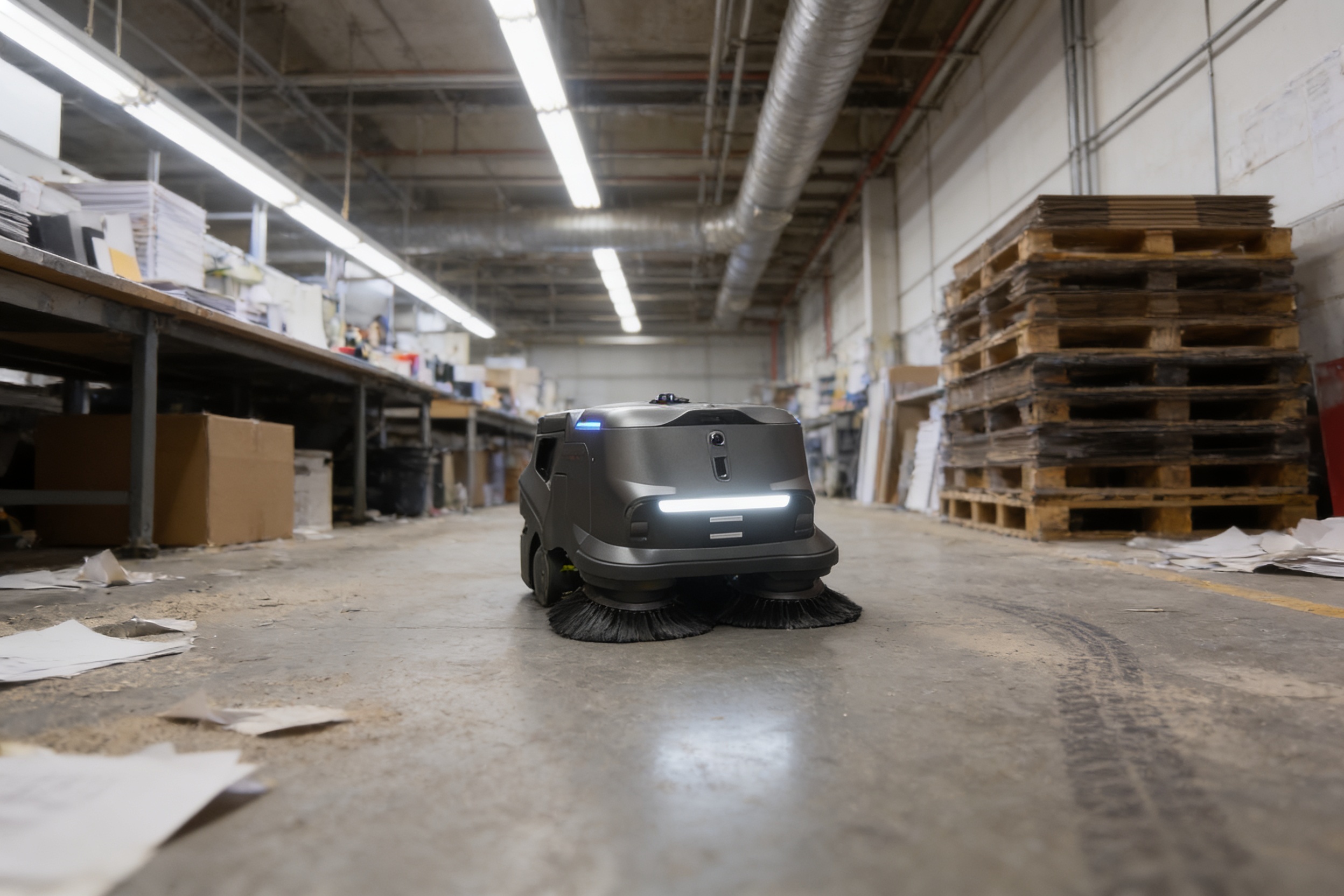
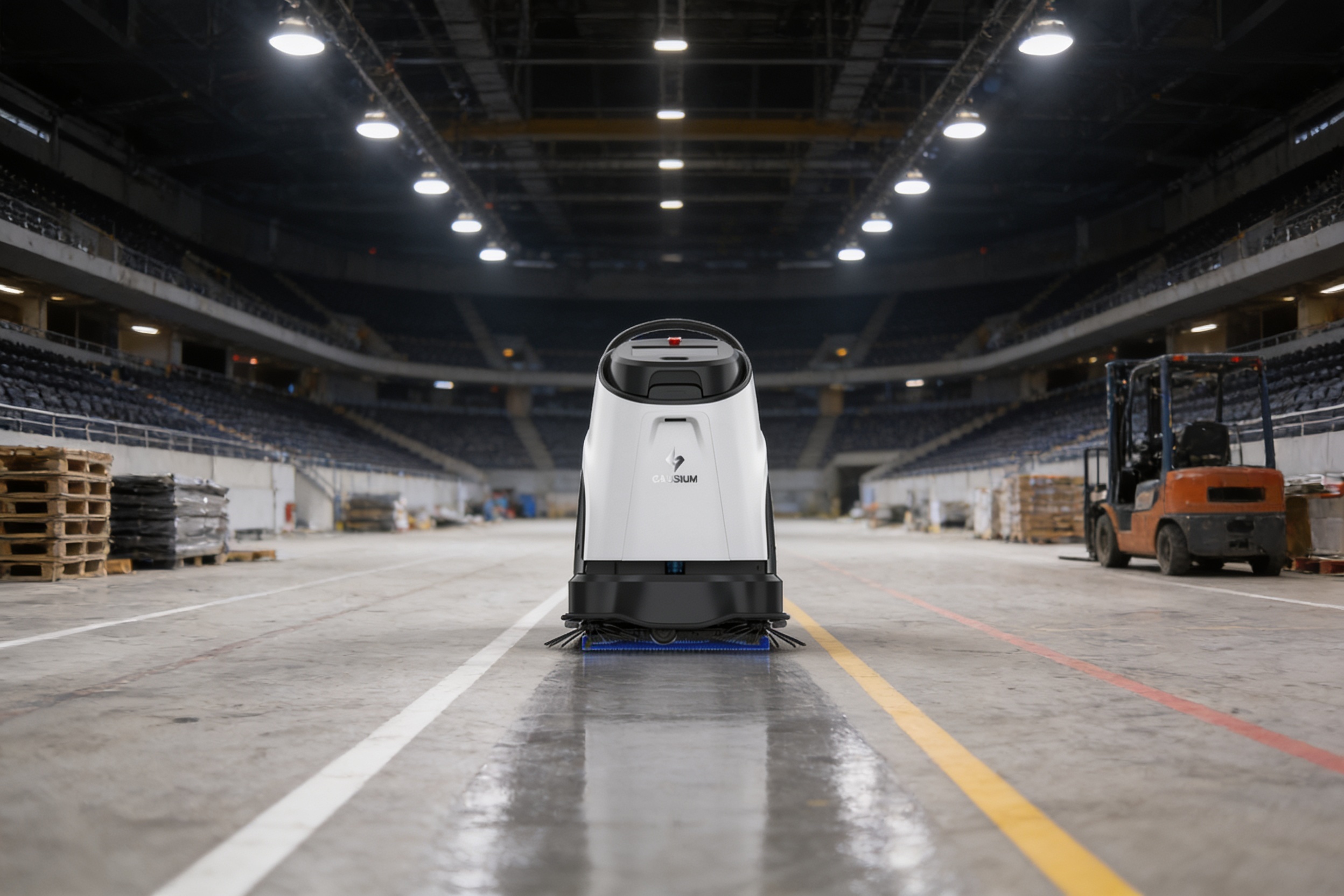
The comparison is not robot against person. Each does a different part of the night better. The robot wins on repeatable coverage of open floor when shifts are hard to fill. People win on anything that needs judgment, reach or a quick response.
The honest case for the robot is narrow but real. It keeps the repetitive open-floor pass running and frees the crew for tasks only people can do. It does not replace the whole crew, and a station that expects it to will be disappointed.
- Open-floor coverage overnight
Cleaning Robot
Runs a mapped route with no person on the open floor, same pass every night
Staff
Adjusts to spills, debris and crowds as they appear
- Stairs, landings and restrooms
Cleaning Robot
Limited to open, mapped floor, so these stay with staff
Staff
Handles stairs, corners, restrooms and fare areas
- Consistency
Cleaning Robot
Same route and pass on each run
Staff
Varies by worker, shift and fatigue
- Incidents on the floor
Cleaning Robot
Pauses or stops and reports, but needs staff to clear the problem
Staff
Reports, clears and responds in the moment
- Unfilled overnight shifts
Cleaning Robot
Keeps the open route running while a shift is short
Staff
Must be hired, trained and scheduled before coverage returns
- Setup and upkeep
Cleaning Robot
Needs mapping, charging, service visits and staff training on the system
Staff
Needs supervision and training too, but no mapping or service visits
What changes the number up or down?
Floor area and route fit move the number most. A large open concourse with clear sightlines gives the robot more usable hours than a station with many fixtures, queues or temporary barriers. Map the area before any figure goes into a model.
Current coverage matters as well. If the station already runs unfilled overnight shifts, the robot's value shows up as coverage that would otherwise go undone, which is the easiest gain to show. If the crew is full and mostly busy with other tasks, the gain comes as hours that can be reassigned, which is smaller and harder to bank.
Lease term, the number of units and service coverage also matter. A longer term spreads the fixed payment over more years. A single unit on one route is a different case from a small set covering several stations, and a spare unit or a fast service visit keeps the route from going unworked when a unit is down.
What are the risks to the return, and how do you avoid them?
The biggest risk is an overstated share. If the estimate assumes the robot cleans the whole station, the return collapses the first time staff still have to handle stairs, restrooms and spot cleans. Model the route you can actually run and count the staff work that remains.
The evidence base is thin and mostly operator or vendor reported. According to an operator-side report on one São Paulo metro line, platform cleaning time fell from about 3.5 hours to about 40 minutes per operation. Vendor-reported figures carried by a Brazilian transport news report put the water use cut on the same deployment at 98%, from about 980 litres to 15 litres per operation. No independent measurement of either figure was found, so treat them as a reason to test, not as your baseline.
Avoid the risk with a pilot on one route. Measure hours before and after on the same floor, log the staff work that remains, and decide on a wider deployment only after those numbers hold.
What does an overnight shift look like with a robot?
The times in this example are illustrative, not a standard. A typical night starts with staff confirming the mapped route, clearing loose items and starting the run before the station quiets. The rest of the night is a rhythm of robot passes and staff checks.
The people on the crew stay busy with the tasks the robot cannot take. That includes restrooms, stairs, spills outside the route and the final review of the log that tells the next shift what happened.
How long from assessment to payback, and how do I get a precise figure?
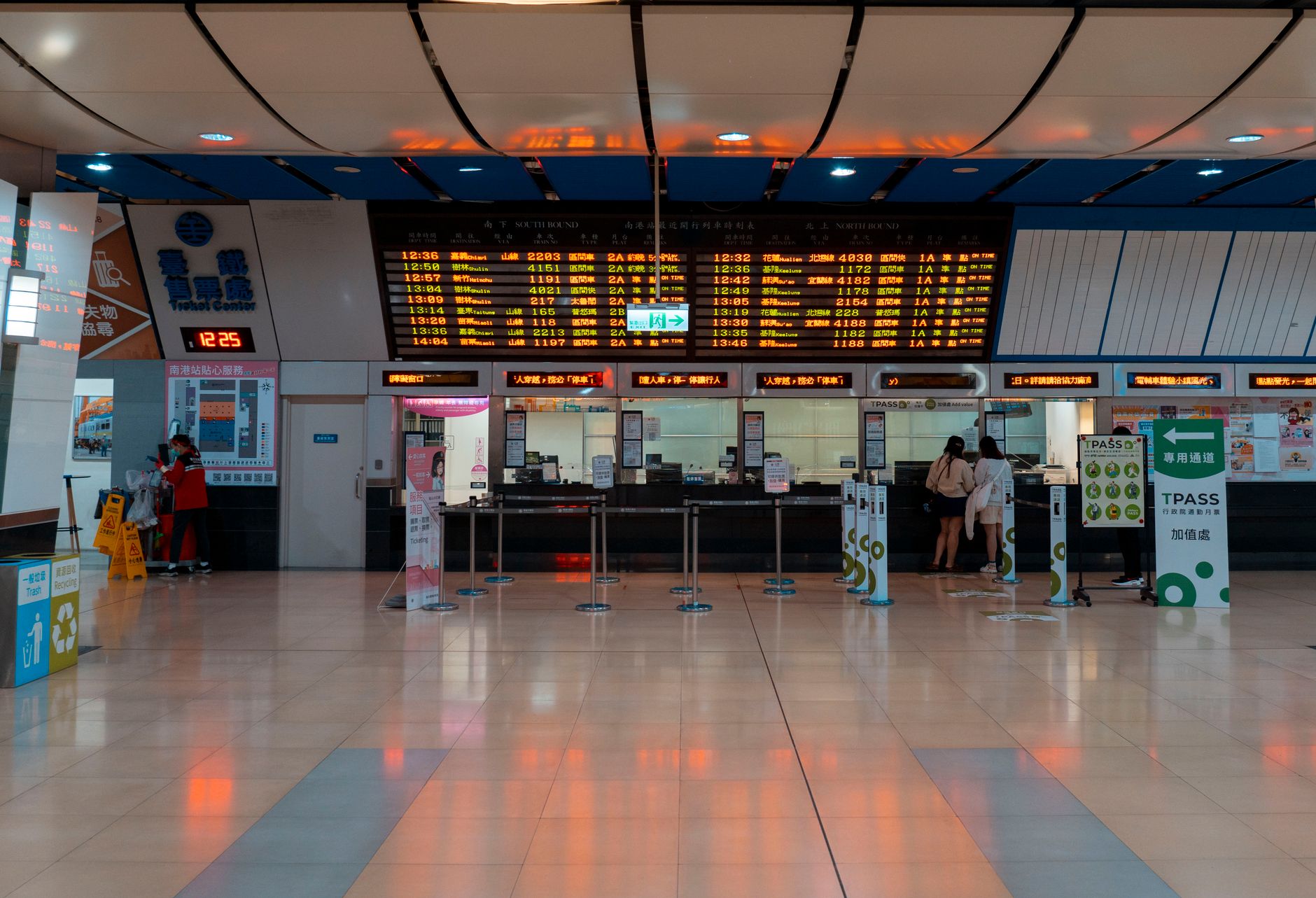
The path runs in stages: a free site assessment, floor mapping and route design, a lease quote through financing, deployment and integration, then go-live support and a review of hours after the first period. Each stage can be done without shutting the station. Our team picks the robot for the site, leases it through financing, deploys and integrates it, trains the staff and services it nationwide, so one partner handles the whole path.
No verified duration for a station deployment was found, so do not rely on a general timeline. Ask for the schedule in writing as part of the assessment, and ask which stages depend on the transit agency's own approvals.
Payback arrives when the hours saved, net of the remaining staff work, cover the fixed lease payment over its term. The free site assessment maps the floor, measures route coverage and turns your current hours into a range that sets the lease quote. Ask for the mapped area, the hours table and the low and high cases before you decide.
Frequently asked questions
Want a cleaning robot at your train station?
Tell us about your site. We will recommend the robot, quote the lease, and keep it serviced.
Sources
- US Bureau of Labor Statistics, Occupational Employment and Wage Statistics (OEWS May 2024)
- Bureau of Labor Statistics, Occupational Outlook Handbook: Janitors and building cleaners
- Bureau of Labor Statistics, Injuries, Illnesses and Fatalities: janitors and cleaners, 2016-20
- Bureau of Transportation Statistics, stations served by rail transit table
- Station cleaning program document, San Francisco Bay Area transit agency (2018)
- Millennium Post news report on a metro cleaning program
- News report on a Boston transit staffing dispute
- Diario do Transporte news report, July 2026, on a São Paulo metro line cleaning deployment
- Operator-side report on platform cleaning on a São Paulo metro line