

The short answer
Cleaning robot ROI in Charlotte, NC comes from the floor cleaning hours a site can move off its schedule, mainly scrubbing and sweeping large open areas, often overnight. The return depends on how many of those hours the robot realistically takes over, minus the lease cost, measured on your own floors after a site assessment. Charlotte's local wage for this job sets the value of each hour, but the savings range is only as good as the site measurements behind it.
Key takeaways
- The return comes from floor hours moved to a robot, not from removing the whole crew.
- Use the local wage for this job and your own measured hours, not a generic savings figure.
- Most sites keep staff for restrooms, spot cleaning and anything the robot cannot map.
- Pilot one zone and measure cleaned area per labor hour before scaling.
- Get the lease quote after a site assessment, because the payment depends on floor plan and coverage.
Run the numbers for your site
Auto-detected from your location - we use the real BLS wage here. Not right? Pick your city or state above.
What do you want to automate?
The robot runs the open floor overnight; your crew keeps detail and edges.
Cleaning robot ROI in Charlotte, NC: where the return comes from
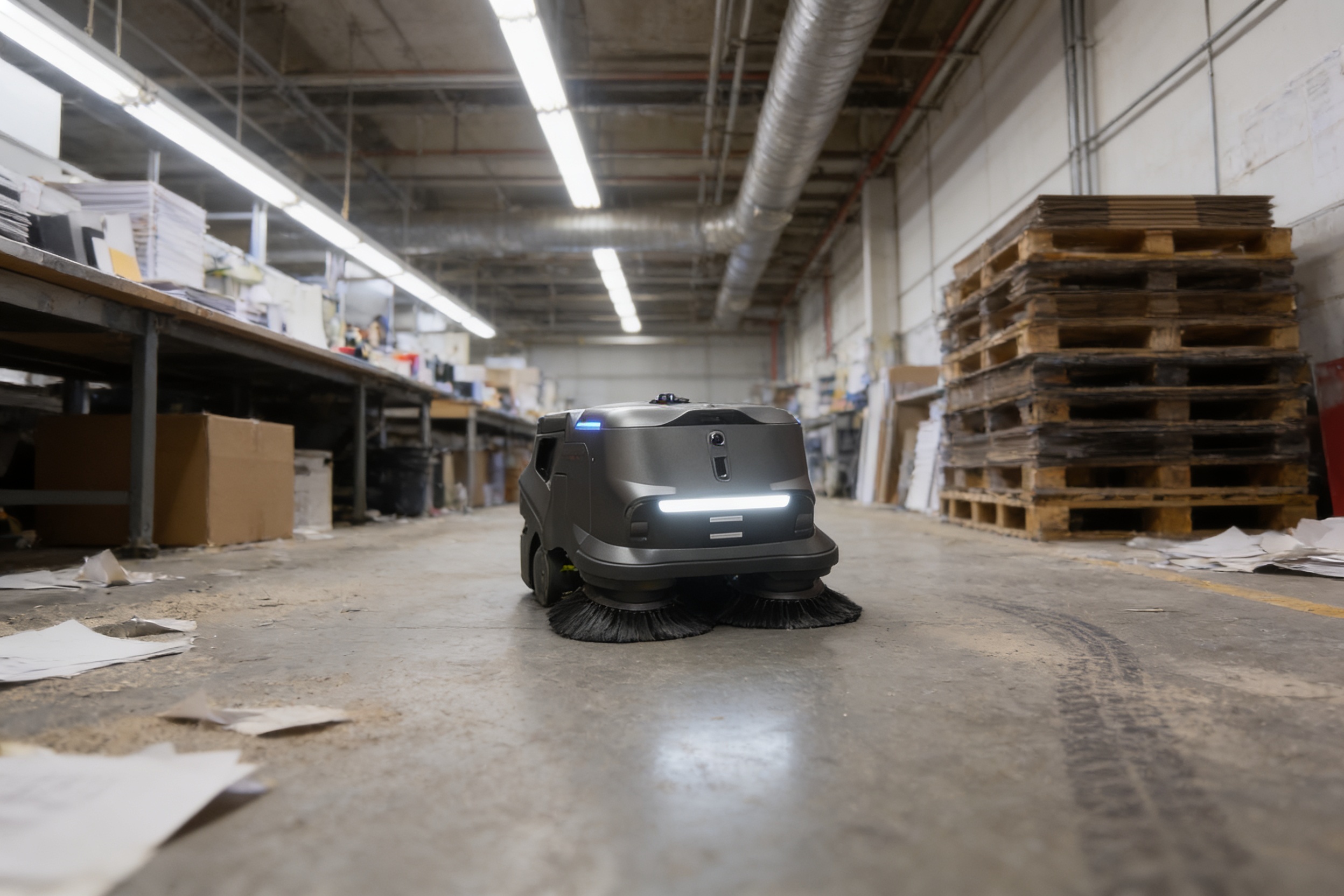
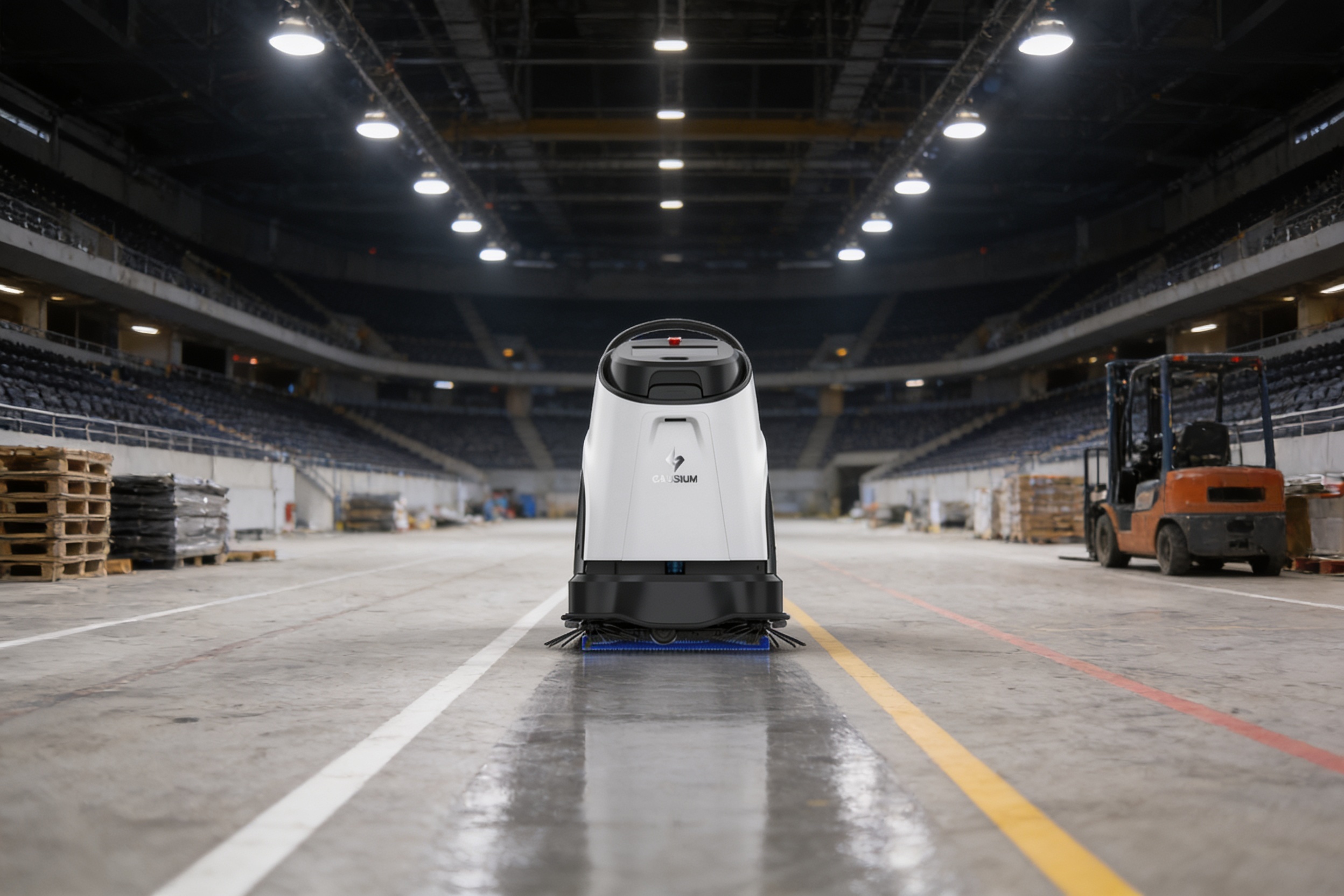
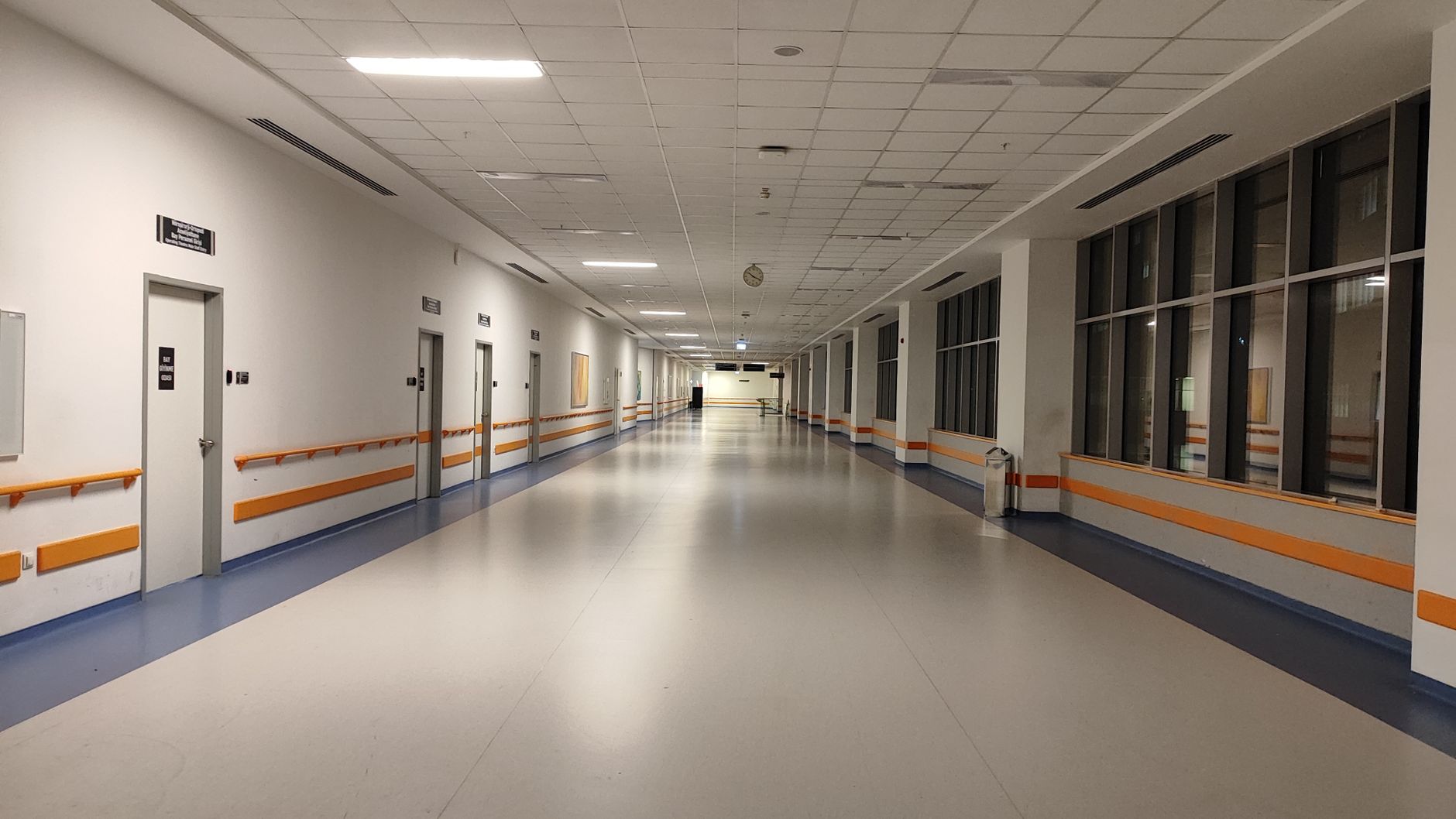
Most of the return from a cleaning robot in Charlotte comes from floor hours. A commercial floor scrubber or sweeper works through large open areas such as warehouse aisles, retail floors, corridors and lobbies, and it can run without a person on the machine. When those hours move from a scheduled crew to the robot, a site can cover more floor each night without adding shifts.
The return is not the same as a headcount cut. Few sites remove the whole crew, because restrooms, spot cleaning, detail work and spill response still need people. The calculation counts only the floor hours the robot takes over, then subtracts the lease cost and the staff time needed to set up and supervise the machine.
Adoption data points the same way. A 2019 survey by AACEM and ISSA, sent to nearly 23,000 building service contractors, in-house providers and facility managers, found adoption was early, that about one-third of non-adopters were somewhat likely to adopt within a year, and that labor savings was an influence on the decision for 77% of respondents still evaluating. That survey is old, but ISSA Today's late 2025 issue says labor shortages and rising wages have accelerated adoption of robotic equipment.
This page explains how the math works for a business in Charlotte, uses the government wage data shown beside the text for the local wage for this job, and lists what moves the result. The savings range you receive is an estimate built from your floor plan, not a promise.
How many janitors and building cleaners work in Charlotte?
According to the Bureau of Labor Statistics, janitors and building cleaners held about 2.4 million jobs nationally in 2024, and about 351,300 openings a year are projected over the decade, mostly to replace workers who leave. That turnover is why many sites struggle to keep night crews full, and it is why a robot's coverage should be checked against your own staffing history.
For Charlotte, a local news summary of May 2024 Bureau of Labor Statistics data put about 13,500 people in janitor and cleaner jobs across the area, roughly 10 for every 1,000 local jobs. That is a secondary summary and has not been checked against the official metro table, so confirm it before using it in a budget. The government wage data panel beside this text gives the local wage for the same occupation.
Charlotte is also growing. According to a USAFacts summary of Census Bureau estimates, the metro had about 2.88 million people in 2024, the 21st largest in the US, and it added more than 61,000 residents in a single year. That growth adds floor area that a crew has to cover.
The typical crew size per site used on this page, three people, is our working estimate and not a sourced figure. Replace it with your own roster when you run the numbers.
Median hourly wage, Janitors and Building Cleaners
$3,877
Monthly cost of one full-time worker in Charlotte, NC, at the median wage plus payroll costs (an estimate, not a quote).
How does the savings math work?
The core formula is simple. Take the floor hours per week that a robot can take over, price them at the local wage for this job from the government data on this page, then subtract the lease cost and the staff time needed to set up, check and supervise the machine. Each input should come from a measurement on your site, not an industry average.
Start with the hours. Walk the floor, list each zone, and record how often it is scrubbed or swept and how long a crew takes to do it now. Then apply the share of that work the robot can realistically do. Robots handle open, mapped, reasonably clear floor well. They do not replace detail work in tight or cluttered spaces.
Then count the offsets. Staff still spend time loading or updating maps, checking the machine at the start of a shift, clearing obstacles and reviewing alerts. Those minutes come off the gross hours. The lease payment is quoted after a site assessment, once the floor plan, coverage needs and service plan are known, and only then can net hours be set against it to produce a savings range.

What changes the number up or down?
Four things move the result most. Open floor with few obstacles raises the share of work a robot takes. Dense shelving, furniture, carpet, stairs and tight turns lower it. Shift timing matters as well, because a robot running overnight covers hours that a daytime crew would otherwise need, while a daytime robot shares aisles with people.
Staffing history changes the value. If a site has trouble filling night shifts, the hours a robot covers are hours the site might otherwise leave undone. If the crew is stable and already fills its schedule, the value shows up as consistency and capacity rather than fewer people.
Coverage scope matters too. A single machine on a small zone returns less than a robot that covers a large building with clear routes. Service response times and uptime targets decide how much of the planned work actually happens. The checklist below lists what to check before you decide.
How much of the floor work does a robot really take?
Vendor material gives throughput figures. A vendor product page puts manual mopping at about 2,000 to 2,700 square feet per hour and says autonomous units can reach about 21,000 square feet per hour. Those are vendor-reported figures, and no independent field study of cleaned area per labor hour was found in this research.
The practical question is not rated speed. It is how much of a zone's work the machine completes on its own across a full night or shift, including the passes it misses and the areas it skips. Measure that during a pilot: cleaned area per labor hour, downtime, incident rates and user acceptance from the crew.
Plan on the robot taking open floor and leaving detail. Restrooms, cleaning around fixtures, spills and hand work usually stay with people. Set the share from pilot results, not from a brochure, and revisit it after the first layout change.
Does a cleaning robot reduce injuries for cleaning staff?
Cleaning is not a low-risk job. According to the Bureau of Labor Statistics Injuries, Illnesses and Fatalities snapshot, private industry janitors and cleaners except maids and housekeeping cleaners logged 21,100 nonfatal injury and illness cases with days away from work in 2020, an incidence rate of 191.6 per 10,000 full-time equivalent workers, up from 157.4 in 2019. The same snapshot counts 42 fatal injuries in 2020 and 45 in 2019.
Those figures come from a pandemic year and a single occupation, so treat them as context rather than a forecast for your site. They do show why reducing the repetitive push and scrub work a crew does by hand is worth weighing alongside the labor math. Fewer manual passes can mean fewer repetitive-strain exposures for the people who remain.
A robot does not remove hazards. Staff need training on robot zones, and pedestrians need clear rules near moving machines. Write the safety case into the pilot and track incident rates from the first day.
Robot or person: where each one wins
A robot is best at repeatable floor passes on a mapped route, at night, without breaks. A person is best at judgment, detail and anything the route did not anticipate. Neither covers a whole building well alone, which is why most sites use both.
Across a building, the comparison comes down to a few points. Consistency and availability favor the machine. Adaptability and cleaning around obstacles favor the crew. The table below sets them side by side so the decision reflects real tradeoffs.
- Night coverage
Cleaning Robot
Runs a mapped route without an operator at the machine
Staff
Needs a staffed shift, recruiting and retention
- Consistency of passes
Cleaning Robot
Same route and pass count on each run
Staff
Varies with the individual and the day
- Cluttered or changing layouts
Cleaning Robot
Struggles in tight, crowded or frequently changed spaces
Staff
Works around furniture, cords and stock with ease
- Spills and detail work
Cleaning Robot
Not suited to hand detail or spill response
Staff
Handles spills, fixtures and detail cleaning
- Unplanned tasks
Cleaning Robot
Needs a map update when the layout changes
Staff
Adapts on the spot
- Setup and supervision
Cleaning Robot
Staff time for mapping, checks and alert review
Staff
Direct supervision and training time
What are the risks to the return and how do you avoid them?
The biggest risk is a return built on assumptions. If hours were estimated rather than timed, or the robot is assumed to take all open floor when the pilot shows it takes less, the savings range will be too optimistic. Time each zone on site and set the share from measured results.
Downtime is the second risk. A robot that sits idle hands its hours back to a crew that may already be short. Ask for a service commitment that covers on-site dispatch, remote triage and spare units, so a single fault does not wipe out a shift of savings.
Layout change is the third. A new rack, a moved display or a renovated lobby can break a map. Build a map update step into your change process and name one contact for the site. Our team handles site mapping, deployment, integration, staff training and service nationwide, so one partner covers the robot from go live onward.
Staff acceptance is the fourth. Crews who see a robot as a threat will work around it. Explain which hours it takes and which work stays with them, and measure user acceptance during the pilot.
How long does it take from assessment to payback?
The sequence runs from site assessment to mapping, lease approval, deployment and integration, staff training, go live support and then a measured review. Durations depend on building size, approval steps and how ready the site is, so the assessment sets the schedule.
Payback is measured after go live, not projected at signing. Track cleaned area per labor hour, downtime, incident rates and user acceptance against a baseline taken before deployment, then compare net hours to the lease cost at the local wage for this job. Review the range at a set point in the pilot and adjust zones or shift times if the numbers fall short.
To get a precise figure, request a free site assessment. We map the floor, time the current zones, recommend a robot that fits the layout, and quote the lease payment with a savings range built on your measured hours. Until that work is done, the savings figures on this page are estimates.
Frequently asked questions
Put a robot to work in Charlotte.
We walk your site, learn the job, and recommend the unit that fits. Then we quote the lease, deploy it, and keep it serviced.
Sources
- US Bureau of Labor Statistics, Occupational Employment and Wage Statistics (OEWS May 2024)
- Bureau of Labor Statistics Occupational Outlook Handbook, janitors and building cleaners
- Bureau of Labor Statistics Injuries, Illnesses and Fatalities snapshot, janitors and cleaners
- AACEM and ISSA autonomous cleaning survey
- ISSA Today, late 2025 issue
- USAFacts, Charlotte metro population summary
- Census County Business Patterns data summary, janitorial services
- Local news summary of May 2024 Bureau of Labor Statistics data, Charlotte janitors and cleaners
- Vendor product page, autonomous floor cleaning throughput