
The short answer
Cobot ROI for sawmills comes from the hours of laborers and freight, stock, and material movers, hand work a robot takes off end-of-line stacking and sorting, less a fixed lease payment for the same period. The savings range depends on the share of the board flow the arm can reach and handle at line speed, and that share is measured during a free site assessment rather than assumed. Stacking and sorting is heavy, repetitive work that is hard to staff, so the return is partly labor offset and partly lower exposure to manual handling.
Key takeaways
- Stacking and sorting boards is heavy, repetitive work that is hard to staff at full line speed.
- The return is the hours of that work the robot takes over, minus a fixed lease payment for the same period.
- The share of boards the arm can reach and handle cleanly sets most of the savings range.
- Pile stability, guarding and lockout stay required, and a cobot does not remove them.
- A free site assessment measures the hours and the share on your line before any lease is quoted.
Run the numbers for your site
Pick your city or state for a real regional number - we use the real BLS wage there. (On the live site this auto-detects from your location.)
What do you want to automate?
The cobot stacks the repetitive end-of-line pallets; your team handles changeover and QA.
Cobot ROI for sawmills: what return can you expect?
A cobot at the end of a sawmill line can take over part of the lifting, stacking and sorting that people do now. The return is the labor hours of that work the robot covers, less the lease for the same period, and the size of the range depends on the mill. This page covers where the return comes from, how the math works, what moves it, and what to measure before any lease is quoted.
The industry is large enough to matter. The 2002 Economic Census, as published in the Census Statistical Abstract 2008, counted about 3,805 sawmill establishments and 95,724 paid employees under NAICS 321113. The 1997 Economic Census counted 4,404 establishments and 119,760 employees, so the count fell between the two censuses. The 2002 figures are the latest government count this research could confirm, so read them as a picture of scale and direction rather than a live total.
Our team starts each mill from the floor, not from a catalog. We pick the right robot for the station, lease it through financing, deploy and integrate it with the line, train the crew and service it nationwide. Where a number is not published, we say so and explain how it will be measured on your line.
Why is stacking and sorting boards hard to staff?
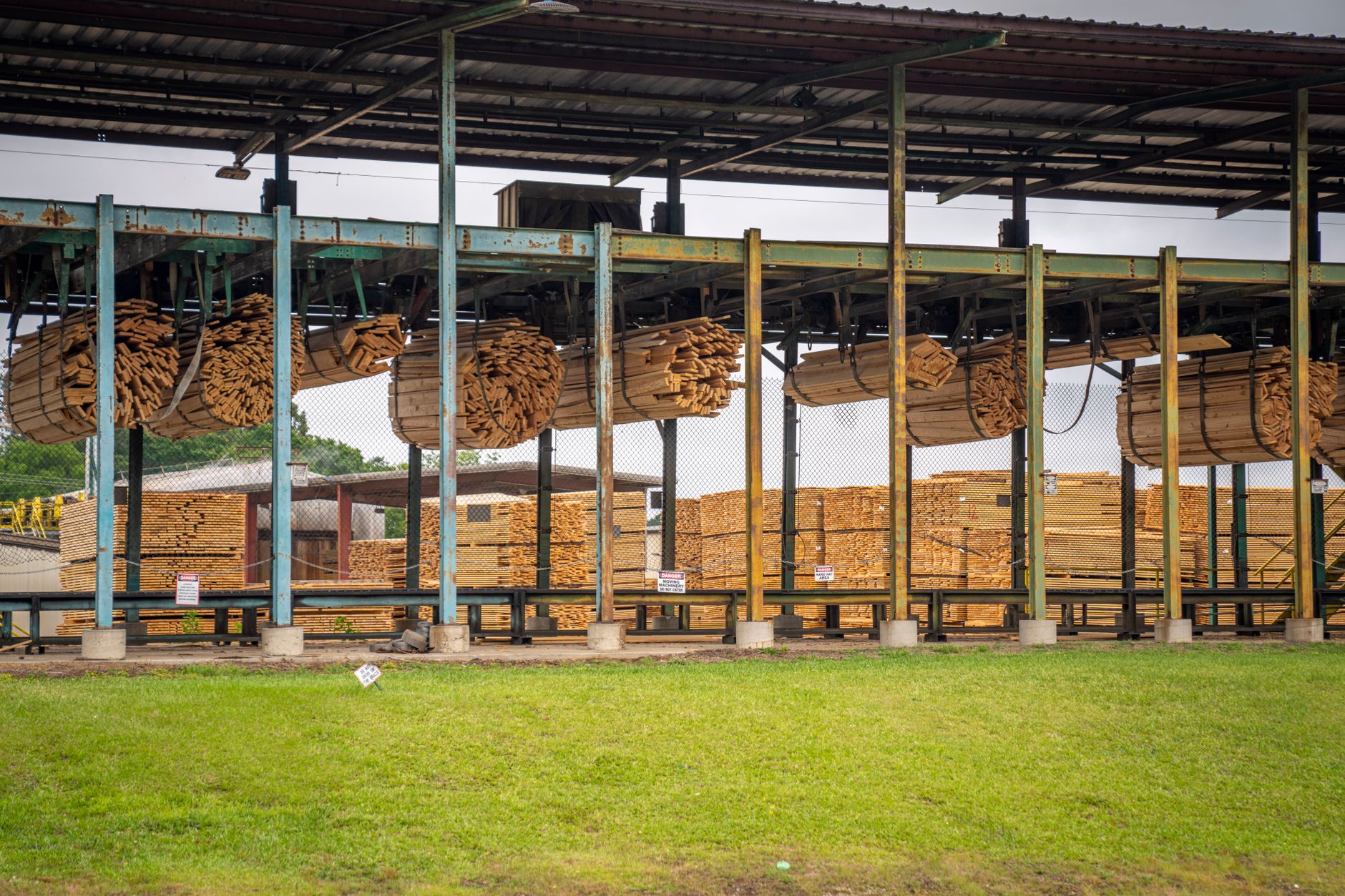
Stacking and sorting boards at the end of a line is heavy, repetitive work, and it has to keep pace with the saw. Most of it is the kind of work the government classes as laborers and freight, stock, and material movers, hand, and the government wage data on this page gives the local wage for that job. Those are the hours a robot has to take over, and they are measured in shifts at the station rather than in headcount.
Public staffing data for this exact job is thin. This research did not find a primary government turnover rate for sawmill labor, so this page does not state one. A USDA Forest Service study of Appalachian hardwood sawmills, based on interviews with 68 mill managers, found that lumber output per man-hour varied inversely with quit rates. The same study tied that variation to employee age, wages and paid holidays, which is a reminder that churn costs output.
Per-site headcount is not published in a primary source either. The 2002 census averages work out to about 25 paid employees per establishment. That average covers every role at a mill, including office and maintenance staff, so the number of people working one stacking or sorting station is smaller and has to be counted on the floor.
Median hourly wage, Laborers and Freight, Stock, and Material Movers, Hand
$4,380
Monthly cost of one full-time worker, at the median wage plus payroll costs (an estimate, not a quote).
Where does the return come from on the line?
The return comes from three places. The first is labor hours the robot takes over at the stack and sort station, and the lease math rests on it. The second is fewer people pulled onto that station when a shift is short, so the line does not slow or run understaffed. The third is less exposure to manual handling, which is harder to price but shows up in injuries, lost shifts and claims.
A cobot suits this job because it is built to share a workspace with people, and stacking and sorting is repetitive. Adoption across industry supports the category. The International Federation of Robotics reported that collaborative robots were about 11 percent of 2025 industrial robot installations, about 66,000 units, in a total of 603,000 installations, up 11 percent. That is a cross-sector figure, not a sawmill count, but it shows collaborative arms are a mainstream choice.
The honest limit is that the public sawmill examples in trade press are larger industrial systems with vision, such as robotic sorting lines and camera-fed bin sorters, not collaborative arms at a single station. A cobot is a good fit only where the board packs fall inside its payload and its reach and speed match the line. Check those before you assume a return.
How does the savings math work?
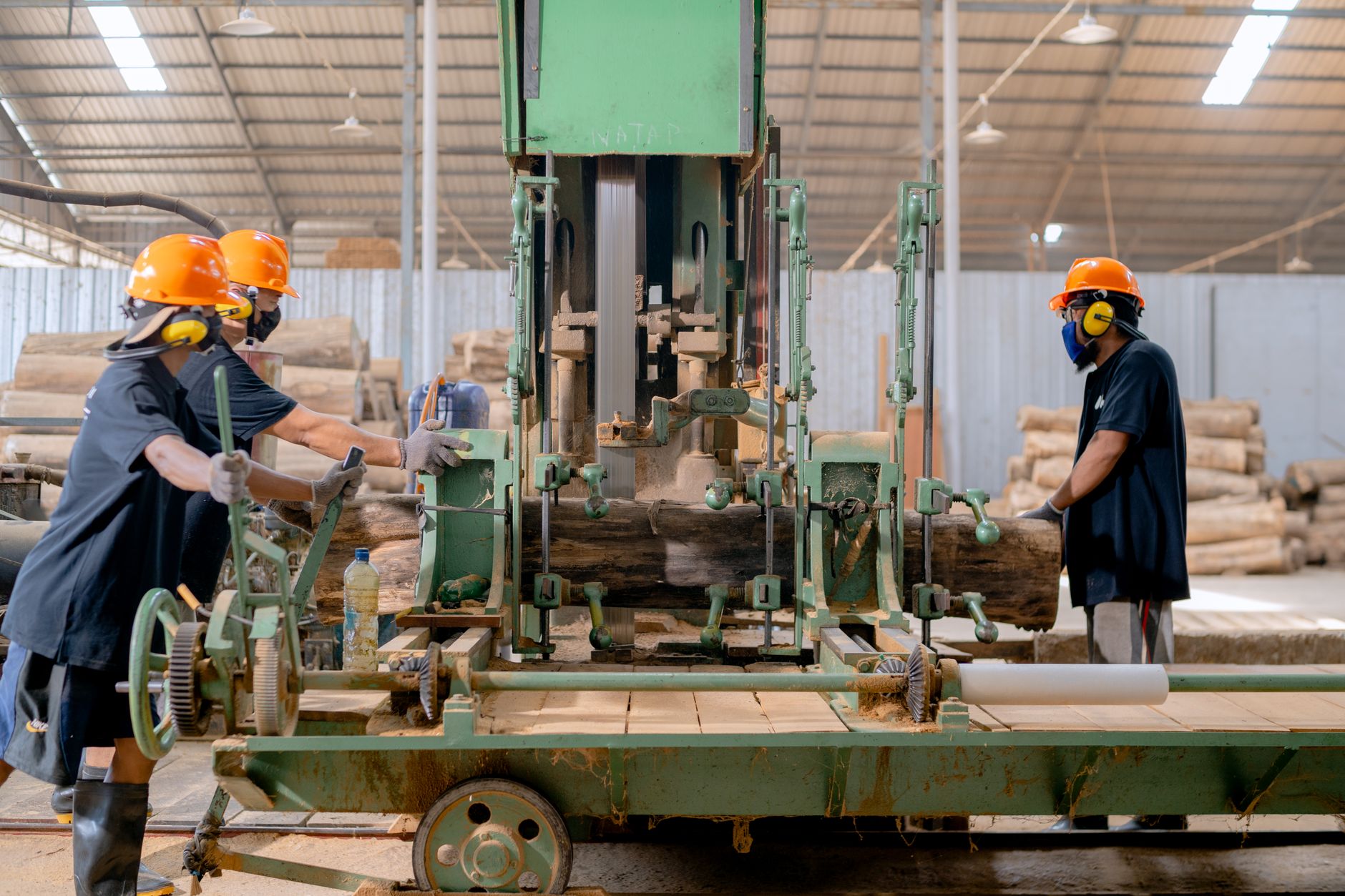
The calculator takes the hours of laborers and freight, stock, and material movers, hand type of work on the stack and sort station, applies the share of that work a robot can realistically take, and sets the result against the lease. The savings range is the value of those hours over a year, minus the fixed lease payment for the same period. The low end assumes a smaller share of the flow is in reach, and the high end assumes a larger share.
Three inputs do most of the work. Hours come from the shifts and line hours the station actually runs. Share is the part of the board flow the arm can reach, lift and place without a person touching the pack. The lease is a fixed lease payment quoted after the site assessment, and the plan can include service, which should be confirmed in writing.
Share is where estimates go wrong. A robot that takes half the boards at a station, with people handling the rest, still saves something, but only the hours it actually covers count. We measure share on your line during the assessment instead of inferring it from a spec sheet.
What moves the number up or down?
Board weight and size move the number more than anything else. Heavier packs need more payload and may slow the cycle, which cuts the share the arm can take. Line speed matters as well. A steady line gives the robot a predictable cycle, while a line that swings speed through the shift often forces a slower setting that trims the hours.
Shift count multiplies the offset. A station that runs two shifts gives the robot about twice the hours of one that runs a single shift, but only if the robot runs both. Downtime works the other way. A station stopped for maintenance or a jam sends the work back to people, so the uptime plan and spare unit coverage are part of the return, not an extra.
Floor layout and utilities also change the timeline. Pile placement, floor condition, and power and network at the station can add integration time, which delays the first hour of savings. None of these is a reason to pass on the project, but each should appear in the assessment before a quote is set.
What are the risks to the return, and how do you avoid them?
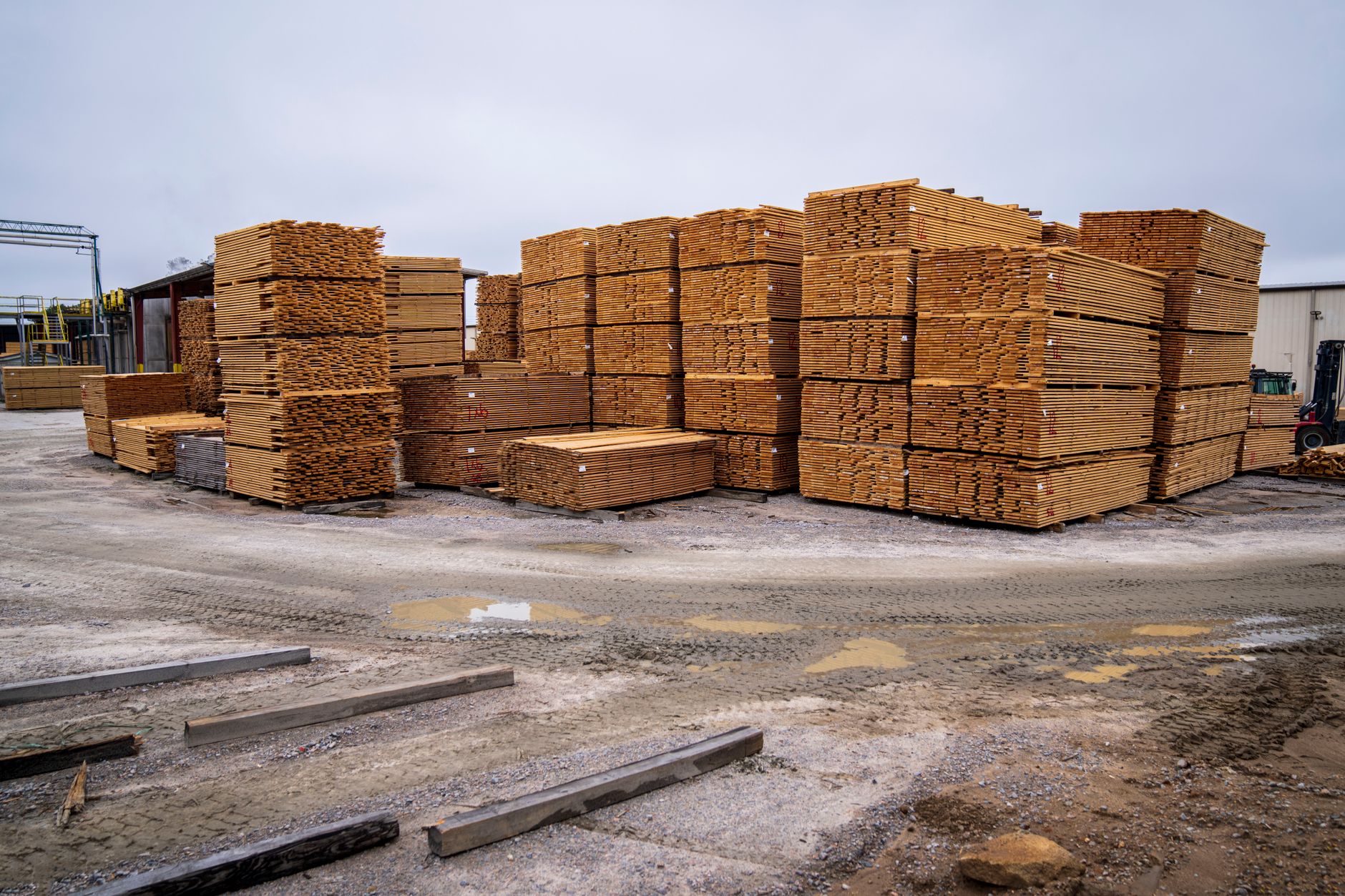
The biggest risk is treating a robot as a way to skip the safety work that already applies to the stack. According to OSHA's eTool on lumber sorting, stacking and piling, which summarizes 29 CFR 1910.265, piles must be built to support maximum loads without sinking, sagging or toppling. Unstable piles must be made safe, or the area fenced or barricaded with entry prohibited. A robot does not change that duty. It changes where people stand, so the plan has to cover both.
The injury record explains why this matters. OSHA's sawmill page describes working in a sawmill as one of the most dangerous occupations in the US. The BLS industry page for NAICS 321, wood product manufacturing, lists a total recordable case rate of 4.2 for 2024, with 1.5 cases involving days away from work and 2.7 cases involving days away or restriction. In a 2009 Maine case-control study published in the Journal of Safety Research, Holcroft and Punnett compared 157 injured workers with 251 controls and identified these risk factors:
Those factors cut both ways. A cobot can reduce physical workload and the number of pack handoffs. It can also add machine pacing if the line is set to the arm's cycle, and it creates new training and lockout needs for the crew who now work beside it. Write the lockout and guarding procedure, the training and the pile rules before go live.
- High physical workload
- Machine-paced work or no ability to take breaks
- Lack of training
- No lockout/tagout program
- Low seniority
What does the timeline from assessment to payback look like?
The sequence runs in stages. First is the free site assessment, where we map the station, measure board sizes and weights, time the cycle, and count the hours the station runs by shift. Next, we recommend a robot, a lease option and a deployment plan, and a lease is quoted from those inputs.
Deployment starts once the lease is signed. We install and integrate the arm at the station, train the crew, and provide go live support while the line keeps running. A pilot with one leased unit keeps the first decision small and lets the hours be checked against the calculator before any second unit is considered. Phased deployment avoids a full line shutdown.
Payback is the point where the cumulative hours taken over pass the lease cost for the same period. The date depends on the measured share, the shifts run, and how quickly the crew reaches stable running. The calculator shows a range for a mill like yours, and the assessment narrows that range to your line.
Is a cobot better than a person at this job?
People still win on several points. They adjust to odd packs, notice a bad board, handle mixed sizes without reprogramming, and can move to other work when the line changes. A cobot wins on steady cycle time, no fatigue over a shift, and a predictable number of hours at the station.
The useful comparison is not robot against person but the mix. The robot takes the repetitive, heavy part of the cycle. The person takes exceptions, inspection, the pile face and the work around the station. That split is why the savings range is set by the share the robot takes, and why the rest of the crew still matters after go live.
We advise sizing the first project to the share the robot can handle cleanly. An arm that handles most of the clean pack flow and hands exceptions to people is a better result than one that tries to take every board and stops on every odd one.
How do I get a precise figure from a free site assessment?
A free site assessment is the only way to turn these ranges into a figure for your mill. We bring station measurements, board sizes and weights, line speed by shift, staffing at the station, and the power and network available there. We map the work, count the cycles and log the hours the station actually runs.
The output is a savings range built from your numbers, plus a fixed lease payment quoted after the assessment. The quote states the lease term, what service is included, and what happens when a unit is down. We work as a vendor neutral robot integrator, so the recommendation follows your floor and not one manufacturer's catalog.
To speed up the assessment, bring the station shift schedule, the past year of downtime records, and a short list of the board packs that cause trouble. Those three items let the assessment give a precise figure rather than an estimate. One partner, one number, covers installation, training and service after go live.
Frequently asked questions
Want a cobot at your sawmill?
Tell us about your site. We will recommend the robot, quote the lease, and keep it serviced.
Sources
- US Bureau of Labor Statistics, Occupational Employment and Wage Statistics (OEWS May 2024)
- Census Statistical Abstract 2008, 2002 Economic Census data for sawmills (NAICS 321113)
- 1997 Economic Census, sawmills (NAICS 321113)
- BLS Industry at a Glance, NAICS 321 (2024 injury and illness rates)
- Holcroft and Punnett (2009), Journal of Safety Research, via PMC
- OSHA, Sawmills
- OSHA eTool, Lumber sorting, stacking and piling
- International Federation of Robotics, President's report (2026)
- USDA Forest Service, Appalachian hardwood sawmill labor study