
The short answer
Cobot ROI in Des Moines comes from the hours of laborer and material mover work that a collaborative robot takes over on a steady, repeatable task, such as palletizing or machine tending. The savings range depends on how many of those hours recur each shift, what share of them a robot realistically handles, and the lease cost quoted after a free site assessment. Expect a range rather than a fixed payback until the assessment measures your floor.
Key takeaways
- The return comes from recurring laborer and material mover hours that a cobot takes over, not from cutting roles.
- Payback depends on how many repeatable hours recur each shift and how steady the part mix stays.
- The government wage data panel sets the value of each hour, but hours and utilization move the result more.
- Injury cost is real, but keep it out of the headline number unless your own incident log supports it.
- A free site assessment turns the range on this page into a figure for your floor.
Run the numbers for your site
Auto-detected from your location - we use the real BLS wage here. Not right? Pick your city or state above.
What do you want to automate?
The cobot stacks the repetitive end-of-line pallets; your team handles changeover and QA.
Is cobot ROI in Des Moines worth it for a warehouse or plant?
Cobot ROI in Des Moines comes down to one question: how many hours each week go to repeatable handling work that a collaborative robot can do safely beside people. A steady block of lifting, stacking, loading, or machine tending makes the return easy to see. Work that changes every hour is harder to justify, and the assessment will say so.
This page covers where the return comes from, how the math works, what moves the number, the risks, a realistic timeline, and how to get a precise figure. The calculator on this page is filled in for Des Moines. The savings range it shows is a range, not a promise.
The local wage for this job appears in the government wage data panel beside this text. That panel uses OEWS May 2024 data for Des Moines, IA, for Laborers and Freight, Stock, and Material Movers, Hand. It sets the value of each hour the robot takes off the work list.
Where does the return come from for a cobot in Des Moines?
The return comes from hours, not from cutting a role. A cobot takes over a repeatable task that laborers and material movers do now, and the people freed up cover exceptions, inspection, and work that still needs judgment. Most sites stop paying overtime or agency hours to fill gaps, and they stop losing shifts when someone calls out.
The labor pool behind this work is large, though these figures are national. According to the Bureau of Labor Statistics Occupational Outlook Handbook, the hand laborers and material movers group had about 6,950,000 jobs in 2024, with 4% projected growth from 2024 to 2034. O*NET, which draws on BLS data, counts 2,988,900 employees in the Laborers and Freight, Stock, and Material Movers, Hand occupation in 2024, projected to reach 3,033,100 in 2034, about 1.5% growth.
The crew size used for this page is a planning estimate. The site assessment replaces it with your own count of people doing the task on each shift.
Median hourly wage, Laborers and Freight, Stock, and Material Movers, Hand
$5,010
Monthly cost of one full-time worker in Des Moines, IA, at the median wage plus payroll costs (an estimate, not a quote).
How does the cobot ROI math work?
The math has four inputs. First, the weekly hours the task takes today, measured on the floor or in a time study across several shifts. Second, the share of those hours a robot can realistically take over, which is almost never all of them. Third, the local wage from the government wage data panel, which sets the value of each hour. Fourth, the lease cost quoted after the site assessment, plus any service and training the arrangement includes.
Multiply the hours the robot takes over by the local wage, then add any overtime or agency premium you pay today to cover that work. Compare that total with the fixed lease payment for the same period. The gap is the return before any gains from steadier output or fewer injuries.
Hours that still need a person to watch, restart, or clear faults do not count in full. Subtract supervision time from the robot's hours before you read the result. The net figure is what the assessment reports as your range.
- Repeatable motion
Cobot
holds the same motion and speed through a shift
Staff
varies over a shift, which can cause quality drift
- Exceptions and damaged goods
Cobot
stops and calls for help when a part is off
Staff
judges, reroutes and fixes on the spot
- Changeovers
Cobot
needs a program change and a tested setup
Staff
switches to a new task quickly
- Shift coverage
Cobot
runs the cycle with no breaks while it is supervised
Staff
needs breaks, shift coverage and hiring when someone leaves
- Floor reach
Cobot
works a fixed path within its cell
Staff
walks, reaches and adapts across the whole floor
What changes the number up or down?
Four things move the return the most: how many hours recur each shift, how stable the part mix is, how many shifts run, and how often the robot waits on an upstream or downstream step. Each one can push the range up or down, and the assessment checks all four.
The wage matters, but less than hours. A higher local wage raises the value of each hour the robot takes over, while a cell that sits idle because a neighboring station is slow lowers the number whatever the wage. Lease terms and whether service is included also change the net, so the quote comes after the assessment.
What is the labor market like for laborers and material movers?
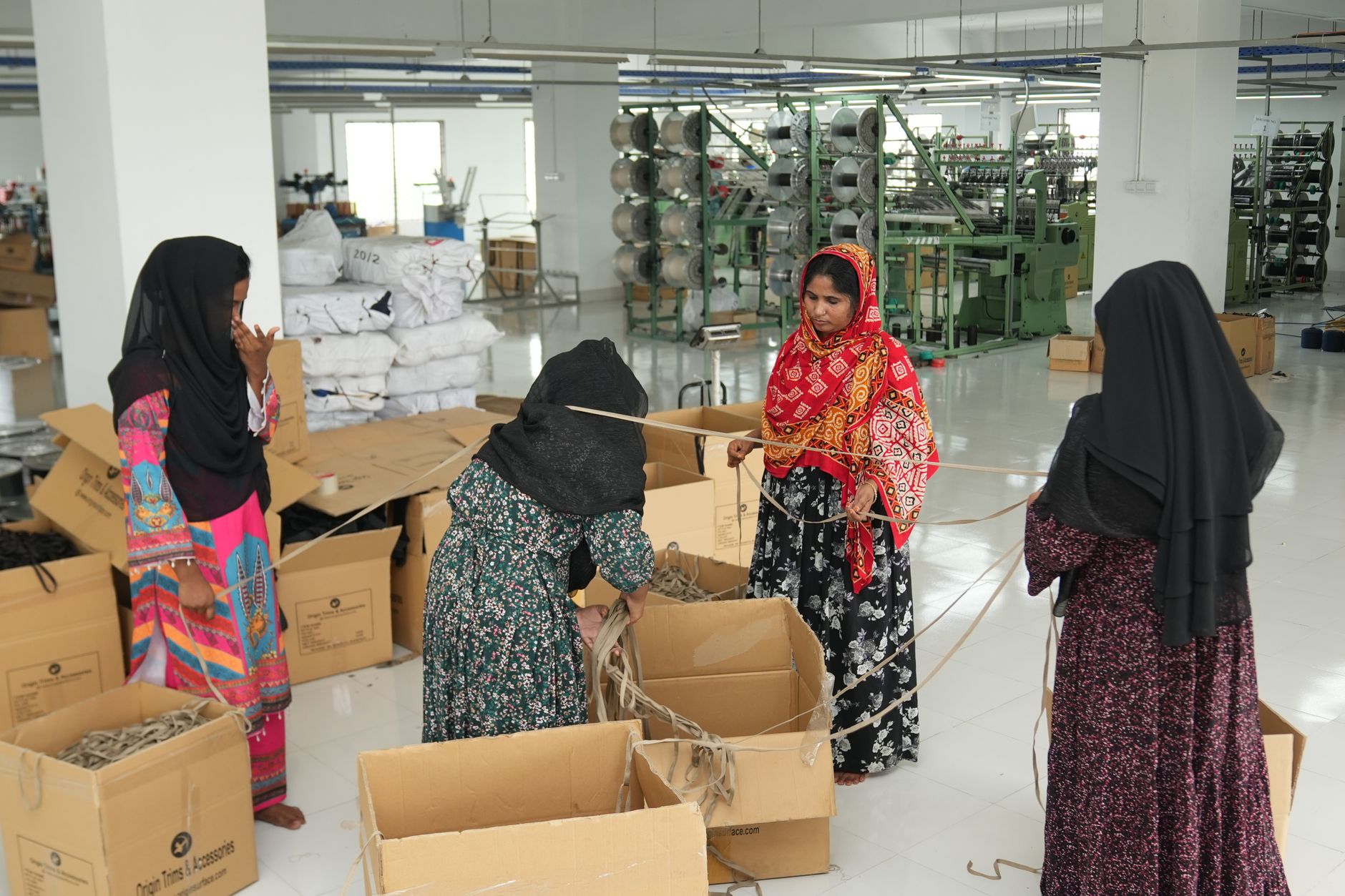
Turnover is part of the cost. Every time someone leaves a repetitive handling job, the site pays to hire, onboard, and train a replacement, and the shift runs short until that happens. Labor data shows hiring in the sector slowing, which can make the gap harder to fill.
According to BLS JOLTS, hires fell by 67,000 in transportation, warehousing, and utilities in January 2026, and separations fell by 79,000. A third-party tracker reports the sector hires rate at 2.5% in February 2026, against 2.9% a year earlier and a long-term average of 3.6%.
Economy-wide, BLS reports 7.1 million annual average job openings in 2025, down 571,000 from 2024, with the openings rate at 4.3% in 2025 against 4.6% in 2024. Fewer people changing jobs means a smaller pool to hire from, so a site that cannot fill a shift keeps paying for the gap.
How much does injury risk affect the return?
Injury cost belongs in the return, but it should not carry the headline number. According to GAO, as reported by PublicNow, transportation and warehousing had the highest serious injury and illness rate of 19 sectors in 2022, estimated at 3.8 cases per 100 workers.
Repetitive lifting and reaching are the kinds of tasks a cobot can take over, which is why the injury side belongs in the calculation. Keep it separate unless your own incident log shows the task causing cases. A robot installed without a safety review can create new hazards, so the setup has to be validated on your floor.
What are the risks to the return and how do you avoid them?
The most common risk is picking a task that looks repetitive but changes every few hours. The second is underestimating supervision, since someone must stay near the cell or watch its status. The third is downtime from a stopped cell with no backup, and the fourth is a safety setup that takes longer than planned.
Avoid them by timing the task before the quote, starting with one cell, and naming a person who owns exceptions. Check response times and spare coverage in the lease, and agree on a go live test with written acceptance criteria. A pilot on one station shows real utilization before you commit to a second.
What is a realistic timeline from assessment to payback?
The first step is the free site assessment, a visit that times the task, maps the floor, and confirms the part mix and shift pattern. Next come the quote, integration, and a go live test on one station. Supervised running follows while the crew learns the exceptions.
Payback follows steady operation, not the first week of demos. A realistic sequence is an assessment, a quote, a pilot cell, and then a second cell only when the first reaches the hours measured in the assessment. State the payback as a window, because the date depends on how quickly the cell reaches that level.
How do I get a precise figure from a free site assessment?
A free site assessment turns the range on this page into a figure for your floor. We time the task across several shifts, record the part mix and exceptions, and measure the space the cell needs. The result is a set of hours valued at the local wage and a lease quote for the arrangement that fits.
Bring the records you already have: shift schedules, overtime and agency data, incident logs, and any throughput numbers for the task. The more of that you share, the tighter the range. Ask that the quote show the lease term, what service and training are included, and the share of work the robot is assumed to take.
Frequently asked questions
Put a robot to work in Des Moines.
We walk your site, learn the job, and recommend the unit that fits. Then we quote the lease, deploy it, and keep it serviced.
Sources
- US Bureau of Labor Statistics, Occupational Employment and Wage Statistics (OEWS May 2024)
- U.S. Bureau of Labor Statistics, Occupational Outlook Handbook: Hand Laborers and Material Movers
- O*NET OnLine, Laborers and Freight, Stock, and Material Movers, Hand trends
- U.S. Bureau of Labor Statistics, JOLTS annual 2025 release
- U.S. Bureau of Labor Statistics, JOLTS January 2026 release
- YCharts, US hires rate for transportation, warehousing and utilities
- International Federation of Robotics, five million robots now operate in factories globally
- International Federation of Robotics, World Robotics 2024 press conference
- GAO, as reported by PublicNow