
The short answer
Cobot ROI in Jacksonville comes mainly from the repetitive handling hours that a collaborative robot arm takes over from laborers and freight, stock, and material movers, hand work, offset against the fixed lease payment. The savings range is built from the hours measured at your site, priced on the government wage data on this page, and it is an estimate rather than a promise. A free site assessment turns that range into a precise figure for your floor and a written lease quote.
Key takeaways
- The return comes from repetitive handling hours, not from removing a whole job.
- The savings range depends on how much of the work the arm realistically takes.
- Idle hours from missing product or frequent changeovers erode the labor offset while the lease continues.
- Injury risk in warehousing is a cost factor as well as a return factor.
- A free site assessment measures the inputs that set the range and the lease quote.
Run the numbers for your site
Auto-detected from your location - we use the real BLS wage here. Not right? Pick your city or state above.
What do you want to automate?
The cobot stacks the repetitive end-of-line pallets; your team handles changeover and QA.
What return can a business in Jacksonville expect from cobot ROI?
Cobot ROI in Jacksonville is mainly a labor question. A collaborative robot arm works beside people and takes over the repetitive, heavy handling that laborers and freight, stock, and material movers, hand perform, such as stacking cases onto pallets, feeding a machine or moving product from one station to the next. The return is the hours of that work the arm takes over, offset against the lease cost, and it appears as a savings range rather than one fixed figure.
Jacksonville is a sound place to run this math because the government wage data on this page covers this exact job in this metro. The savings range is built from the hours at your site, priced on that local wage, rather than from national averages. Sector figures on this page give context about the size of the labor pool, but they do not set your number.
The sections that follow explain where the return comes from, how the savings math works, what moves the number up or down, the risks to the return, the timeline to payback, and how a free site assessment produces a precise figure.
Where does the labor return come from in Jacksonville?
The labor pool is large. According to FRED, the St. Louis Fed series built on BLS data, transportation, warehousing, and utilities employment in the Jacksonville metro area was about 54.6 thousand in December 2025, seasonally adjusted. Statewide, wagedex, citing BLS May 2024 data, reports about 157,990 jobs in laborers and freight, stock, and material movers, hand, and FRED reports about 100.1 thousand Florida warehousing and storage jobs in August 2025.
The sites are spread thin. According to Census County Business Patterns for 2023, as reported by the data aggregator mewayz, the US had 21,521 warehousing and storage establishments with paid employees, and 7,034 of them had 1 to 4 employees. A cobot return usually shows up at larger sites with steady flows of cases or parts, because a small site may not have enough repetitive hours to pay back a lease. Adoption is rising across the wider sector too, according to IFR, which reported 38,000 US industrial robot installations in 2025 on a preliminary basis, up 11 percent.
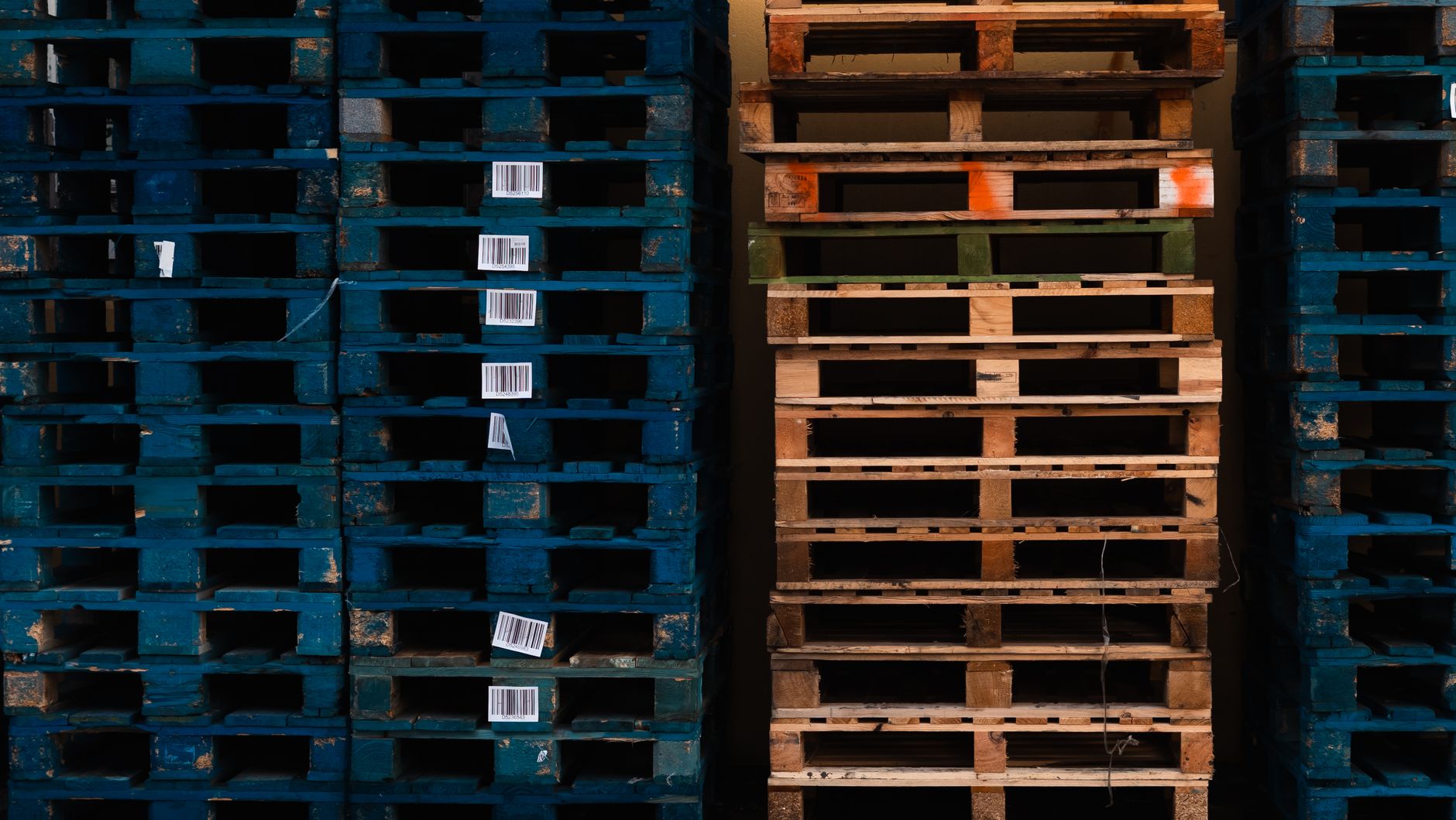
The return is not the removal of a position. It sits inside existing shifts, in the lifts, stacks and feeds that take a person's time without needing their judgment. Your people then move to inspection, exception handling and changeovers, which the arm does poorly. The calculator on this page assumes a typical site of four people doing this work, an assumption from our site profile rather than a published count, and your assessment replaces it with your actual roster.
Median hourly wage, Laborers and Freight, Stock, and Material Movers, Hand
$4,261
Monthly cost of one full-time worker in Jacksonville, FL, at the median wage plus payroll costs (an estimate, not a quote).
How does the cobot savings math work?
The math has three inputs. The first is the labor hours offset: the weekly hours of repetitive handling the arm takes over, valued at the local government wage for laborers and freight, stock, and material movers, hand work. The second is the share of that work the robot realistically takes. The third is the lease cost, which is a fixed robot lease payment quoted after the site assessment.
Savings equal the labor value of the hours offset, minus the lease payment, minus the staff time that still supervises the cell, minus any changeover or integration cost you choose to count in the first period. The calculator on this page runs that calculation with your site inputs and shows the result as a range, because each input is an estimate until it is measured.
Two cautions matter. The arm should be credited only with the hours it actually runs, not the hours it sits idle waiting for product. The lease payment must also be compared on the same time basis as the labor hours, so weekly hours are set against weekly hours and never against a one-time figure.
What changes the cobot ROI number up or down?
Four things move the number most: how repetitive the work is, how steady the product flow is, how much of each shift the arm can keep running, and how much staff time it still needs. A cycle that repeats the same motion for hours is strong ground. A cycle full of irregular cases, damaged goods and frequent changeovers is weak ground, even when the hours look high on paper.
Use the checklist below before you read the savings range as a forecast.
How much of the work does a robot take over?
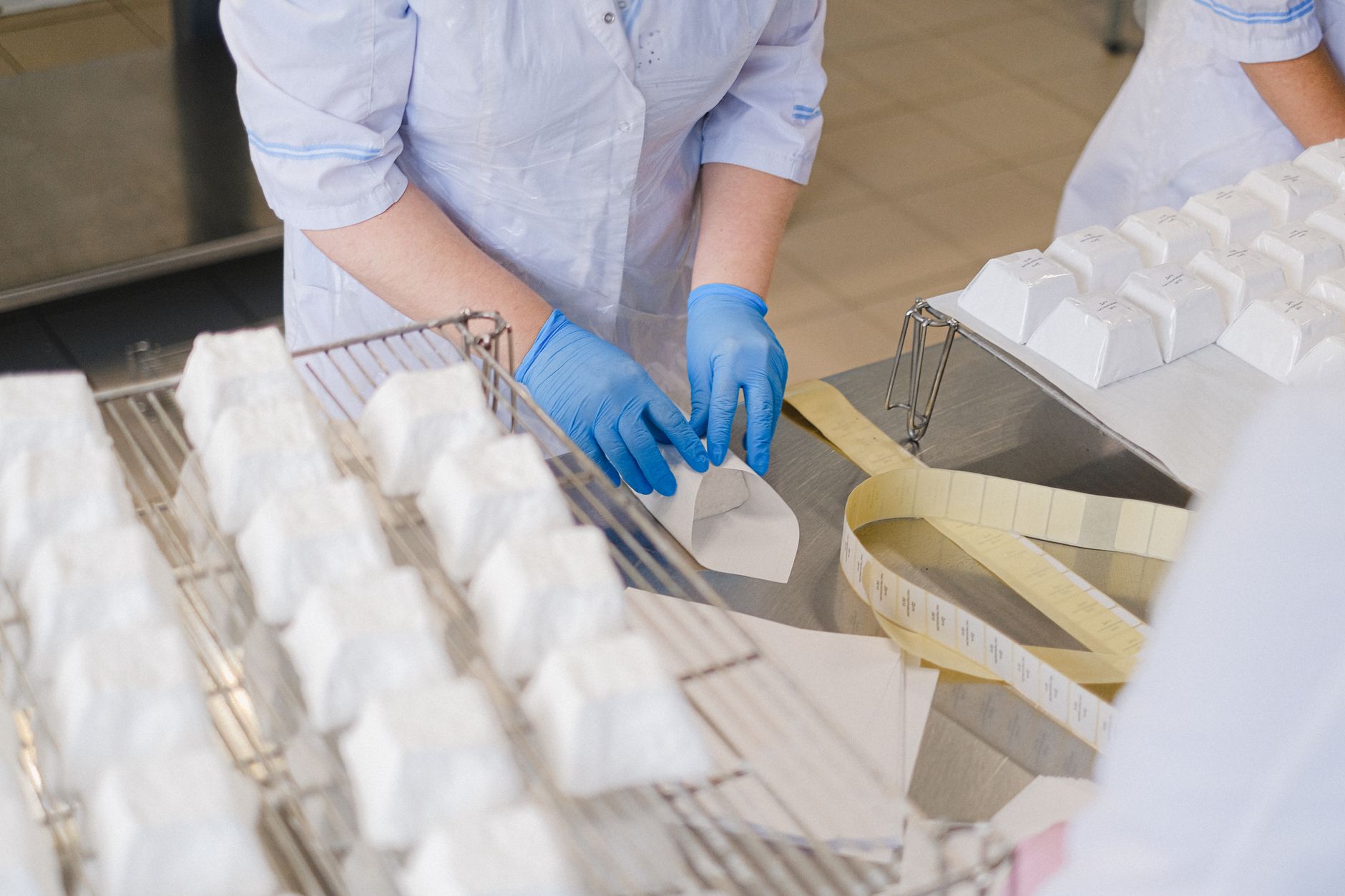
Realistic share is almost never the whole job. A cobot takes the repeatable cycle at its station, while people load the cell, clear exceptions, check quality and handle the rest. The realistic share is what the site assessment measures, by timing the cycle and logging what stops it.
The table below shows the kind of task split we look for. The hour figures are not published averages. They come from the shift records and time study at your site, so the table shows the structure of the split, not a number to quote for your building.
What are the risks to the cobot return, and how do you avoid them?
The first risk is an arm that runs fewer hours than planned. Idle time from missing product, unplanned stops, or a station that changed after installation erodes the labor offset while the lease continues. Avoid it by sizing the cycle to measured flow, and by building the integration around the station as it actually runs.
Safety is part of the return too. According to SafetyRecord.org, which compiles its own figures without citing a primary table, warehousing and storage recorded 4.9 total recordable injuries and illnesses per 100 full-time workers in 2024, and other warehousing and storage recorded 2.9. Those are third-party industry figures, so use them as context for the cost of injury, not as a forecast for your site.
Turnover is the other risk. According to the BLS Job Openings and Labor Turnover Survey, the all-industry total separations rate was 3.3 percent for 2025, unchanged from 2024, with quits at 2.0 percent and layoffs at 1.1 percent. Those figures cover all industries, not this job, so they show background churn. Plan training so a new hire can run the cell and the arm's exception steps without a long period of shadowing.
Last, avoid a lease that outlasts the work. Confirm in the quote the term, what service is included, and what happens to the station if the arm is down or the layout changes.
How long does it take from site assessment to payback?
The timeline has four stages: the free site assessment, the lease quote and financing, deployment and integration with staff training, then go-live and a measured run period. The assessment comes first because it sets the cycle, the layout and the hours that every later number depends on.
At the assessment we map the work area, time the cycle, log the stops and interview the people who run it. We then choose the arm, which may be a single unit to start, and quote a fixed lease payment with the service terms stated. Deployment covers integration at the station, staff training and go-live support, with the team watching the first runs.
Payback starts when the arm runs steady hours, not on the day it is installed. Plan for a ramp period in which the cycle is tuned and staff learn the exception steps. Measured hours from that run period replace the assessment estimates, and the savings range narrows as that data comes in.
Robot or more staff: where does each one win?
The honest answer is that the arm and people win in different places. The arm is strong on repetition and consistency. People are strong on judgment, variation and flexibility, and most sites need both.
Where people win, keep them on the work. The strongest setups put staff on exceptions and changeovers and let the arm carry the repeatable cycle.
- Repeatable cycle
Cobot
Holds the same motion and pace across a shift
Staff
Tires and slows over a long shift, though accuracy holds for a while
- Exceptions and damaged goods
Cobot
Needs a person to clear them
Staff
Spots and handles them on the spot
- Changeovers and new products
Cobot
Needs reprogramming and setup time
Staff
Adapts quickly with little setup
- Hours of operation
Cobot
Runs on the schedule it is given, without breaks
Staff
Needs breaks and shift coverage
- Cost structure
Cobot
A fixed lease payment, plus staff time to supervise
Staff
Wages and benefits that scale with the hours worked
- Flexibility when volume drops
Cobot
Stays at its station, so idle time still carries the lease
Staff
Can be moved to other tasks
How do I get a precise cobot ROI figure from a free site assessment?
A precise cobot ROI in Jacksonville needs measured inputs, and the free site assessment supplies them. We map the station, time the cycle, count the stops and pull the shift records from your team. We then run the calculator on this page against your real hours and produce a savings range with every assumption shown.
We are a US commercial robot integrator. We pick the right arm for the site, lease it through financing, deploy and integrate it, train the staff and service it nationwide. The team that sizes the work also sets the lease quote, so the range and the quote are checked against each other before you commit to anything.
Bring your shift records, a description of the cycle, the product mix and the floor plan. Ask for the lease quote in writing, with the term, the service coverage and the replacement terms if the arm is down. That gives you a figure you can defend in a budget review.
Frequently asked questions
Put a robot to work in Jacksonville.
We walk your site, learn the job, and recommend the unit that fits. Then we quote the lease, deploy it, and keep it serviced.
Sources
- US Bureau of Labor Statistics, Occupational Employment and Wage Statistics (OEWS May 2024)
- wagedex, citing BLS May 2024
- SafetyRecord.org, warehousing and storage 2024
- SafetyRecord.org, other warehousing and storage 2024
- mewayz, citing Census County Business Patterns 2023
- FRED, Jacksonville transportation, warehousing, and utilities employment
- FRED, Florida warehousing and storage employment
- BLS Job Openings and Labor Turnover Survey, January 2026 release
- IFR, US Robot Industry Returns to Double-Digit Growth