

The short answer
Delivery robot ROI for medical office buildings comes from scheduled specimen, form and supply runs between floors and suites, so staff stay at the front desk and the return is the labor hours those runs stop costing. Published studies from hospitals show large time gains, but no published study measures medical office runs directly, so the realistic range comes from a site assessment that logs your actual trips. The lease quote follows that assessment.
Key takeaways
- The return comes from routine runs between floors and suites, not from a change in patient volume.
- The math uses the hours the robot takes over, the share of those hours it realistically handles, and the lease quote.
- Hospital studies are the best published evidence, and no office specific study was found.
- Trip count, distance and elevator waits move the range more than anything else.
- A free site assessment turns the range into a figure you can take to sign off.
Run the numbers for your site
Pick your city or state for a real regional number - we use the real BLS wage there. (On the live site this auto-detects from your location.)
What do you want to automate?
The robot walks the repetitive trays; staff stay with guests and tables.
What return can a medical office building expect from delivery robots?
The delivery robot ROI for medical office buildings starts with the walks staff make every day. Specimens go down to a lab or courier point, forms and charts move between clinical suites, and supplies go from storage to exam areas. Most of that work is scheduled and short, which makes it the kind of route an indoor delivery robot can handle today. The return is the staff time that stops going to those walks.
The buildings are mid sized. According to D Magazine, the median medical office building is about 50,000 square feet, recent projects average closer to 60,000 square feet, and the median medical practice is about 12,000 square feet. The article is undated, so read those figures as a guide to building size rather than a fresh survey.
Expect a return that is real but bounded. It depends on how many trips a building runs each day, how far those trips travel, and how many can be scheduled rather than urgent. A multi floor building with a steady stream of specimens tells another story than a small clinic with a few suites on one floor.
Where does the return come from in a medical office?
According to the U.S. Bureau of Labor Statistics, couriers and messengers pick up and deliver messages, documents, packages and items between offices or departments within an establishment. That definition covers much of the in building work a medical office generates, from lab runs to records and restocking. The people who do these walks are usually medical assistants, front desk staff or clinical staff whose main job is elsewhere, so each walk pulls them away from patient or front desk work.
The closest published match comes from hospitals. A six month study at a single center tested 10 autonomous robots for drug and specimen delivery and reported that robot delivery cut delivery time by 32% to 36% versus manual delivery. The same study reported that the 10 robot fleet completed 7.3 times more trips than 19 manual workers. The venue was not confirmed in the index entry, and a hospital is larger and more complex than an office, so treat those numbers as directional.
A vendor case study on a Texas academic medical center reported more than 27,500 deliveries and over 5,400 hours returned to staff from March to September 2023. Vendor figures are self reported and not audited, but they show how routine delivery volume adds up once a system runs every day.
Median hourly wage, Waiters and Waitresses
$3,798
Monthly cost of one full-time worker, at the median wage plus payroll costs (an estimate, not a quote).
How does the lease math work for a medical office?
The return has three inputs. First, the hours of trips the robot can take over each week, taken from logs of actual specimen, form and supply runs. Second, the share of those hours a robot realistically takes, because urgent requests, controlled items and anything needing a person at both ends stay with staff. Third, the lease cost, which Service Robot Co. quotes after the site assessment.
The calculator prices the labor side on the government wage data on this page, using the Waiters and Waitresses occupation as the wage basis for this kind of work. That is a pricing convention, not a claim about who runs these routes in your building. The labor offset is the hours the robot takes over multiplied by that wage, and the net return is that offset minus the lease and service cost, shown as a range.
Two rules keep the range honest. Scheduled runs count fully. Runs that depend on a person at each end count only partly, because someone still loads, confirms and unloads. Walks that happen for other reasons, such as a trip to a supply room that stays open anyway, do not count as savings.
| Task | Today | With a robot |
|---|---|---|
| Specimen runs from exam floors to the lab or courier point | Hours logged during the site assessment | Staff load and scan, robot carries the run on a set schedule |
| Form and chart moves between clinical suites | Hours logged during the site assessment | Batched runs on a fixed schedule, staff seal and confirm |
| Supply restocking from storage to exam suites | Hours logged during the site assessment | Robot carries the cart, staff stock the shelves at each end |
| Urgent and controlled item requests | Logged apart, usually handled by staff | Stays with staff, the robot does not take these |
No published hour figure for medical office runs was found, so each row is filled from the trip log collected at the free site assessment, and the quote uses those logged hours instead of a generic estimate.
How many medical office buildings and staff do these runs involve?
The building stock is large, and the size of each building sets how far a run travels. According to D Magazine, the median medical practice is about 12,000 square feet, which keeps most runs short while still adding up across a day. The federal count of medical office establishments was not found in this research, and the aggregator counts were not consistent enough to cite, so ask the building owner or rely on the site assessment.
Staffing is the other input. According to the U.S. Bureau of Labor Statistics, medical records specialists held about 194,800 jobs in 2024, and projected growth of 7 percent from 2024 to 2034. That shows the size of the records and forms workforce around these runs. Records work is a separate job from specimen running, so those figures describe the workforce, not the runs themselves.
No published headcount or turnover figure for the people who run specimen and supply trips at one medical office building was found. The site assessment replaces any typical count with the number of people who actually run your routes, and that number sets how many hours of walking the robot can replace.
What changes the number up or down?
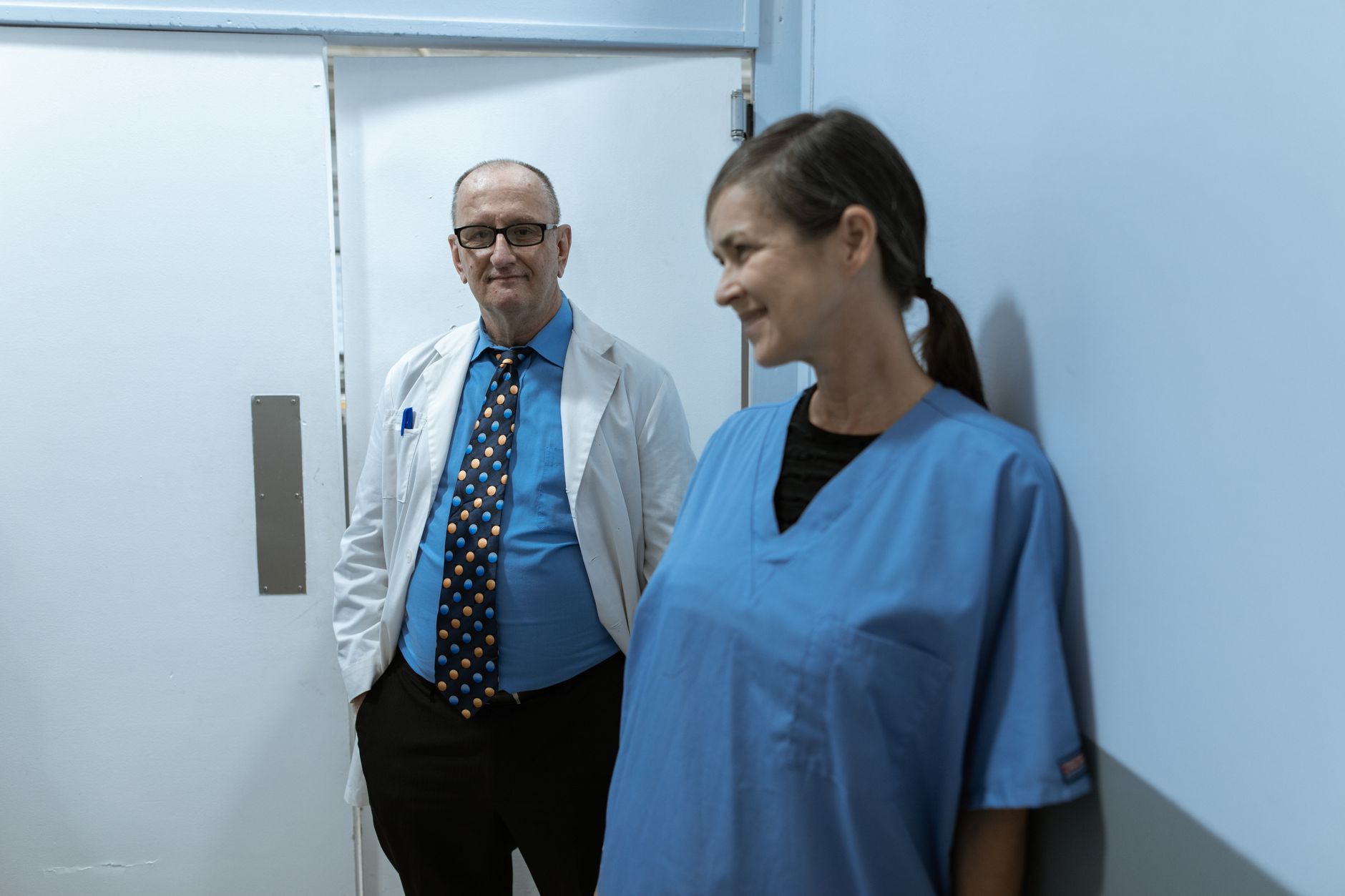
Trip count is the largest lever. A building that runs many scheduled specimen and supply trips each day gives the robot more hours to take over, while a building with a few walks a day sees a smaller offset. Distance matters too, since a run from the top floor to the lab takes longer than a run down one hallway.
Elevator access and wait times set how much of each trip is actual travel. A robot that depends on an elevator saves less time when the queue is long. Controlled and urgent items, which may need a licensed person at each end, cut the share of work the robot takes over.
Staff habits change the number too. If staff batch runs, the robot covers fewer separate trips. If the robot is used for ad hoc requests, the schedule slips and the logs stop matching the plan. The checklist below lists what to confirm before you decide.
What are the risks to the return, and how do you avoid them?
The biggest risk is overstating the share of work the robot takes over. A run that still needs two people to load and confirm saves less than a run a person only starts. Set that share from the trip log, then check it after the first month of operation and adjust the schedule to match.
Specimen handling needs a clear workflow. In vendor case material from a Texas academic medical center, nurses scan specimen barcodes in the emergency room before loading the robot, rather than at lab arrival. That moves a control step earlier, so the scan has to happen reliably before anything is loaded. Controlled medications can be restricted so only licensed staff unload them, and that control should be set before go live.
Injury risk is measured, but not for this setting. According to the U.S. Bureau of Labor Statistics, cases with days away from work were 0.9 per 100 full-time workers in 2023, down from 1.2 in 2022. OSHA's factbook, using older 2011 data, says hospital injury and illness rates are nearly double the private industry rate. Neither source measures delivery robots, so do not promise an injury reduction in your ROI math.
What is a realistic timeline from assessment to payback?
The work runs in phases. First comes the site assessment, where we map the floors, log the trips and measure elevator access. Next comes the quote, built from those logged hours and the lease cost. Then come deployment and integration, staff training and go live support while the routes settle.
Most offices start with one leased unit on the highest volume route, then add units or a backup robot program once the logs show the schedule holds. That lets the first months confirm the share of work the robot takes over before the return is counted for the whole building.
Payback depends on the hours the logs confirm, so this page does not promise a date. A building with a steady trip count and a clean specimen workflow reaches payback sooner than one still correcting its schedule. The assessment gives you the timing that matches your building.
Is a delivery robot better than a person for these runs?
Neither wins every run. A robot is consistent on a fixed route, does not stop to answer a phone mid trip, and carries the same load on each run. A person handles exceptions, deals with a locked suite or a blocked door, and makes the judgment call when a specimen label looks wrong. Those calls stay with staff.
The evidence is thin for offices. Most published research on delivery robots covers hospitals, and much of it is vendor reported or single site. Use it to set expectations, not as proof for your building. The strongest evidence for your decision is your own trip log set against the robot's planned route.
For the work the robot takes, the staff hours come back to patient and front desk work. That return shows up as hours on the schedule, which is why the calculator shows a range rather than a single number.
How do I get a precise figure from a free site assessment?
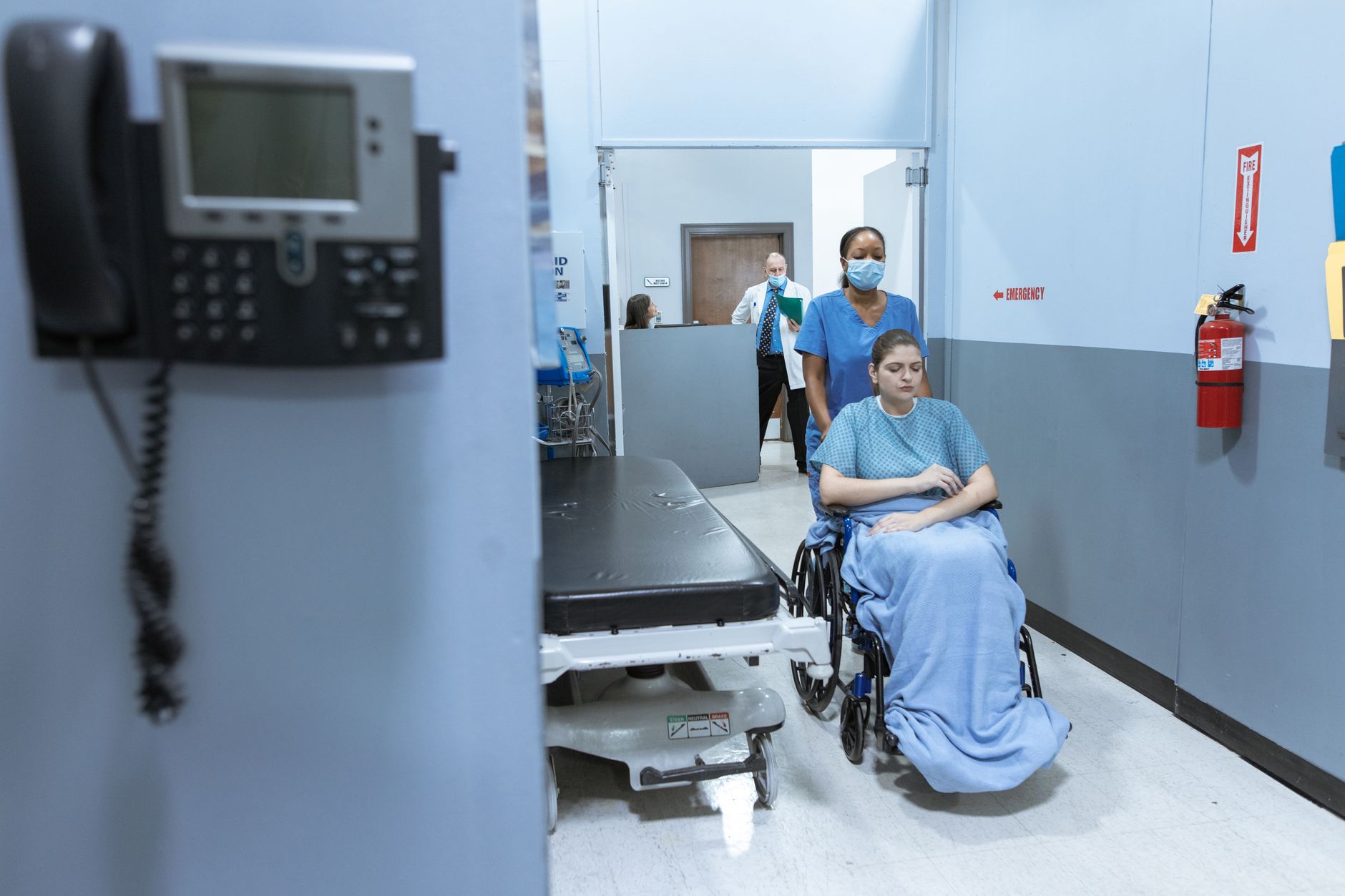
Service Robot Co. is a US commercial robot integrator. We pick the right robot for the site, lease it through financing, deploy and integrate it, train the staff and service it nationwide. The free site assessment starts with mapping the floors, elevators and routes, then logs the trips you run.
Bring the trip logs you already have, the list of specimen and supply runs, the controlled items that need licensed handling, and the floor and elevator layout. We use those to set the share of work the robot takes over, and the quote shows the lease cost next to the savings range built from the same inputs.
Ask for the quote in writing, and ask how service, dispatch and replacement work, since downtime reduces the hours the robot takes over. Start with one leased unit if the logs support it, and expand after the first months of data.
Frequently asked questions
Want a delivery robot at your medical office building?
Tell us about your site. We will recommend the robot, quote the lease, and keep it serviced.
Sources
- US Bureau of Labor Statistics, Occupational Employment and Wage Statistics (OEWS May 2024)
- D Magazine, medical office building size figures (undated)
- Six month single center study of hospital delivery robots (index entry)
- Hospital delivery robot vendor case study (vendor reported)
- Texas academic medical center vendor case study (vendor reported)
- U.S. Bureau of Labor Statistics, The Economics Daily, 2023 injuries and illnesses
- U.S. Bureau of Labor Statistics, Occupational Outlook Handbook, medical records and health information technicians
- OSHA Injury and Illness Factbook (2011 data)
- U.S. Bureau of Labor Statistics, OEWS 2023 courier and messenger occupation definition