
The short answer
Drone ROI for wind farms comes mainly from shorter blade inspections and less time with turbines offline. A UK offshore trial reported in trade press cut inspection time per unit by about 85%, from roughly two hours to about 20 minutes, and an EU-funded project reported that drone inspection cut downtime by a factor of 6. Your savings range depends on turbine count, flyable days and the share of checks the drone completes, so a site assessment sets the real figure.
Key takeaways
- Most of the return is generation you keep by avoiding turbine downtime, so your own value per turbine day drives the result.
- One trade press trial reported blade check time falling about 85% per unit, from roughly two hours to about 20 minutes.
- Drones reduce how often crews climb, but blade repair still needs trained technicians on the turbine.
- Savings are ranges set by turbine count, flyable days and the share of each check the drone completes.
- A free site assessment turns those inputs into a savings range and a fixed lease payment quote.
Run the numbers for your site
Pick your city or state for a real regional number - we use the real BLS wage there. (On the live site this auto-detects from your location.)
What do you want to automate?
The unit runs the repetitive patrol and watch; guards handle the judgment calls.
What return can wind farms expect from drones?
Drone ROI for wind farms rests on one fact: a turbine stopped for inspection is not generating. Blade and tower checks have usually meant rope access crews working on the blade or from the nacelle, which takes time and keeps the unit offline while it happens. A drone photographs the blades and tower from the ground or from a short hover, so crews climb fewer units and turbines spend less time idle.
The return has two parts: the value of generation you keep, and the crew hours you stop spending on climbs. The two parts are different sizes at different sites. A wind farm with high generation value per turbine day and many units gets more from one drone than a small site with few units, so the math has to be run per site rather than read from one industry number.
Where does the return come from at a wind farm?
The largest piece is generation. A turbine offline for inspection gives up output for every idle hour, so the value of a shorter check scales with how many turbines get checked and how often. Trade press coverage of an offshore trial, reported by Recharge, says drone blade checks cut inspection time about 85% per unit, from roughly two hours to about 20 minutes, across 32 turbines.
The second piece is crew time and the overhead of rope access work. An EU-funded project called Pro-Drone, reported on CORDIS, found the drone approach cut inspection downtime by a factor of 6 and direct blade inspection costs by over 50%. Both are project-reported figures. We did not find an independent study that measures downtime savings directly, so treat these as the size of the effect and confirm your own numbers. The American Clean Power Association's Q4 2025 market monitor also reports a backlog of nearly 5,000 turbines without final determination, up more than five-fold in 2025, which shows how fast the pipeline of new sites is moving.
Median hourly wage, Security Guards
$4,317
Monthly cost of one full-time worker, at the median wage plus payroll costs (an estimate, not a quote).
How does the drone ROI math work?
The calculator on this page runs three pieces: the labor hours the drone takes over, the share of that work a drone realistically completes, and the fixed lease payment. The people who mainly work a wind site are turbine technicians, a different job, so the calculator does not price their time. Instead, it prices the observing and checking hours the drone takes off their plate at the security guard rate in the government wage data shown beside this text.
In rough form, the math runs hours saved per check, times checks per year, times the share the drone completes, times the labor rate, plus the generation you keep, set against the lease cost. The generation side uses the value your site records for a turbine day, which the site assessment gathers. Each input is entered as a range, so the output is a range too. A single point estimate would claim more precision than the inputs support.
How many hours does a drone take off the list?
Hour figures are the hardest part of the case to pin down, so the trial and project baselines serve as reference points. In the trade press trial, a blade check fell from roughly two hours to about 20 minutes per unit. The EU project's baseline for a rope access inspection was about five hours per turbine.
Those two baselines describe different scopes, so do not add or swap them. The table below shows how the work changes task by task. The hours that go into your calculator should come from your own turbine count, inspection interval and crew logs, with the trial figures used only to bound the expected effect.
What changes the number up or down?
Three things move the number most: how many turbines a flight day covers, how many days the weather allows flying, and how much of each check the drone completes without a crew going up. A site with many units close together and steady conditions gets more hours back per flight day. A site with frequent weather holds, or with turbines spread far apart, gets less back from each day it flies.
The checklist below lists what to confirm before any lease decision. Each item moves the range in a predictable direction, so ask the assessment team to show the effect of each input separately rather than only the combined result.
Is drone inspection safer than rope access?
Rope access carries real injury risk, and that exposure is part of the return. A Canadian figure cited by The Globe and Mail puts the accident rate for rope work generally at 0.46 per 100,000 hours worked. That number covers rope work in general, not wind specifically, so it sets a baseline for exposure rather than a wind farm rate.
WyoFile reports that Wyoming has not recorded a serious injury or death on a wind-industry rope access job. We did not find wind-specific OSHA or industry incident rates in this research, so any safety gain from fewer climbs is a reasoned expectation, not a measured one. Ask the assessment team for the incident history of your own crews before you set the baseline.
Who still does the work, and what do drones not replace?
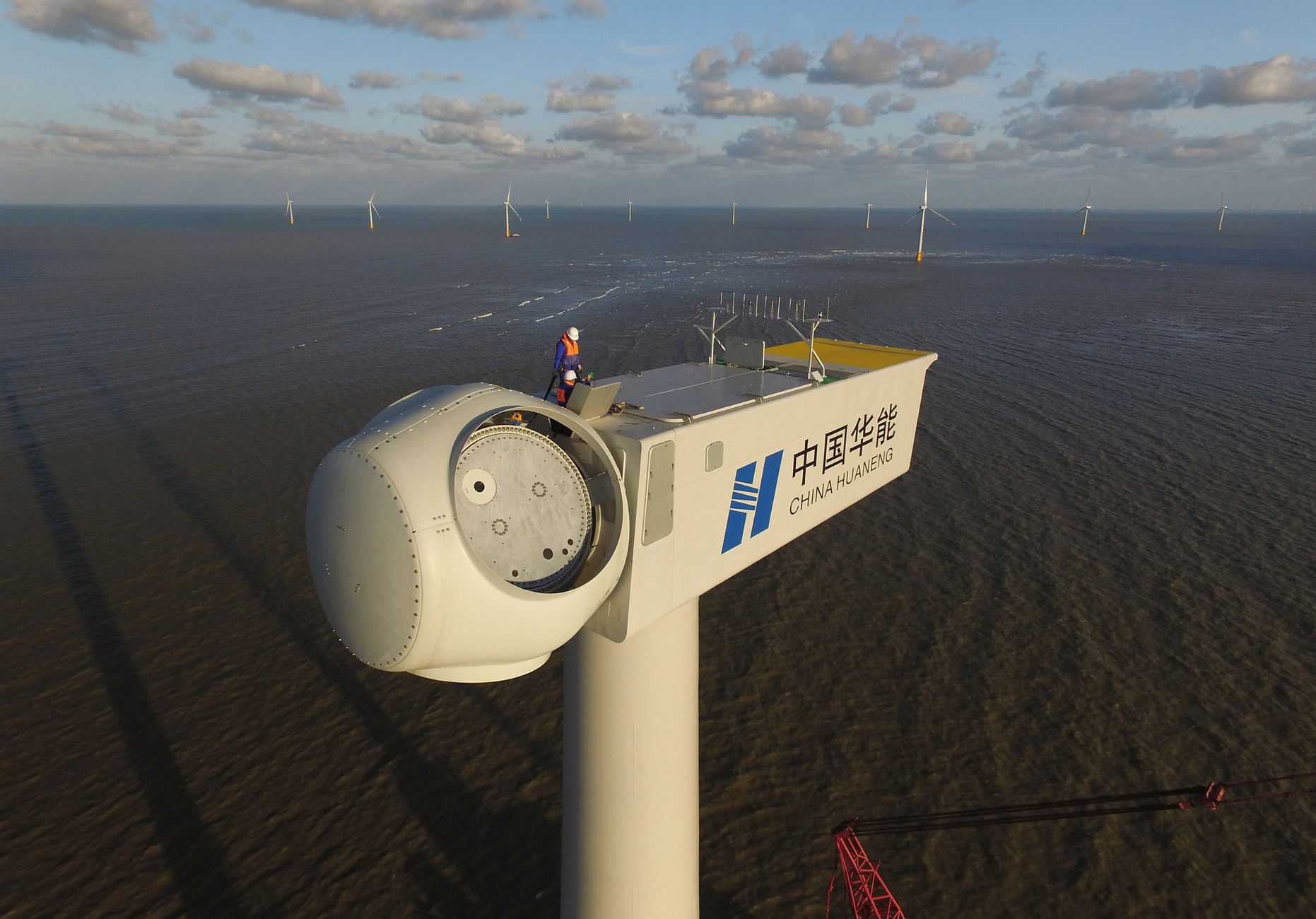
Turbine technicians still do the work a drone cannot. The US Bureau of Labor Statistics describes the usual entry path for wind turbine technicians as a postsecondary nondegree award plus on-the-job training. Blade repair, bolt work and any fix to a defect the drone finds still need trained crews on the turbine, and the drone does not change that.
The drone changes who has to climb and how often. It does not change who can repair. Plan for technicians to stay in the process, and use the drone to decide where they go, when, and with what parts in hand. We did not find a verified count of technicians at one wind site, so staffing figures should come from your own records gathered during the assessment.
- Blade surface check
Drone
Photographs each blade from the ground or a short hover, with no climb
Staff
Gets close to the surface and can spot defects that images miss
- Speed per unit
Drone
About 20 minutes per unit in the reported trial
Staff
About two hours per unit in the trial's baseline
- Repair work
Drone
Cannot repair, but can flag where repair is needed
Staff
Does the repair with rope access or nacelle work
- Weather and daylight
Drone
Flights stop in high wind, rain or low light
Staff
Also stopped by unsafe weather, and the stop rules differ
- Judgment on a defect
Drone
Shows what the camera sees, with images for review
Staff
Judges what an image cannot show and decides on the repair
What are the risks to the return, and how do you avoid them?
The main risk is counting hours the drone does not really take. If the drone shortens a check but the crew still goes up for every unit, the saving is smaller than the pitch suggests. Set the share of work the drone completes from a pilot on a sample of turbines, not from a general figure.
The second risk is image quality. A drone check is only as useful as its photos and the review behind them. Require a reviewed image set for each unit, a defect log with a standard severity scale, and a written rule for when a crew goes up. The third risk is term mismatch: a lease that runs longer than your inspection schedule or your contract horizon weakens the return. Match the term to the schedule, and get the fixed lease payment quoted after the site assessment, not estimated before it.
What is a realistic timeline from assessment to payback?
A realistic path starts with a site assessment that maps the turbines, records existing inspection hours, and confirms the flight rules for the site. The assessment then sets a pilot scope, usually a subset of turbines, so the hours saved are measured on your own site. After the pilot shows the drone share, the team decides whether to roll out across the fleet, and the rollout follows the schedule the pilot supports.
Payback follows the pilot. We do not give a payback date before the assessment, because it depends on turbine count, the value of a turbine day and how many inspection cycles fall inside the lease term. Ask for the payback range with its assumptions shown, so your finance team can test each one. Lease payment terms and the go live date are confirmed in the written quote.
How do you get a precise figure from a free site assessment?
We pick the drone for the site, arrange the lease through financing, deploy and integrate it with your inspection records, train your staff, and service the unit nationwide. The free site assessment is where that starts. Bring your turbine list, inspection schedule, crew logs and the value your site assigns to a turbine day, and we return a savings range and a fixed lease payment quote built on your inputs.
Use the calculator on this page to test assumptions before the assessment, then replace each assumption with a measured value afterward. The savings range is a range, not a promise, and the written lease quote is the payment figure that applies.
Frequently asked questions
Want a drone at your wind farm?
Tell us about your site. We will recommend the robot, quote the lease, and keep it serviced.
Sources
- US Bureau of Labor Statistics, Occupational Employment and Wage Statistics (OEWS May 2024)
- Recharge, trade press report on an offshore blade check trial
- CORDIS, EU-funded Pro-Drone project record
- US Bureau of Labor Statistics, Occupational Outlook Handbook: Wind Turbine Technicians
- American Clean Power Association, Q4 2025 market monitor executive summary
- The Globe and Mail, rope access technician career article
- WyoFile, wind turbine article