
Key takeaways
- Finished pallets make the same kiln-to-dock trip many times a shift, which suits fixed routes.
- The savings come from fewer traveling hours and steadier pallet flow, not from cutting the crew.
- The published figures come from other industries, so measure your own yard before you commit.
- Begin with a free site assessment and one leased unit on the busiest route before adding more.
How can autonomous forklifts for brick plants help?
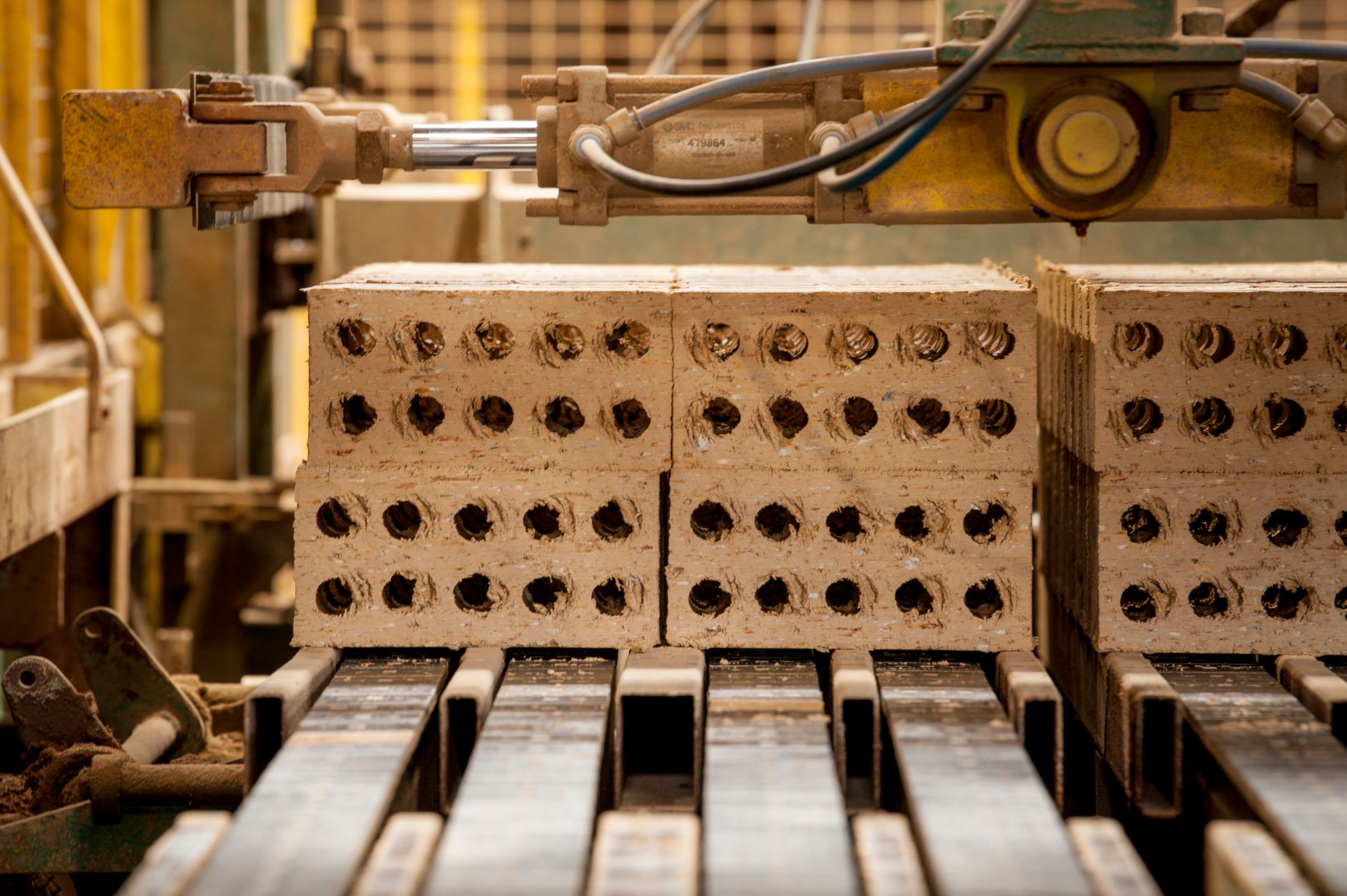
Autonomous forklifts for brick plants help most where the same pallet trip repeats all day. Finished brick comes off the kiln line, moves to a curing or staging area, then goes to a yard or loading dock for a truck. Each leg is short and predictable, and it follows the same path shift after shift, which is the kind of work a driverless forklift can run on fixed routes.
The main benefit is not that a robot replaces your crew. It takes the repetitive transport legs off your operators' schedules, so people spend more of the shift on loading accuracy, truck staging and the exceptions that always come up. Pallets also reach the dock at a steadier pace, which helps the kiln team and the truck crew plan their work.
Brick is dense and heavy, and the fit depends on your pallet loads, floor surfaces and route layout. The sections below cover the daily work, the areas where it runs, the numbers that are available, and what the machine cannot do.
What does the job look like at a brick plant today?
Most brick plants move finished product with manually driven forklifts. An operator picks up a pallet as it clears the kiln or curing area, carries it across the yard, waits for dock space or a truck, then drives back empty. The distance may be short, but the trip happens every shift, and the waiting adds up.
The sector is not growing. According to a 2025 US industry profile of clay brick and product manufacturing, the category had 1,321 businesses, and it recorded a 1.1% CAGR decline from 2020 to 2025. That category also covers ceramic tiles and refractories, so the count is broader than brick alone. For an operator, a flat or shrinking market often means output has to hold steady with the people already on the floor.
Staffing is local. A Pennsylvania profile for the same category reports 111 locations and 1,991 workers, updated March 2026. When a forklift operator calls off, a single plant can lose a route for the day, and the kiln team and dock crew feel it quickly.
Operators also feel the cost of inconsistency. When a pallet waits, the kiln team may have to hold output or re-stage product, and the dock crew may start a truck late. Each small delay compounds across a shift, and most of it sits in traveling and waiting rather than in the lifting itself.
What are the main benefits?
The first benefit is time. A logistics infographic from a freight provider states that one robot can save 3 to 4 hours of traveling time per 8-hour shift. That figure comes from logistics material rather than a brick plant, so treat it as a starting range to test in your own yard, not as a result you can count on.
The second benefit is steadier flow. A consultancy case study of a consumer goods factory with 50 AMRs reports that pallet throughput rose from 185 pallets per shift to 253 pallets per shift. The study is not independently verified, and it describes another plant and another type of robot, but the pattern matches what brick operators want: fewer gaps between kiln output and dock departure.
Other benefits are harder to put into numbers. Fewer manually driven forklifts crossing active dock lanes can reduce close calls. Each run also leaves a record of when pallets moved, which helps you explain delays to dock supervisors, carriers and customers.
How does the robot work there day to day?
A typical setup starts with a site assessment and mapping of the yard, the kiln discharge point, the curing area and each loading dock. Fixed routes are set between those points, along with the pickup and drop spots for each pallet type. Once the routes are approved, the robot runs them on its own while staff focus on loading and exceptions.
The crew's shift does not change much at first. The kiln team stages finished pallets at the approved pickup points, and the robot takes each pallet to its assigned location. It then returns to a charging point between runs. If a path is blocked, the robot stops and signals, and a staff member clears the obstruction or moves the pallet by hand.
Your daily job is to keep routes clear and pickup points consistent. Staging by pallet size and product type matters more than most operators expect, because a robot that finds an untidy stack at a pickup point has to stop and wait for help.
Charging is part of the daily picture. Schedule it into gaps between runs or at shift changes, keep the charging point clear of stacked product, and ask the integrator to set the battery threshold that fits your busiest hours.
Which areas of the plant does it cover?
Autonomous forklifts for brick plants work best where finished pallets cross open ground between fixed points. Six areas are the usual candidates in a brick operation, and the zones below show what the robot does in each. The path from the kiln to the dock repeats most often, so it is usually where a first route begins.
Not every area is a fit. Raw clay storage, fuel handling and any area with unpredictable traffic may need a separate plan and a separate assessment. Keep the first deployment on the predictable repeat trips, and widen the routes only after the logs show they hold.
Yard layout is part of the job. A trade article on a South African brick maker describes a storage yard that keeps smaller bricks furthest from the plant and matches forklift timing to packaging cycles to avoid downtime. A kiln-car unloading patent describes forklift-accessible openings in brick bundles so tines can enter the stack. Forklift tines need that access, so how bundles are presented at the unloading end deserves early attention.
How do the robot and existing staff work together?
The robot does not work alone. A realistic setup keeps a smaller team on the floor, with former forklift operators moving into dock supervision, pallet staging, route checks and exception handling. A brick plant still needs people for loading accuracy, truck coordination and any load the robot cannot handle.
This is where we fit. We are a US commercial robot integrator. We pick the right robot for the site, lease it through financing, deploy and integrate it with your routes and dock schedule, train your staff and service it nationwide. Training covers the operators who will supervise the robot and the kiln team who stage pallets at the pickup points.
The staffing change is best handled gradually. Many plants start with one unit on the busiest route and let the operators learn the system before adding more. That keeps your team in the loop and gives you run data to plan the next phase.
What drives the savings, and what do the numbers show?
Savings come from hours and steadier flow, not from a single headline figure. The main driver is time spent traveling empty between fixed points, which a set route can shorten. A logistics infographic cites 3 to 4 hours of traveling time saved per 8-hour shift for one robot. Those numbers come from logistics material, not brick plants, so set your own baseline before you rely on them.
A vendor case study of an autonomous tugger at a single customer site reports 60 labor hours saved each week and over 1,800 hours of autonomous operation. The machine is a tugger, not a forklift, and the source is the vendor, so use the case only as a sense of scale.
The most reliable number is the one from your own yard. Time each pickup and drop for a week, count pallets per shift, and note the delays at the dock. Then compare those measures with the run log after go live support. The payment comes in the quote after a free site assessment, and it is built from your site, not from a headline figure.
What can an autonomous forklift not do?
It cannot handle every load. A robot works best on predictable, repeat pallets with consistent size and stacking. Mixed pallets, damaged loads, unusual brick stacks and pallets set outside marked points still need a person, and the plan should say so from the start.
Yard conditions matter. Mud, standing water, uneven ground, snow and heavy rain can affect how a machine follows its route or senses its surroundings, so the site assessment should cover drainage and surface condition. Do not assume a route laid on dry pavement will hold up in every season.
It does not repair itself. The machine needs routine service, charging planning and a plan for when a unit is down. Ask how the service plan handles on-site dispatch, and ask if a backup unit is available for shifts you cannot lose.
Some operators expect the robot to take over unplanned tasks, such as clearing stacks, repositioning a truck or fixing a broken pallet. It will not do those jobs well, and the plan should assign them to staff from day one.
How do you get started?
Start with a free site assessment. We map the yard, the kiln discharge point, the curing area and the docks, and we review pallet sizes, route layout and shift pattern. From that, we recommend the right robot for the site and the lease terms, and the payment comes in the quote after the assessment.
Robots are leased through financing. We handle deployment and integration, operator training and nationwide service. Many operators begin with one leased unit on the busiest route, then decide on more after the first months of run logs. Service is part of the plan, with remote triage first and on-site dispatch when needed.
If you are weighing autonomous forklifts for brick plants, bring your pallet counts, shift schedule and a sketch of the yard. That gives the assessment a clear starting point, and the quote will reflect your site.
Frequently asked questions
Want an autonomous forklift at your brick plant?
Tell us about your site. We will recommend the robot, quote the lease, and keep it serviced.
Sources
- US industry profile: clay brick and product manufacturing, 2025
- Pennsylvania industry profile: clay brick and product manufacturing, updated March 2026
- Vendor case study: autonomous tugger at a single customer site
- Logistics provider infographic on automated forklifts
- Consultancy case study: 50 AMRs at a consumer goods factory
- Manufacturer announcement of autonomous forklift family, 10 September 2026
- Kiln-car unloading patent US7070384
- Trade article: South African brick maker storage yard plan