
Key takeaways
- Hand stacking and hard-to-fill shifts are the core problem at many cement plants.
- Most published hour figures come from vendors, so test them on your own routes.
- Set routes carry pallets between packing, storage and loading while staff handle exceptions.
- Savings come from hours moved and shifts kept covered, measured in your own time study.
- Start with a free site assessment and a lease quote through financing.
How do autonomous forklifts help cement plants?
Autonomous forklifts for cement plants take over one of the most repetitive jobs on the bagging side: moving palletized bags between the packing line, the storage area and the loading points. The unit follows set routes, picks up a loaded pallet where staff leave it, and drops it where the next step needs it. Your people stay on the work that needs judgment while the pallets keep moving through shifts that are hard to fill.
The main benefit is steady movement. A pallet that waits in a staging lane because no driver is on shift does not ship on time, and a truck that leaves late can throw off the next day. On a set route the unit runs the same way at 2 am as at 2 pm, so the flow of bags to the trucks depends on the plan rather than on who clocked in.
We are a US commercial robot integrator. We pick the right robot for the site, lease it through financing, deploy and integrate it, train the staff and service it nationwide. Treat the figures on this page as a starting point for a conversation about your plant, not a promise about what your floor will show.
What problem does this solve at a cement plant today?
Bags still pass through hands at many cement plants on the way to the truck. A trade magazine article written by an equipment vendor describes a plant in Bali, Indonesia, where workers still stack 40 to 50 kg cement bags onto pallets by hand before they go into the packaging system. That is heavy, repetitive lifting at the point where volume is highest.
Staffing is the other half of the problem. A feed industry article notes that manual palletizing positions are hard to fill, and that the work involves heavy lifting, which narrows the pool of workers who can do it. Forklift driving adds its own gap, since the people who can run a truck safely are often the ones a plant is competing to hire.
A client case written by an equipment vendor describes a cement plant in Queensland, Australia, that moved off a manual bagging line after facing rising volume, higher product giveaway from overfilled bags, operator dust exposure, and staffing that was hard to scale. Read it as one plant's account, not a benchmark.
What are the main benefits?
The benefits cluster around hours, and most of the published numbers come from vendors, so read them as claims to test. A logistics provider's infographic says one automated forklift can save 3 to 4 hours of travel time per 8-hour shift. The graphic does not publish its method, so the range is a direction, not a forecast for your plant.
A vendor comparison reports 21 to 22 effective operating hours per day for autonomous units, against 18 to 20 for manned units. That is also vendor-reported. What it suggests is that a unit can keep working through the hours a person is off shift, on break, or changing trucks.
An academic study hosted in a university repository takes a more cautious view. It found that an autonomous forklift averaged about 4 hours of total working time per day, against about 5 hours for manned front forklifts. A gap like that is worth measuring on your own floor before you decide anything.
How does the unit work day to day?
The work is set up before anything moves. A site assessment maps the aisles, doorways, packing exit, storage racking and truck bays. Routes are then planned between the points where pallets are created, stored and shipped, so the unit always knows where a pallet starts and where it belongs.
A normal shift runs as a loop. A loaded pallet is placed at a pickup point, the unit confirms the load, follows its route, and drops the pallet at storage or the loading bay. It returns to charge between loads, and the team can follow its progress without radioing for updates.
Route changes are where planning pays off. When a new product line starts or a bay closes for maintenance, the route can be redrawn. Expect a short tuning period at go live, while staff learn the pickup habits and the unit learns the dust and lighting on that floor.
Which areas of the plant does it cover?
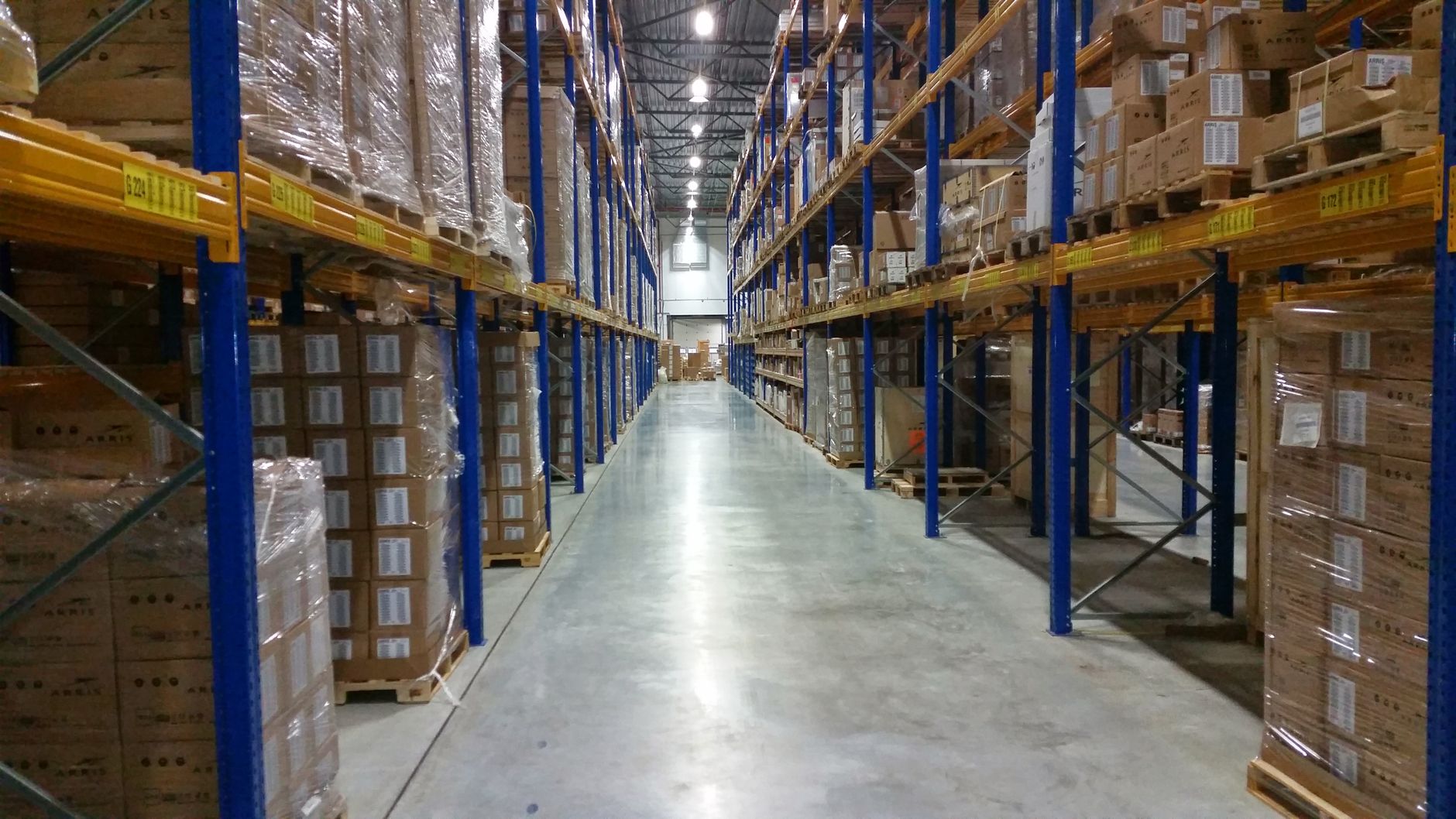
Most of the value sits in the lanes between the bagging line and the truck, but the exact areas depend on the layout. A route is only worth setting up where pallets move often enough to justify it, so the site assessment starts with the busiest paths.
The six zones below are common in a plant like this. Each gets its own route, and each has its own rules for dust, traffic and staff access.
How does it work alongside your team?
The unit does not replace the team. It takes over repetitive truck moves so that the people on site can cover the tasks that need judgment: loading the first pallet of a new product, clearing a jam, checking a damaged bag, and deciding when a route should change. A plant running this kind of unit still needs shift leads, mechanics, and staff who know the packing line.
Staffing is the reason many operators look at this. The same feed industry article notes that manual palletizing positions are hard to fill, and a 2025 warehouse labor survey report found that forklift operators are among the roles respondents found hardest to staff. A secondary write-up citing 2023 BLS data puts U.S. warehouse worker turnover at 49%. That figure is for warehouses, not cement plants, and we have not checked it against the BLS directly, but it shows why a steady, planned flow matters.
The practical point is that a short shift hurts less when the unit keeps its route. People still have to be there, and someone still owns the unit's schedule. We train the staff who work alongside it, so one missed shift does not stall the lanes.
What drives the savings?
Savings come from three places: hours of travel moved from people to the unit, shifts that stay covered without extra hours, and fewer pallets waiting in lanes. The first has the most published ranges. The 3 to 4 hours of travel time per 8-hour shift is a vendor range with no published method, so use it as a question for your own time study, not as a promise.
A time study on your floor is how to size it. Count the minutes a driver spends per pallet on the route, the pallets moved per shift, the shifts that run short, and how often a truck waits for a load. Those numbers decide how many routes make sense and how many units the plant needs.
Hours saved only count when they match the hours the plant actually needs. Overtime that goes away and shifts that no longer need a call to fill are both real hours. The quote we give you after the site assessment reflects the layout and routes, and the payment comes in that quote.
What can it not do?
It cannot handle every load. A unit on a set route is built for standard palletized bags. Damaged pallets, oddly shaped loads and bags split on the way to the truck need a person, so plan for staff to handle exceptions on every shift.
It cannot improvise a route. If a pallet sits in the wrong place, or a lane is blocked by a stack that was not on the map, the unit stops and waits. That is safer than guessing, but someone has to clear the path, and clear, consistent aisles are a requirement.
It does not solve a staffing problem by itself. It shortens the list of trips that depend on a driver being present, but the plant still needs people for maintenance, loading, exceptions and oversight. The realistic expectation is fewer repetitive trips and steadier shipments, not an empty building.
How do we get started?
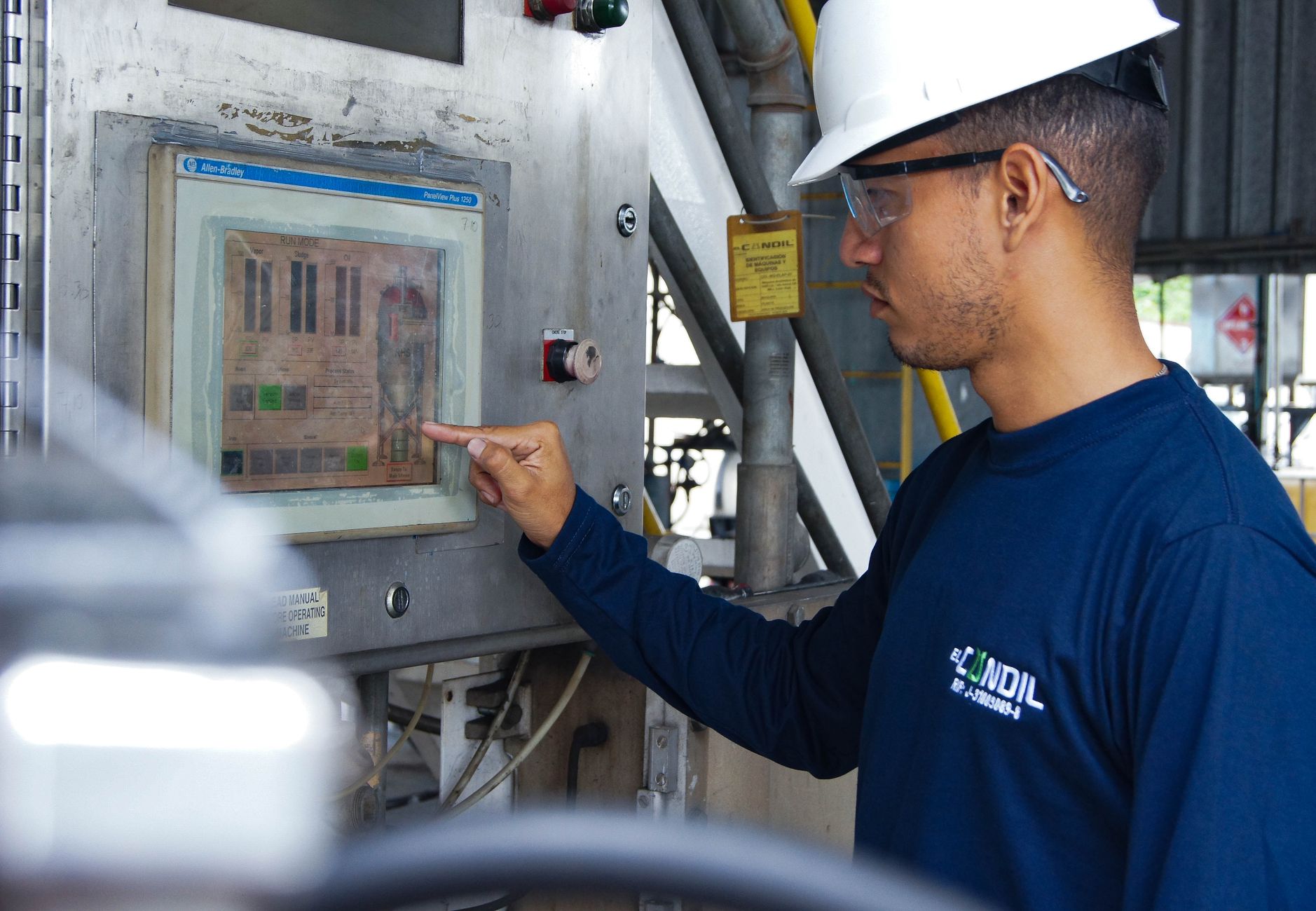
Start with a free site assessment. We walk the plant with you, map the aisles and bays, identify the busiest pallet paths, and agree on what the first route should prove. You do not have to commit to a fleet to learn something useful.
If the site fits, we pick the right robot for it and lease it through financing, so the plant is not asked to commit its own capital up front. The lease is quoted after the site assessment. We then deploy and integrate the unit, train the staff who will work with it, and service it nationwide, with on-site dispatch and remote triage when something needs attention.
Many operators begin with one leased unit on one route, measure the hours for several weeks, and then decide on the next step. That order keeps the decision tied to your numbers. Ask for the site assessment when your shifts are hardest to fill, since a steady pallet flow matters most then.
Frequently asked questions
Want an autonomous forklift at your cement plant?
Tell us about your site. We will recommend the robot, quote the lease, and keep it serviced.
Sources
- Trade magazine article on a Bali cement plant palletizing
- Client case on a Queensland cement plant moving off a manual bagging line
- Feed industry article on palletizing labor shortages
- Logistics provider infographic on automated forklift travel time
- Vendor comparison of autonomous and manned forklift operating hours
- Academic study on autonomous forklift working time
- 2025 State of Warehouse Labor report
- Warehouse turnover rate statistics article citing 2023 BLS data