
Key takeaways
- Autonomous forklifts for furniture warehouses fit the long, repeated pallet runs between receiving, racking and shipping.
- Staffing is the constraint: according to YCharts, the hires rate for transportation, warehousing and utilities was 2.50% in February 2026.
- Published pilot figures point to shorter working time and fewer incidents, though the throughput numbers are vendor-reported.
- The vehicle works beside a smaller team, so the robot takes the most repetitive driving while people handle exceptions.
- Start with a free site assessment, then a lease quote through financing for one unit on one route.
Can autonomous forklifts for furniture warehouses speed up receiving and shipping?
Yes, in the part of the building where furniture moves most. Autonomous forklifts for furniture warehouses fit the long, repeated pallet runs between the receiving dock, the reserve racking and the shipping doors, the same trip made again and again through every shift. Once a route is mapped, the vehicle runs it the same way at the start of the day and at the end of the late shift.
The gain is steadier flow rather than one dramatic number. Inbound trailers clear faster because pallets are put away on time, and outbound orders are staged before the carrier backs in. Published pilot results point to shorter working time and fewer incidents, though the throughput figures come from vendor-reported trade material, so treat them as a starting point.
We are a US commercial robot integrator. We pick the right vehicle for the site, lease it through financing, deploy and integrate it, train your staff and service it nationwide. The payment comes in the quote after a free site assessment, not from a standard list of figures.
What problem does a furniture warehouse face today?
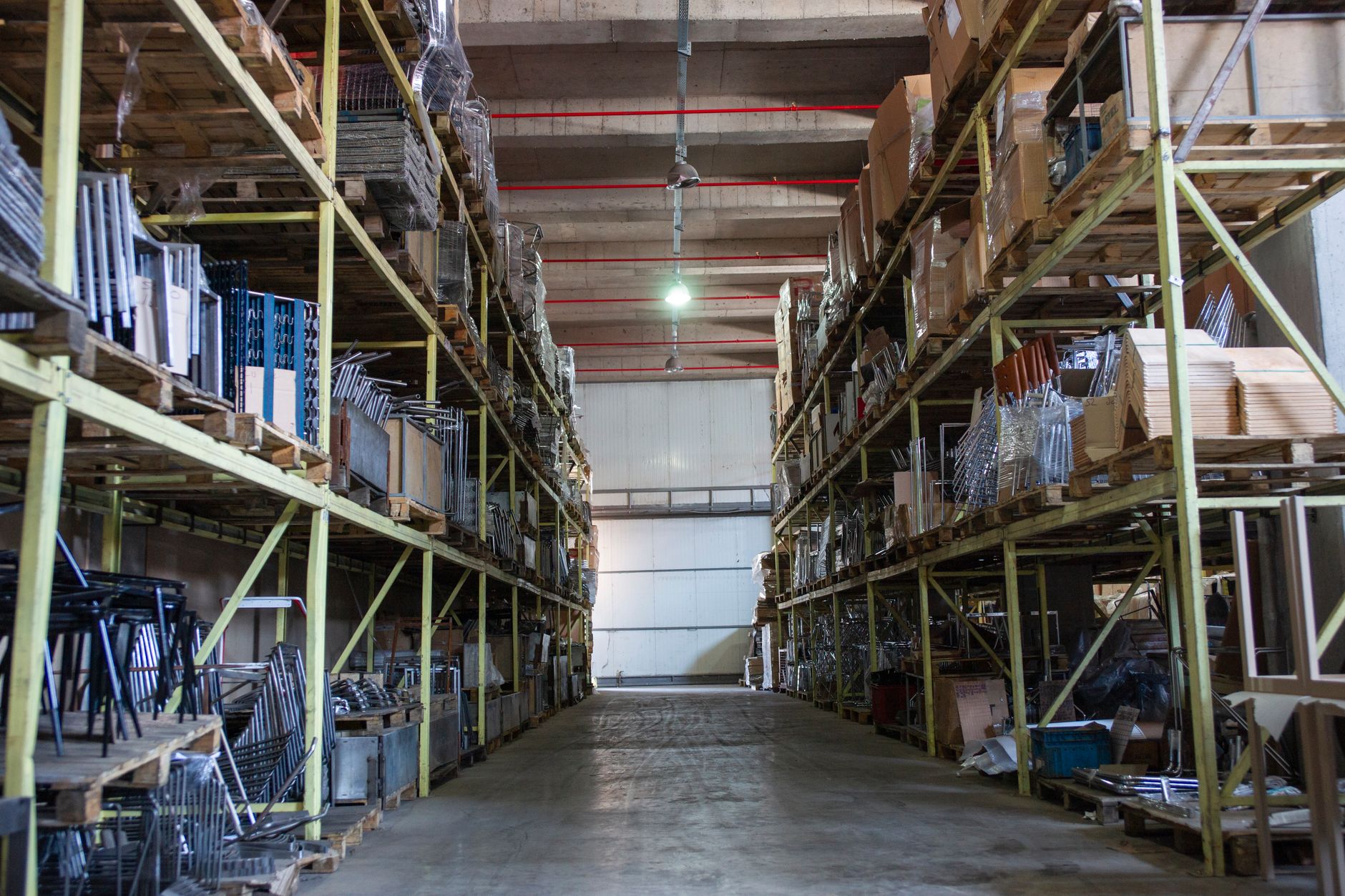
Furniture is bulky and uneven. A sofa, a dining set and a carton of flat-pack parts take far more floor and rack space than their weight suggests, and one building may hold many stock keeping units in very different sizes. Most of the shift goes to moving those loads between the dock, storage and outbound staging, often by people driving reach trucks and counterbalance forklifts.
Staffing is the tight constraint. According to the U.S. Bureau of Labor Statistics, hand laborers and material movers held about 7.0 million jobs in 2024, with projected growth of 4% for 2024 to 2034. The BLS annual JOLTS summary puts the economy-wide job openings rate at 4.3% in 2025, down from 4.6% in 2024. According to YCharts, the hires rate for transportation, warehousing and utilities was 2.50% in February 2026, against a long-term average of 3.60%.
Turnover adds to the pressure. For the same sector, the layoffs and discharges rate was 5.2 in January 2026, up from 4.0 in December 2025 on a non-seasonally adjusted basis, according to the Federal Reserve Bank of St. Louis. The industry base is also large: a secondary business listing of furniture merchant wholesalers under NAICS 423210 shows 5,186 establishments and 70,390 employees, with the year not stated, and the listing is not an official Census count.
Peaks make it harder. Inbound volume can swing sharply around promotions and seasonal sales periods, and the crew that covers a normal week may not cover a peak. A vehicle that holds its route through a late shift keeps the flow moving when the floor is thinnest.
What are the main benefits for a furniture operation?
The gains cluster in four places. Each one comes from the same source: the vehicle takes the repeatable trips on schedule and by the same path, so people are free for work that needs judgment.
For the team, the change shows up in the working day itself. Drivers spend less time on the same empty return walk, and supervisors spend more time on the exceptions that need them. That shift in attention is usually the first thing operators notice.
These are operational gains, not guarantees. A vendor-reported pilot is a useful reference point for building your own baseline, and we measure your numbers during the site assessment before anyone talks about targets.
- Steadier put-away and staging, so inbound trailers clear faster and outbound orders are ready when carriers arrive.
- More pallets per hour on the same route, which one vendor-reported pilot put at 120 to 152 pallets per hour at a single facility, a 26.7% increase.
- Fewer incidents on the routes it runs, with the same vendor-reported pilot showing a fall from 6 to 2 incidents per 10,000 moves.
- Consistent route discipline across shifts, including the late shift, when staffing is thinnest and errors are hardest to catch.
How does the robot work there day to day?
A cycle starts in the warehouse management system or a dispatcher screen. When a trailer is checked in, a task is queued: take a pallet from the dock door, carry it to its reserve lane, and return to staging for the next move. The vehicle plans its own path around the mapped aisles and waits in a standby spot when no task is queued.
People still set the pace. A supervisor sets priorities for the shift, a dock lead confirms door assignments, and an operator can take over a manual unit when a load needs a human hand. Charging windows are planned around shift changes, and fixed racking and marked pedestrian lanes keep the route predictable for everyone on the floor.
The shift ends cleanly too. Unfinished tasks stay in the queue with their location and status, so the next shift starts with the same picture rather than a handover note. Dispatch can reassign a task if a unit is pulled off the route.
Which areas of the building does it work in?
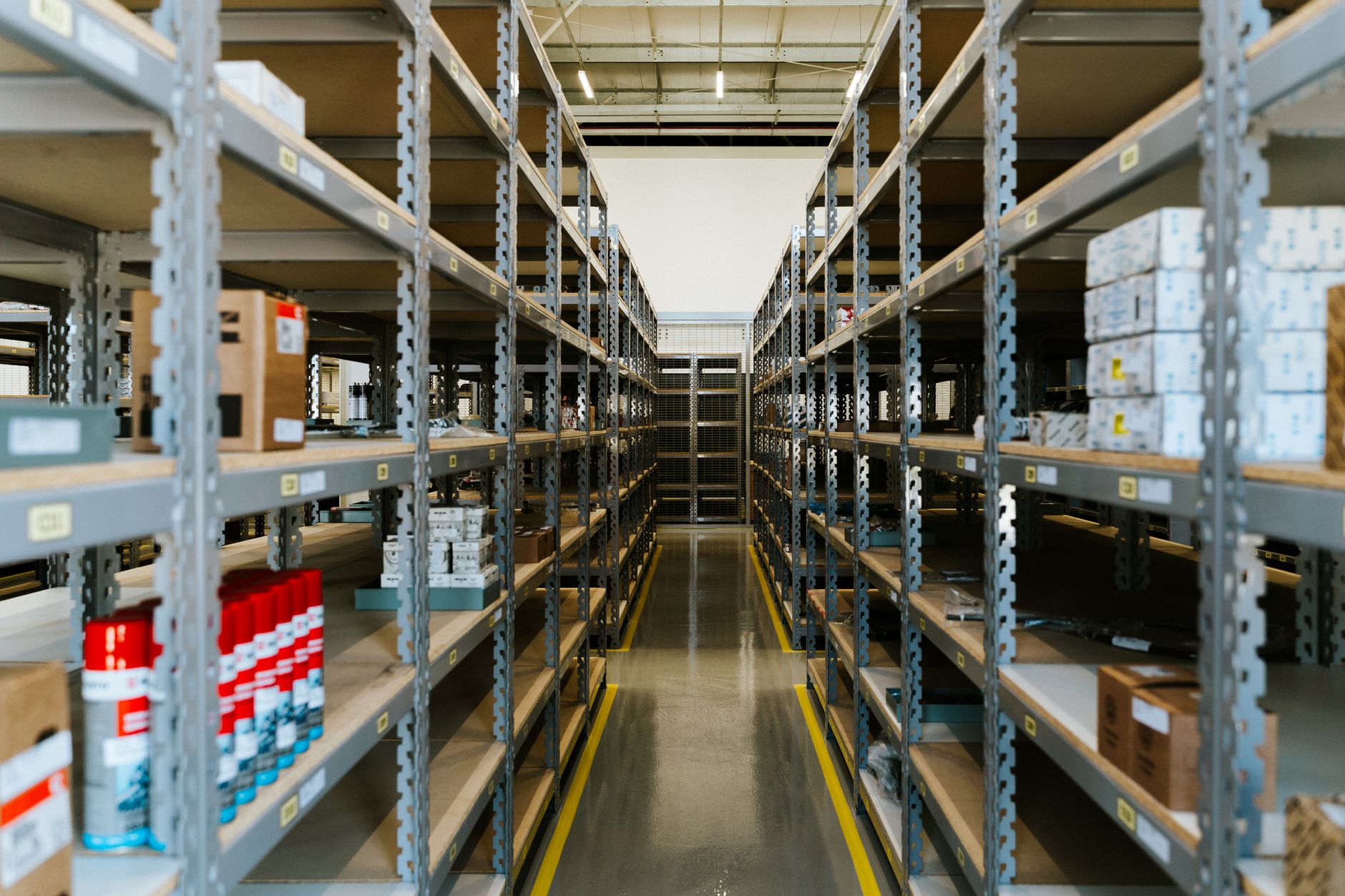
The vehicle works best in the transitional areas where pallets change hands between departments, since those are the moves repeated many times per shift. It runs the long pallet moves at the edges of the picking zone and stays out of the tight pick aisles where people work closest together.
The areas below show where this work usually lands in a furniture building. The exact mix depends on your layout, your door count and how far the reserve racking sits from the dock.
Dock to racking runs are usually the longest in the building, which is why they gain the most from a planned route. Shorter moves inside staging can stay with people, and the mix is set during the site assessment.
How does it work alongside your existing staff?
It works beside a team rather than in place of one. A typical floor keeps its supervisor, dock crew and pickers, and the robot takes the long repetitive pallet runs that used to pull a driver away from other work. The usual result is a robot plus a smaller team on the moves, never a building with no one on the floor.
The hours question is where many operators start. In a 2025 study by Wojtynek et al., autonomous forklifts averaged 4 hours of total working time during the day, against 5 hours for front forklifts. That gap is the kind of planned hour a shift lead can redeploy, and it is the number we would test against your own logs.
Training is short and practical. Staff learn to read the status screen, clear a blocked route, and recognize when to call dispatch. We provide go live support with your team on the floor for the first shifts, so the handover happens with people who already know the building.
What drives the savings in hours and labor?
Savings come from hours spent on the same repetitive routes. Each run the vehicle takes is time a person does not spend walking back to the dock, and the total adds up across shifts, doors and weeks. No single shortcut does this work on its own.
Published figures give the direction of the gain. The Wojtynek et al. study reports 4 hours of average total working time for autonomous forklifts against 5 hours for front forklifts. A trade blog write-up of a vendor pilot reports throughput at one facility rising from 120 to 152 pallets per hour, a 26.7% increase, with incidents falling from 6 to 2 per 10,000 moves. Treat both as reference points for your own baseline, not as results your building will match.
We build the case from your own shift logs: hours spent on dock to racking runs, the pallets per hour your route supports, and how often a run goes wrong. Those inputs, rather than a generic figure, shape the quote that follows a site assessment.
What can an autonomous forklift not do?
It cannot improvise. The vehicle follows a mapped route and a task queue, so a blocked aisle, a pallet set outside its lane or a missing label can stop it until someone clears the problem. Damaged or oversized furniture still needs a person to judge whether it can be moved safely.
Layout sets its limits. Narrow aisles, unmarked crossings, or a floor that is rough, sloped or poorly lit reduce what it can do, and we check those conditions during the site assessment. It does not replace a supervisor, and it does not handle the fine picking done between the racks.
Expect planning around downtime. Vehicles need charging windows and periodic service, and critical shifts need a plan for coverage when a unit is out of service. The published figures above are not a promise for your building.
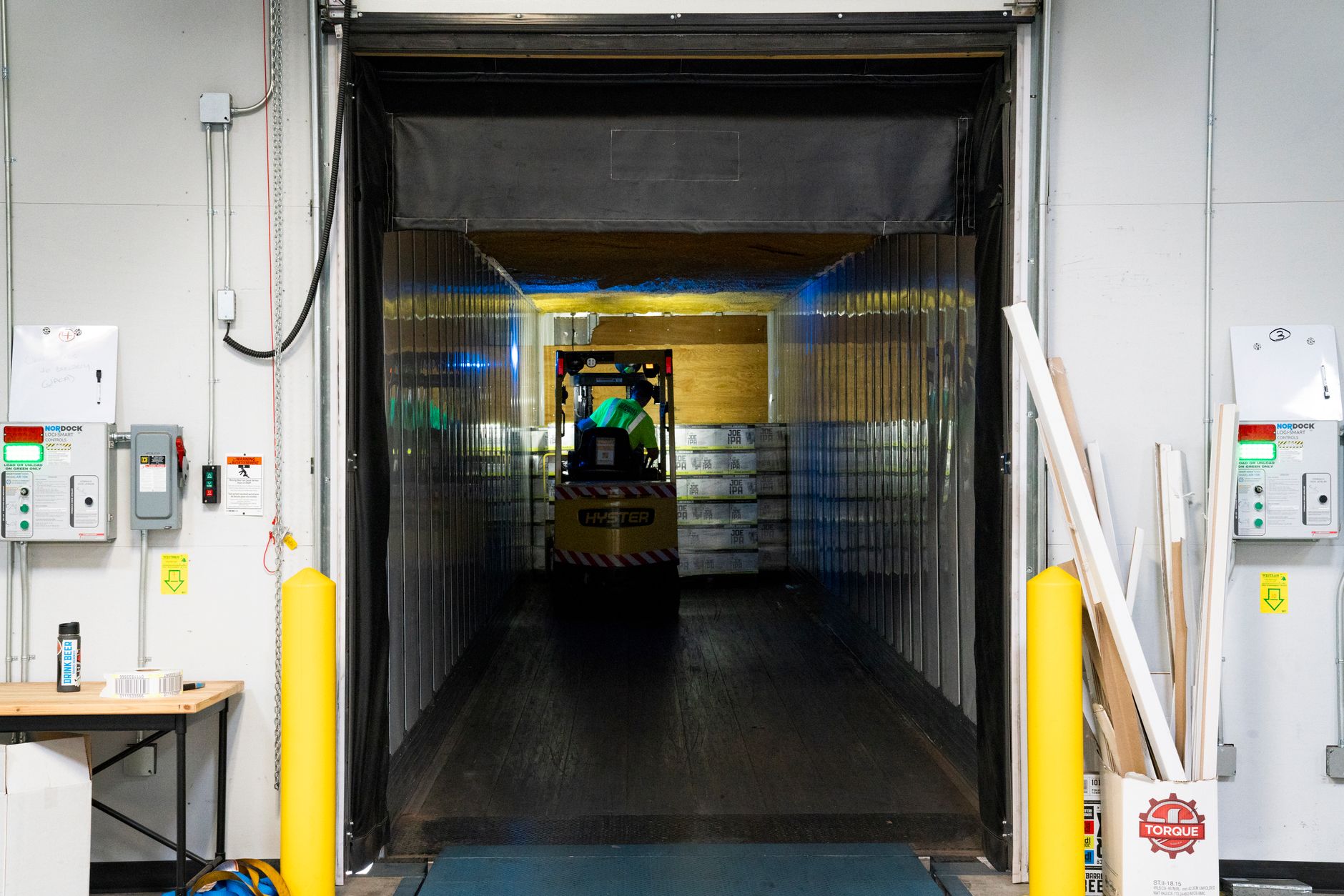
Dock edges and open transitions need attention. Rain, ice, uneven threshold plates and sharp temperature changes at open doors can affect floor traction and sensor performance, so the dock edge is checked before go live.
How do you get started with autonomous forklifts for furniture warehouses?
Start with a free site assessment. We map the route from dock to racking and staging, measure aisles and floor condition, review your shift logs, and identify which runs the vehicle should take first. Many operators begin with one leased unit on one route, then add units once the first shifts run cleanly.
Financing comes next. We lease the vehicle through financing, so there is no large upfront capital outlay, and the fixed robot lease payment comes in the quote that follows the assessment. Maintenance included, with on-site dispatch nationwide and spare unit coverage for critical shifts, keeps the vehicle working after it goes live.
Bring your receiving and shipping volumes, a current layout or drawing, and your shift pattern. That is enough for a useful first conversation about which route to automate first, and what the lease quote would need to cover.
Frequently asked questions
Want an autonomous forklift at your furniture warehouse?
Tell us about your site. We will recommend the robot, quote the lease, and keep it serviced.
Sources
- U.S. Bureau of Labor Statistics, Occupational Outlook Handbook
- U.S. Bureau of Labor Statistics, JOLTS annual summary
- YCharts, transportation, warehousing and utilities hires rate
- Federal Reserve Bank of St. Louis, FRED, JTU480099LDR
- Encyclopedia.com, NAICS 423210 furniture merchant wholesalers listing
- Trade blog write-up of a vendor pilot, gettransport
- Wojtynek et al. (2025), repository record