
Key takeaways
- Autonomous forklifts keep pallets moving between unloading areas and dock doors on set routes.
- The main gain is steadier flow on heavy days, when pallets would otherwise stack up.
- People stay on the floor for inspections, exceptions, paperwork and loading.
- Labor pressure shows up clearly in warehouse data, so route consistency matters.
- The lease is quoted after a free site assessment, so the plan comes before the payment.
How can autonomous forklifts for container freight stations help?
Autonomous forklifts for container freight stations can move pallets between the unloading area and the dock doors on set routes, without waiting for a driver to be free. That matters most on heavy days, when a container can be stripped faster than its pallets can be cleared. Pallets stop piling up, and freight keeps moving toward the doors.
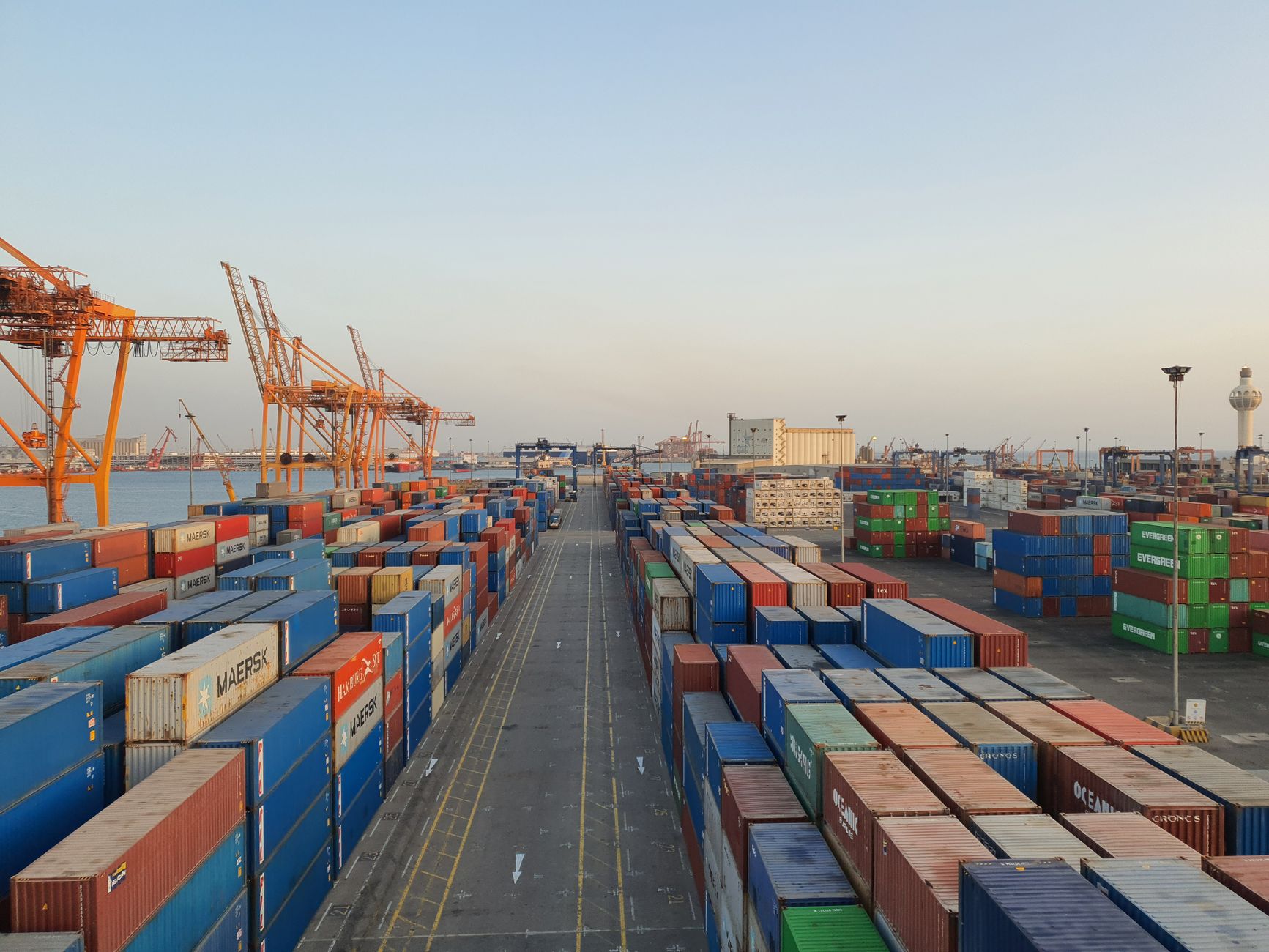
A container freight station, or CFS, is where less-than-container-load cargo is consolidated before export or deconsolidated after import, according to a logistics trade article on the topic. Stuffing means loading cargo into containers at the station, and stripping means unloading containers there. Both steps create pallet traffic that has to reach the right door on time.
What is slowing freight at a container freight station today?
Most of the trouble is timing. Containers arrive in surges, the cargo has to be sorted and staged, and pallets must reach the dock doors when trucks and the next load are ready. When the staging area fills, forklift drivers spend their shifts working through a backlog instead of clearing freight.
We could not find a national count of container freight stations in the United States. One logistics company reports that it operates 20 of its own bonded facilities at major ports of entry, plus 63 partner facilities. That is one company's self-reported network, not a national figure, but it shows how many sites a single operator can run.
The labor side is harder to manage. A 2025 industry report puts turnover at 53% for warehousing and transportation. A workforce statistics page citing 2023 Bureau of Labor Statistics data puts annual turnover for warehouse workers at about 49%. These figures describe warehouse and transportation work broadly, not container freight stations specifically, but they describe the same kinds of crews.
A 2025 labor report from a warehouse staffing platform found that 52% of fulfillment-center managers named finding reliable, quality labor as their top challenge. Secondary workforce data citing Bureau of Labor Statistics job openings figures also says open warehouse jobs passed 370,000 as of February 2025, up 15% year over year. That secondary figure should be checked against the Bureau of Labor Statistics itself before it is quoted in a plan.
What are the main benefits for the operator?
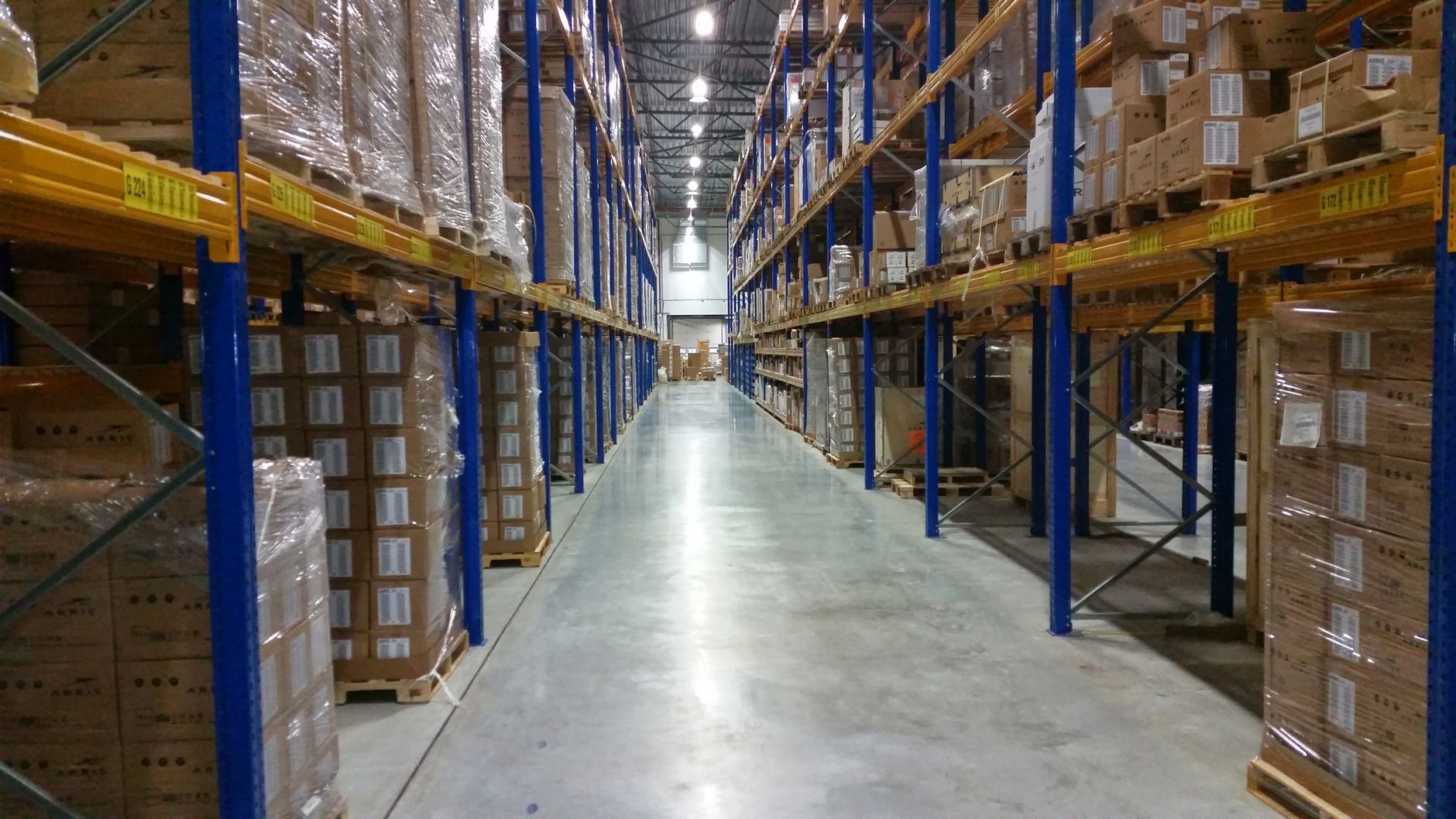
The biggest benefit is steadier pallet flow. An autonomous forklift runs the same routes every shift, so moves between the unloading area and the dock doors happen on a schedule instead of when a driver happens to be free. Staging lanes stay clear enough for the next container to come off the truck without a backlog.
Several benefits follow from that steadier flow:
- Pallets reach the dock doors on time during unloading peaks.
- Staging lanes stay clear, so unloading crews do not stop to wait for space.
- Drivers move to exception work, checks and loading instead of repeat runs.
- Traffic follows fixed paths, which makes the floor easier to read for everyone on it.
- Move records show supervisors where freight waits, so the next fix is based on evidence.
How does the robot work there day to day?
A typical cycle starts when a pallet is set down at the unloading area or in a staging lane. The autonomous forklift picks it up, follows its mapped route to the assigned dock door or staging position, places the pallet, and returns to the next task. Routes are mapped during a site assessment and set up with your staff before go-live.
Most of the work is repetitive, which is why it suits a machine. The same paths and pallet types repeat across a shift. When something unusual appears, such as a pallet out of position or a person in the lane, the vehicle stops or flags the issue, and a person clears it.
Because the vehicle follows the same paths, a supervisor can see at a glance whether a lane is backing up. That tells the team where to send a person before the delay reaches the doors.
Which areas of the station does it cover?
The robot works in the transfer areas between the container door, the staging lanes and the dock doors. The zones below show where those moves usually happen. The exact set depends on your layout, which the site assessment maps before any route is set.
Areas where people work close to the lanes, such as the stripping crew's workspace, need the most careful route design. Cross-aisles at the rack ends need the same care, because traffic from several lanes meets there. That is where the assessment spends the most time.
How does it work alongside existing staff?
The robot is an addition to a crew, not a replacement for one. Stripping still needs people to open and inspect cargo, check seals, count pieces, handle damage and exceptions, and sign off on paperwork. The autonomous forklift takes the repeated pallet moves so those people spend more of their shift on the work that needs judgment.
Staff training is part of every deployment. Operators learn how the vehicle behaves, what to do when it stops, how to clear a route and how to call for service. Supervisors learn to read the move records. The setup we plan for is a robot plus a smaller team, never zero staff.
What drives the savings, and what do the numbers say?
The savings come from hours. Every pallet move a person no longer makes is time they can spend on the rest of the job, or time that no longer piles into overtime on a heavy day. The main drivers are the hours spent moving pallets during peaks, the time crews wait for a free forklift, and the effort of hiring and training replacements when turnover runs high.
We did not find a published hours range for these moves at container freight stations, so we will not invent one. The figure that matters is your own: the hours your team logs on pallet moves per shift, and how often those moves wait during a surge. That is what the site assessment measures before any quote is written.
The market is moving in this direction. A market research firm projects that shipments of autonomous industrial lift trucks will double from 2024 to 2025 in North America and Europe, as reported by a logistics news site. That is a projection about equipment shipments, not a measure of how many stations have adopted the technology.
What can an autonomous forklift not do?
It does not replace the people who unload, inspect and sign for cargo, and it does not decide what happens to damaged or held freight. It moves pallets along the routes it has been given. A route change, a new pallet type or a new dock layout means the vehicle is set up again before it works well there.
Safety matters here too. Powered industrial trucks are covered by OSHA's standard at 29 CFR 1910.178, and that standard still applies to any manually driven forklift on the floor. A vendor blog summarizing OSHA's commonly cited estimate puts forklift injuries at about 35,000 serious and 62,000 non-serious per year, which is why marked lanes and clear training matter.
How do we get started?
For operators of autonomous forklifts for container freight stations, the first step is a free site assessment. We walk the station, map the unloading areas, staging lanes, dock doors and the routes between them, and look at where pallets wait today. We then pick the autonomous forklift that fits the floor and the load.
Robots are leased through financing. The lease is quoted after the site assessment, so the payment and the plan both come in one clear proposal before any agreement. After that comes deployment and integration, staff training, go-live support and service nationwide.
We are a commercial robot integrator, so one team picks the robot, deploys and integrates it, trains your staff and services it. Bring the numbers you already track, including shift hours on pallet moves, peak days and the places where freight waits, so the assessment starts from your operation.
Frequently asked questions
Want an autonomous forklift at your container freight station?
Tell us about your site. We will recommend the robot, quote the lease, and keep it serviced.