
Key takeaways
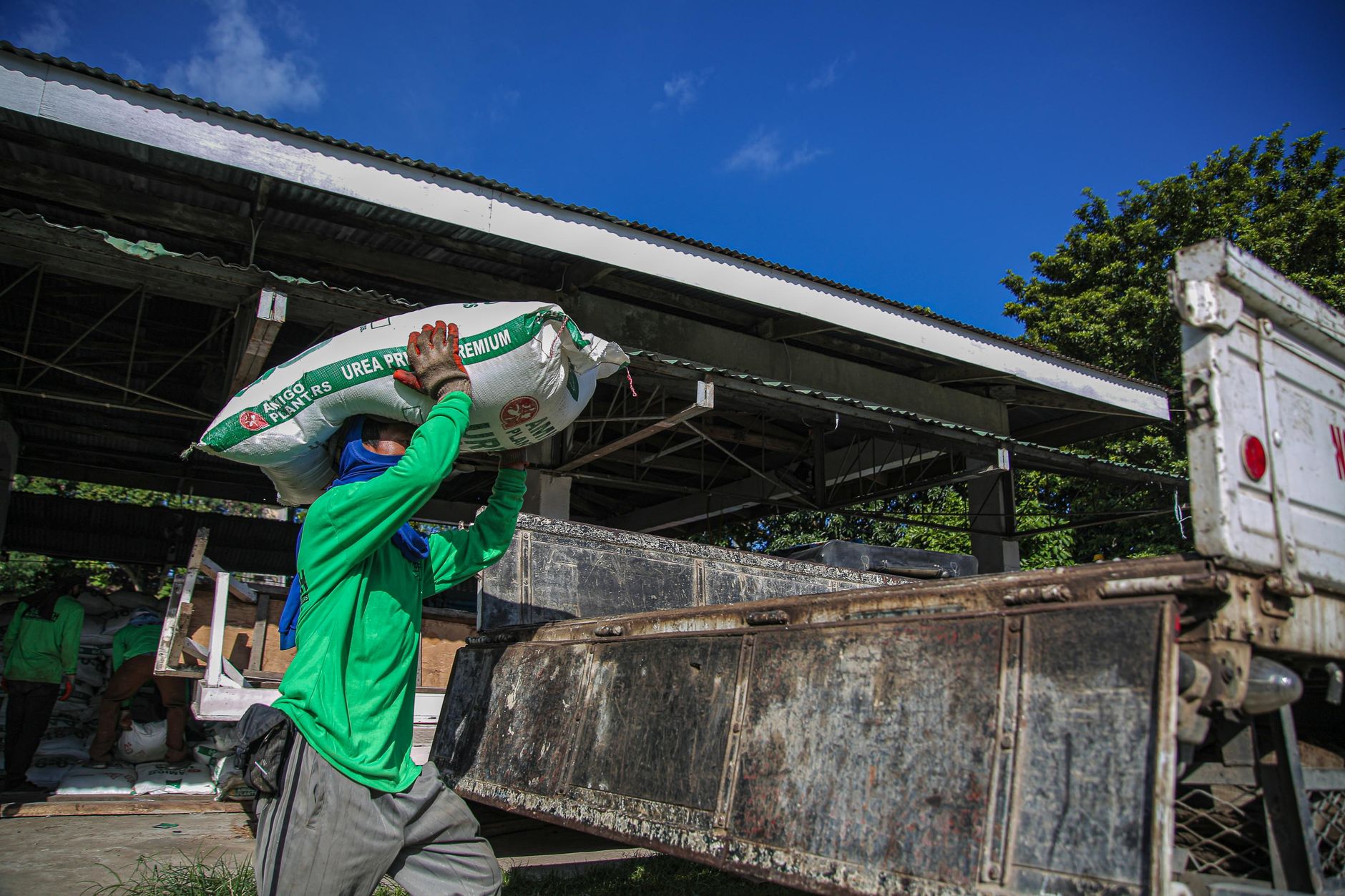
- Spring peaks hit the same heavy bag lanes every year, which makes them a strong fit for autonomous forklifts.
- Peak-season overtime is a clear signal that the repeated lane moves are worth a closer look.
- Published savings vary widely, so test lane hours and overtime on your own floor before scaling.
- A robot plus your existing team takes the repetitive pallet moves while people keep judgment, loading and quality.
- Start with a free site assessment, then get a lease quote through financing.
How can autonomous forklifts for fertilizer warehouses help?
Autonomous forklifts for fertilizer warehouses take over the repeated pallet moves that pile up when spring demand arrives. A bag pallet is heavy, the route from the dock to a storage lane is usually the same each time, and the crew that normally handles those moves is already stretched thin. A robot that follows set lanes can carry that work through the busy weeks while your people focus on picking, loading and checks.
The benefit is not about replacing the crew. It is about the hours a crew spends on the same lanes over and over. Because the peak is seasonal, the robot earns its place in the weeks when overtime requests climb, and the lanes it runs remain useful the rest of the year.
Below we cover where the time goes, how a day runs, which areas the robot serves, how it fits next to your team, what published numbers show, what it cannot do, and how to get started.
What does the spring peak do to a fertilizer warehouse today?
Fertilizer demand is seasonal in a way most warehouses are not. A 1961 paper on bulk warehousing notes that potash and urea are consumed heavily in early spring, while production stays fairly steady through the year. The building has to receive, store and ship heavy product in a short window, and the lift work lands on the same few people.
Job postings show how operators cope. A plant laborer posting for a Texas fertilizer site lists overtime in peak season, with duties that include loading and unloading trucks, railcars and barges. A Michigan operations posting also requires overtime in peak season. When staffing up for a few weeks is hard, overtime becomes the default, and it wears down people who lift heavy bags all day.
Every pallet move ties up a driver, a machine and aisle space at the same time. When the spring rush arrives, those moves queue behind each other at the dock and in the staging area, and the schedule slips before anyone sees where the delay began.
What are the main benefits for the operator?
The first benefit is steadier lane work. A robot takes the same route at the same pace every shift, so bag moves between dock, staging and storage no longer depend on who happens to be free. Planners can count on a known set of lanes, which makes the spring schedule easier to build and to check.
The second is fewer hours on the repeated part of the job. A vendor case study of an autonomous tugger at another site reports about 60 labor hours saved each week, along with the redeployment of 1.5 full-time roles. Vendor figures need checking against your own floor, but they point the same way your crew feels during peak weeks.
The third is less dependence on overtime. Postings repeatedly list peak-season overtime as a requirement, which shows where strain already sits. Moving repeated lane work to a robot gives supervisors another lever, while staff keep the calls on load, quality and safety.
How does the robot work day to day?
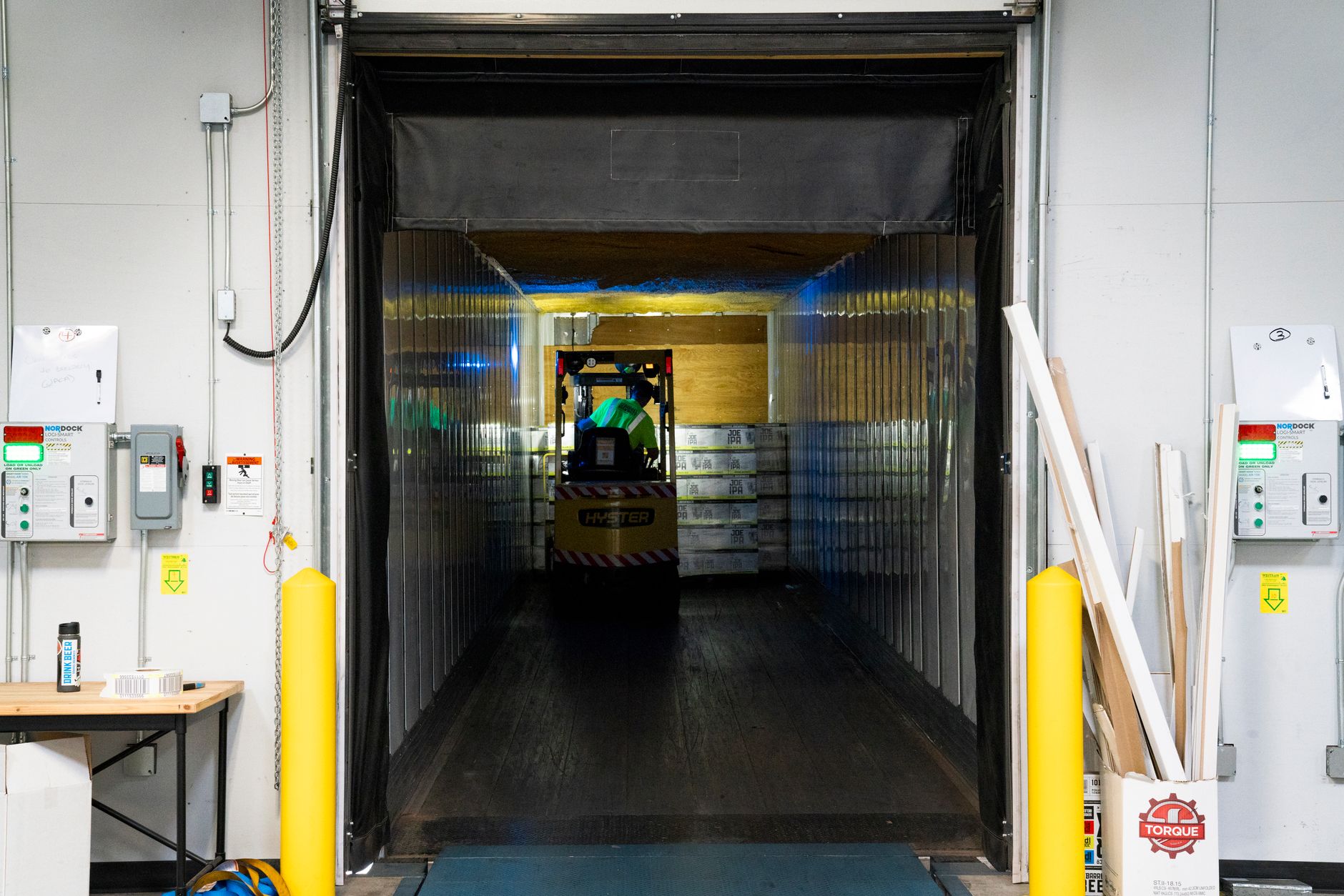
A typical day starts before the first truck. The lead reviews the pallet list for the shift, the robot confirms battery and sensor status, and staff stage the first pallets at marked pick points. Moves can be queued from a list your team sets, or from your warehouse system if we integrate it during deployment.
During the shift the robot runs its lanes between dock, staging and storage. It picks up each pallet at a marked point, carries it along the route, and sets it down at the destination. Staff track status on a screen and clear any blocked lane, such as a pallet left in the path.
The end of the day is routine too. Operators review completed moves and any exceptions, the robot returns to its charging point, and the next shift starts from a clean queue. Day and night crews can run the same lanes, which helps when peak work runs past normal hours.
Which areas of the warehouse does it cover?
Autonomous forklifts for fertilizer warehouses work best where the route repeats: between the places where heavy bag pallets arrive, wait and leave. Predictable lanes matter more than floor size. Areas with heavy foot traffic or irregular stacking need a closer look during the site assessment.
The zones below are the six areas we usually map first. Each has its own job, but all of them are lane work that suits the robot, and each one is confirmed on the floor before anything goes live.
Overflow bays are a good test of the lane idea. During peak weeks, pallets move into floor space that is normally clear, so the route must stay open for the robot even as the stack grows. The site assessment tests that route at the busiest point of the season, not on a quiet day.
How does it work alongside your crew?
The robot does not work alone, and it does not replace the team. A fertilizer warehouse still needs people to receive product, check bag counts and labels, pick orders, load trucks and railcars, and keep the site safe. The robot takes the repeated pallet moves so those people spend more of their shift on that work.
Training for the core roles is short. The Bureau of Labor Statistics describes hand laborers and material movers as needing no formal credential and short-term on-the-job training, and projects 4% growth for 2024 to 2034, about as fast as average, with roughly 258,400 new jobs. Training staff to run and supervise a robot is a manageable step, and the realistic model is a robot working beside your existing team, never a building with no one in it.
We deploy and integrate the robot, train the people who run it, and provide go live support through the first peak weeks. Maintenance is included in the lease, and we service units nationwide, with on-site dispatch when a unit needs hands-on work.
What drives the savings, and what do the numbers show?
The savings come from hours, and they vary by site. The main drivers are the time a driver spends on each lane move, the walking between moves, and the overtime added to cover peak weeks. A vendor case study cites nearly 4,000 autonomous missions and over 1,800 hours of autonomous operation, which shows the kind of operating volume a vendor reports, though it does not describe your floor.
An automated forklift infographic from a logistics operator puts one robot at 3 to 4 hours of travel time saved per 8-hour shift. That is vendor material with no stated method, so use it as a question to test rather than a forecast. A trade press article on a robotic cross-dock reports, from one user, a reduction of more than 30% in cost per shift and fewer forklift operators needed. That is one operation, not an independent study.
Scale helps you size a program. A third-party industry aggregator, citing Census County Business Patterns for 2023, counts 9,322 establishments in the farm supplies merchant wholesaler group, which is broader than fertilizer. Treat that as a rough sense of how many similar sites exist, not as a count of fertilizer warehouses.
What can it not do?
It cannot handle open-ended work. It needs predictable lanes, marked pick points and a floor the site assessment confirms is clear. Irregular stacking, unlabeled pallets or loads that do not fit the route will still need a person.
It will not make judgment calls. Bag counts, damaged product, spills and safety calls stay with the crew. A robot that stops also needs a person to clear it, so the plan has to cover those moments rather than assume the lanes never block.
It is not a fix for a broken layout. Blocked aisles, uneven racking or product stacked in the path will slow the robot or stop it. The site assessment is where those problems show up, and it is a far better time to fix them than in the middle of spring.
How do you get started?
Start with a free site assessment. We map the floor, check lanes, dock doors and staging points, and talk through your peak calendar with the team. From there we recommend the right robot for the site, or we tell you plainly when a robot is not the right fit.
The robot is leased through financing, and the payment comes in the quote after the assessment, not before. Some operators start with one leased unit as a pilot during a spring peak, which lets the crew learn the lanes before any larger program. Robot lease options and lease financing programs are laid out in the quote, so the full terms are on the table before you decide.
After the quote, we handle robot deployment and integration, train your staff, and provide go live support. As a US commercial robot integrator, we pick the robot, lease it, deploy it, train your people and service it nationwide, so you have one team to call from the first lane to the last peak week.
Frequently asked questions
Want an autonomous forklift at your fertilizer warehouse?
Tell us about your site. We will recommend the robot, quote the lease, and keep it serviced.
Sources
- U.S. Bureau of Labor Statistics, Occupational Outlook Handbook
- Vendor case study on autonomous tugger labor hours
- Automated forklift infographic (vendor material)
- Trade press article on a robotic cross-dock
- Third-party industry aggregator citing Census County Business Patterns 2023
- Plant laborer job posting, Texas fertilizer site
- Operations job posting, Michigan, peak-season overtime
- 1961 paper on bulk warehousing and handling