
Key takeaways
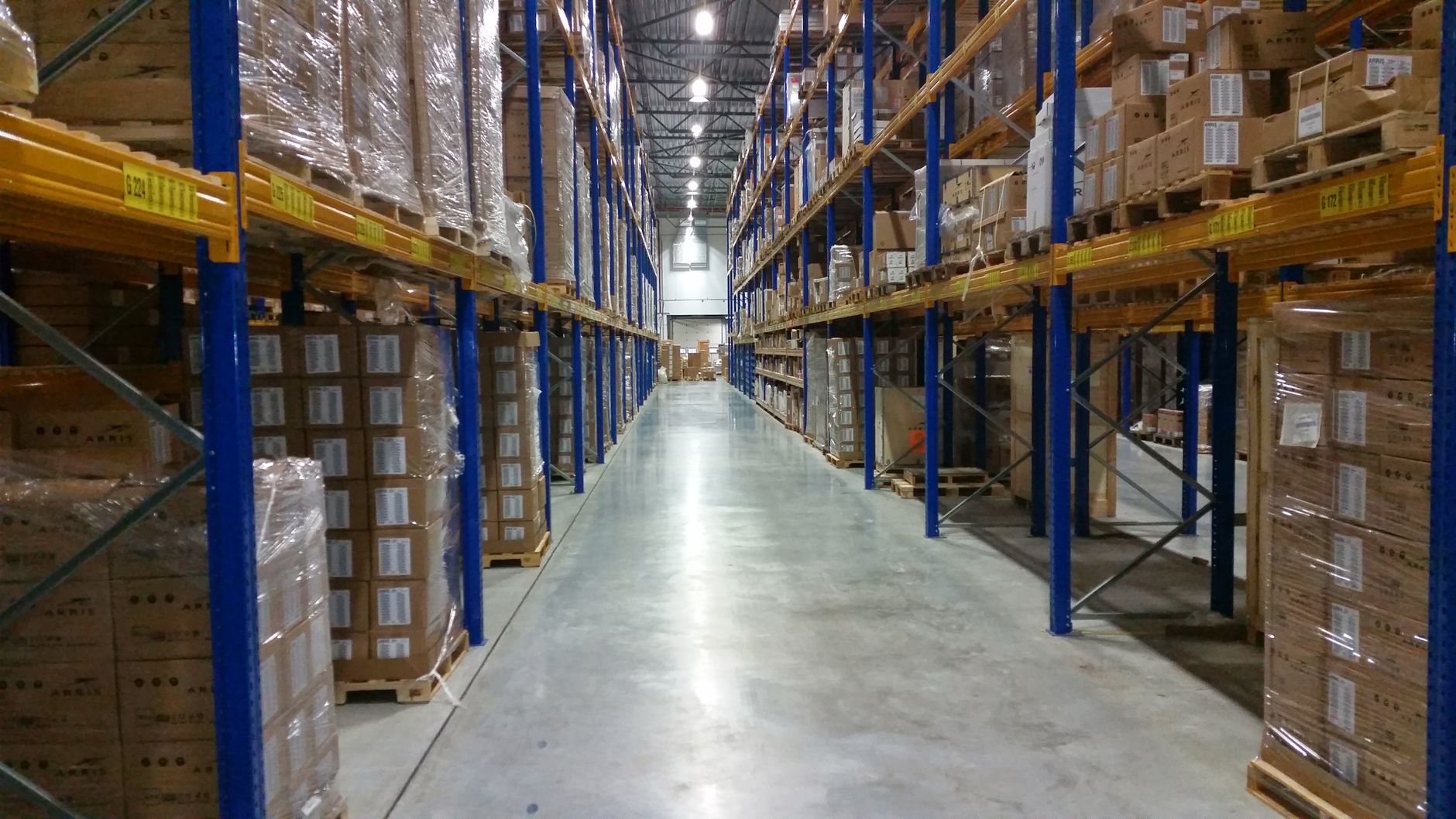
- Autonomous forklifts for chemical warehouses take repeated pallet routes out of tight, segregated aisles.
- Operator openings recur every year, and chemical training rules narrow the pool of candidates.
- Travel time savings are vendor-reported, so a site assessment measures the hours on your own routes.
- The unit works with a smaller trained team, never with zero staff.
- Start with a free site assessment, then a quote and a lease through financing.
Can autonomous forklifts for chemical warehouses cover the shifts you cannot fill?
Partly, and in a specific way. Autonomous forklifts for chemical warehouses take over the repeated pallet moves that tie up your operators, which frees the people you do have for work that needs a trained person. Most chemical buildings have a few routes that repeat every shift: receiving to racking, racking to pick staging, and staging to the outbound doors. A unit can run those routes without an operator in the seat.
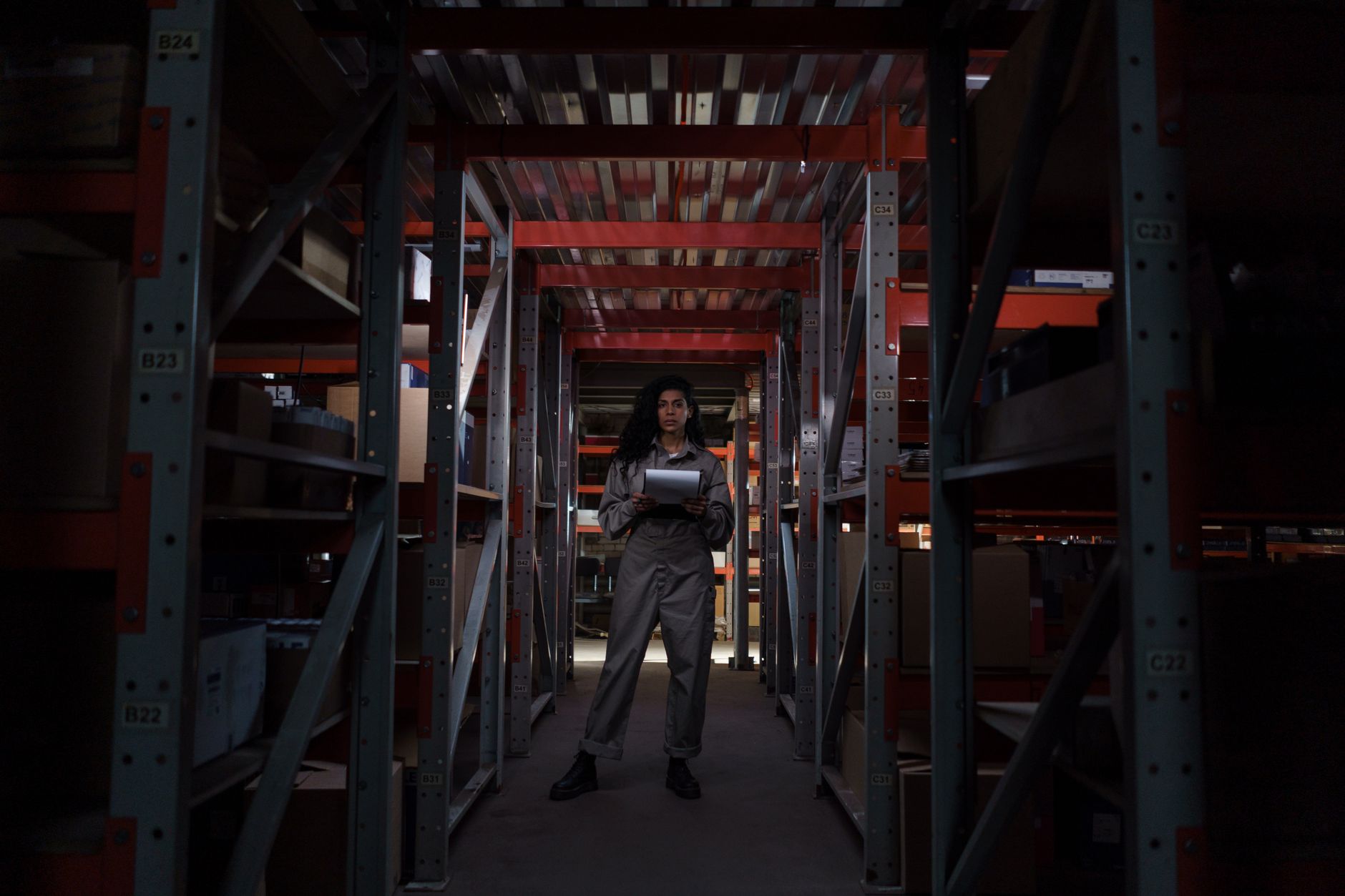
The problem it solves is staffing in a high-care storage environment. When a shift cannot be filled, the usual fixes are pulling an operator from another area or paying overtime to someone already working in sensitive aisles. Both put more people into tight, segregated storage than the work needs. Fixed routes through those aisles reduce how often a person has to be there.
This is not a claim that the unit replaces your team. It lets you place fewer operators inside the high-care zones, keeps trained staff on exceptions and checks, and handles predictable moves at set times. The sections below cover the staffing problem, a normal shift, the areas it can reach, how staff work with it, what drives the hours saved, its limits, and how to start.
Why is staffing a chemical warehouse so hard today?
The pool of people willing to run forklifts is large but turns over quickly. According to the U.S. Bureau of Labor Statistics, material moving machine operators have about 83,200 openings per year, on average, over the 2024 to 2034 projection period. Most of those openings come from workers who leave rather than from new jobs, and projected employment growth is 1 percent. You are recruiting all year even when the job count barely moves.
The wider group is larger. The same agency reports about 1.8 million openings per year, on average, across transportation and material moving occupations, and your neighbors draw from the same people. In 2024 the agency counted about 867,700 material moving machine operator jobs, of which 792,500 were industrial truck and tractor operators. Those are the people a chemical site competes for.
A chemical building narrows the pool further. Stock is kept apart by hazard class, with flammables, oxidizers, acids and bases, toxics and reactives segregated from each other, according to a US hazardous materials safety checklist. Federal rules in OSHA standard 29 CFR 1910.178 require operator training and certification for powered industrial trucks. Once you add the training and the aisle rules, a shift you cannot fill is harder to cover than it would be in a general warehouse.
Pedestrians raise the stakes. According to a publication summarizing forklift statistics, roughly 20 percent of forklift accidents involve a pedestrian, yet 36 percent of forklift-related deaths do. In a building where people walk the aisles to sample, label and check stock, every extra truck movement in a tight lane is a risk you have to manage.
What are the main benefits for a chemical warehouse?
The benefits cluster around three things: fewer operator trips into hazard-sensitive aisles, steadier pallet flow when a shift is short, and less overtime pressure on the people who remain.
- Fewer trips into segregated storage, because fixed routes replace many ad hoc moves through the aisles.
- Predictable timing between receiving, racking and outbound staging, so flow does not depend on one free person.
- Coverage for routine moves during short shifts, with trained staff kept on exceptions and checks.
- Routine runs that no longer depend on who is working that day.
How does the unit work day to day in a chemical aisle?
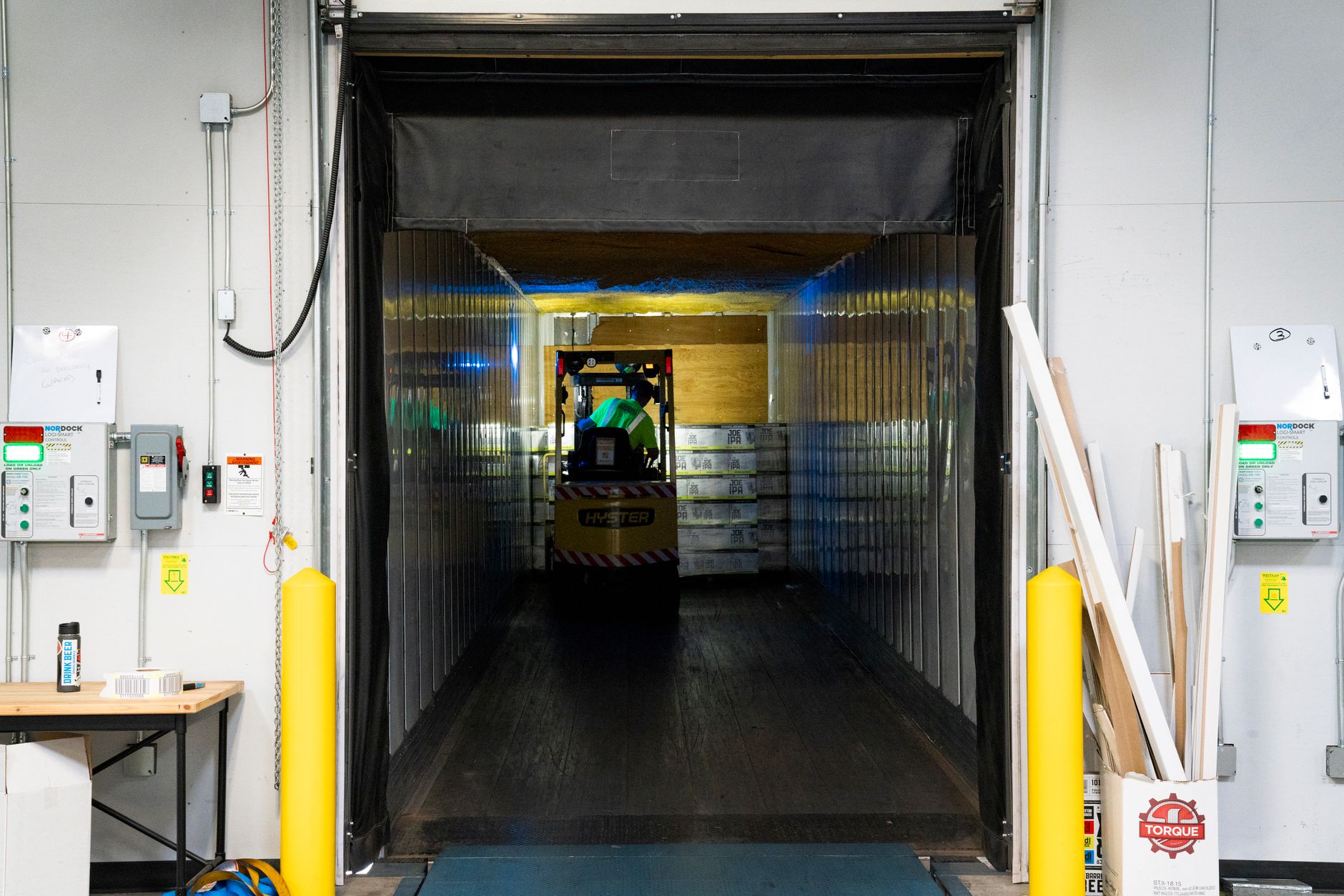
A pallet is staged at a defined pickup point and the unit collects it. It follows a mapped route to a drop point, such as a racking bay or an outbound door, then returns for the next task. The route is set during deployment from a site map built during the assessment, so stops, speeds and clearances stay the same for each lane.
Travel time is where most of the early value sits. According to a logistics provider's infographic, one robot can save 3 to 4 hours of traveling time per 8-hour shift. That is a vendor figure. On your floor the result depends on route length, distances and how often pallets are ready, so use it as a starting point for the assessment rather than a result.
Staff set the work order, clear spills and blocked lanes, handle damaged loads, and step in when a pallet is out of pattern. The unit's job is the repeated run, and the team's job is everything that needs a person to look, decide or sign off.
Routes are reviewed after the first few weeks, once real stop times and pallet arrival patterns are visible. A route that looked clean on the site map may need different timing at the dock during peak receiving, and that adjustment is made with the staff who know the building.
Which areas of the building does it work in?
Most of the work sits in the standard flow areas, not the most sensitive bays. The zones below run from the receiving dock to the outbound doors, and each one is confirmed during the site assessment.
Crossings are where the layout needs the most care. The truck apron and loading doors carry forklift and delivery traffic, so the unit crosses only at marked points with the rules agreed in advance. Where a crossing cannot be marked clearly, that route stays with trained staff until the floor is changed.
The hazard-segregated bays are the exception. Entry depends on the rating the site requires for that zone and on the chemicals stored there. Some classified zones call for equipment rated for hazardous locations, and that is confirmed in the site assessment, not assumed. Where a bay is excluded, trained staff run those moves.
How do existing staff work alongside the unit?
The unit works alongside your team, not in place of it. A robot plus a smaller team is the model that fits a chemical site. The operators you keep handle exceptions, quality checks, staged loads that need judgment, and any move outside the mapped route.
Staffing changes shape. Rather than filling every shift with a forklift operator, you schedule people for the work that needs a person, and the unit covers the predictable moves between those tasks. Staff who work near the unit need to know its stop and warning behavior, the marked routes, and the rules at pedestrian crossings.
Our team handles deployment, integration and the training on those rules, then provides go live support, so the first weeks run with someone who knows the site on hand.
What drives the savings, measured in labor hours?
The savings come from labor hours, not one headline number. The useful measures are hours of travel taken off operators and hours of movement the unit completes without a person on the truck.
A manufacturer case study reported an estimated 4,000 labor hours saved per year after deploying autonomous forklifts. A second case study, on an autonomous tugger, reported 60 labor hours saved each week and over 1,800 hours of autonomous operation. Both are vendor case studies from sites outside the chemical sector, so read them as the scale of effect, not a forecast.
Your own hours come from your route lengths, your pallet counts and how many shifts currently go short. The assessment measures those, and the quote is built around the hours you need covered, with the payment set in the quote after the site assessment.
What can it not do?
It cannot handle a route it was not mapped for, a pallet it cannot sense, or a zone it was not rated for. It also cannot judge a leak, a damaged container, or a load that is shifting in the racking. Those decisions stay with trained staff.
It does not remove the training requirement. Federal rules in 29 CFR 1910.178 cover powered industrial trucks, and the people who oversee the site still need training and certification. The unit reduces how often operators must enter tight areas, but it does not reduce the training they need.
Spills, floor damage and blocked lanes can stop a unit. Clear floors and clean markings are part of the setup, and a stopped unit is a reason to bring staff into the lane, not a reason to skip the check.
It also cannot replace the knowledge of someone who has worked the building for years, such as which bay had a recent leak or which racking gets loaded unevenly. Keep those notes with the route plan, because the unit only follows the map it was given.
How do we get started?
Start with a free site assessment. We map the aisles, review hazard segregation and pedestrian routes, and measure pallet flow at the dock and the doors. From that we recommend the right unit for the floor and the work, along with a starting point such as one leased unit on a single route.
The unit is taken on through lease financing programs. Robots are only leased, and the fixed robot lease payment comes in the quote after the site assessment. Nothing is quoted before we have seen your floor, so the quote reflects your aisles, your hazard bays and your shifts.
After signing we handle robot deployment and integration, route setup, staff training and go live support. We then service the unit nationwide, with on-site dispatch and remote triage, and the service terms are set out in the quote. A pilot on one route is a reasonable first step for a site that wants to see its own hours before adding units.
Frequently asked questions
Want an autonomous forklift at your chemical warehouse?
Tell us about your site. We will recommend the robot, quote the lease, and keep it serviced.
Sources
- U.S. Bureau of Labor Statistics, material moving machine operators
- U.S. Bureau of Labor Statistics, transportation and material moving
- Forklift safety statistics summary
- Logistics provider infographic on automated forklifts
- Manufacturer case study on autonomous forklifts
- Autonomous tugger case study
- OSHA powered industrial trucks standard 29 CFR 1910.178
- US hazardous materials storage safety checklist