
Key takeaways
- Pharma sites face hiring gaps, so steady pallet moves are a good match for automation.
- Downtime risk is the real constraint, so plan technician support before go-live.
- Measure hours on each lane during a pilot instead of relying on vendor claims.
- Autonomous forklifts still need trained people for exceptions, audits and repairs.
Can autonomous forklifts help a pharmaceutical warehouse?
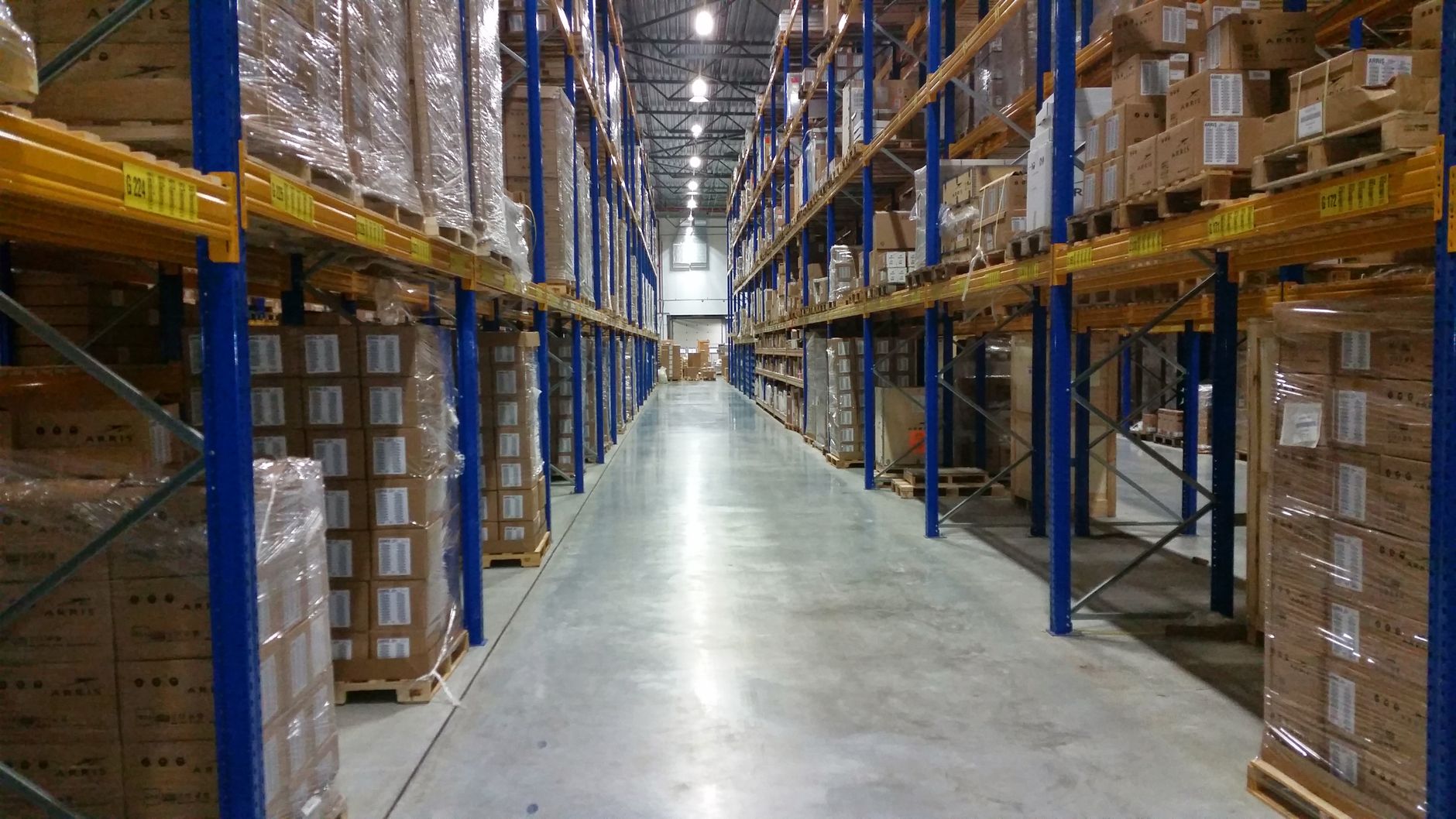
Yes, in the right places. Autonomous forklifts for pharmaceutical warehouses work best on controlled, repetitive pallet moves: receiving from the dock, putting away into racking, pulling orders to staging and loading outbound trucks. The work is predictable, the routes are known, and the same moves repeat many times a shift. That is where a driverless truck can keep pace without the fatigue and turnover that come with manual shifts.
The catch is one most operators already feel. A robot is only as available as the people who can keep it running. When a sensor fails, a route is blocked or a software update needs checking, the warehouse needs a technician who can respond quickly. Without that support, one fault can stop a lane of pallet moves until someone arrives. So the question is not only whether the robot can do the work, but whether your site can keep it doing the work.
This page explains where autonomous forklifts fit in a pharma warehouse, what the staffing picture looks like, what they cannot do, and how to start with a site review. Service Robot Co. works with operators on this decision, and we will say plainly when a robot is the wrong tool for a given lane.
What problem does this kind of warehouse face today?
Pharmaceutical warehouses sit inside a wider labor squeeze. According to BioPlan Associates, as reported by BioPharm International, 36% of respondents to its vendor-neutral industry survey cannot hire process development staff, 28% struggle to hire downstream production personnel, and 27% lack sufficient process engineers. Those roles sit upstream of the warehouse, but the same hiring market feeds the warehouse, the maintenance crew and the quality team.
Hiring pressure is not limited to pharma. ManpowerGroup's 2026 Talent Shortage Survey, covering more than 39,000 employers in 41 countries, found that 72% of employers worldwide report difficulty filling roles, according to World Pharma Today. For an operator, a manual forklift vacancy can stay open for weeks, and each open shift shifts work onto the people who remain.
Demand is also heavy. According to ASHP, there were 87 new drug shortages in 2026 through the end of the third quarter, nearly equal to the 89 recorded for all of 2025. Each shortage adds pressure on receiving, inventory checks and urgent outbound moves, which are the moments a warehouse can least afford a stalled lane.
What are the main benefits?
The first benefit is consistency. An autonomous forklift runs the same route the same way on every cycle, which matters where documentation, handling and timing all feed into audits. Missed scans, dropped pallets and improvised staging are common sources of rework, and a controlled route removes much of that variation.
The second is traceability. Vendor literature for automated forklifts describes integration with track and trace systems that record material movements. Treat that as a vendor description to verify during your pilot, not a guarantee, but it points to a useful feature: each move can leave a record that matches what your warehouse system expects.
The third is coverage across shifts. Pharma distribution often runs longer hours than a single crew can comfortably cover. A robot does not replace the team, but it can keep a steady flow of pallets moving during night receiving or early outbound loads, when the staff on hand is smaller.
The fourth is a calmer floor. Fewer manual drivers moving through the same aisles as pickers and dock staff means fewer close calls at the points where people and equipment meet, and that is a conversation your safety lead will want to have early.
Which areas of the building does it work in?
Autonomous forklifts usually work where paths are defined and traffic is controlled. In a pharma warehouse that means the dock to racking route, the staging lanes and outbound loading. Vendor material for pharma distribution describes unmanned forklifts handling picking, handling and loading, and some models operating in cleanrooms and low temperature warehouses. Those environments need checking site by site, since cold rooms and cleanroom buffers carry their own rules.
The six areas below are where pharma work tends to repeat. Your building may differ, and the first assessment is where you confirm which lanes are stable enough to automate.
How does the robot work day to day?
The day runs on a schedule set by your warehouse management system. Receiving moves start as trailers are unloaded, put-away tasks follow, and the robot takes assignments for picks and outbound staging. Operators watch the fleet from a control screen, clear exceptions and keep a human eye on anything that looks off pattern.
The most important habit is handover. Pharma sites track who handled what and when. A clear handover from robot to person, and back again, keeps audit trails clean. Your staff should know exactly what the robot records and where those logs live.
Expect a learning period. The first weeks show which routes need cleanup, where pallets are staged poorly and which alarms are nuisance alarms. Plan for daily checks during this window rather than treating the robot as finished on day one.
How does it work alongside existing staff?
A robot plus a smaller team is the realistic model, not a robot alone. The robot takes the repetitive moves, and people handle the work that needs judgment: inspecting damaged cartons, managing temperature-sensitive exceptions, approving quarantine moves and answering audit questions.
Training is shorter than many managers expect. According to Automate, a robot technical orientation could take as little as eight hours. That covers basic operation and first response, not deep repair. Troubleshooting and preventive maintenance still need someone who understands the controls and the mechanical system.
The technician gap is the honest constraint. A survey by Modern Materials Handling, as cited by CXTMS, found that 47% of respondents say finding capable technicians is somewhat of an issue, while 31% call hiring and retention a minor issue that does not yet affect operations. An automation services blog notes that the in-house technician question often comes up after go-live, when teaching has to be redone and first alarms need triage. Plan the people question before the robot arrives, not after.
What drives the savings?
Savings come from hours, not from a headline number. The main drivers are the hours a crew spends on repetitive pallet moves, overtime or temporary coverage during open shifts, fewer stalled lanes during shortage surges, and less rework from inconsistent handling. Track each of these as hours per shift, because that is how the trade off shows up on the schedule.
The labor market gives context. The Bureau of Labor Statistics Occupational Outlook Handbook reports 841,500 material moving machine operator jobs in 2025, in a broader occupation group, with 1% projected growth from 2025 to 2035, which is slower than average. A slow-growing pool means the operators you want may be harder to find and keep, which strengthens the case for predictable automated lanes.
We do not publish a savings figure for your site, because the right number depends on your moves per shift, the lanes you automate and the coverage you already have. Measure current hours on each lane for two weeks before a pilot, then compare them with the robot's logged hours during the pilot. That comparison is the only savings number you should trust.
What can an autonomous forklift not do?
It cannot handle every pallet. Irregular loads, damaged packaging, pallets that need inspection and exceptions that depend on reading labels or judging condition still need people. Plan for those exceptions in the process itself, not as an afterthought.
It cannot fix a poorly designed lane. If racking is cramped, floors are uneven or staging is improvised, the robot will expose those problems quickly. Clean up the layout before automating, and expect some changes to aisles and labeling.
It cannot keep itself running. Battery care, sensor cleaning, software checks and repairs all need planned service. As US Business Times reports, running a fully automated sterile fill-finish suite requires technicians who can troubleshoot programmable logic controllers, and similar troubleshooting skills matter for automated forklift fleets. Without that support, downtime becomes the norm.
Human forklift drivers still need certification, and staff who supervise a fleet need training on exception procedures. Automation changes who drives, but it does not remove the need for trained people.
How do you get started?
Start with a free site assessment. Service Robot Co. is a US commercial robot integrator. We pick the right robot for the site, lease it through financing, deploy and integrate it, train your staff and service it nationwide. For a pharmaceutical warehouse, the assessment covers the lanes, the dock flow, the temperature zones, the data links to your warehouse system and the staffing plan.
A pilot is the usual first step. Choose one lane that is stable and high in repetitive moves. Set a baseline of hours and exceptions, run the pilot for a defined period and review the logs with quality and maintenance staff together. Add lanes once the handover process and the technician plan hold up.
The payment comes in the quote, after the site assessment. We show the lease through financing, the training plan, the service coverage and go-live support in one written proposal, so you can compare it against your current cost of hours and open shifts.
Frequently asked questions
Want an autonomous forklift at your pharmaceutical warehouse?
Tell us about your site. We will recommend the robot, quote the lease, and keep it serviced.
Sources
- BioPharm International, Industry Outlook 2026 (BioPlan Associates survey)
- World Pharma Today, ManpowerGroup 2026 Talent Shortage Survey coverage
- CXTMS, warehouse maintenance technicians and automation ROI (Modern Materials Handling survey)
- Automate, upskilling for automation labor shortage solutions
- American Society of Health-System Pharmacists, drug shortage statistics
- Bureau of Labor Statistics, Occupational Outlook Handbook, material moving machine operators
- US Business Times, pharmaceutical reshoring and skilled labor
- TOMAS TECH blog, automation technician shortage 2026