
Key takeaways
- Loaded pallet moves across rail transfer areas are the strongest fit, not the whole terminal.
- U.S. intermodal volume is rising, with week 30 up 4.8% according to Railway Age's report on AAR data.
- Vendor-reported figures range from 3 to 4 hours of travel saved per 8-hour shift to 4,000 labor hours estimated per year, with no independent audits.
- Staff stay on exceptions, load checks, rail timing and maintenance, so the model is a robot plus a smaller team.
- Start with a free site assessment and one leased unit, then widen coverage zone by zone.
Can autonomous forklifts for rail intermodal terminals really help?
Yes, for one specific job. Autonomous forklifts for rail intermodal terminals fit best on loaded pallet and cargo moves across the transfer areas where freight passes between trucks, staging lanes and rail cars. Those moves run on paved, mapped routes that repeat every shift, which is the kind of work an autonomous forklift handles well.
They are not a replacement for the whole terminal. Rail timing, trailer checks, damaged freight and exceptions still need trained people on the floor. The operators who get the most from this approach use it to cover repeatable moves so the crew can focus on work that needs judgment.
We are a US commercial robot integrator. We pick the right vehicle for the site, lease it through financing, deploy and integrate it, train your staff and service it nationwide. The first step is a free site assessment, and the payment comes in the quote after we have mapped your routes.
What makes transfer areas hard to run today?
A rail intermodal terminal is a chain of handoffs. Freight comes off a truck, moves across a transfer apron or into a covered shed, then waits for a rail car or trailer to be ready. Each handoff is a point where pallets sit, operators wait on a radio call and dispatchers reshuffle work.
Volume keeps the pressure on. According to the AAR weekly report, reposted by Railpace, U.S. intermodal volume for the week ending August 29, 2026 was 303,191 containers and trailers, up 5.7% year over year. According to Railway Age's report on AAR data, U.S. intermodal reached 293,239 containers and trailers in week 30, up 4.8%, and year to date through 30 weeks, U.S. railroads handled 8,418,215 intermodal units, up 3.8%.
For an operator, more lifts per week means more pallet moves across the same apron. Peaks are where staffing gaps and idle forklifts show up first, and a steady, mapped move helps most in exactly those hours.
What are the main benefits?
The first benefit is steadier throughput on moves that repeat. An autonomous forklift drives the same mapped route each time, so the time per pallet is more predictable than a set of manual runs that vary by operator and by shift.
The second is coverage outside the peak. A unit can keep moving loaded pallets across the transfer area during breaks, between rail windows or on a late shift, which turns hours the terminal now loses into moves that get done.
The third is freeing experienced operators from small, recurring tasks. When skilled people are not driving empty repositioning runs across the apron, they can stay on loading checks, damage calls and rail car coordination. Operators also gain a record of moves, though the detail depends on what the unit connects to in your terminal system.
How does it work there day to day?
Work starts in the terminal system, not on the forklift. When a trailer is checked in or a rail car is assigned, the move is queued with the pallet ID, origin, destination lane and load details. The autonomous forklift accepts the job and drives the mapped route to the pickup point.
At the pallet station, the unit lifts the load and carries it along the paved route to the staging lane or the rail loading point. Sensors watch for people and equipment in the path, and the unit stops when the route is blocked. A trained associate confirms the handoff, checks labels and clears any exception before the unit moves on.
Between jobs, the unit returns to a charging spot or the next pickup point. Staff steer the day by changing priorities in the queue rather than by driving each move. Routes are reviewed as the site changes, and our team stays the contact when something needs adjusting.
Which areas of the terminal does it cover?
The best coverage for autonomous forklifts for rail intermodal terminals is the paved ground where pallets move between fixed points. Most of the value sits in a few zones that repeat every shift, and the site assessment decides which ones to start with.
Each zone has its own route, traffic rules and handoff points, so a unit that runs one zone well is not automatically ready for the next. Phased coverage keeps the rest of the terminal working while the first zone goes live. The six zones below are typical areas at this kind of terminal.
How do autonomous forklifts work alongside existing staff?
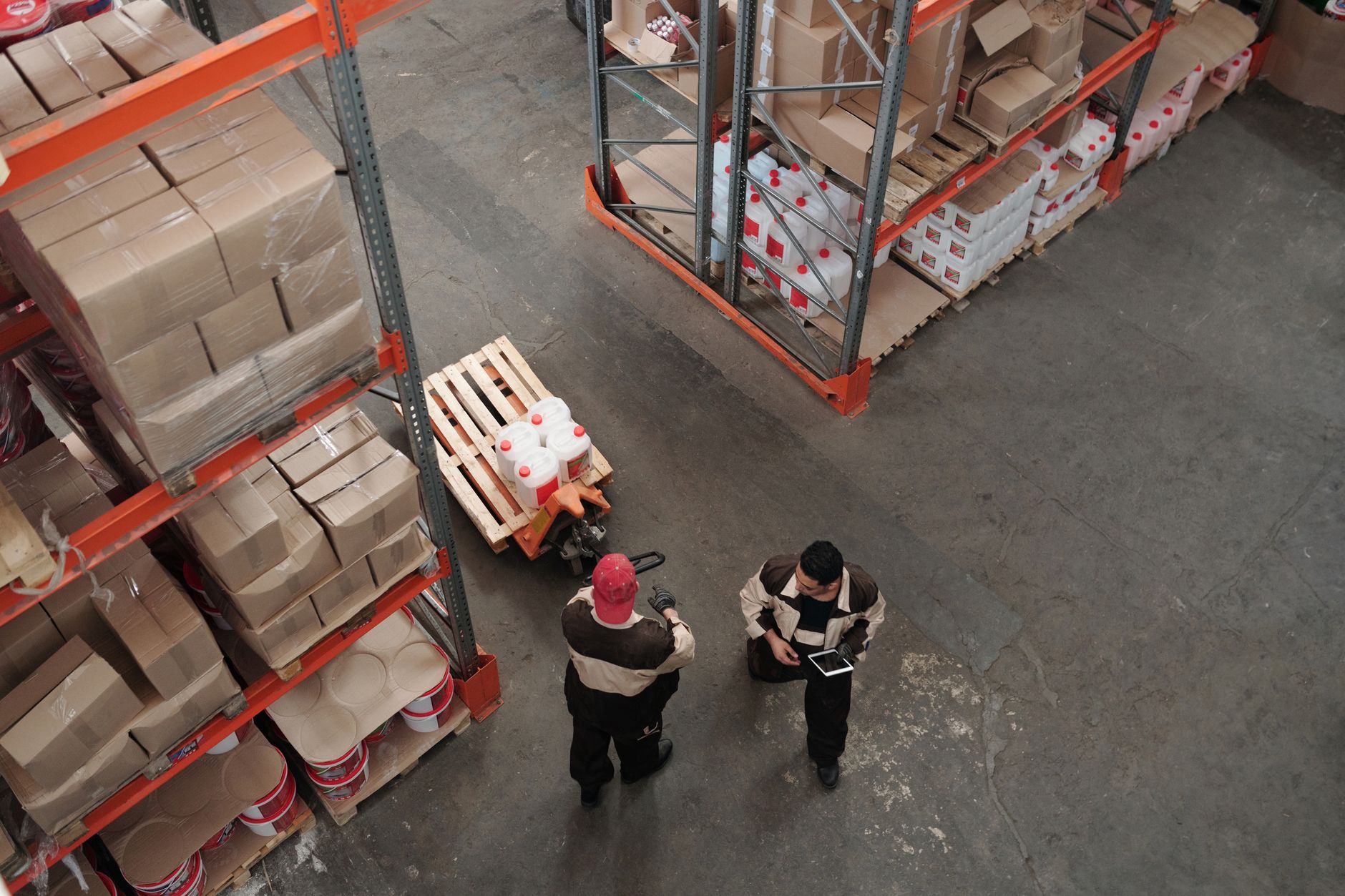
Plan on a robot plus a smaller team, not a robot in place of the crew. The unit takes the repeatable pallet moves, and your operators keep the work that needs eyes and judgment, such as checking freight, managing rail timing and calling damage.
Some roles shift rather than disappear. Someone has to update routes, diagnose faults, keep sensors clean and manage the queue. Those tasks need training, and they are where we spend the most time with your team during go live support.
Operators who already know the yard usually adapt fastest. Their knowledge of the apron, the lanes and the dock doors is what makes a mapped route safe and useful in the first place.
What drives the savings?
Savings come from hours, not from a single headline figure. The hours that matter are travel time, idle time between moves and overtime at peaks. The figures listed below are vendor-reported and none are independent audits, so read them as ranges for planning.
Your own number depends on how many moves repeat, how far they travel, how long the unit waits for work and how your shifts are set. Speed is not the main lever. A vendor-oriented comparison report, undated, puts traditional forklifts at 20 to 30 pallets per hour and autonomous units at 15 to 25, so the case rests on hours recovered and steady coverage.
The fastest way to know your number is to measure travel and idle time on the apron during a normal week, then compare it with the site assessment we run before any quote.
- A vendor infographic says one unit can save 3 to 4 hours of traveling time per 8-hour shift.
- A vendor case study of an autonomous tugger reports 60 labor hours saved each week.
- A vendor case study with a large manufacturer estimates 4,000 labor hours saved per year.
- A vendor blog on a fast-moving consumer goods plant reports pallet moves per hour rose 28% after eight autonomous forklifts were deployed on four high-volume lanes, though the underlying data was not confirmed.
What can an autonomous forklift not do?
It cannot judge freight. Damaged pallets, shifted loads, unusual dimensions and anything that needs a human check stay with staff. The unit can be stopped and routed around, but it does not decide whether a load is fit to ship.
It cannot work outside its mapped, paved routes. Unmapped detours, surfaces that change day to day and rail crossings with shifting timing need separate planning. It also does not replace the rail coordination or dock supervision the terminal already does.
Its speed is not always higher than a skilled operator, as the comparison figures in the savings section show. It also needs upkeep: sensors, batteries, route updates and service visits. Plan for those tasks before the first breakdown, not after it.
How do you get started?
Start with a free site assessment. We walk the transfer areas, map the routes, identify the handoff points and talk through the moves you want to automate first. The unit is leased through lease financing programs, and the payment comes in the quote after that assessment.
Most operators begin with one leased unit on one zone, prove the routes and handoffs, and then add coverage. Staff training and go live support run alongside, and our technicians handle service nationwide, with on-site dispatch when a unit needs attention.
Before the assessment, gather the items below. They shorten the first visit and make the quote more accurate.
- A drawing or map of the transfer areas, dock doors and rail track layout
- The moves that repeat most each shift, with typical pallet counts
- Peak hours and the idle periods your forklift crew already sees
- Surface notes for paved routes, dock doors and any rail crossings
- A named owner for the dispatch queue and a contact for technical issues
Frequently asked questions
Want an autonomous forklift at your rail intermodal terminal?
Tell us about your site. We will recommend the robot, quote the lease, and keep it serviced.
Sources
- AAR weekly intermodal report, reposted by Railpace
- Railway Age report on AAR data, week 30
- Vendor infographic on autonomous forklift travel time
- Vendor case study, autonomous tugger labor hours
- Vendor case study, manufacturer labor hours estimate
- Vendor blog on a fast-moving consumer goods plant
- Vendor-oriented comparison of forklift throughput
- Trade report on a 2021 North American warehouse rollout