
Key takeaways
- Repeat pallet moves between receiving, racking and shipping are the work that a single missed shift can stall.
- Autonomous forklifts keep putaway and replenishment moving so pickers and quality staff stay on their tasks.
- Vendor and consultancy cases report labor hour savings, but treat them as starting points to test on your own floor.
- A free site assessment comes before any lease quote, and the payment is set in that quote.
How do autonomous forklifts help a cosmetics warehouse?
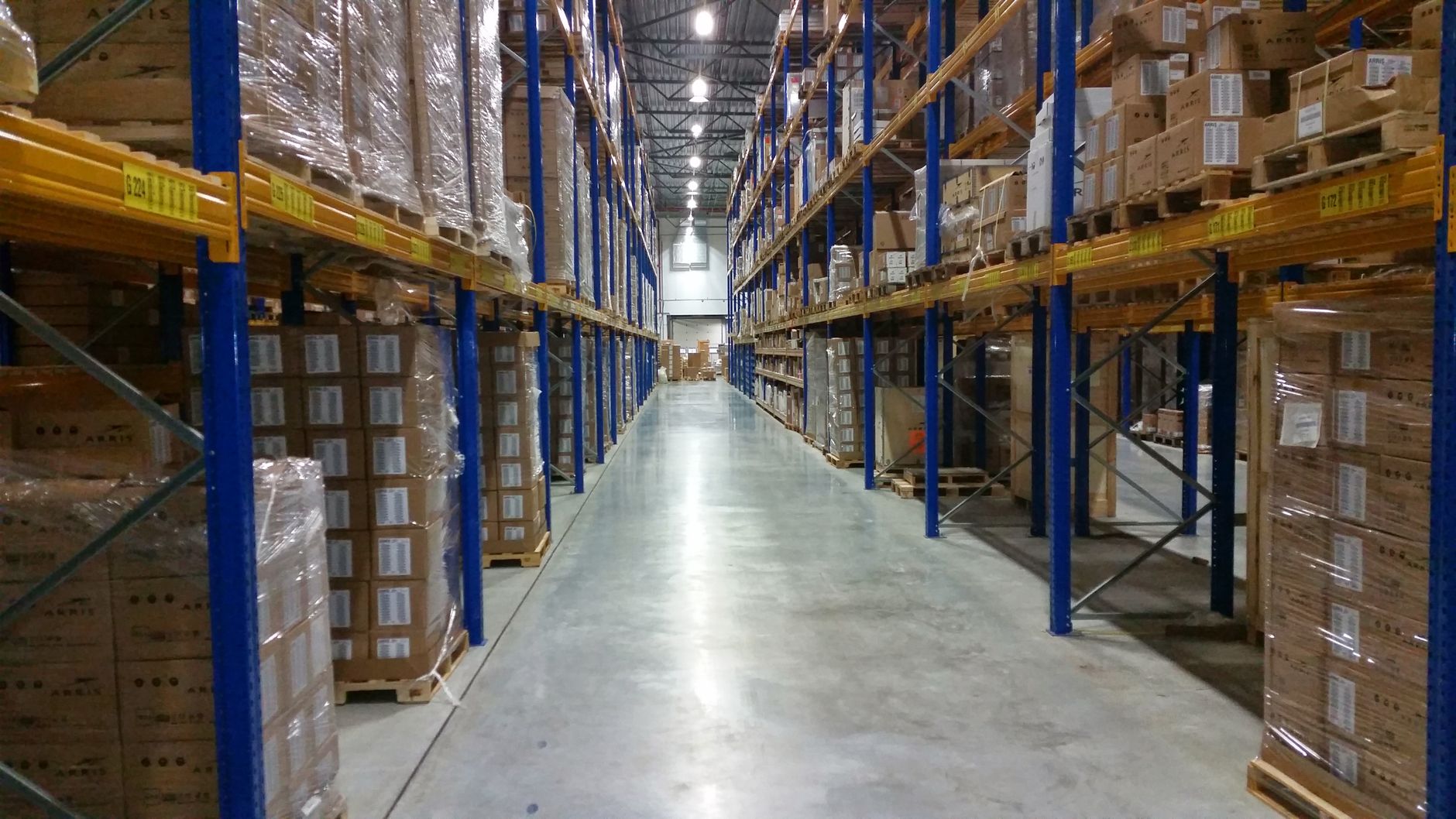
Autonomous forklifts for cosmetics warehouses take over the repeat pallet moves that run between the receiving dock, the racking and the outbound staging area. A cosmetics site carries a lot of this work. Inbound pallets arrive and get checked, go up to racking, and later come back down for replenishment and shipping. Every one of those moves usually needs a person on a truck.
The main benefit is steadier flow. When a fleet of trucks runs set routes on a schedule, a sick call or an open shift no longer stops putaway for the whole building. Your crew keeps its time for picking, quality checks and the exceptions that really need a person.
This is not a plan to remove the team. A typical fit keeps your people and adds a machine for the carrying. The rest of this page covers what the work looks like today, how the robot runs day to day, which areas it covers, what drives the hour savings, and where it is the wrong tool.
Why do pallet moves slow down a cosmetics warehouse?
Most cosmetics warehouses run lean on the people who move freight, and forklift work is hard to cover when someone calls out. According to BLS occupational projections as summarized by a jobs aggregator, about 792,500 people worked as industrial truck and tractor operators in 2024, with employment projected at about 801,600 in 2034, growth of +1.1%, which is slower than the average for all occupations.
The growth rate matters less than the replacement need. The same projections put about 76,400 openings a year for these operators, including replacements, so you are recruiting for this seat every year. A shift gap leaves putaway waiting until someone is found, and the rest of the building waits with it.
Safety is the other side of the same work. According to an OSHA directive as summarized by a safety blog, forklift injuries total about 97,000 a year, including 35,000 serious and 62,000 non-serious. Other summaries give 96,000, so treat the exact count as approximate. According to the National Safety Council as reported on a safety page, 67 fatalities from forklift incidents occurred in 2023, and a safety summary counts 2,248 forklift-related OSHA violations in 2024.
Pedestrians struck by forklifts are the top cause of lift-truck work fatalities, according to BLS data cited in that same OSHA directive. In a cosmetics building, the pedestrians are your pickers, packers and quality staff, who walk the same aisles as the trucks. Fewer trucks running through those aisles by hand is a real reason to automate the repeat moves.
What are the main benefits for an operator?
The benefit you will feel first is continuity. Repeat moves run on a schedule, so receiving can be put away the same shift, and replenishment can reach pick faces before the order wave starts. A gap in one person's shift does not have to become a gap in the whole building.
The second is less empty travel. An operator often drives unloaded between tasks and waits at the dock for the next pallet. One vendor case study on an autonomous tugger reports 60 labor hours a week saved, a return in about two years, and over 1,800 hours of autonomous operation, though that is the vendor's own account.
The third is consistency. The robot follows the same mapped route at the start of a shift as at the end, which makes it easier to see where time goes and to tune the schedule. Your supervisor can read the queue instead of walking the floor to ask.
The fourth is fewer trucks mixing with foot traffic. Taking repeat moves off the floor can reduce how many powered trucks people walk past each shift, and that matters given the injury figures above. A mapped route with clear walkways is still required, as the next sections explain.
How does the robot work day to day?
A day starts with the work list. The warehouse system sends a putaway task, the robot picks up a pallet at the receiving dock, follows its route through the mapped aisles, and sets the pallet into an assigned racking location. Pickers see nothing change at their pick faces, because the replenishment pallet is already waiting for them.
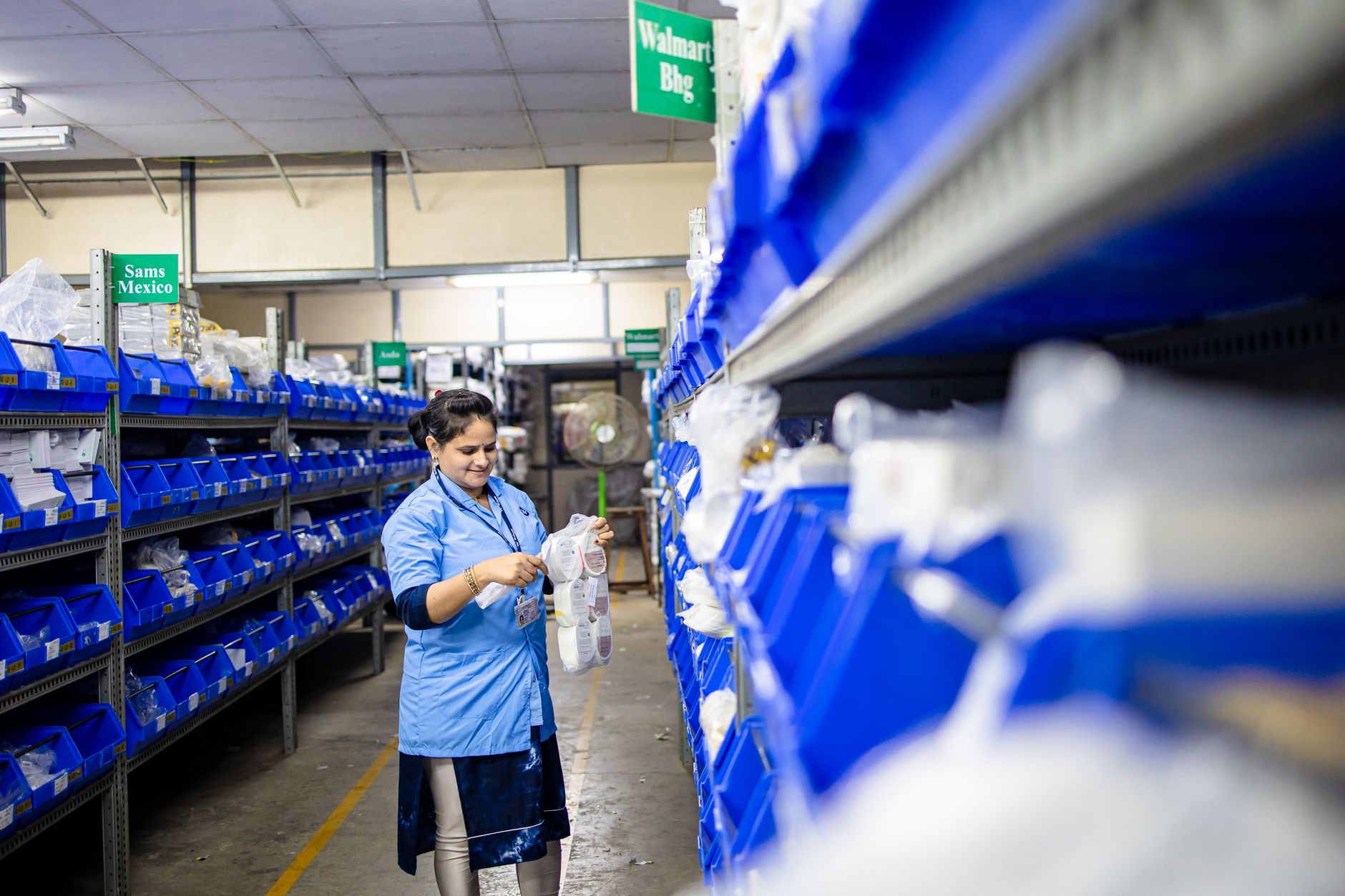
Replenishment is the other repeat job. When a pick face runs low, the system queues a move from reserve racking. The robot takes it down and places it at the face while the picking crew works the next wave.
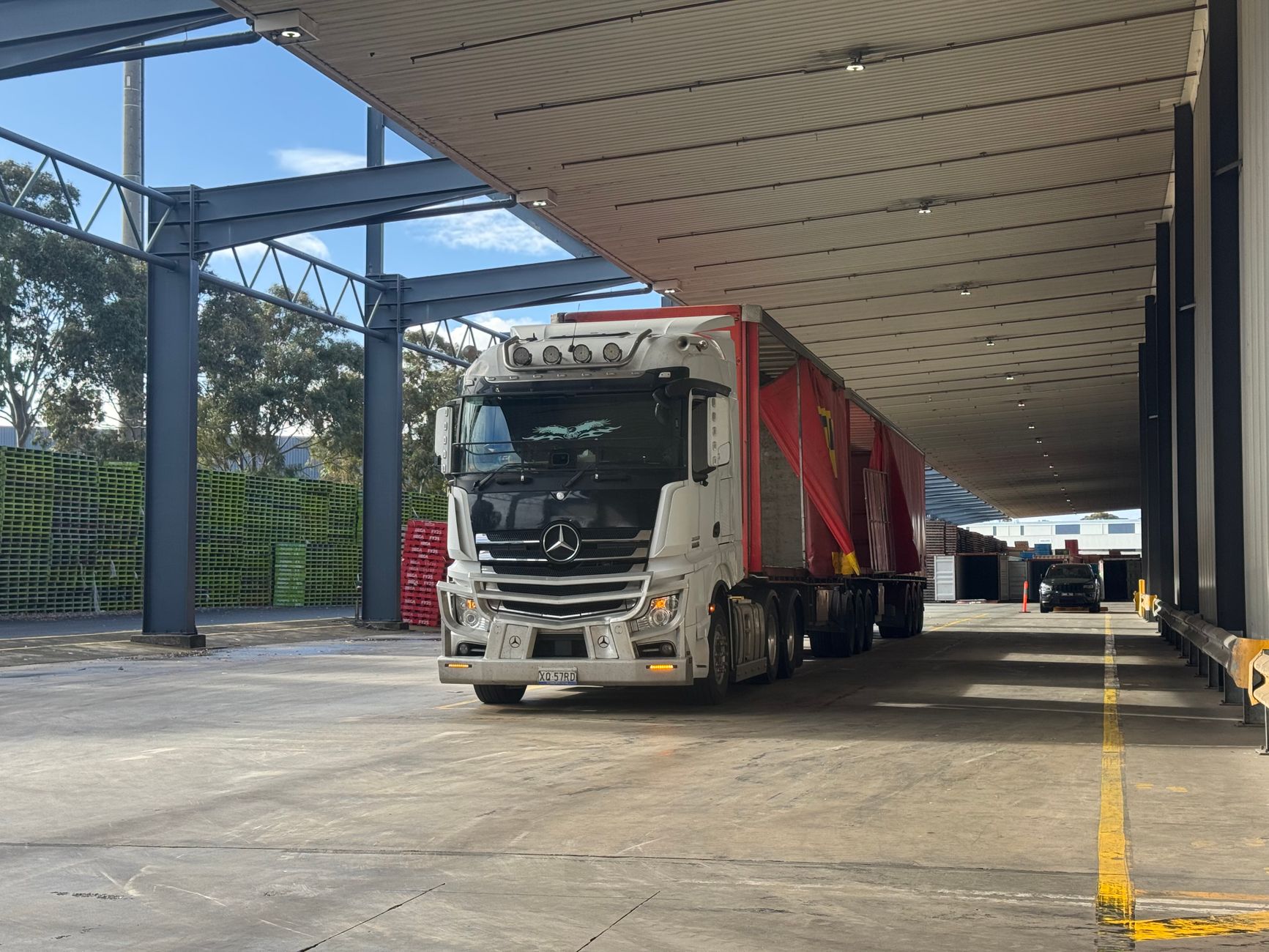
Outbound is the last leg. Finished orders are staged in lanes near the shipping doors, and the robot moves loaded pallets from staging to the outbound area for trucks. A person still confirms the load, checks the paperwork and signs off the handoff.
Between tasks the robot returns to a charging bay. Staff check status through the fleet console, and a person steps in when a route is blocked or a load looks wrong. The aim is not that nobody watches the robot, but that a human sees exceptions early.
Which areas of the warehouse does the robot cover?
The robot works where pallets move on repeat, and that is rarely the whole building. Most cosmetics sites have a handful of areas with a clear route between a start point and a finish point, and those are where the work begins.
The six areas below are the ones we see most often. Each is a defined route with a known start and end. Areas with unpredictable traffic, mixed loose goods or frequent layout changes are better left with staff until the site has been mapped and the flow has settled.
How does it work alongside your existing staff?
The robot is an addition to the team, not a replacement for it. A cosmetics warehouse still needs pickers for eaches and cases that do not fit a pallet route, quality staff to check lot codes and damage, and supervisors to set priorities across the shift. The robot takes the carrying so those people spend more of their time on those jobs.
Industry examples show the shape of the change, though they are not promises. Trade press reported that one cosmetics fulfillment center in China deployed 43 AMRs for case picking and distribution. That is a large site, not a typical cosmetics warehouse, and the lesson for a smaller building is the process, not the scale.
A Japanese cosmetics company with over 100 stores to replenish and 500+ SKUs adopted AMRs in its warehouse operations, according to a vendor press release. For a smaller site the pattern is familiar: repeat moves, many SKUs, and stores that need restocking on time.
Plan for a robot plus a smaller team, not zero staff. The usual change is fewer hours on truck work, with the people you keep moving into picking, checks and supervision. Training matters here, because your staff need to know how to read the queue, clear a route and take over when the robot pauses.
What drives the hour savings and labor?
Savings come from the moves that stop needing a person, not from a headcount target. The main driver is empty travel and waiting between repeat tasks. Those hours are real, and they are the first place to look during a site assessment.
Published cases give a range, and they should be read as starting points. A robotics news report says a pharmaceutical plant's AMRs saved at least 35 hours a week. A vendor case on an autonomous tugger reports 60 labor hours a week saved. Both are reported outcomes, and neither describes a cosmetics site, so your own floor needs its own measurement.
The largest case is a consultancy study of a plant with 50 AMRs. The plant cut its forklift operators from 36 to 4 fleet supervisors, with the other staff redeployed, and reported a 14-month payback. That is a large operation, so use it as a sign of what the structure can do, not as a forecast for your building.
Hours are the right unit for planning. How much a shift saves depends on route length, dock layout and how often the repeat moves come up. Our site assessment measures those inputs, and the quote follows from that measurement.
What can an autonomous forklift not do?
An autonomous forklift does not pick. It does not judge whether a damaged case is sellable, read a lot code by eye, or handle a load that falls outside its pattern. It also cannot clear a blocked dock, fix a sticking door, or correct a pallet built badly on the floor.
Routes need a clean layout. Aisles that change often, unplanned foot traffic or cluttered floors slow the route or stop it. Plan for mapping, and for a daily process that keeps aisles clear.
It does not make a shift gap disappear. When a unit is out of service or a route is closed, those moves wait, so a backup plan still matters. Keep trained staff who can run the trucks by hand for exceptions and for the day a unit is down.
It is also not the right fit for every site. Warehouses with mixed loads, narrow aisles or a lot of loose goods that rarely travel on pallets often need a smaller pilot on one defined route before anything larger. Starting small is a sensible choice, not a sign the idea has failed.
How do you get started with autonomous forklifts for cosmetics warehouses?
We start with a free site assessment. We walk the receiving dock, racking, pick faces and staging, note the routes and traffic, and check the floor, the doors and the way pallets are built. From that we recommend the robot that fits the site, and then we send a quote.
The robot is leased through financing, and the payment comes in the quote after the site assessment, so the full picture is in front of you before you decide. We deploy and integrate the robot with your warehouse system, train your staff and service the unit nationwide, so one team handles the install, the training and the follow-up.
Many operators begin with a pilot on one route, such as dock to racking or replenishment on one aisle group. That lets your crew learn the rhythm before any expansion. Then you measure the hours you actually saved on your own floor.
If your pallet moves depend on a few people, the useful first step is the site assessment. It takes a walkthrough of your building and gives you a clear view of whether an autonomous forklift is the right tool for your site.
Frequently asked questions
Want an autonomous forklift at your cosmetics warehouse?
Tell us about your site. We will recommend the robot, quote the lease, and keep it serviced.
Sources
- BLS occupational projections, aggregator summary
- OSHA directive as summarized by a safety blog
- Safety summary citing NSC and OSHA
- Vendor case study, autonomous tugger
- Consultancy case study, 50 AMR plant
- Trade press, cosmetics fulfillment center
- Vendor press release, Japanese cosmetics AMR deployment
- Robotics news report, pharmaceutical plant AMRs