
Key takeaways
- Pallet moves between receiving, storage and staging are repeatable work that fits defined aisles.
- One vendor's industry page puts pallet transport at 40 to 55% of material movement labor hours, so measure your own hours first.
- An autonomous forklift shifts staff time toward order filling, and the building still needs a trained team.
- The best start is one lane or one pallet route, a free site assessment, and a lease quote built on your own numbers.
How can autonomous forklifts for medical supply distributors help?
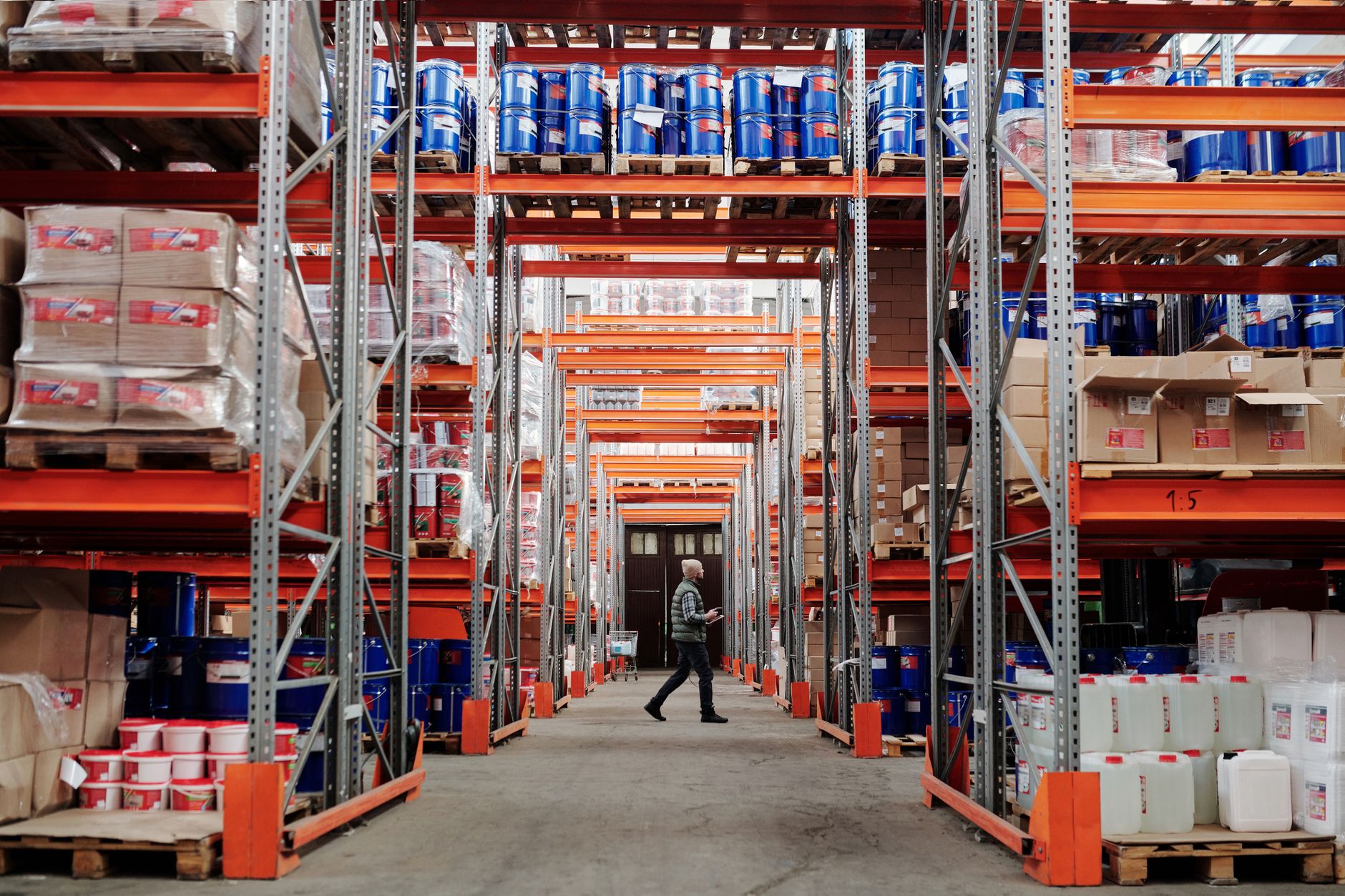
A medical supply distributor lives on timing. Cases have to move from receiving to bulk storage, then to outbound staging and onto the trucks, often under tight cutoffs for hospitals, clinics and pharmacies. Autonomous forklifts for medical supply distributors take over a large part of the repeat pallet work between those points, so experienced staff spend more of their shift on picking, checking and loading orders.
The benefit is not a building that runs without people. It is that the hours people already spend driving pallets between receiving, bulk storage and outbound staging can go back to filling orders faster. Those moves follow known routes in defined aisles, which is the kind of work an autonomous forklift handles well.
A sensible first step is to measure the hours before deciding anything. The sections that follow cover the problem today, the main benefits, how the machine works day to day, where it fits, how it works with your team, what drives the savings, what it cannot do, and how to get started.
What does pallet handling cost a distributor today?
Most of the trouble is not the lift itself. It is the time around the lift: waiting for a free driver during a trailer unload, traveling back to the dock empty, and a replenishment run stuck behind outbound staging. According to an automation vendor's industry page for fast-moving consumer goods distribution, pallet transport accounts for 40 to 55% of material movement labor hours, and case picking accounts for 30 to 45% of total warehouse labor hours.
That page names no primary study, so read those ranges as one vendor's view of its own market, not as a benchmark for medical distribution. They still point at the same place you should look: the hours between the dock door and the pick face. Your own pallet logs will show how much of that time belongs to pure transport.
Turnover makes the problem harder to staff around. A workforce vendor's blog derives an implied annual voluntary turnover rate of 26.4% for transportation, warehousing and utilities, from monthly figures where quits in that group averaged 2.2% a month against 2.0% for total nonfarm employment. The blog is vendor-reported and derived, so use it as direction. When a driver leaves, the pallet work does not pause; it lands on whoever is left.
The category is sizable. A business reference guide page dated July 2025 lists 11,408 establishments in medical, dental and hospital equipment and supplies wholesaling, though it does not label the year of that count. The U.S. Census Bureau's 2002 Economic Census counted 7,851 in the same category. Those counts come from different years and methods, so compare them with care, but either way you are one of many operators facing the same pallet timing problem.
What are the main benefits?
The clearest benefit is hours moved back to order work. A vendor case study at one third-party logistics warehouse reports a 64% reduction in labor costs compared with a forklift, and a 33% efficiency gain compared with an electric pallet jack. Those are one site's results, reported by the seller, so treat them as a sign of what is possible, not a forecast for your building.
A second benefit is more output without adding people to the same task. According to a trade article on lift truck workflows, a manufacturing customer of an equipment vendor reported a 30% productivity gain with flat headcount. For a distributor, the useful reading is that the gain came from the same people doing more order work, not from a bigger crew on the pallet route.
Third, the work runs the same way on every shift. The machine follows the same defined route at the end of a night receiving window as it does in the middle of the afternoon, which helps when outbound cutoffs are fixed. Fewer surprises on the floor also mean less time spent chasing a pallet that someone left in the wrong place.
How does it work day to day?
Before go live, the site is mapped and the routes are set. Lanes, staging spots, charging points and no go zones are defined so the machine knows where it can travel and where people work. Your team reviews the routes with the machine before the first live move.
A pallet move starts as a task, from a receiving associate, a schedule or the warehouse system. The autonomous forklift picks up at the receiving lane or dock, carries the pallet along its defined route to bulk storage or outbound staging, sets it down, and returns to the queue for the next task.
When something is off, such as a pallet out of position, a blocked aisle or a person in the path, the machine stops and alerts someone. Your staff clear the issue and the work resumes. Confirming that alerts reach the right person during the first weeks is one of the most useful things a pilot can prove.
Which areas of a medical supply distributor does it work in?
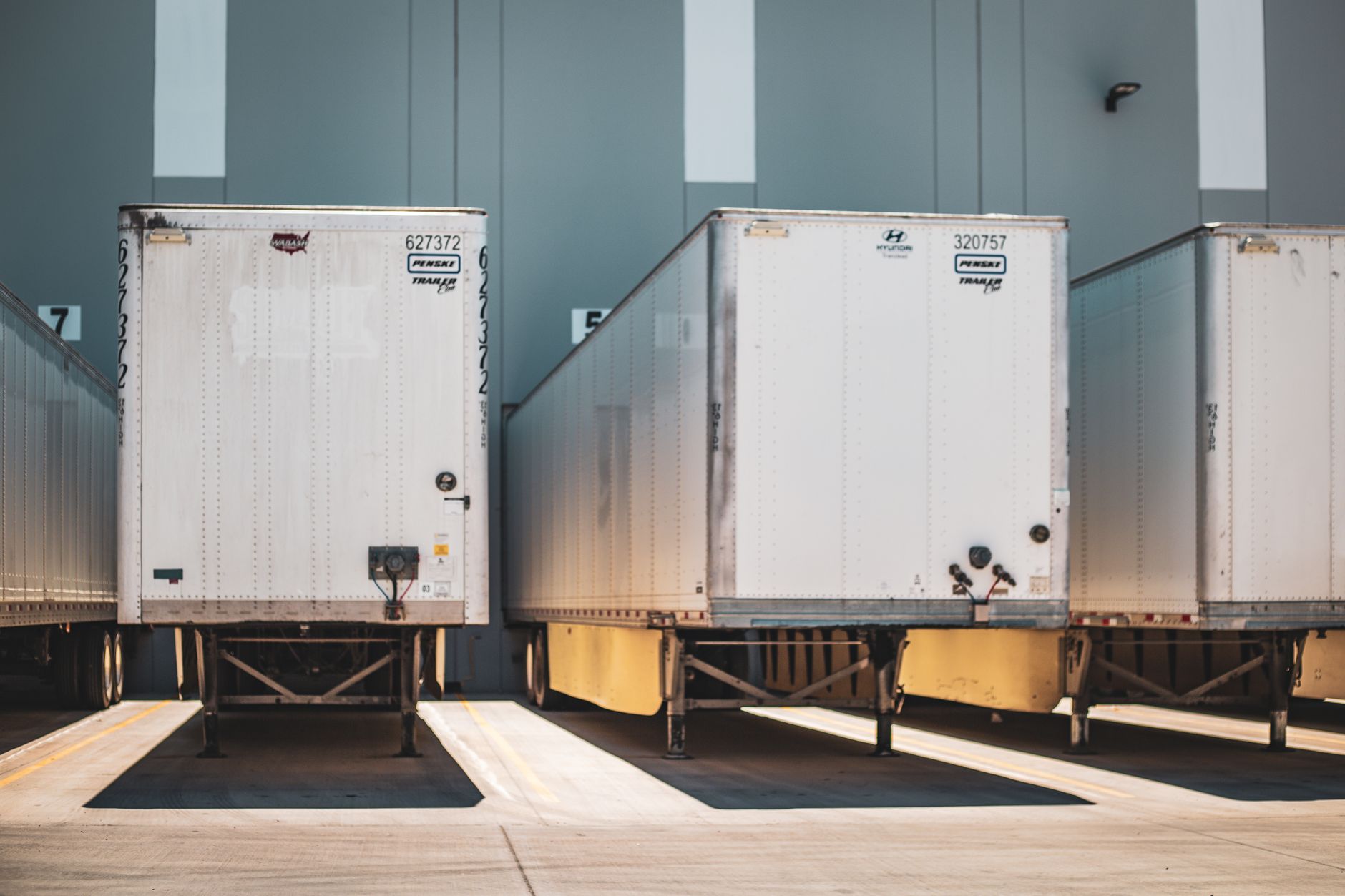
The machine works where pallet routes are repeatable and the paths are defined. In most distributor buildings that means the stretch from the trailer doors to bulk storage, and from bulk storage to the pick area and outbound staging. Start where the route is most repetitive and the layout is simplest.
Each zone below has its own job, its own traffic pattern and its own reason to be on the list. Treat the list as a starting map for the site assessment, not as a fixed scope.
How does it work alongside existing staff?
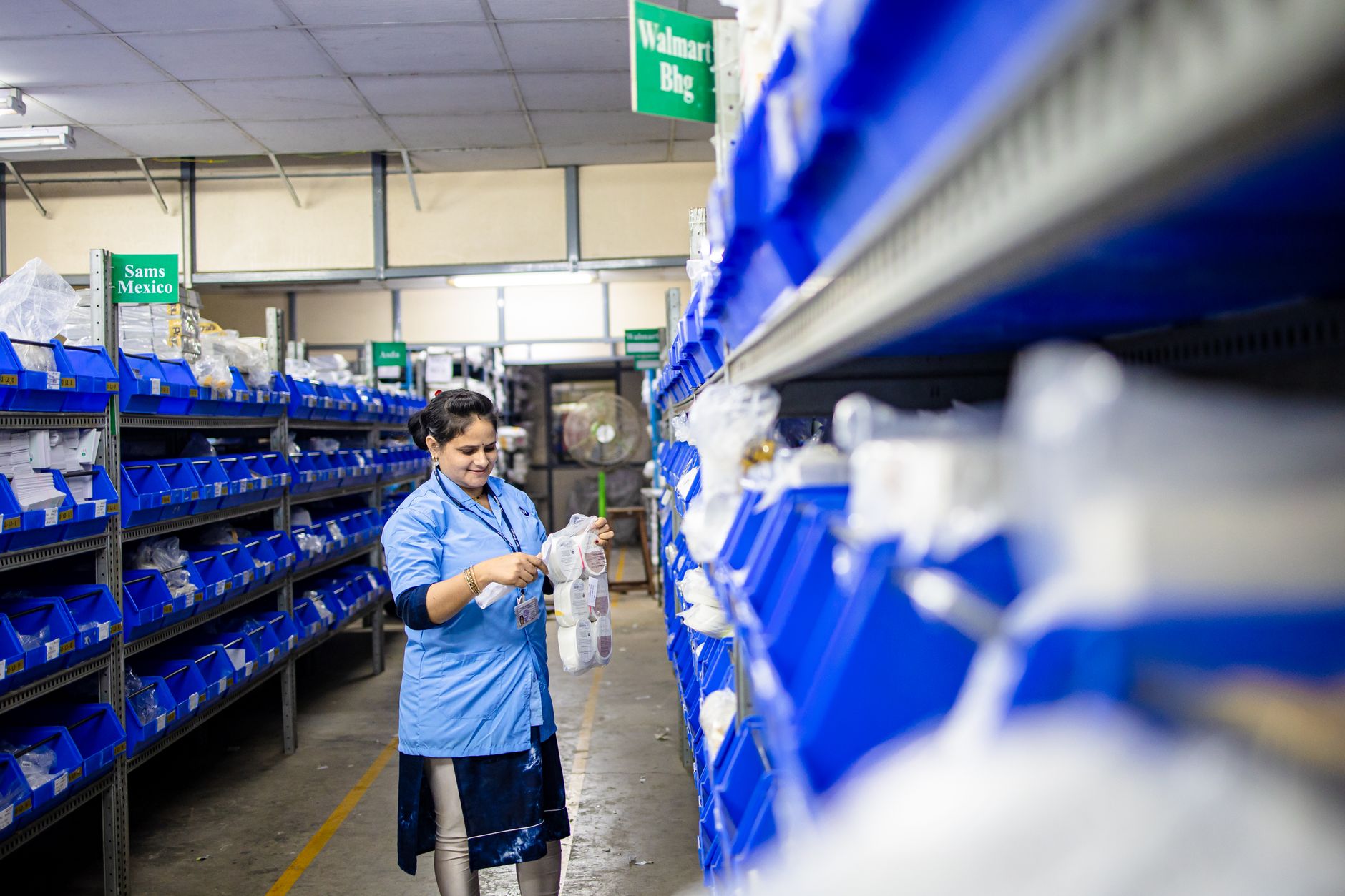
Plan on an autonomous forklift plus a smaller team, not a building run by machines. The pallet work that used to pull a driver off the pick line now runs on defined routes, and the people who used to drive can take on tasks that need judgment, such as checking packaging, verifying lots and resolving exceptions. Your team still runs receiving, picking, verification and outbound loading.
Training is part of the work. Operators learn to read alerts, clear a blocked route and recognize which tasks stay with a person. Most setups keep a trained driver on call for work outside the automated routes, because some moves will always fall outside a defined lane.
Staff also keep ownership of the data. Pallet logs, move counts and exception reports show where the hours go, and the team that reads them is the one that decides where the machine goes next.
What drives the savings, and how should you measure them?
Savings come from hours spent on pure transport, not from a single line item. The usual method is to count pallet moves per hour, the labor hours spent on transport alone, and the travel distance each move covers. An article on pallet handling automation payback describes this approach and gives no benchmark figure, which is a good reason to build the baseline from your own shift records.
Once you have that baseline, you can compare hours before and after the first lanes go live. Vendor case studies report large percentages at single sites, and those are useful only when your baseline resembles the site they came from. A conservative model built on your own numbers is more reliable than a headline figure.
The turnover figures above matter here too. Every hour that does not depend on one particular driver lowers your exposure when someone leaves, which is one reason to start with repeat pallet routes rather than occasional jobs.

What can an autonomous forklift not do?
An autonomous forklift does not check what it carries. Damaged packaging, expired lot dates, temperature alarms and labeling errors still need a trained person. The machine moves pallets, and your staff confirm what is on them.
It also cannot make an unclear building clear. Narrow aisles, uneven floors, blocked routes and disorganized slotting will limit what it can do, and the site assessment exists to find those limits early. It is not a replacement for a warehouse management system or for sound slotting, and it will not fix a receiving process that is already behind.
How do you get started?
Start with a free site assessment. We map the building, review the pallet routes, and talk through the layout, the traffic patterns and the hours you want to recover. From there we recommend the right machine for the site, and the lease quote follows the assessment, so the payment comes in the quote before you commit.
We lease the equipment through financing, then deploy and integrate it into your workflow, train your staff and service it nationwide. Most distributors begin with one lane or one pallet route, which lets the team learn the machine and check the numbers before the scope grows. A phased start keeps the dock running while the first routes go live.
Ask any provider what a lease quote covers for service and what happens when a unit needs attention. Those answers matter as much as the machine itself, because a stopped forklift stops the pallet route.
Frequently asked questions
Want an autonomous forklift at your medical supply distributor?
Tell us about your site. We will recommend the robot, quote the lease, and keep it serviced.
Sources
- Business reference guide, distribution wholesale medical equipment and supplies
- U.S. Census Bureau 2002 Economic Census, archived copy
- Automation vendor industry page, fast-moving consumer goods distribution
- Vendor case study, third-party logistics warehouse
- Trade article on autonomous lift truck workflows
- Workforce vendor blog on warehouse turnover
- Material handling trade publication, lift truck workflows
- Trade article on pallet handling automation payback