
Key takeaways
- Robots take the carrying runs so cooks can stay at the prep line.
- Late trays are a documented problem, and set routes fix the timing.
- Published hour savings are mostly hospital wide and self-reported, so measure your own routes.
- A robot works best as one part of a staffed team, never as a replacement for it.
How can autonomous mobile robots for hospital kitchens help?
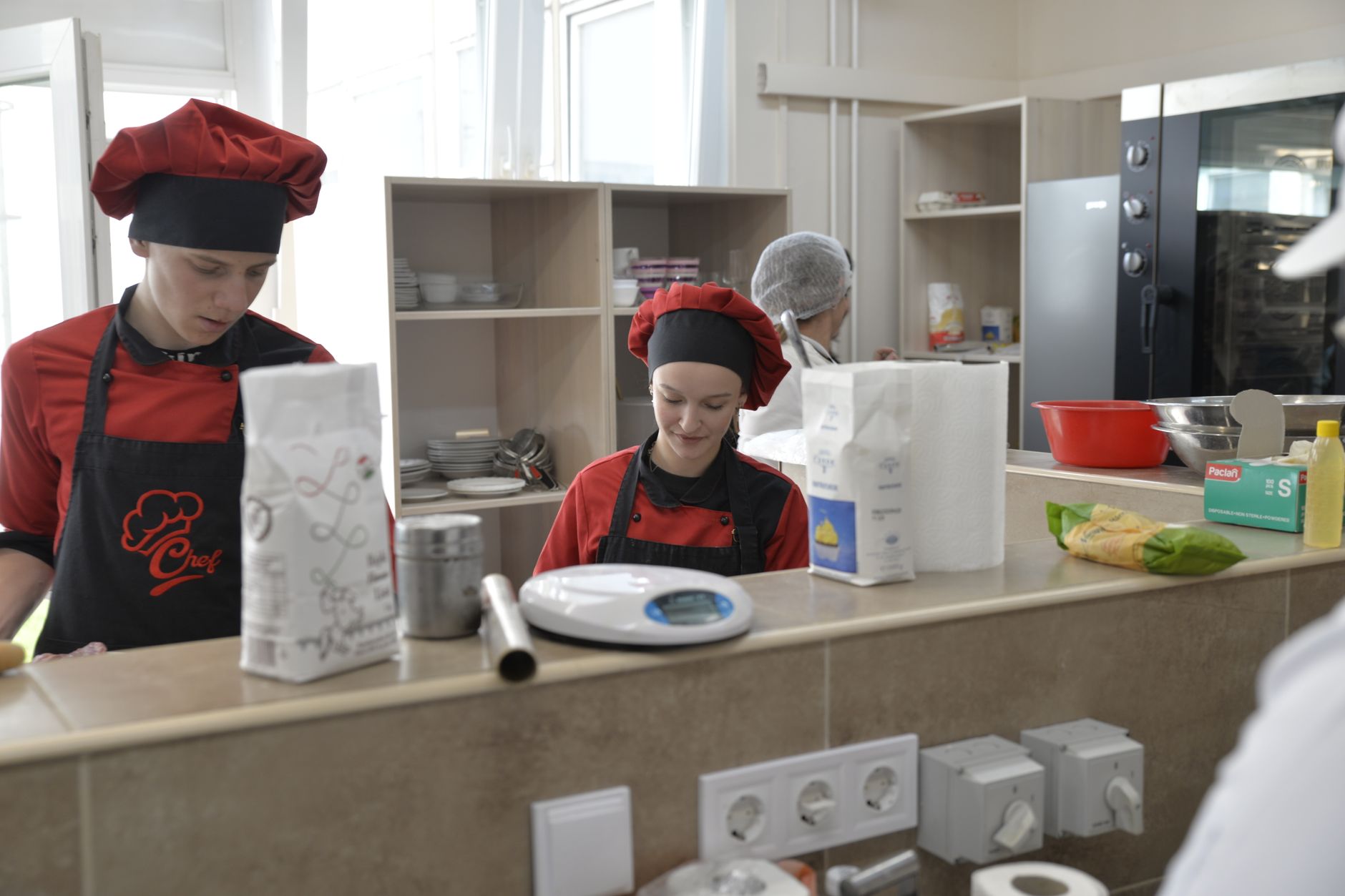
Autonomous mobile robots for hospital kitchens take the carrying work off the people who cook and plate the food. The gain is straightforward. A cook who is not pushing a cart can stay at the prep line, where the food is made, checked and portioned. Meal service in a hospital runs on a fixed clock, so a delay in the kitchen is a delay at the bedside.
The robot follows set routes between prep, dry and cold storage, the tray staging area, and the service lifts that reach the nursing units. It does not cook, plate or decide what goes on a tray. It moves the loads that already travel on a schedule, which is why repetitive tray and supply runs are a good fit for it.
The rest of this page covers the problem in most hospital kitchens today, the main benefits and limits, how a typical day runs, which areas the robot covers, how it works alongside a smaller team, what drives hours saved, and how to start with a free site assessment followed by a lease quote.
What problem do hospital kitchens have today?
Hospital food service works to tight timing. Trays go out at set meal times, while supply items, linen and soiled trays move on their own schedules. Someone has to push each cart through the building, and in many kitchens that someone is a cook or dietary aide who is also needed at the line.
Late trays are a documented problem. Reporting on a Connecticut hospital's dietary department described late tray delivery as a chronic food service problem, according to Clinician. Staff at a California hospital had been walking long distances while pushing heavy carts before robotic carts took over the meal route, according to a hospital news item.
The scale is large. The American Hospital Association counted 6,093 hospitals in the U.S. in its 2025 Fast Facts, which draws on 2023 survey data, along with 913,136 total staffed beds. Every one of those beds needs meals and supplies on time, so the carrying work described here repeats across a very large number of kitchens and supply rooms.
What are the main benefits of the robot?
The first benefit is time for the people who cook. Each run the robot takes is a run a cook does not stop for, and that time goes back to prep, the line and the temperature checks that food safety depends on.
The second is schedule reliability. A route that runs on a timetable is less exposed to the busy shift when a supply run gets forgotten or a tray waits at the dish room. Carts go out when they are due, not when someone happens to be free.
The third is a steadier load for the whole team. Pushing a loaded cart through corridors and up to lifts is physical work repeated many times a shift. Moving that work to a robot takes strain off staff who would otherwise spend much of their day on it.
How does the robot work in the kitchen day to day?
The robot follows mapped routes and stops at designated pickup and drop points. A staff member loads the cart, confirms the tray count or item list, and sends the robot on its way. At the far end, a person receives the cart and unloads it. The robot does not hand food to patients, so patient contact stays with the nursing team.
Robots spend a lot of time waiting during handoffs. A hospital news item described robots that mostly wait while staff hand off food, so patients deal only with people. The waiting is part of the design, not a fault, and it is why drop point layout matters.
Traffic is the other practical issue. A health news report on one large academic medical center said each cart covered about 35 miles a day and made more than 157,000 trips in a year, according to Kaiser Health News. The same report noted that nurses' stations sometimes had two robots waiting on each other, so route timing needs planning before go live.
Which areas of the kitchen does the robot cover?
Coverage is set by the route map, not by the whole building. Most kitchens begin with the corridors between prep, storage, staging and the lifts, then add nursing unit drop points once the first routes run cleanly. That order keeps early problems small.
A site assessment maps the floor, the door and lift interfaces, and the clear paths the robot needs. Areas with tight turns, heavy foot traffic or uneven floors may need extra planning or another route. Some sites also decide to keep certain rooms outside the robot's network entirely.
How does the robot work alongside existing staff?
A robot does not replace the kitchen team. It takes the carrying runs, and people still do everything else: cooking, plating, checking temperatures, loading carts, unloading at the units, and handling any stop that needs a human. A kitchen with a robot still needs a team on every shift, and the robot works as one member of that team.
Plan for one person to own the robot on each shift. That person loads carts, watches the route status, clears a blocked path and calls for help when a unit stops. Training covers the simple steps first, then the handoffs at each lift and drop point, then what to do when a route is blocked.
Expect an adjustment period. Staff who used to push carts need to learn when the robot is coming and where it waits, and nursing units need a clear drop point they can find. A pilot on one route often works better than changing every route at once, because the team learns the rhythm before the schedule grows.

What drives the savings in hours and labor?
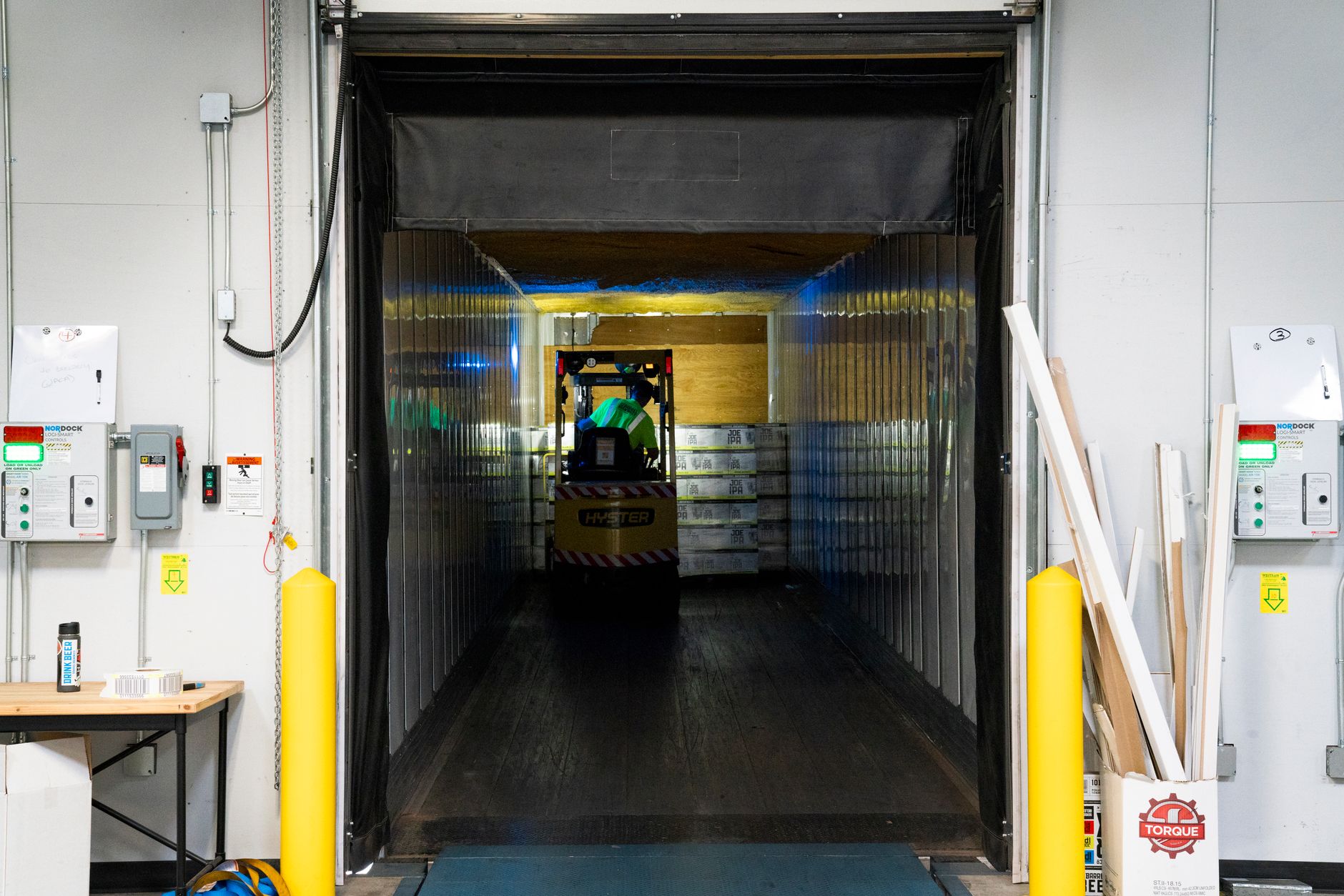
Hours saved come from runs taken off people, multiplied by the number of runs a route handles in a day. The figures published so far are mostly hospital wide rather than kitchen only, so treat them as a guide to scale, not as a forecast for your building.
A health system in the Midwest estimated more than 300 staff hours saved in the first 20 days of its program, according to its 2023 news item. A pediatric hospital's own account of a program that moved medications and supplies, not meals, reported about 900 staff hours saved in roughly two and a half months, with staff recovering 20 to 30 minutes per delivery. Those are self-reported figures, so they show direction rather than a guaranteed result.
Labor savings are a range of hours, not a promise. The hours you recover depend on how many runs your kitchen makes, how long each route is, how often a cart waits at a lift, and how quickly staff unload. The site assessment is where those inputs get measured, so the estimate reflects your building.
What can the robot not do?
A robot cannot cook, plate, season or check food temperatures. It does not confirm a diet order or decide what a patient receives. Those tasks stay with the food service team, and the robot should never be the only check on a tray.
Limits also show up in the building. Routes need clear paths, lift integration where a robot serves upper floors, and a plan for doors and crowds. A cart stuck in a blocked corridor needs a person to clear it, and busy nursing stations need route timing that matches the meal window.
The research base is thin. A search of published work this year found no controlled study measuring nurse workload, meal temperature or tray delay before and after robot delivery. Treat the claims on this page as what operators reported, and measure your own kitchen before and after a rollout.
How do you get started?
Start with a free site assessment. We walk the kitchen, the dock, the service lifts and the nursing unit drop points with your food service lead. We map the routes, measure the run volume, and note the doors, lifts and congestion points that will shape the design.
From there we select the robot that fits your floor and your run volume, then quote the lease through financing. The payment comes in the quote, after the site assessment, so the number reflects your actual routes. We also handle deployment and integration, train your staff on each shift, and provide go live support.
Many hospitals start with one leased unit on one route, then expand once the team has run data to review. We service the robot nationwide, so one partner handles deployment, training and repairs.
Frequently asked questions
Want a warehouse robot at your hospital kitchen?
Tell us about your site. We will recommend the robot, quote the lease, and keep it serviced.