
Key takeaways
- Hospital laundries move linen carts on the same routes all day, which is the work a robot follows best.
- The reports we found describe laundries short of approved posts and staff.
- A robot plus a smaller team keeps trained people on sorting, folding and exceptions.
- Savings depend on your own cart moves and idle time, so measure them at a free site assessment.
- Robots are leased only, through financing, with the payment set in a quote after a site assessment.
How can autonomous mobile robots for hospital laundries help?
Autonomous mobile robots for hospital laundries help by taking over the repeated cart moves that keep linen flowing between washing, folding and storage. A hospital laundry runs the same routes many times in a shift, and a robot can follow a mapped route the same way every time. That frees the laundry team to spend its hands and attention on sorting, folding and the checks a machine cannot make.
The main benefits are steadier linen movement, fewer hands spent pushing heavy carts, and a team that is not stretched thin when someone is out. A robot does not replace the laundry staff. It works beside a smaller team, while people still run the washers, handle exceptions and follow the infection control steps the hospital already uses.
This page covers the problem at this kind of place, how the robot works day to day, the areas it covers, what drives the savings, what it cannot do, and how a laundry gets started. We are a US commercial robot integrator, so the last section describes how we work with a site.
What does linen movement look like at a hospital laundry today?
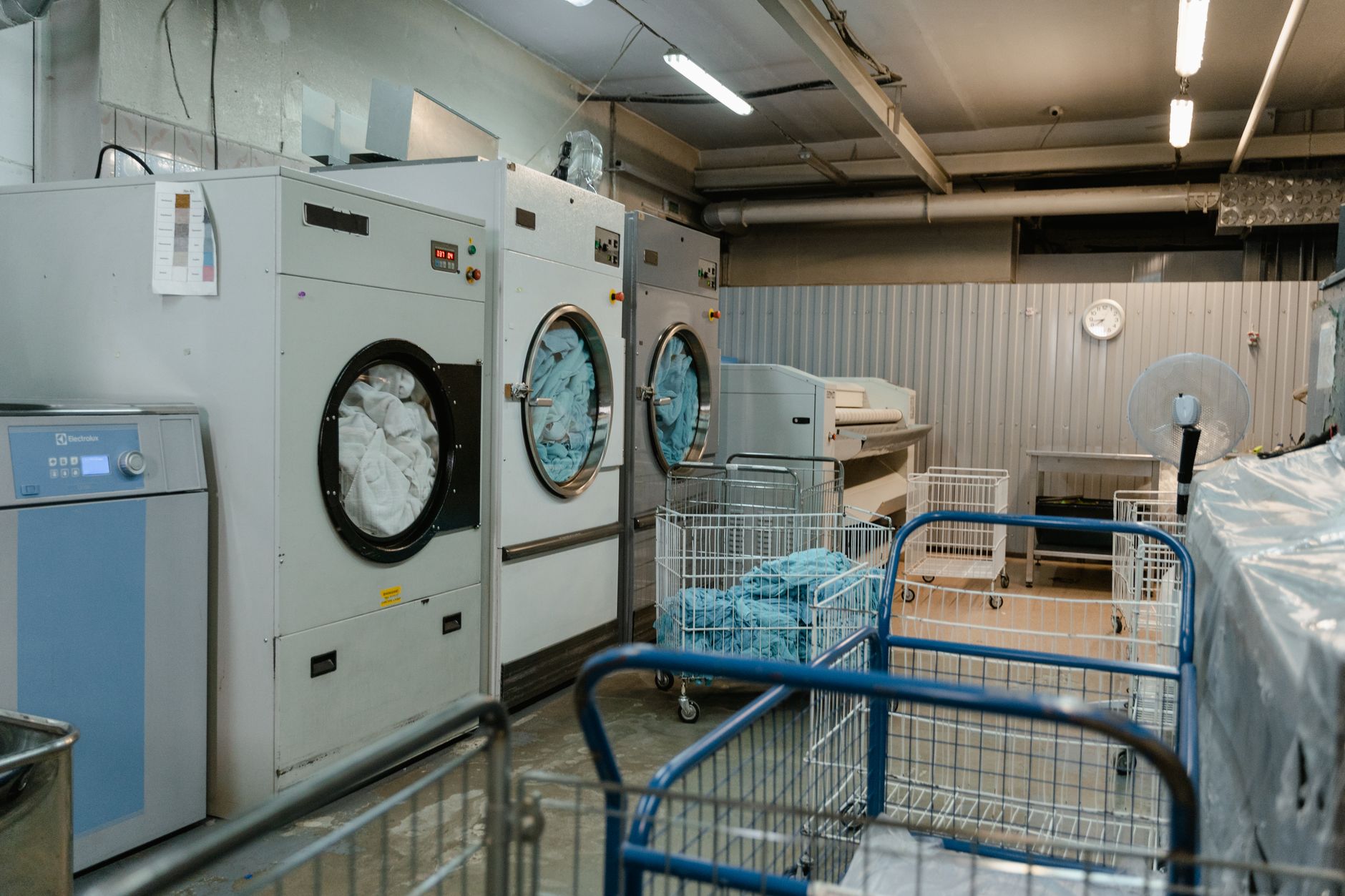
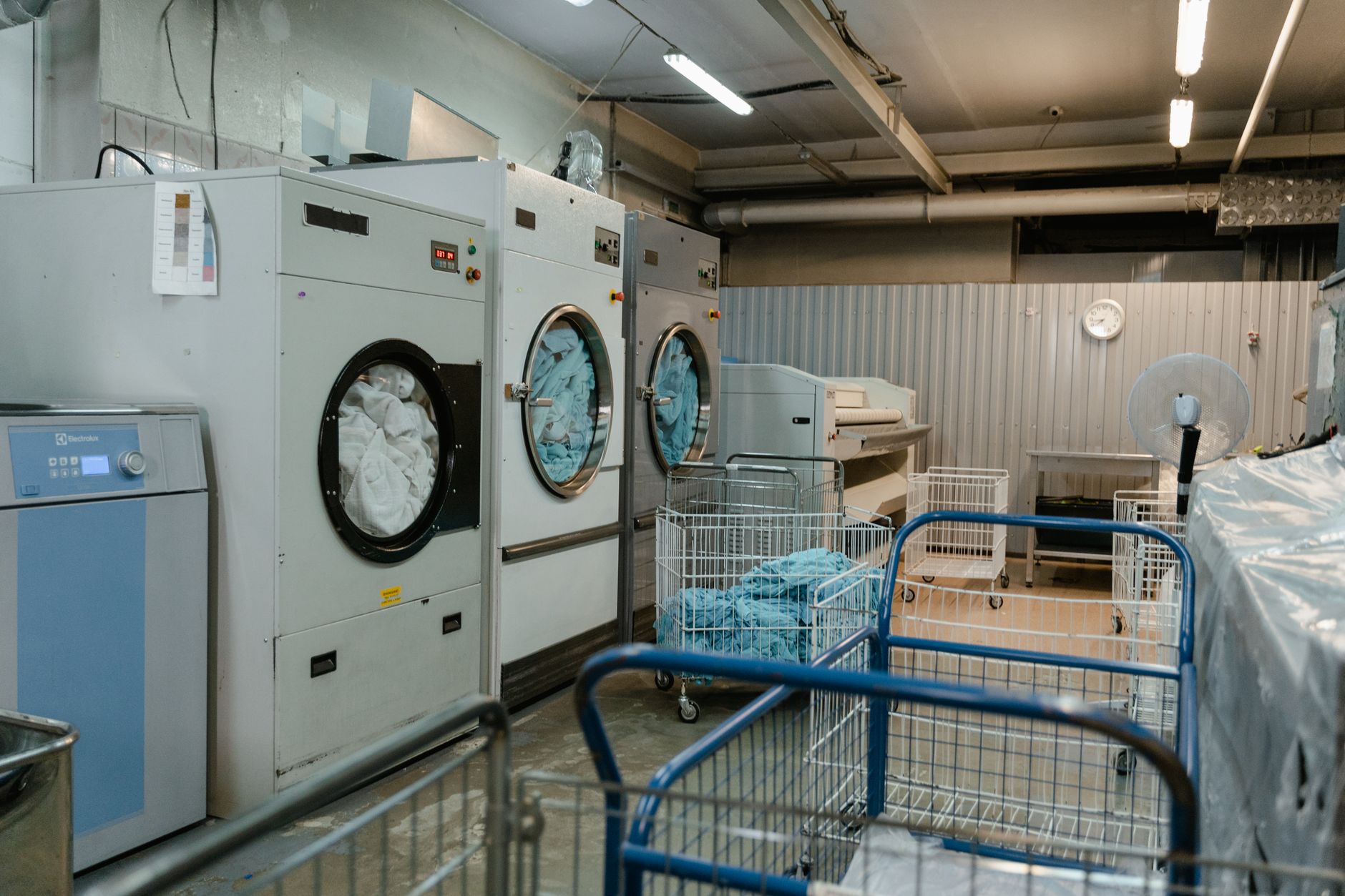
In many hospital laundries, linen still moves by hand. Staff push carts from the washers to the dryers, from finishing to clean storage and back, often down the same corridors and past the same doors. The work is steady and physical, and it stalls whenever a cart waits for a free person.
Staffing is what makes this harder to cover. In a July 2025 news report on a South African provincial hospital laundry backlog, a health department spokesperson said the laundry handles 40,000 to 45,000 laundry items a day and blamed staff shortages and outdated machinery. An opposition party release from the same dispute said one laundry has 180 approved posts, 136 funded and about 87 employees in practice. That figure is the party's claim, not a department count, but both sides describe a gap between the work and the people.
A separate August 2025 news headline from the same province said one washer serves 14 hospitals and 54 clinics. We did not find a national count of open laundry roles at US hospitals, so read these figures as a picture of the pressure, not a measure of your own building.
What are the main benefits for the laundry team?
The first benefit is consistency. A robot runs the same route at the same pace, so linen reaches the next station on time and washers and folders are not waiting on a cart. The team stops being the clock for every move.
The second is physical load. A Hong Kong hospital linen project record describes moving linen from the laundry room to the wards several times a day, with some loads up to 200 kg. Loads like that are hard to push across a full shift, and a robot takes over the repeated pushing. The record's performance claims are unverified, so ask for measured results from a site like yours.
The third is cover when people are out. A robot keeps a standard route moving while the team covers a gap. It will not fill every open post, but it keeps the basic movement running when hands are short.
How does the robot work in a hospital laundry day to day?
The robot runs on a map of the laundry built during a site assessment. Routes follow the corridors, doors and elevators the cart already uses, and each station, from soiled intake to clean storage, becomes a stop. Staff call the robot to a station and load the cart, and the robot drives to the next stop.
On the route, the robot moves at a set pace, waits at a door or dock if the path is blocked, and reports its position. Staff unload at the station, and the robot returns to a charging spot until the next call. Route changes go through the integrator, so the map stays accurate as the work changes.
The most important daily habit is clear staging. A cart left in a path or doorway stops the robot, so the team keeps staging areas clear and treats the robot like another person on the floor.
Which areas of the laundry does the robot work in?
Most of the value sits in the linen moves between the stations of the laundry line and the storage rooms beyond them. The areas below are where the robot is usually assessed and routed, and the mix depends on how each laundry is laid out.
Corridors that link the laundry to the wards and the loading dock can be the longest runs in a building, so they get close attention in the site assessment. Shared elevators and doors need a plan, because the robot has to be able to use them on its route, and the building has to allow it.
How does the robot work alongside the laundry staff?
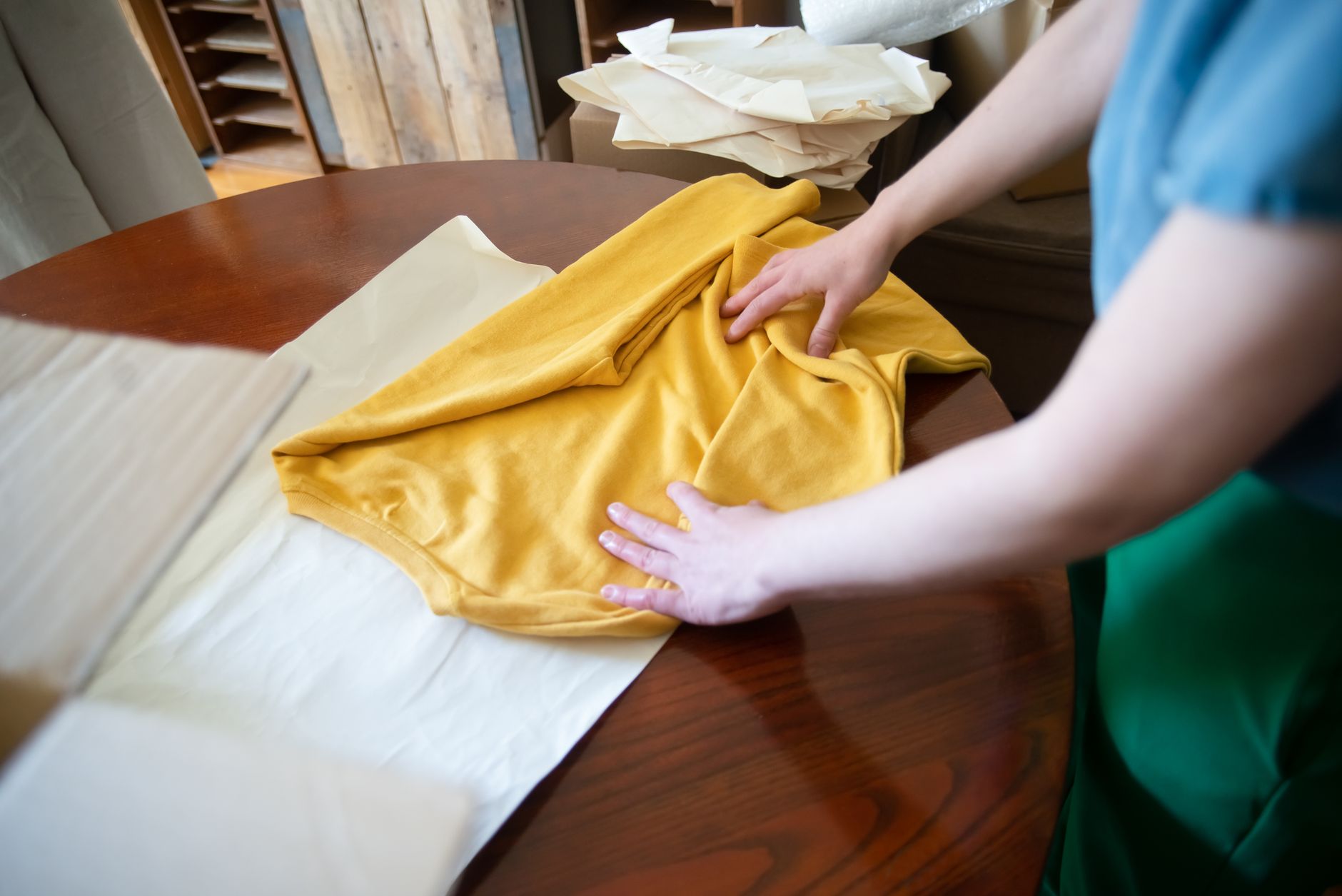
The robot takes over the carts, and people keep the work that needs judgment. Sorting soiled linen, checking for damage, running washers, folding and handling exceptions stay with the team. A robot plus a smaller team is the pattern we design for, and people remain the core of the laundry.
Training matters more than many operators expect. Staff need to know how to call the robot, how to clear a path, what to do when a cart is not seated correctly, and who to call when the robot stops. We train the team on site so the robot becomes part of the routine rather than an extra task.
Expect a short period when staff check the robot more often than they will later. That is normal, and it is the time to fix routes and stop points before the route settles into steady use.
What drives the savings in a hospital laundry?
Savings come from the hours the team spends moving carts and from the time carts and people spend waiting. The drivers are how many cart moves happen each shift, how far each move travels, how often a cart sits because nobody is free to move it, and how much overtime the team works when staffing runs short.
We do not publish a general hours range for hospital laundries. The public figures we checked describe staffing levels and item volumes, not the hours spent on cart moves, and a range borrowed from another building would mislead you. At a free site assessment we count your moves, distances and idle time, then show what the robot would take over.
Labor savings matter most when the freed hours go to work the laundry needs, such as a backlog or a late turnaround. When the team is short, those hours decide whether the work keeps pace, so the assessment ties the hours to your actual daily output.
What can a robot not do in a hospital laundry?
A robot moves carts. It does not load a washer, run a folder, sort soiled linen, check a load for damage or make a judgment call about what goes where. It also cannot use a door that is locked or an elevator the building does not allow it to use.
Its routes depend on clear paths. Carts left in a doorway, a blocked corridor or a route that changes without a new map will slow or stop the robot. A robot that stops needs a person to clear the path, so the team has to know who to call.
Load and floor conditions also set limits. A robot can carry only what its cart and design allow, and some loads or floor surfaces may need another approach. Infection control steps, cleaning and any clinical handling stay under the hospital's own protocols, and the robot does not change them.
How many US hospitals could this apply to?
The American Hospital Association's Fast Facts for 2025 counts 6,093 hospitals in the US, of which 5,112 are community hospitals, with 913,136 staffed beds. The 2023 edition counted 6,129 hospitals, and the 2026 edition, as listed on an ASHE page, puts the count at about 6,100. The number has moved little across recent editions.
The count describes the whole sector, not the number of laundries that would fit a robot. Each site turns on its own repeated cart moves, distances and staffing, which only a site assessment can count. A large sector is a reason to look, not a reason to deploy.
How does a hospital laundry get started?
We are a US commercial robot integrator. We pick the right robot for the site, lease it through financing, deploy and integrate it, train the staff and service it nationwide. Robots are only leased, through financing, and the payment comes in the quote after a free site assessment.
The assessment is where autonomous mobile robots for hospital laundries start. We map the routes, count cart moves and idle time, check doors, elevators and floors, and talk through what a pilot with one leased robot would look like before any larger plan. The quote then sets out the lease, deployment, go live support and service plan.
After go-live, service runs through remote triage and on-site dispatch, so a stopped robot gets attention quickly. The team keeps running the laundry while we work on the robot, and a backup arrangement can be discussed in the quote.
Frequently asked questions
Want a warehouse robot at your hospital laundry?
Tell us about your site. We will recommend the robot, quote the lease, and keep it serviced.
Sources
- Hong Kong hospital linen robot project record
- South African news report on hospital laundry backlog, July 2025
- South African news report, August 2025, one washer serving 14 hospitals and 54 clinics
- American Hospital Association, Fast Facts on US Hospitals, 2025 edition
- ASHE listing of the 2026 AHA hospital count
- American Hospital Association, Fast Facts on US Hospitals, 2023 edition