
Key takeaways
- Hand moved material runs are a common reason packing lines fall behind.
- Fixed routes between storage, lines and the dock suit autonomous mobile robots.
- Published hour savings are vendor reported, so measure your own transport hours first.
- Robots take the repeated transport runs while trained staff keep packing and checking.
- Every robot lease is quoted after a free site assessment.
How can autonomous mobile robots for packaging plants help a packing line?
Autonomous mobile robots for packaging plants take over the repeated moves that slow a line down. They carry film rolls, cartons, labels, closures and finished pallets between the warehouse, the line feed points and the staging area. When those moves are done by hand, a packing line can only run as fast as the next load arrives, and that is where much of the lost time hides.
The fit comes from the route. Material moves between a few fixed points, on the same schedule, shift after shift. That is the kind of predictable path an autonomous mobile robot can run without a driver at the controls. The robot does not replace packers. It keeps feed points stocked so the people already on the line spend their hours packing.
Most operators should start small: one robot, one material route, measured for a few weeks. If transport runs are the bottleneck, the first change shows up as fewer waits at the feed point, and the hours logged for transport work show how much room there is to gain.
Why do packing lines fall behind when material is moved by hand?
A packing line keeps a rhythm. Film, cartons and closures must reach each feed point before the last run is used up, and the person who fetches them is usually not standing at the line. When a run request waits on a driver, a picker or a free aisle, the line slows or stops while the feed point sits empty.
The labor involved is substantial. According to the Bureau of Labor Statistics, May 2023 estimates, 371,600 people were employed as packaging and filling machine operators and tenders nationally. Each run that pulls one of them off the equipment they were hired to run is time not spent packing, and those runs repeat every shift.
That repetition is the real problem and the reason it suits automation. The delay comes back on the same schedule, so it can be measured, mapped and planned around.
What are the main benefits for a packaging plant?
The first benefit is steadier feed. A robot on a fixed schedule runs the same route each time, so the feed point is restocked before it runs low instead of when someone finally gets to it. Line stops caused by an empty station become less common, and operators stop watching the aisle.
The second is time on the line. Vendor case studies from packaging and plastics sites describe moving transport work to robots and reassigning staff. One vendor case reported a 6x throughput improvement after two robots began carrying plastic containers from conveyors to a stretch wrapping station on a 24/7 schedule, with staff moved to higher value roles. Treat that as a result to test at your own site, not as a forecast.
The third is fewer manual trips across the building. Every load that moves on a robot is one fewer load carried by hand, and that matters in a plant where people already lift and walk through a full shift.
How does the robot work day to day?
A typical day starts with a schedule rather than a phone call. The robot's run list comes from the production plan or from a request entered at the line panel. It drives to the warehouse or staging lane, takes the staged pallets or containers, and follows its planned path to the feed point.
At the line, a trained operator confirms the handoff. If the line is not ready, the robot waits in a marked bay rather than blocking the aisle. On the return leg it carries empties, rejects or returned trays back to the staging lane. Between runs it charges, and its position and status appear on a dashboard the shift lead can see.
The routine repeats across every shift the plant runs, which is what lets one unit take on work that would otherwise be split among several people. Its value depends on keeping the route, the staging points and the handoff rules consistent.
Exceptions matter as much as the routine. A blocked aisle, a missing pallet or a failed handoff should raise an alert to a named person on the shift, and the route should say what happens next, whether the robot waits, reroutes or returns to staging. Writing those rules down during deployment saves time on the first bad shift.
Which areas of the plant does the robot work in?
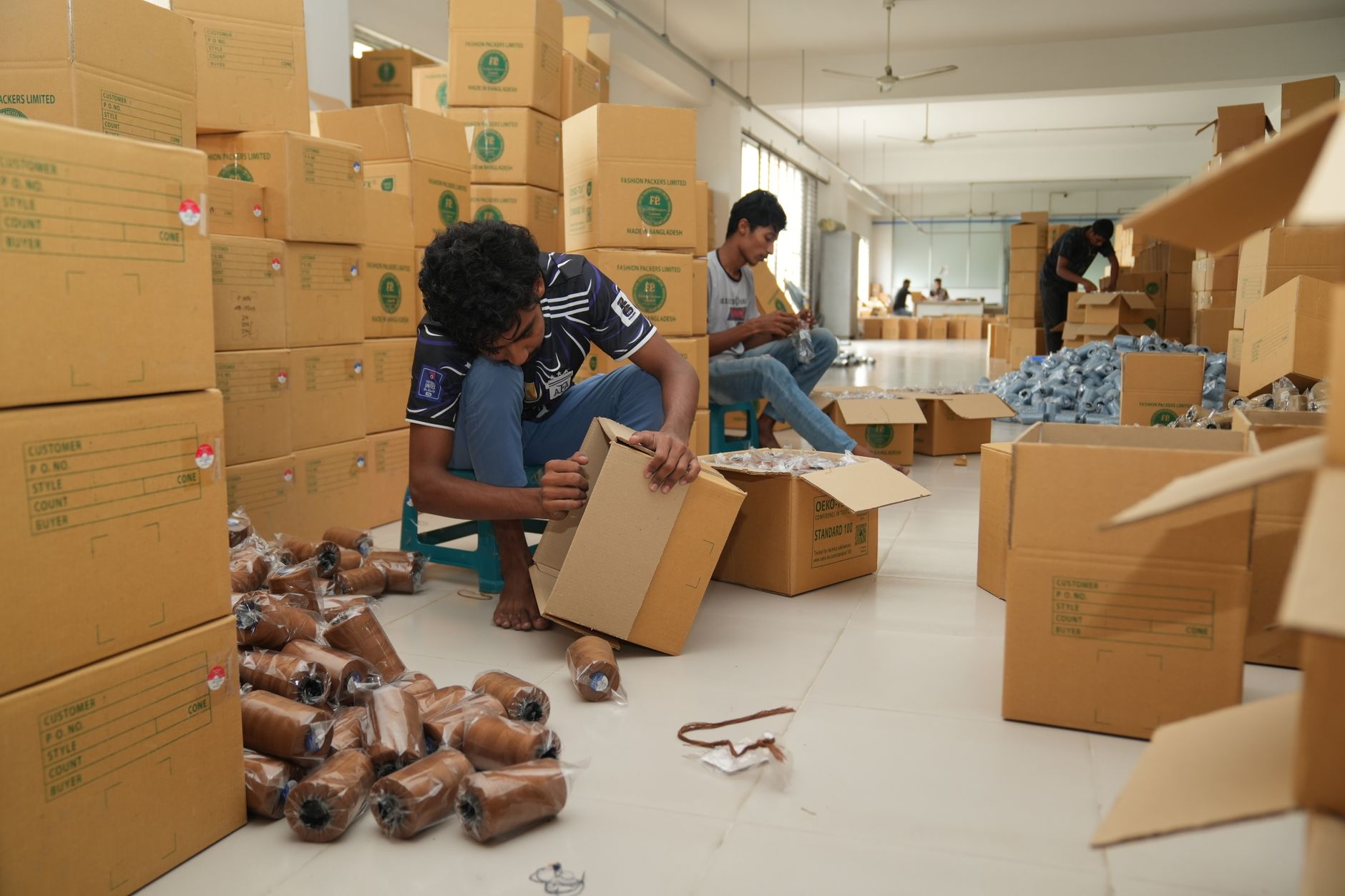
The robot works in the spaces between areas, not inside the packing cells. Most of the value sits on the paths between storage, the lines and the dock, where the same loads move on the same routes. Those paths are usually the easiest to map and the easiest to keep clear.
Typical zones include the film, label and carton warehouse, the infeed points at filling and forming, the end of line palletizing area, changeover staging for tooling and format parts, the quality hold area, and the outbound dock lanes. Each zone has its own rules for traffic, load size and access, and those rules are set during the site assessment.
Wet areas, washdown zones and tight packing cells need separate planning. A first deployment should start on a dry, predictable route with clear floors and marked handoff points.
Dock and warehouse areas also see the most traffic from forklifts and people, so the plan should set who has right of way at crossings and where the robot waits when a lane is busy. Those rules are easier to set before the robot is running than after the first crowded morning.
How does the robot work alongside existing staff?
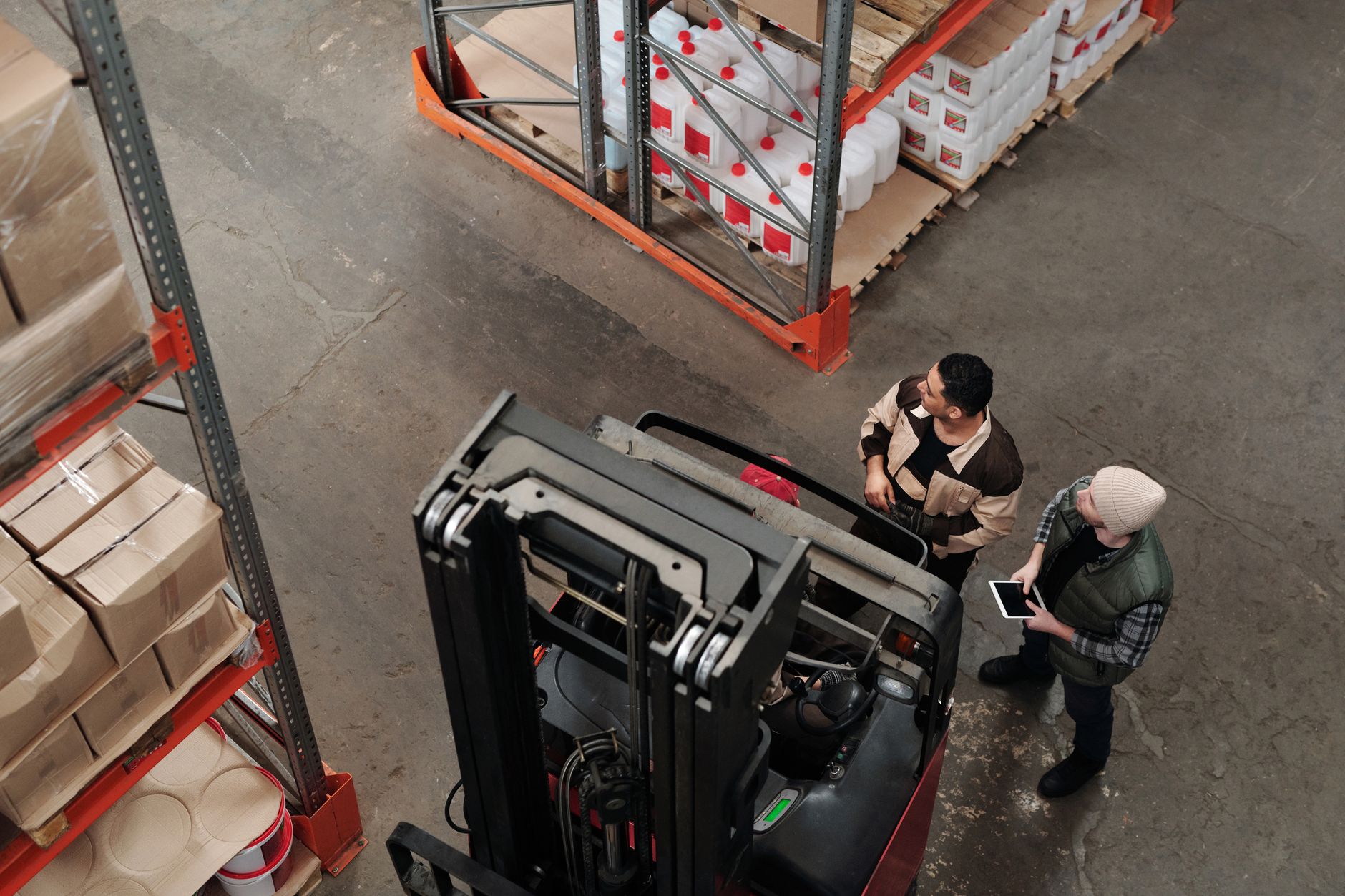
A robot does not run the plant on its own. Packers, line leads, maintenance technicians and quality staff keep their roles. The robot takes the repeated transport runs, while people decide what the line needs, load the robot for unusual jobs, and clear anything the robot cannot handle.
The staffing picture explains why plants look at this. According to the Bureau of Labor Statistics Occupational Outlook Handbook, the broader material moving machine operator group, which includes forklift, conveyor and crane work, is projected to grow 1 percent from 2024 to 2034. Warehousing and storage is the largest employer of these workers, at 36 percent of these jobs. Most openings come from turnover, so a transport job often needs a new person who has to learn the route.
We train the staff who will work with the robot, including dispatch, handoffs and first response. The target is always a robot plus a trained team on every shift the robot runs, never a robot left with no one assigned to it.
Shift leads usually need the most help in the first weeks. Expect questions about why the robot waited, why a run was late and who clears a stop, and answer them on the floor rather than in an email. Quick answers keep trust in the robot, and trust is what keeps the route running.
What drives the savings in labor hours?
The savings come from transport hours that stop being spent, from operator waiting at the feed point, and from fewer line stops caused by empty stations. Those are the drivers to measure before deployment, and a site assessment is where the baseline gets set.
Published figures show the direction. According to a trade association case video, a Spanish injection molding site moved packaging materials from its warehouse to production lines with two robots and reported savings of up to 16 hours a day in human labor, equal to the work of two operators. Those are upper figures from one vendor reported site, so use them to ask better questions, not to set a target.
A second case, from an integrator's manufacturing plant, described material handling that took three people working eight hours a day being moved to AMR-augmented handling. That is not a packaging site, but it shows the kind of baseline worth recording before you start: how many people, for how many hours, on which runs.
Measure before, during and after. Record transport hours per shift, feed point waits, line stops by cause and any run where a person had to step in. A short baseline usually shows which routes are worth automating first, and your own transport hours per shift on each route are the number the assessment measures.
What can an autonomous mobile robot not do?
The robot does not fix a jammed line, a short supply of film or a bad lot. It does not pack, check seals or decide that a material run is wrong, and it will not catch a fault that an operator would catch by looking at the line.
It works best on predictable loads and routes. Irregular loads, unusual pallet heights and pieces that need hand placement still go to staff or a forklift. A change to aisles, dock doors or racking means a new route plan, so the site assessment should be revisited whenever the building changes.
It also depends on people. Someone has to dispatch it, answer alerts and keep paths and charging points clear. A robot left unattended at the start of a shift does very little, so plan the staffing for it as carefully as the route.
How do you get started with a robot lease?
Start with a free site assessment. We walk the plant, map the material routes, note traffic and feed points, and identify the one route where a robot is most likely to pay back. The results become the basis for the quote, so you see the robot, the route and the service plan together.
We are a US commercial robot integrator. We pick the robot that fits your site, lease it through financing so you do not have to own the unit, deploy and integrate it with your routes and staff, train your team, and service the robot nationwide. For operators who want to evaluate autonomous mobile robots for packaging plants, the lease quote comes after the assessment, and the payment comes in that quote.
Many operators begin with one leased unit on one route, measure transport hours for several weeks, and then decide whether to add units. The first step is a walk through the plant, not a shutdown of the line.
Ask for the lease terms in writing and check what the service covers. Compare the route plan with your own floor drawings, and confirm who on your team will be trained and who will be on call during each shift. A clear answer on those points is a good sign that the plan will hold.
Frequently asked questions
Want a warehouse robot at your packaging plant?
Tell us about your site. We will recommend the robot, quote the lease, and keep it serviced.
Sources
- Bureau of Labor Statistics, Occupational Employment and Wage Statistics, May 2023
- Bureau of Labor Statistics, Occupational Outlook Handbook, material moving machine operators
- Trade association case video, injection molding site with two robots
- Robot vendor case study, packaging container line
- Integrator case study, manufacturing plant material handling