
Key takeaways
- Hauling stock between growing rows and docks is repetitive, labor-heavy work that peaks each season.
- Growers reported an average workforce shortage of nearly 20% of the workforce needed to run at full capacity.
- Autonomous mobile robots follow set routes, so crews make fewer repeated hauls by hand.
- The robot works alongside a smaller crew, never in place of all staff.
- Savings depend on your routes and haul volume, so a free site assessment comes first.
How can autonomous mobile robots for plant nurseries help?
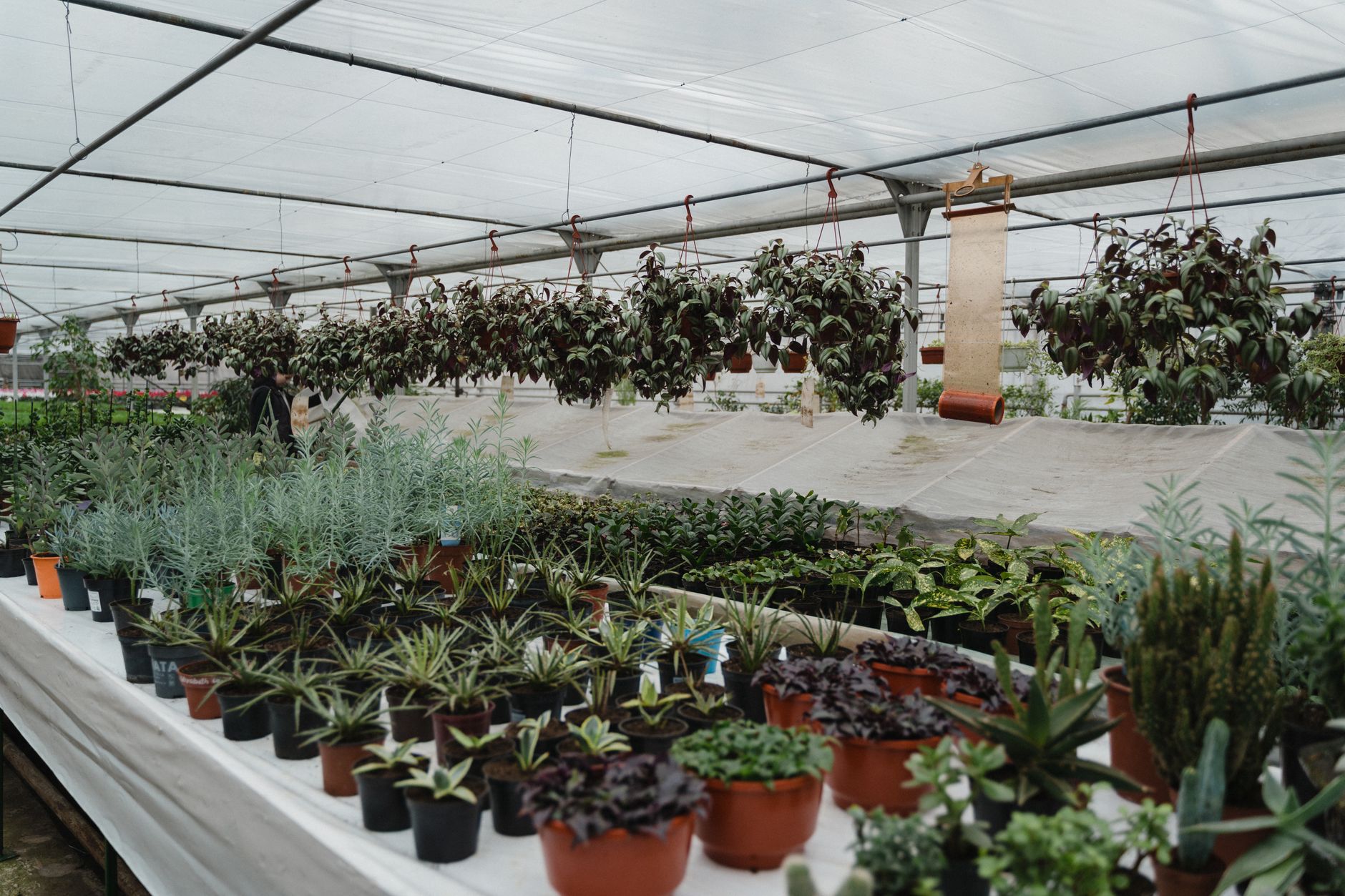
Autonomous mobile robots for plant nurseries take over one of the most repeated jobs of the growing season: carrying trays and pots between growing rows and the loading dock. The robot follows a set route, so a load that once meant a cart, a pull and a long walk back now runs on a fixed path. Crews make fewer repeated hauls and keep their hands on the plant work that needs a person.
The robot does not do the whole job, and that is the point. Planting, pruning, fertilizing, staking and moving plants are all labor-intensive nursery tasks, according to University of Tennessee Extension. The robot covers the moving part, which is steady, predictable and tied to the calendar, while people keep the judgment calls.
Service Robot Co. is a US commercial robot integrator. We pick the robot that fits your site, lease it through financing, deploy and integrate it, train your staff and service it nationwide. The sections below explain how this works at a nursery, what drives the savings and what to expect before a quote.
Why is hauling so hard to staff at a nursery?
Hauling is hard to staff because it is physical, repetitive and tied to the busiest weeks of the year. The labor problem is wider than one season. In AmericanHort's 2022 Greenhouse and Nursery Labor and Employment Survey, which covers 2021, the average workforce shortage across the sample was nearly 20% of the workforce growers needed to run at full capacity. Nursery Management's 2025 State of the Industry research named labor the top challenge again, though some nurseries added staff since the prior year.
Hiring was hard for many operations. Nearly two-thirds of respondents could not hire all the employees they wanted in 2021, and about 62% of growers said COVID-19 caused additional workforce shortages that year. For a manager, that often means the haul crew you planned for is short on the days you need it most.
The size of the sector matters for planning too. The 2019 horticulture census counted 20,655 operations, according to Garden Center magazine, and the 2024 census counted 23,060, according to USDA. The 2024 count now includes mushroom and hemp farms, which were added for the first time, so the two counts are not a straight comparison. Nursery stock was the top category in 2024 and was up 17% from 2019, according to Agri News.
What are the main benefits for a nursery?
The main benefit is fewer repeated hauls by hand, which keeps crews on the work that needs their hands. In practice that shows up in four places.
The benefit is strongest in peak weeks, when orders and shipping dates pile up on the same days. A robot on a fixed route keeps the same pace in the last week of a rush as in the first, while a crew's pace slows with fatigue and short staffing.
There is also a benefit for the people who stay. When the labor pool is thin, a crew that is not carrying the whole yard by hand has more room for work that needs judgment, and fewer people are asked to cover hauls on top of their own tasks.
- Steady loads between growing rows and the loading area, on the same route each time
- Crew time moved from hauling back to potting, spacing and plant checks
- A record of how many loads moved and when, so the schedule can follow the season
- A set route that is easier to explain to a new seasonal worker than an open yard with no fixed path
How does the robot work day to day?
Setup starts with a map. During a free site assessment we walk the yard, the greenhouse aisles and the dock, then plan the routes the robot will travel. Routes are set around the traffic patterns the crew already uses, so the robot follows the paths that stock already takes.
A normal shift starts with a staff member loading trays or pots at a staging point and confirming the destination. The robot carries the load along its route to the dock or the growing block that needs it. The worker unloads, returns to plant work, and the robot heads back for the next load.
Crews notice the handoff most. The moment a load is placed and confirmed is the moment a worker goes back to the plants, and that handoff is where most of the coordination happens. Staff check the flow at the start and end of each shift and watch the route through the day.
Layouts change through a season. A new bed, a moved pallet of stock or a stacked row can block a route, so assign one named staff member to report layout changes and to update the route map. A map that drifts from the yard is often what makes a route feel slow, and it is quick to fix when one person owns it.
Training covers loading, unloading, what to do when the robot stops and when to call for service. Staff learn the route map and the basic checks during go live support, so the crew is not waiting on someone from outside to get the first week moving.
Which areas of the nursery does the robot work in?
The robot works where repeated hauling happens. At most nurseries that means the paths between growing blocks and the places where stock leaves the yard. The zones below are the areas where this work usually happens at a place of this kind.
The best routes tend to be the ones that cross between areas many times a day. Those are the first we map, because each trip saved is a trip a crew member does not make by hand. Areas with heavy customer or delivery traffic may need routes that work around people, and the site assessment is where that gets settled.
Surfaces matter too. Gravel, mud, slopes and uneven container beds change how a route runs, so the yard is checked for those conditions before a route is set. Irrigation lines and drip hoses along the paths matter as well. A route should keep the robot clear of hoses and stakes, and a staff member should check the path after any irrigation work.
The routes we plan are the ones your ground can support.
How does the robot work alongside existing staff?
The robot works alongside a crew, not in place of one. A robot plus a smaller team is the realistic setup. Someone still loads and unloads, handles the plant work, watches the route and calls for service when needed. The crew still decides what moves, when and where.
Automation is already part of how this sector responds to staffing pressure. More than 55% of respondents in a 2023 HortScience study had adopted automation to address the labor shortage, according to an ASHS summary of that research. Nearly half of surveyed growers also started using a new labor-saving technology in 2021, according to AmericanHort.
For staff, the change is in the job more than in the headcount. People who used to spend the day pushing carts now check loads, keep the route clear and handle the work that needs judgment. That is a new kind of day, and one that is easier to plan around a short crew.
What drives the savings, and what can we say about hours?
The savings come from repeated hauls moved off the crew. The hours that frees up depend on your routes, your haul volume and your season. The published research we reviewed does not give a verified hours figure for moving containers at a nursery, so this page does not offer an hours range. The site assessment measures your own haul count and distance, and those are the numbers worth planning around.
Ask for the count to be taken during a normal peak week. Log how many loads move each day, how far each one travels and how many crew hours your schedule already gives to hauling. Those three numbers tell you more than any general estimate, and they shape the quote.
Labor pressure is the reason many operators look at this at all. AmericanHort reported that about 62% of growers said COVID-19 caused additional workforce shortages in 2021. Also, 35% of growers used the H-2A program that year, and half of those users struggled to fill non-seasonal jobs that do not qualify for it. When open roles stay open, the haul load lands on the people who are already there.
Financing spreads the cost of the robot into a lease, so the decision can be checked against the hours your site assessment measures. The payment comes in the quote after the free site assessment. Robots are only leased, through financing, and nothing else is offered.
What can the robot not do?
A haul robot does not do the plant work. It does not plant, prune, fertilize or stake plants, which University of Tennessee Extension lists among labor-intensive nursery tasks, and those stay with your crew. It also cannot make a blocked or flooded path safe on its own, so the yard has to be kept clear.
It does not replace the people who run the yard. Routes need a staff member who knows the yard, and a robot stopped in an aisle needs someone to clear it and check why.
Expect a fit period, too. A new route takes time to map, test and adjust, and the first weeks are a check on the route rather than full output. Plan for that early in the season, not in the last week before the rush.
How do I get started?
Start with a free site assessment. We walk the site, map the routes, measure the haul work and note the surfaces, aisles and docks that matter. After that we prepare a quote, and the payment comes in the quote.
Autonomous mobile robots for plant nurseries are only leased, through financing. Service Robot Co. selects the robot that fits your site, deploys and integrates it, trains your staff and services it nationwide. A good first step is one unit on one route, then more once that route proves itself.
If you run a nursery and want to see what a route would look like on your ground, request a free site assessment. Bring your layout, your busiest weeks and the hauls that take the most crew time. We will say if the site is a fit before any lease comes up, and we will explain the quote in plain terms.
Frequently asked questions
Want a warehouse robot at your plant nursery?
Tell us about your site. We will recommend the robot, quote the lease, and keep it serviced.
Sources
- AmericanHort Greenhouse and Nursery Labor and Employment Survey
- University of Tennessee Extension publication W1147
- USDA NASS 2024 Census of Horticultural Specialties release
- Agri News horticulture sales report
- Garden Center magazine 2019 horticulture census report
- ASHS summary of HortScience automation study
- Nursery Management 2025 State of the Industry research