
Key takeaways
- Batch moves between mixers, mills and molding presses follow fixed routes that suit a mobile robot.
- The robot covers repeat trips while your operators keep process, quality and exception work.
- Hour figures in this field come from other plants, so your site assessment measures your own hours first.
- Robots are leased through financing, and the payment comes in a quote after a free site assessment.
How can autonomous mobile robots benefit rubber products plants?
Autonomous mobile robots for rubber products plants take over the repeat trips that fill a shift between mixing, milling and molding. A mobile robot carries a compound batch, cart or rack along a fixed route, so an operator no longer pushes it across the floor. The main benefit is fewer labor hours spent on batch transport, which leaves more of your people's time for the process itself.
The fit is strong because the flow in a rubber plant repeats. Mixers, mills and molding presses stay in the same places, and batches move between them in a known order. Fixed routes like that suit autonomous mobile robots far better than a site where every trip is different.
Beyond fewer trips, the benefit is timing. Batches arrive at the press when the press is ready, not when the nearest person happens to be free. The rest of this page covers the problem, the daily work, the staffing, the hour figures, the limits and how to start.
Why does batch movement take so many labor hours?
Batch movement is labor that never shows up in the product. Someone moves compound from the mixer to staging, then from staging to a mill or press, then moves trimmed parts onward. Each trip is short, but a shift repeats it many times, and the waiting between trips adds up.
The labor pool behind this work is large. According to the U.S. Bureau of Labor Statistics, hand laborers and material movers held about 7.0 million jobs in 2024, and manufacturing accounted for about 10 percent of them. Plants that move material by hand draw from that same pool of workers.
Rubber products manufacturing is a small industry by count. Encyclopedia.com, citing the Annual Survey of Manufactures, lists about 870 establishments in 1999 and 891 in 2000. Those years are dated, and no current national count of rubber plants was available when this page was written, so use these figures as background only.
Staffing pressure is also documented outside the United States. Job Bank, run by the Government of Canada, reports a labour shortage for labourers in rubber and plastic products manufacturing in the Montréal Region for 2023 to 2025, with more openings than available workers. That is regional data, but it shows the same strain on the same kind of job.
How does the work change with a robot and a team?
Today a batch moves when the person who handles it is free. A mixer operator finishes a batch, another operator pushes it to staging, and the molding crew waits until a cart arrives. Timing depends on who is available that minute, which is why a press sometimes sits ready while the next batch is still across the building.
With a robot in the flow, the handoff follows the route. The robot picks up the batch at a marked discharge point, carries it to the staging rack or press line, and returns for the next job. People keep the work that needs judgment: checking the batch, loading the press, clearing a stuck cart and deciding when a route should pause.
The team does not drop to zero. A robot plus a smaller team is the realistic setup, and the people who remain spend more of the shift at their stations.
Which areas of the plant does the robot cover?
Coverage follows the material flow rather than the whole building. The core routes link the mixing room, the mill lines, the compound staging area, the molding press lines, the cure and cooling area, and the finishing and shipping dock. Each route is mapped and tested before it carries production.
Routes are planned around the places where batches wait longest. A site assessment shows where carts queue, where people cross the aisle, and where doors or dock plates slow traffic. The six areas below are the ones we would expect to map first, though every layout is different.
What does a typical shift look like with the robot running?
A shift starts with the fleet checked and charged, and the routes run as the mixers start. The robot works through a queue of moves in order, pauses when a person or forklift enters its path, and resumes when the way is clear. Staff watch fleet status and clear blockages at the stop points.
Batches arrive in sequence, which helps the molding crew plan the next press change. Charging happens in planned gaps so a route does not stop in the middle of a run. At the end of the shift, the units return to their charging spots and any exceptions go into the handover notes.
The biggest daily variable is traffic, not the robot. A cart left in a lane, a pallet stacked past the line or a crossing forklift all slow the route, so housekeeping in the flow matters as much as the schedule.
How does it work alongside your existing staff?
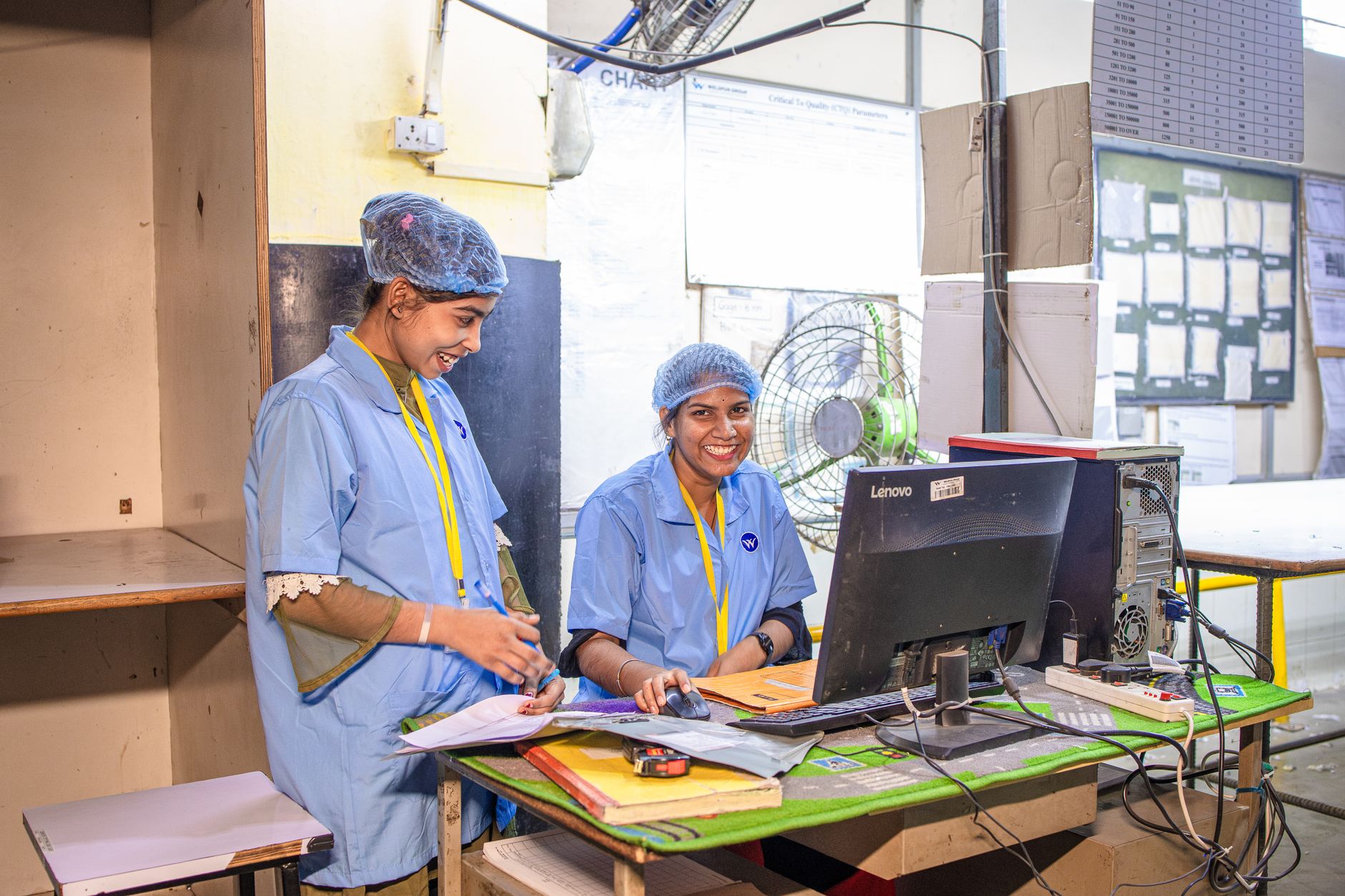
Your team keeps the roles that depend on judgment, and the robot covers the repeat trips. Mixer operators, press operators and quality staff stay at their stations, and the robot takes over the moves that used to pull them away. Your plant still needs people on every shift, and we plan that staffing with you before go live.
One vendor case from a consumer goods factory reported that 32 of 36 forklift operators were redeployed after its AMR fleet went in. That is one plant's account, and it describes staff moving to other work. Your own redeployment plan should follow your shift pattern and skill mix.
We pick the right robot for the site, lease it through financing, deploy and integrate it, train the staff and service it nationwide. Training covers the routes, the stop points, the charging plan and the steps to take when a unit pauses, and go live support helps the crew run the first production shifts.
What drives the savings, and what do the figures show?
Savings come from the hours that walking, waiting and pushing take up in batch transport, plus batches that reach the press on time. The clearest measure is the labor hours your team now spends on moves, so the site assessment starts with a time study of the current route.
Vendor case studies from other material-moving plants give a sense of scale. One aerospace plant's vendor case estimated about 4,000 labor hours saved per year, plus fewer push and pull injuries. A furniture manufacturer's vendor blog said operators had averaged about nine hours a day moving materials by hand, and two AMRs plus 24 staging carts removed more than nine hours of daily walking from operators.
Across these cases the reported hour figures run from about nine hours a day to about 4,000 labor hours a year. They measure different plants, so they do not add up. A consumer goods factory's vendor case reported that pallets moved per shift rose from 185 to 253 after 50 AMRs went in, and that fleet is far larger than most plants start with.
All of these are vendor-reported figures from other plants, not rubber plants, and none is a promise for yours. Your own hour count, measured during the site assessment, is the number that matters.
What can the robot not do?
It does not fix an off-spec batch, adjust a recipe or decide that a compound is ready. Those calls stay with your operators and quality staff, and the robot only moves material to the next station.
It works inside its mapped route. Moving a press, adding a staging rack in a new spot or changing a door layout means remapping and testing the route again. A blocked lane or crossing traffic pauses the robot until the path clears, so a cluttered aisle costs moves.
Fleets also need care. Batteries need a charging plan, sensors need cleaning in a dusty plant, and a unit may need service. The service plan covers those points, but the plant should plan for them rather than assume the robot runs unattended.
How do you get started?
Start with a free site assessment. We map the current batch flow, measure the moves that take the most labor hours, check aisle width, floor condition and crossing points, and talk through which routes make sense first. You get a plan covering the route, the staffing and the service coverage before any commitment.
Robots are leased through financing, so the plant does not carry the full cost up front. The payment comes in the quote after the site assessment, and the quote reflects the site, the number of units, the route work and the service plan. A plant can start with one unit on its most time-consuming route, then add units once the first shifts show the hours.
We are a US commercial robot integrator, and our service is nationwide. Our team handles deployment, integration, training and repairs, including on site dispatch when a unit needs hands on work.
Frequently asked questions
Want a warehouse robot at your rubber products plant?
Tell us about your site. We will recommend the robot, quote the lease, and keep it serviced.
Sources
- U.S. Bureau of Labor Statistics, Occupational Outlook Handbook
- Encyclopedia.com, NAICS 32629M rubber product manufacturing
- Job Bank, Government of Canada, labourers in rubber and plastic products manufacturing, Montréal Region
- Vendor case study, aerospace manufacturing plant
- Vendor blog, furniture manufacturer case
- Vendor case study, consumer goods factory