
Key takeaways
- Repeated lumber moves between saw lines, sorting and stacking follow fixed routes that suit autonomous mobile robots.
- US sawmill employment has declined for twelve straight quarters, according to a 2026 report.
- Robots move boards, while grading still needs vision systems and trained people.
- Savings depend on hours your own crew spends on repeated moves, timed over several shifts.
- Start with a free site assessment, then a lease quote through financing.
How can autonomous mobile robots for sawmills help a mill?
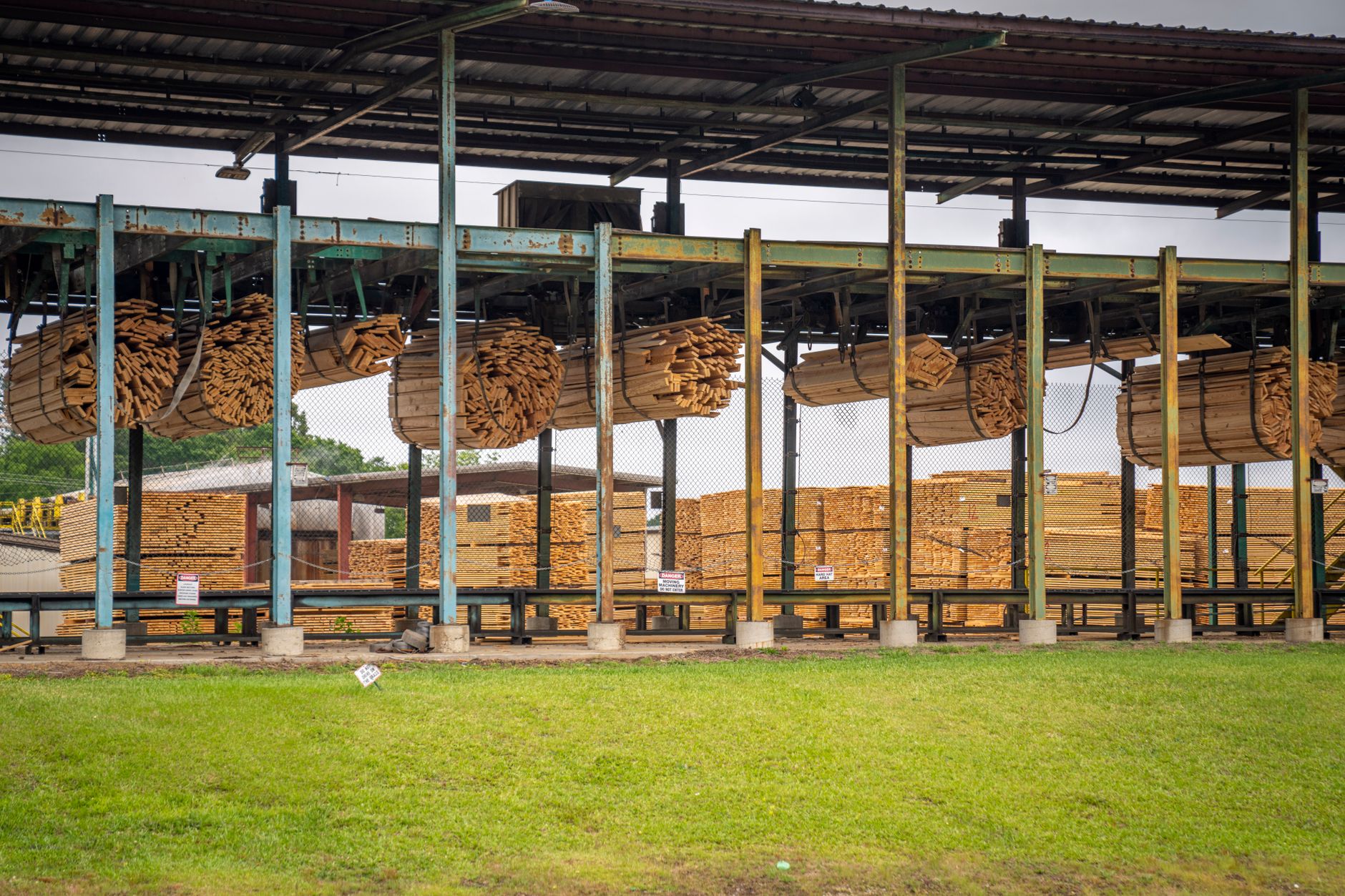
Most of the lumber moves in a sawmill follow the same routes every shift. Boards leave the saw line, go to the edger or trimmer, get sorted, and then get carried to stacking areas. Each of those moves takes crew time that could go to running the line. Autonomous mobile robots for sawmills are suited to this kind of repeated, fixed-route work, where the path is known and the job repeats all day.
In short, a robot can take over the repeated carry and stack moves between saw lines, sorting and stacking areas, so your people spend more of the shift on machines and grading decisions. The benefit is strongest where routes are fixed, loads are predictable, and crews spend hours walking and handling instead of judging. It does not replace the crew, and it does not grade lumber by itself.
Be clear about the evidence. The examples we found for sawmills are fixed or unmanned handling systems, and we did not find a published sawmill case of autonomous mobile robots running these exact lumber moves. That is why the first step is a site assessment of your own routes and shift records, not a general promise.
Why does lumber handling take so much crew time?
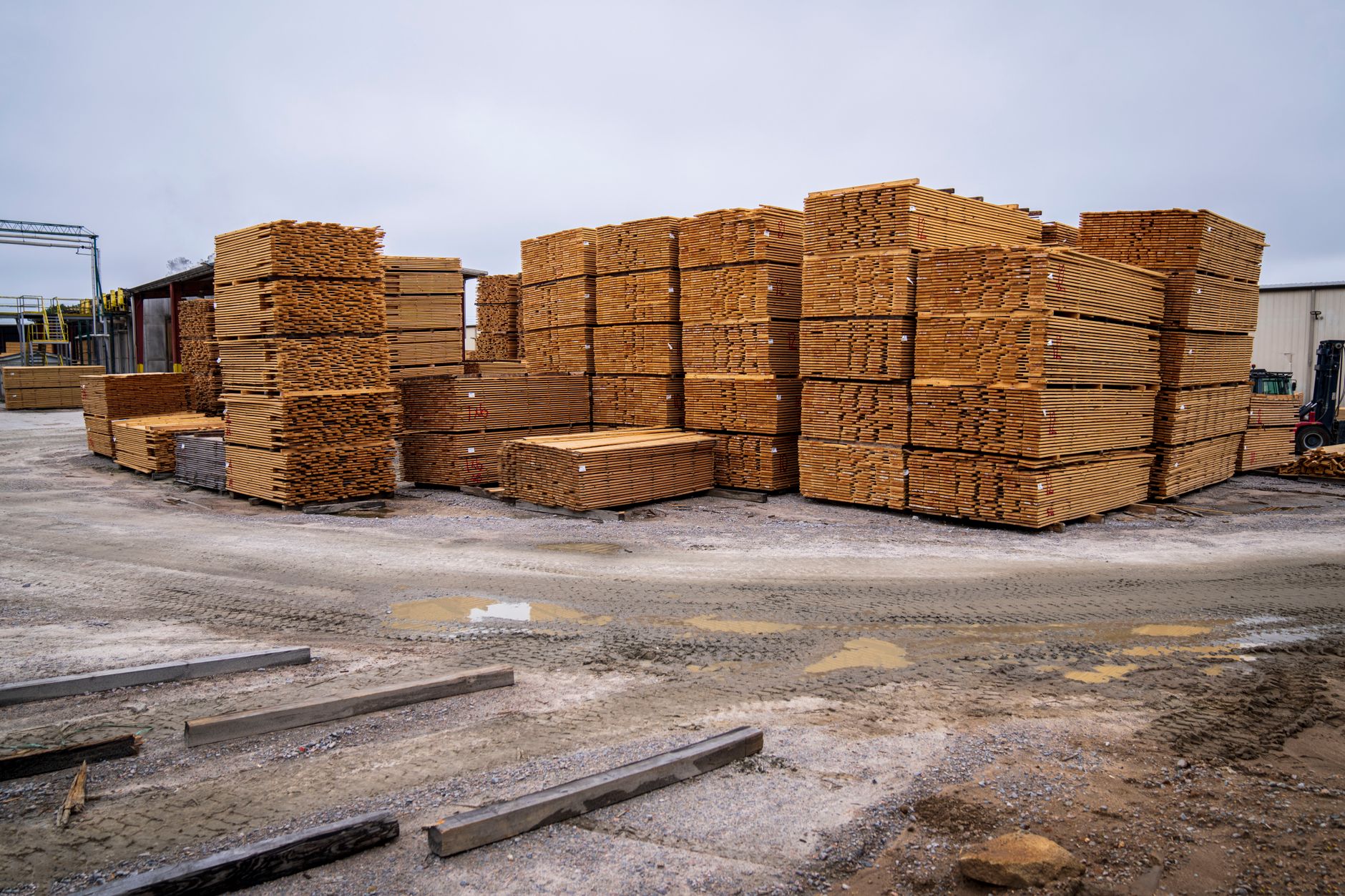
Lumber handling is the work between the machines. A cut board still has to be moved, sorted and stacked before it counts as finished product, and in many mills that is done by hand with carts, forklifts and walking crews. Every trip between a saw line and a stacking area is time a worker is not feeding or watching a machine.
The labor pool is tight. According to quarterly employment data built from Census counts, US sawmill sector employment was about 85,400 in Q3 2025. That figure covers sawmills combined with wood preservation, and it was the tenth straight quarterly decline and the lowest since early 2013. A later report put employment at roughly 82,800 in Q1 2026, the twelfth straight quarterly decline.
The federal series tell a similar story. According to Bureau of Labor Statistics data published by the Federal Reserve Bank of St. Louis, employment in sawmills and wood preservation was 101.2 thousand in 2024 and 94.0 thousand in 2025. A second series shows 96.6 for 2025, so check which series any report uses. A private market research estimate counts 2,504 sawmills and wood production businesses in 2025, with 95,207 employees, and that is an estimate, not an official count.
The shortage shows up on the floor. According to a 2026 survey of US softwood lumber producers, 43% of respondents cited labor shortages, second only to flat lumber markets at 53%, and 41% cited shipping and logistics. Respondents said skilled workers are hard to find as mill equipment becomes more automated and complex. Taking repetitive handling off skilled people is one way to keep them on the work that needs them.
How does the robot work a sawmill shift?
The robot follows a mapped route between fixed points. At a pickup point, a crew member or an upstream conveyor sets a bin or cart of boards. The robot takes it to a drop point at a sorting table, edger handoff or stacking area, then returns to charge and waits for the next call. Routes and pickup and drop points are set during the site assessment, so the same paths run every shift.
Sawmills already automate parts of this work in other forms. At one Finnish sawmill, six robots handle unmanned lumber from green to dry sorting, and vision systems detect defective boards, according to a 2023 trade report. A vendor video shows a vacuum gripper unloading and stacking board layers after sawing, a job that was done by hand, though those claims are vendor-reported. An Australian sawmill project reads grade markings on each board with optical recognition, according to the company that ran it.
Schedules are where the gains show up. Once a route is set, the robot can run through quiet periods at the saw line, and a crew member checks the queue at the start and end of each shift. A good deployment should log every move, which gives you the counts you need to judge the result honestly.

Which areas of the mill does the robot cover?
Coverage for autonomous mobile robots for sawmills follows the handoffs that repeat. The best candidates are places where boards pass between machines and people along the same path every shift. The zones below are the areas we would look at first, and the site assessment decides which ones fit your layout and floor.
Routes that cross yards, wet ground or uneven gravel need a closer look. Dust and sawdust affect sensors and wheels, so floor condition is part of the assessment. Where forklifts share the same aisles, marked lanes and a traffic plan come before the first route is set.
What are the main benefits for the mill?
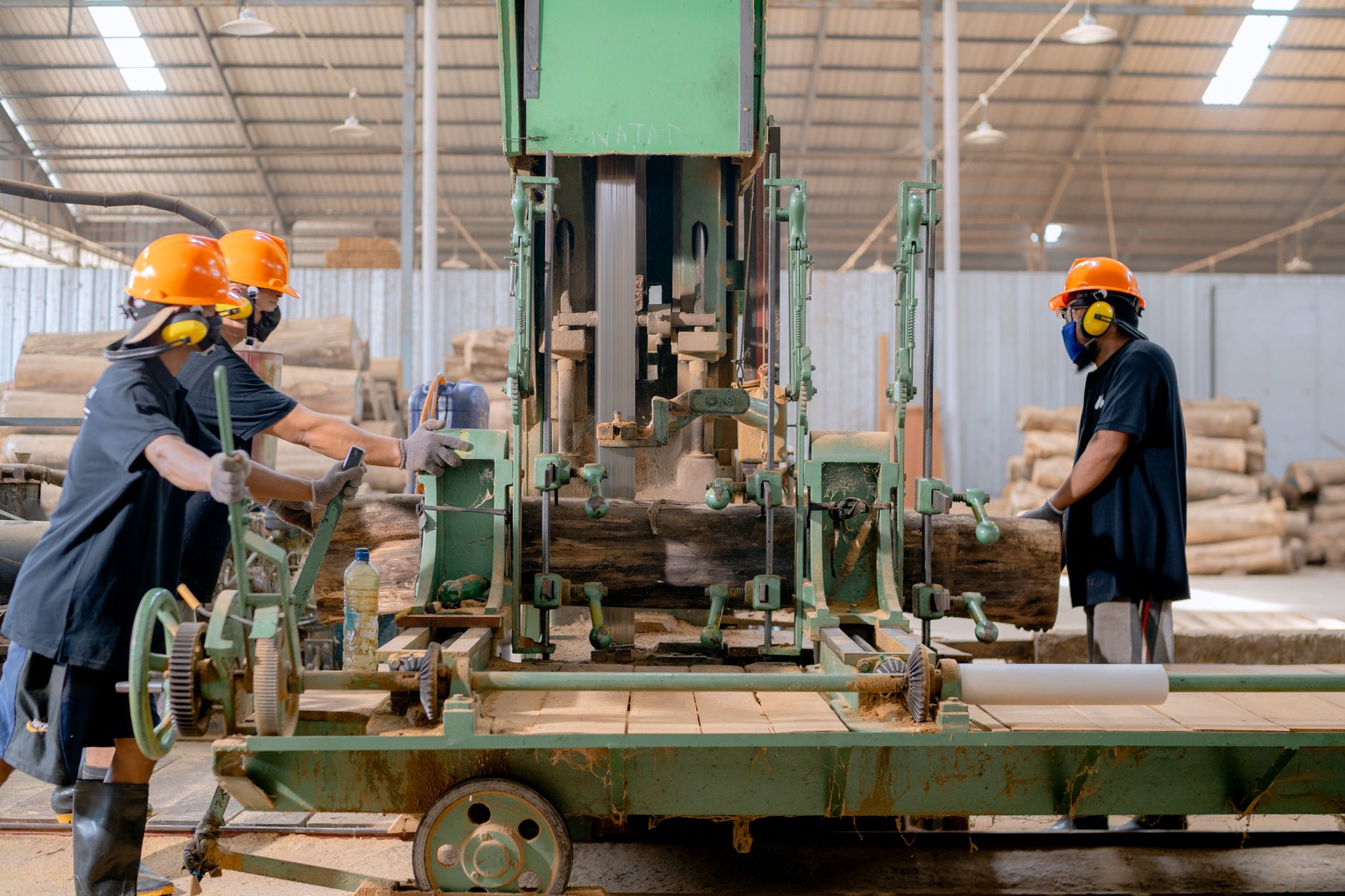
The main benefit is crew time back on production. Each carry the robot takes is a trip a person no longer makes, and that time can go to tending saws, checking grade or keeping the line fed. Because the route is fixed, handling is also more consistent from shift to shift, which makes the flow of boards easier to predict.
The work also becomes easier to see. Move counts, wait times and route use become records you can review, rather than estimates from memory. That makes the next staffing or layout decision less of a guess, and it gives supervisors something concrete to compare across shifts.
The benefit fits the labor picture. A mill that cannot fill every handling job can keep the line moving with fewer people in the repetitive part of the work, and keep skilled staff on grading, maintenance and exceptions. The robot does not fix a shortage on its own, but it can reduce how many hours the shortage costs in the repeated moves.
What drives the savings?
Savings come from hours, not from a promise. The number that matters is how many hours your crew spends on repeated moves in a typical shift and week, and how much of that time a fixed route can take over. We did not find a published hours-per-shift figure for sawmill handling that we could cite, so this page does not offer one.
To size it yourself, time three to five shifts. Count the carries between the saw line, the sorting area and the stacking area, record how long each one takes, and note when the line waits for a board. That gives you a range in hours for your own mill, which tells you more than any national average.
Labor is one driver, and the mill's own layout and service needs are the others. The payment comes in the quote after a free site assessment, and it reflects the routes, the floor and the service plan you choose.
What can the robot not do?
It cannot grade lumber on its own. Grading and defect detection need vision systems and trained people. The Finnish example pairs handling with vision that detects defective boards, and the report notes that a fully unmanned sawmill needs automation across several areas, not just stacking.
It cannot clear a jam, repair a conveyor, or stack irregular or badly packed loads without the right load handling tool. It depends on clean sensors and a stable floor, so dust, standing water and rough concrete need attention. It is also not a service team. Breakdowns still need a response, which is why the service plan and spare coverage matter.
How do you get started?
Start with a free site assessment. We map the routes, measure the handoffs, check floor condition and traffic, and agree with your supervisors on pickup and drop points. You get a written plan before any robot is leased.
We are a US commercial robot integrator. We pick the robot that fits your site, lease it through financing, deploy and integrate it, train your staff and service it nationwide. Many mills start with one leased unit on the highest-volume route, then add units once the move data supports it. The lease quote comes after the site assessment, so the payment reflects your layout.
Ask about spare unit coverage and on-site dispatch before you sign. One stopped robot should not stop a line, so know the backup plan, the response process and the manual fallback route before go-live.
Frequently asked questions
Want a warehouse robot at your sawmill?
Tell us about your site. We will recommend the robot, quote the lease, and keep it serviced.
Sources
- Timber Online: unmanned sorting line report (2023)
- Automate: vacuum gripping system video for sawn board layers
- Hyne: timber industry optical grading project
- Woodcentral: US sawmill jobs drop to 12-year low
- Scrapmonster: US sawmill employment report (2026)
- FRED: BLS employment series for sawmills and wood preservation
- Timber Processing: 2026 US softwood lumber producer survey
- IBISWorld: sawmills and wood production business count