
Key takeaways
- Cleaning robots for breweries work best on open, mapped floor, freeing brewers for tanks and production.
- Wet floors are one of the main causes of workplace accidents in breweries, so floor passes cannot wait for a free hour.
- Published hour savings are vendor-reported ranges, and your site assessment sets your own number.
- The plan is a robot plus a smaller team, never a building with zero staff.
- Robots are leased through financing, and the fixed robot lease payment comes in the quote after a free site assessment.
Can cleaning robots for breweries pay off on a brewery floor?
Yes, in the specific places where a brewery loses the most time to floor work. A floor cleaning robot suits the large, mostly open and flat areas of a brewery: the brewhouse floor between vessels, the taproom, the packaging area, and the walkways that collect spills through the whole shift. It makes repeat passes on a schedule so the people who run the tanks can stay on the tanks.
Cleaning robots for breweries work best as a supplement to a crew, not a replacement. The robot takes the scheduled, repetitive scrubbing of open floor, often after the taproom closes, while brewers handle tanks, hoses, drains, valves and sanitation. Those tasks need hands and judgment, and that split is where the hours come back.
The fit depends on floor size, traffic, and how many hours your team spends on floors today. We start with a free site assessment, then provide a lease quote, so you can see the picture for your building before you decide anything.
What does floor care look like at a brewery today?
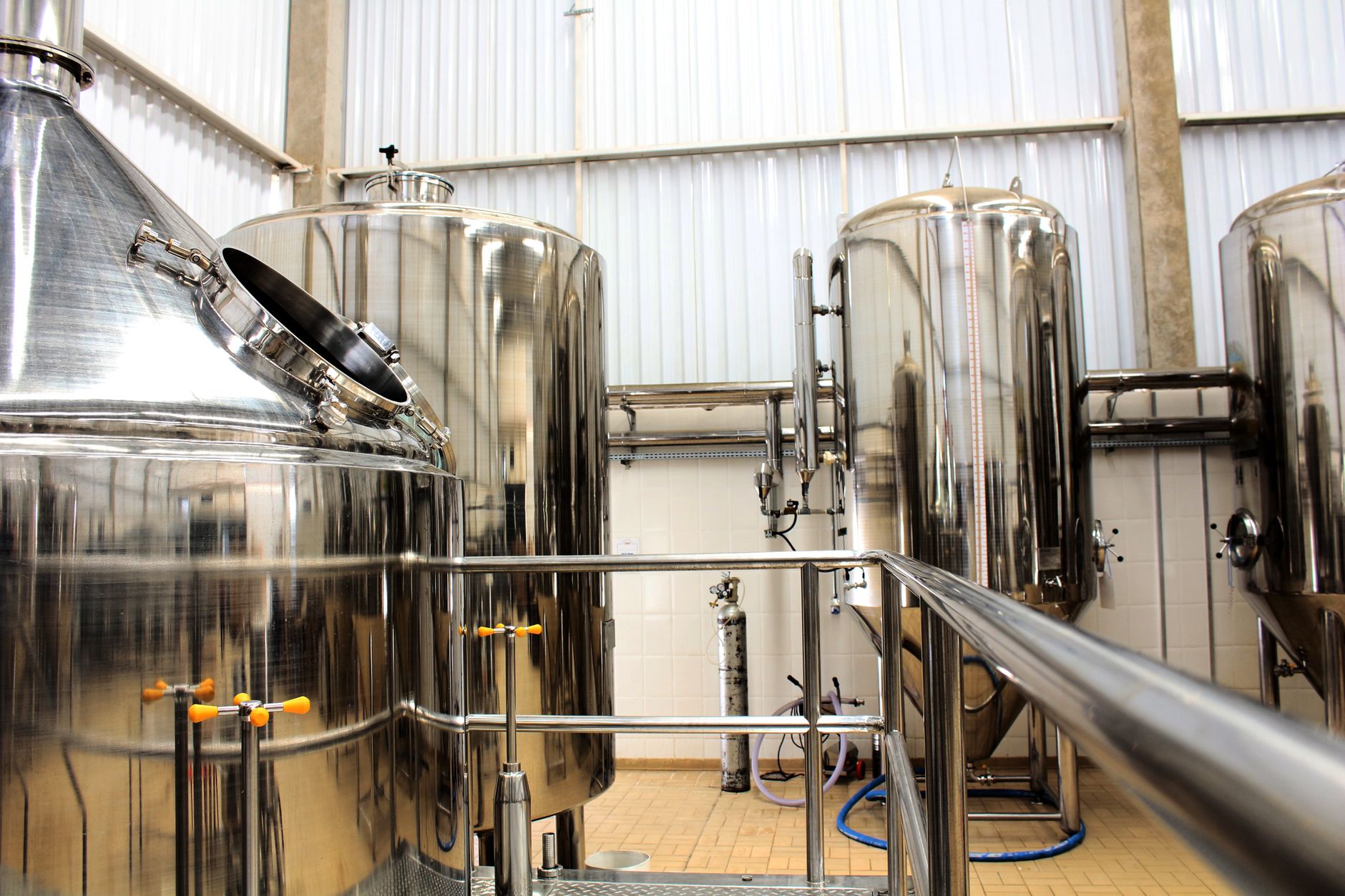
Brewery floors are wet by design. Spills, cleaning water, runoff and yeast all end up on the floor, and according to a European cleaning supplier's blog, wet floors are one of the main causes of workplace accidents in breweries. A floor that stays wet also becomes a sanitation problem, because according to a brewery sanitation blog, unsealed floors absorb liquid, which can lead to bacteria and mold growth.
The schedule is tight. According to a craft brewing SOP guide, cellar tanks, piping, hoses and equipment should be cleaned within 24 hours after emptying or use. That work comes first, so floor passes tend to slip to the end of the shift, when the crew is tired and the taproom still has guests.
A floor scrubber vendor recommends scrubbing high-traffic areas daily and all floors at least weekly. That is vendor guidance rather than a regulatory standard, but it shows the rhythm a brewery floor needs. Across the taproom, the packaging area and the walkways, that rhythm becomes a recurring job that competes with production every day.
Which brewery areas does a floor cleaning robot work in?
The robot works on open floor that can be mapped and driven without climbing, lifting or reaching into equipment. In a brewery that means large sections of the brewhouse floor, the cellar aisles, the packaging area and the taproom. It does not replace the hand work around vessels, valve banks, debris in floor drains, or spill zones that need a person to look first.
Each area has its own rhythm. The taproom needs a pass during slow service and a full pass after close. Cellar and cooler floors are wet and often cold, so routes are set around equipment and staff traffic. Packaging areas need passes timed around line changes and product staging.
What are the main benefits for a brewery?
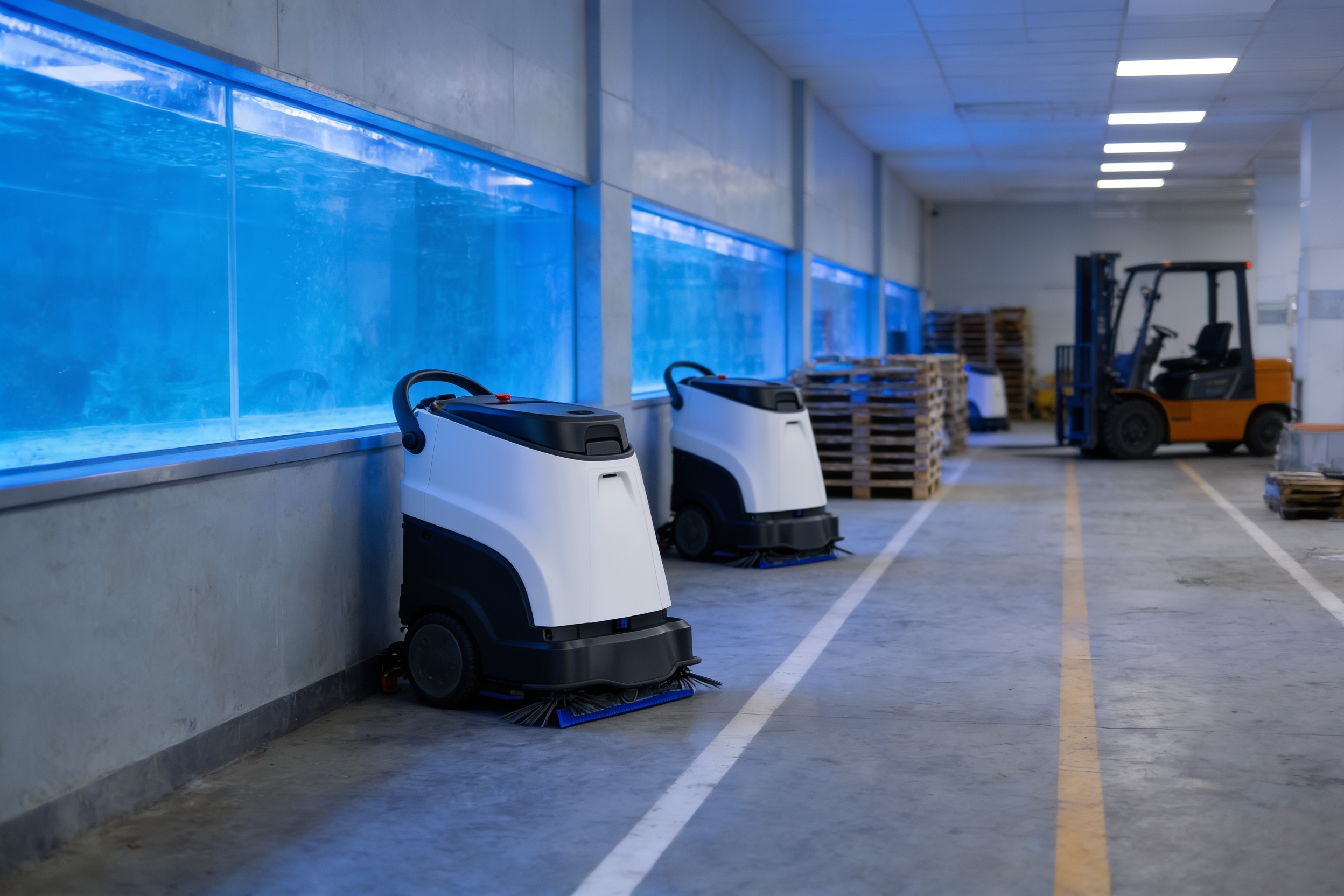
The biggest benefit is protected brewer time. A floor pass that used to pull a brewer off a tank can run on a schedule, and the brewer returns to production with the floor already scrubbed. That matters most on small crews, where one person may run the brewhouse, the cellar and the packaging line in the same shift.
The second benefit is consistency. A person scrubbing floors at 11 pm after a long brew day will not do the job the same way the next morning. A scheduled robot runs the same mapped route each time, and the schedule itself is easy to check against what the floor looks like at opening.
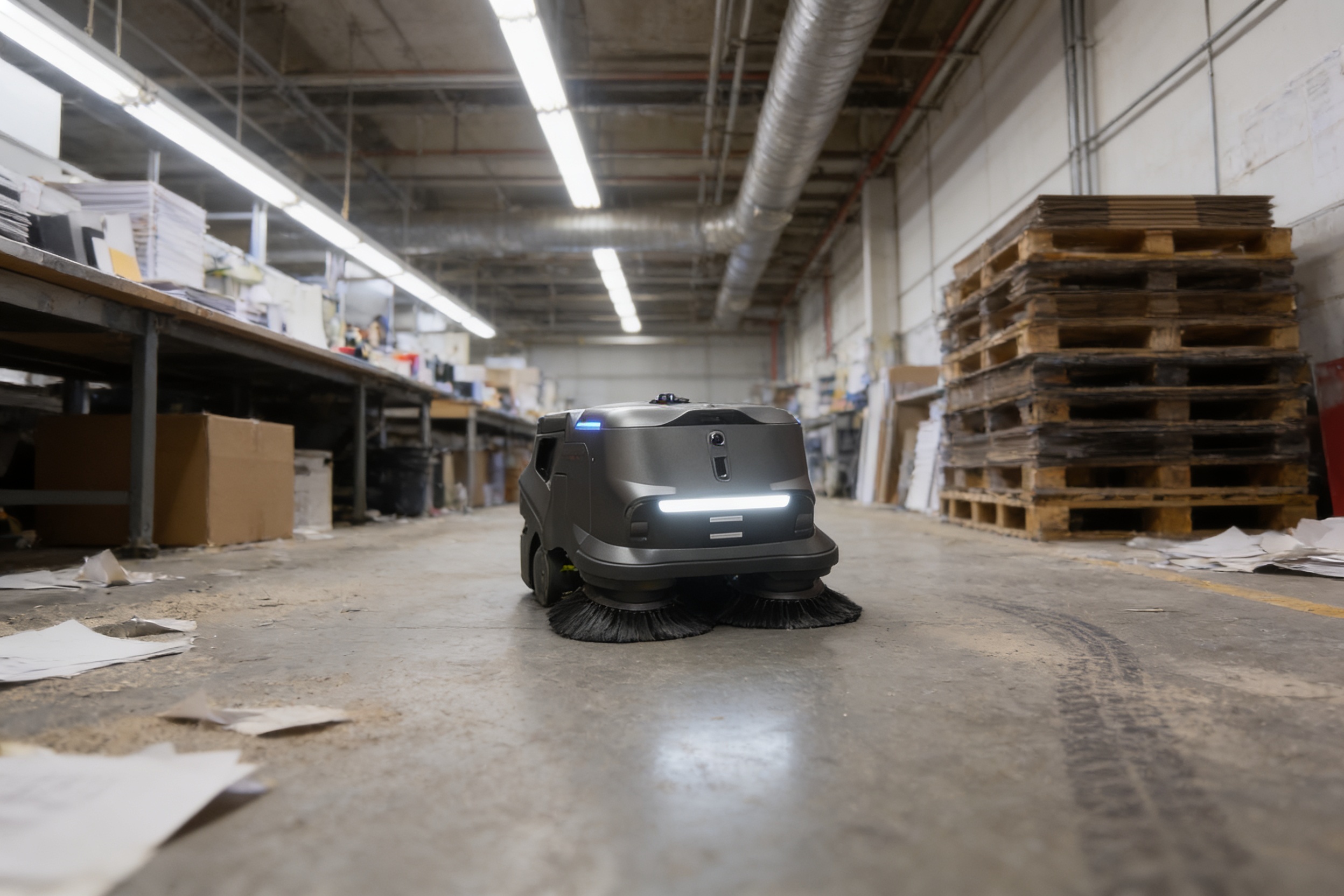
The third benefit is coverage of large areas. Taprooms and production floors can be wide and open, and a single unit covers a lot of square footage on each pass. Large open floors are where a scrubber tends to earn its place first, which is why we often suggest starting with one leased unit and adding a second only after the first has proven itself on your floor.
How does the robot work day to day?
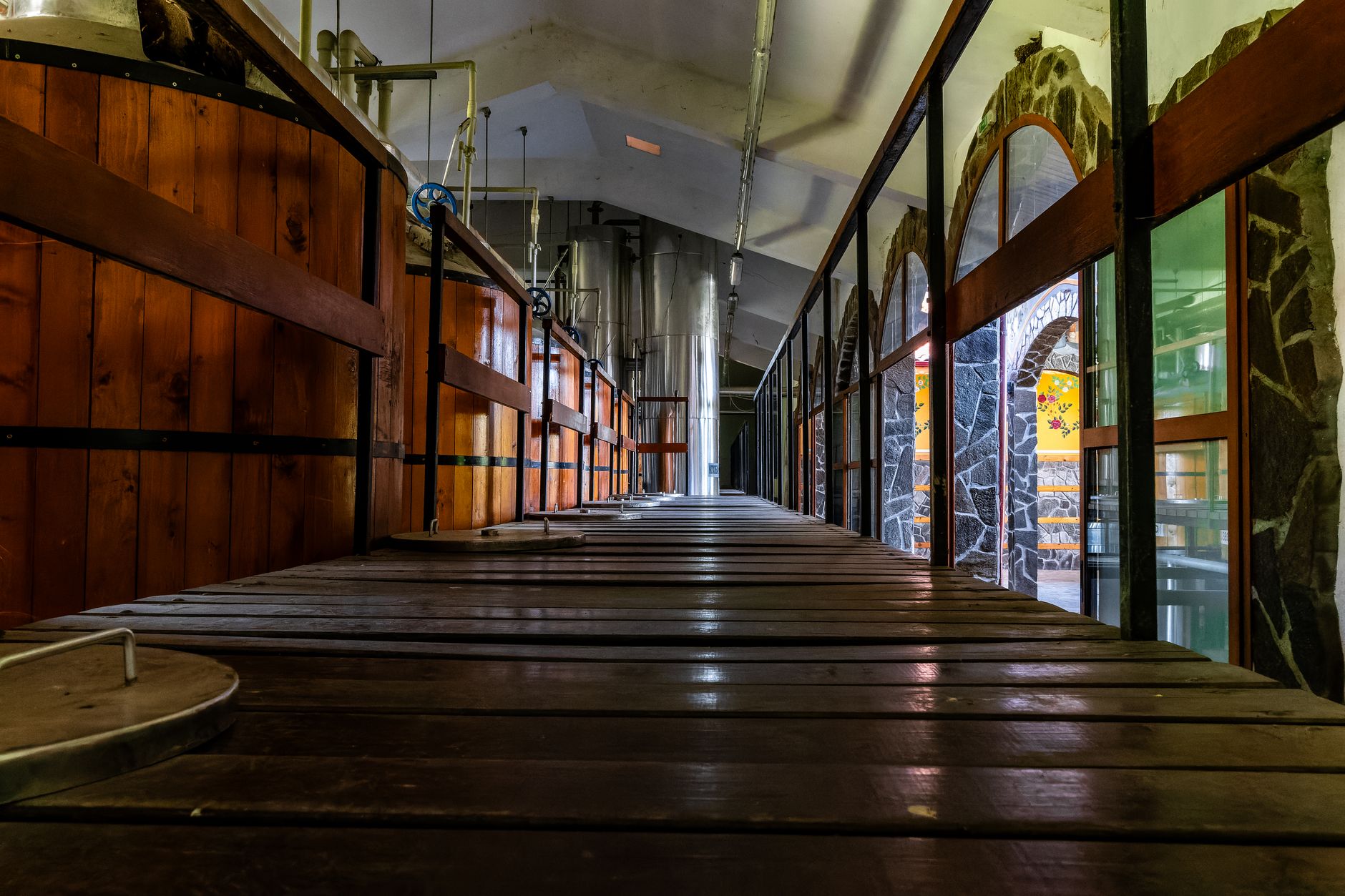
Most breweries set the schedule to run after close. Before the first run, a technician maps the floor, sets keep-out zones around tanks, drains and staging, and marks the routes. Staff stay responsible for setting up the floor, clearing loose debris, and moving carts and kegs out of the way.
Each night the robot runs its passes and reports its status. Staff check alerts at the start of the next shift, empty the waste water tank as needed, and confirm the floor is dry before the morning crew starts. If something blocks a route, the team clears it and the next pass goes ahead.
Schedules shift with the brew calendar. A busy taproom weekend may need an extra daytime pass, and a slow week may skip one. Those changes are made by the person on site, and the mapped routes stay in place.
How does a robot work alongside existing staff?
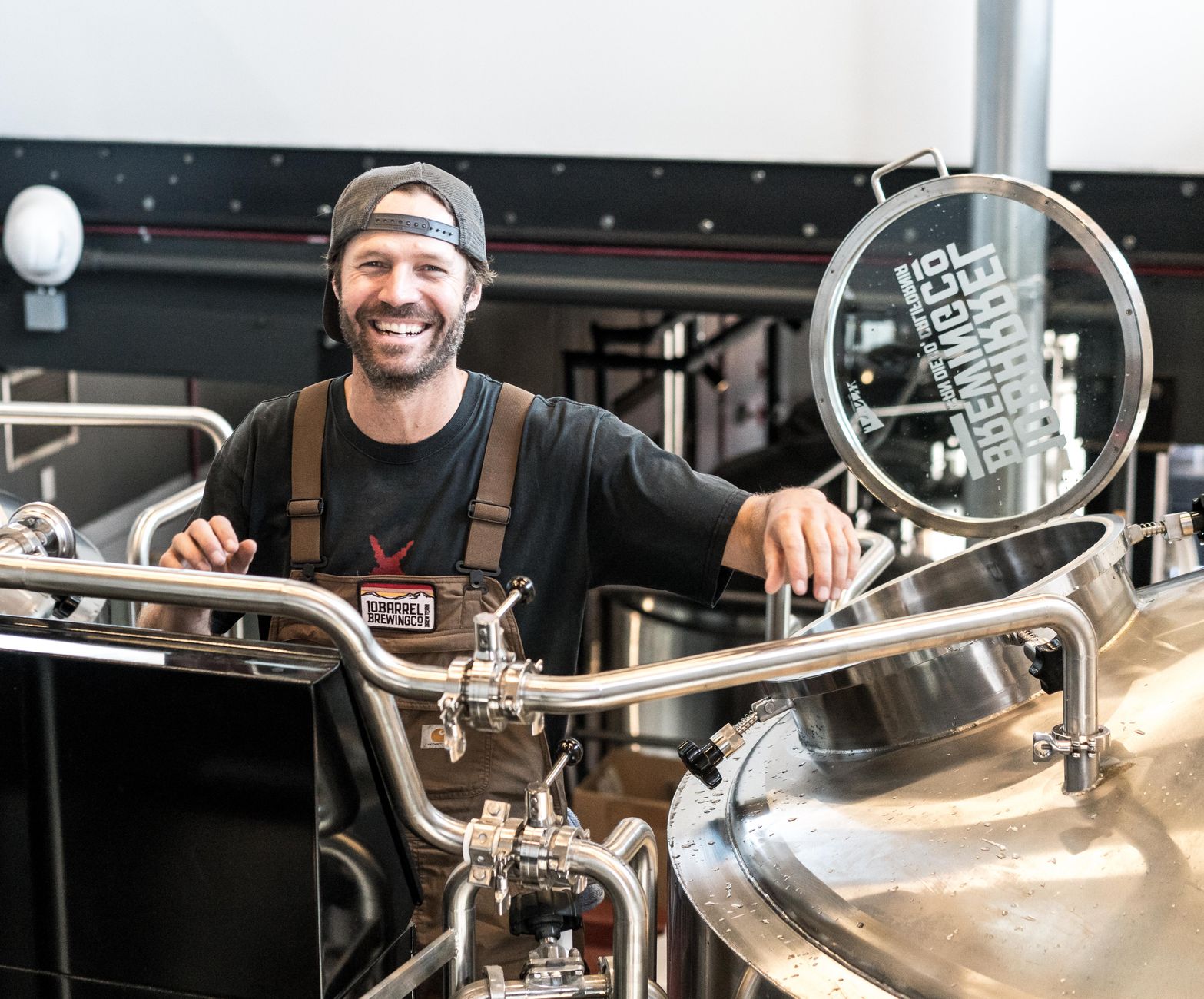
The robot is a floor tool, not a crew. A brewery with one still needs brewers, a cleaning lead who owns sanitation, and someone who can respond when a unit stops. The model we plan for is a robot plus a smaller team, never a building that runs with zero staff.
Labor context explains why. According to the US Bureau of Labor Statistics, janitors and building cleaners had 2,447,700 jobs in 2024. Projected employment change for 2024 to 2034 is 47,800, which BLS describes as slower than the average for all occupations, and the page projects about 351,300 openings per year, most of them from replacing workers who leave.
For a brewery, the practical point is that cleaning work involves constant replacement hiring, so a robot can cover recurring floor passes while your people focus on sanitation and production. Our technicians train the staff who run the unit, and we service it nationwide, so the team is never left to troubleshoot alone.
Where do the savings come from, and how big are they?
Savings come from hours returned to production, and the honest way to talk about them is in ranges from published cases. A 2023 case study of a US hospital network reported total manhours per night fell from 16 to 5 with two scrubbers. One environmental services lead quoted in that document said 8 hours were reallocated to other tasks. That is a vendor-reported result from a large building, not a promise for a brewery.
A grocery retailer's case study, published by a floor scrubber maker, reports 33,649 hours saved cumulatively across its stores in 2024. That is a multi-store total, so it does not translate to one site. A Canadian building cleaning contractor's case study reports a typical autonomous run time of 20 hours per week, with some weeks over 30 hours, which shows how much scheduled floor work a unit can carry in a week.
Your number comes from your floor: square footage, traffic, shift hours, and how many minutes per night your team spends on floor passes today. Ask for a site assessment and let the hours in your building set the expectation, not a case study from someone else's facility.
What can a floor cleaning robot not do?
It does not clean tanks, hoses, valves or floor drains that hold debris. Tank and piping cleaning needs hands on the equipment, and according to a craft brewing SOP guide, it should happen within 24 hours after emptying or use. A floor robot does not change that timing, so brewers keep that work on their list.
It does not handle spills it has not been routed to see. A spill from a dropped keg or a disconnected hose needs a person to stop it, contain it and mark the area. It also cannot climb steps or enter areas without a mapped route, so those spaces stay with staff.
It does not run itself forever. Batteries, sensors, brushes and squeegees need checks, and a stopped unit needs someone on site who can clear the path. That is why a robot plus a smaller team is the right planning assumption.
How do you get started with cleaning robots for breweries?
Start with a free site assessment. We walk the floor, measure the open areas, note traffic and drains, and recommend the right floor cleaning robot for the site. If one unit fits, we start with one leased unit and add more only after the first one proves itself.
Robots are leased through financing, and the fixed robot lease payment comes in the quote after the site assessment. Deployment and integration include mapping, route setup, staff training and go live support. Service is handled nationwide, including sites far from a major city.
After go live, the first weeks are the real test. Watch the schedule, check the floor each morning, and adjust routes and timing with your team. If the hours your brewers get back show up on your floor, you have the evidence you need for the next step.
Frequently asked questions
Want a cleaning robot at your brewery?
Tell us about your site. We will recommend the robot, quote the lease, and keep it serviced.
Sources
- Brewers Association 2025 production report (via news coverage)
- US Bureau of Labor Statistics, Occupational Outlook Handbook: Janitors and Building Cleaners
- 2023 case study, US hospital network floor scrubbing (vendor-published)
- Grocery retailer floor scrubbing case study, 2024 (vendor-published)
- Canadian building cleaning contractor case study (vendor-published)
- Floor scrubber vendor guidance on scrubbing frequency
- Craft brewing SOP guide, cellar cleaning timing
- European cleaning supplier blog on wet floors in breweries