
Key takeaways
- Casino floors are large, busy and open for long hours, so crew coverage alone often leaves gaps.
- A floor cleaning robot adds scheduled passes overnight and between shifts without replacing the crew.
- The best zones are open aisles, walkways, lounges and entries, and carpet is checked first.
- Savings come from hours, and the site assessment estimates them for your layout rather than promising a figure.
- Robots are leased through financing, and the payment comes in a quote after a free site assessment.
How can cleaning robots for casinos help a gaming floor?
Cleaning robots for casinos work best as added floor coverage, not as a replacement for the people who run the property. A gaming floor is large, open and busy for many hours, and a crew can only cover so much of it in a shift. A floor cleaning robot runs scheduled passes across the open aisles and walkways, including overnight and between shifts, so the floor gets more passes without waiting for a crew member to be free.
For an operator, the practical gain is closing the gap between how often a floor needs attention and how often the crew can reach it. The robot takes the repetitive coverage of large open areas, which leaves your staff free for spills, machine fronts, restrooms and guest needs. We are a US commercial robot integrator. We help casino operators pick the right floor cleaning robot for the site, lease it through financing, deploy and integrate it, train the staff and service it nationwide.
What makes cleaning a casino floor hard today?
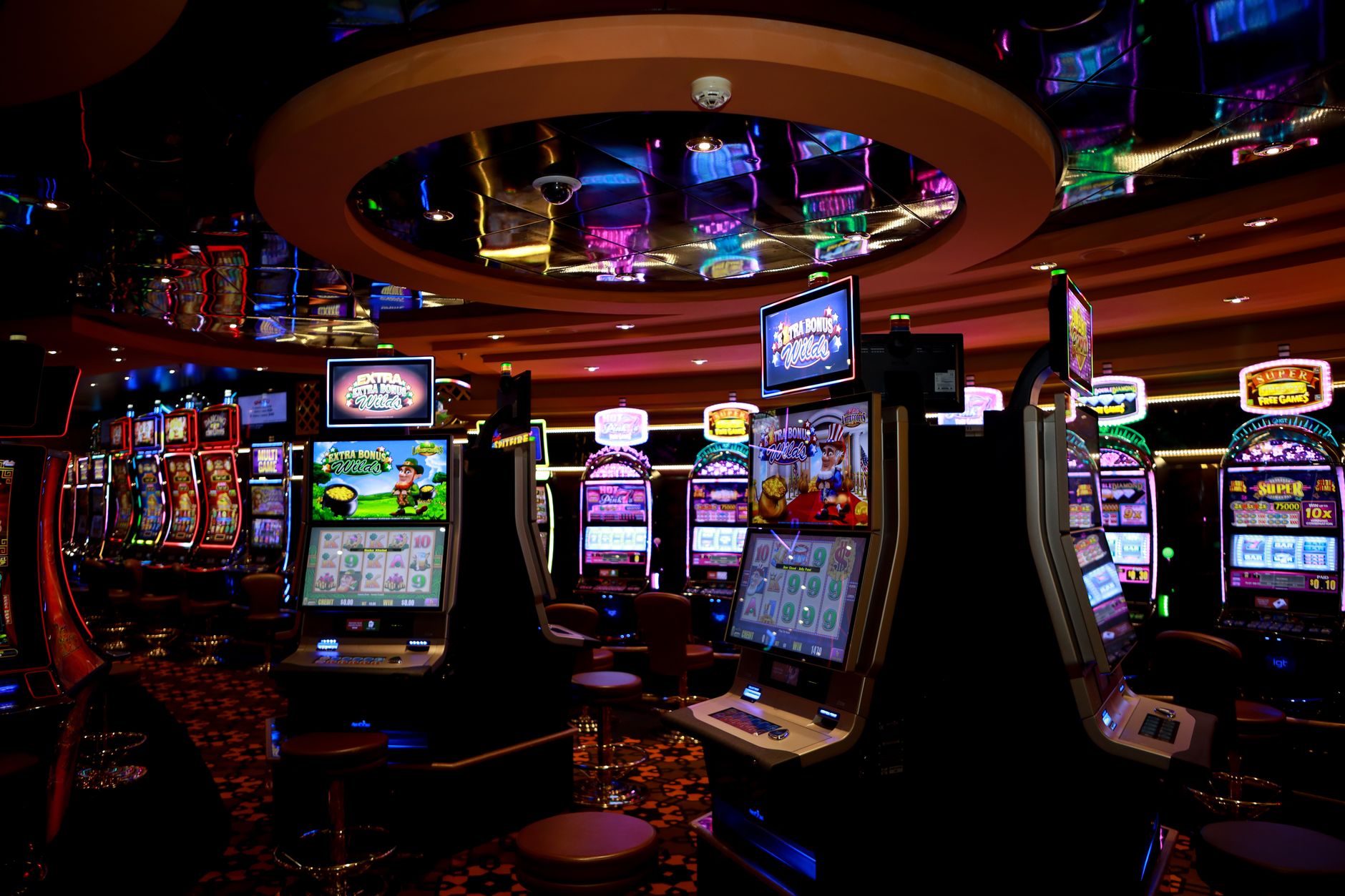
Casino floors take a lot of traffic. Guests walk the aisles all day and night, drinks get spilled near the table pits, and dust and debris settle into carpet and the spaces between machine banks. The floor is expected to look clean at the start of a shift and at the end of a long one, and that expectation does not pause when crew hours run short.
The scale of the sector is large. According to the American Gaming Association, there are 493 commercial casino locations in 27 states. Commercial gaming revenue grew 9.1 percent from 2024 to 2025, according to gaming industry news coverage of that association's data. More activity on those floors means more demand on the same small cleaning teams.
The labor side is tight too. The US Bureau of Labor Statistics projects employment of janitors and building cleaners to grow 2 percent from 2024 to 2034, which is slower than the average for all occupations. A slow-growing pool of cleaners makes crew hours a limited resource, and a fixed crew cannot be in every aisle at every hour.
Which benefits matter most for a casino operator?
The first benefit is consistency. A floor cleaning robot runs its route on a set schedule every day, so aisles and walkways are cleaned on a pattern instead of whenever a crew member gets to them. The floor is more predictable at the start of each shift, and that is what guests and supervisors notice first.
The second benefit is coverage at the hours when crews are thin. Overnight and between shifts, the robot can run its pass while staff handle the rest of the property. The morning floor starts from a cleaner position, and the crew arrives to finish the work that needs hands rather than the basic passes.
The third benefit is a usable record. A floor cleaning robot can log the areas it covered and the times it ran, so a manager can see whether a zone was done instead of relying on memory or a checklist. Cleaning robots for casinos also make it easier to hold one standard across a property with many zones.
How does the robot work on a gaming floor day to day?
Setup starts with a site assessment and mapping. We walk the property with your team, map the routes, and mark no-go areas such as cash handling points and temporary barriers. The schedule is then set around guest traffic, so the robot works the quiet hours and stays out of the way during peaks.
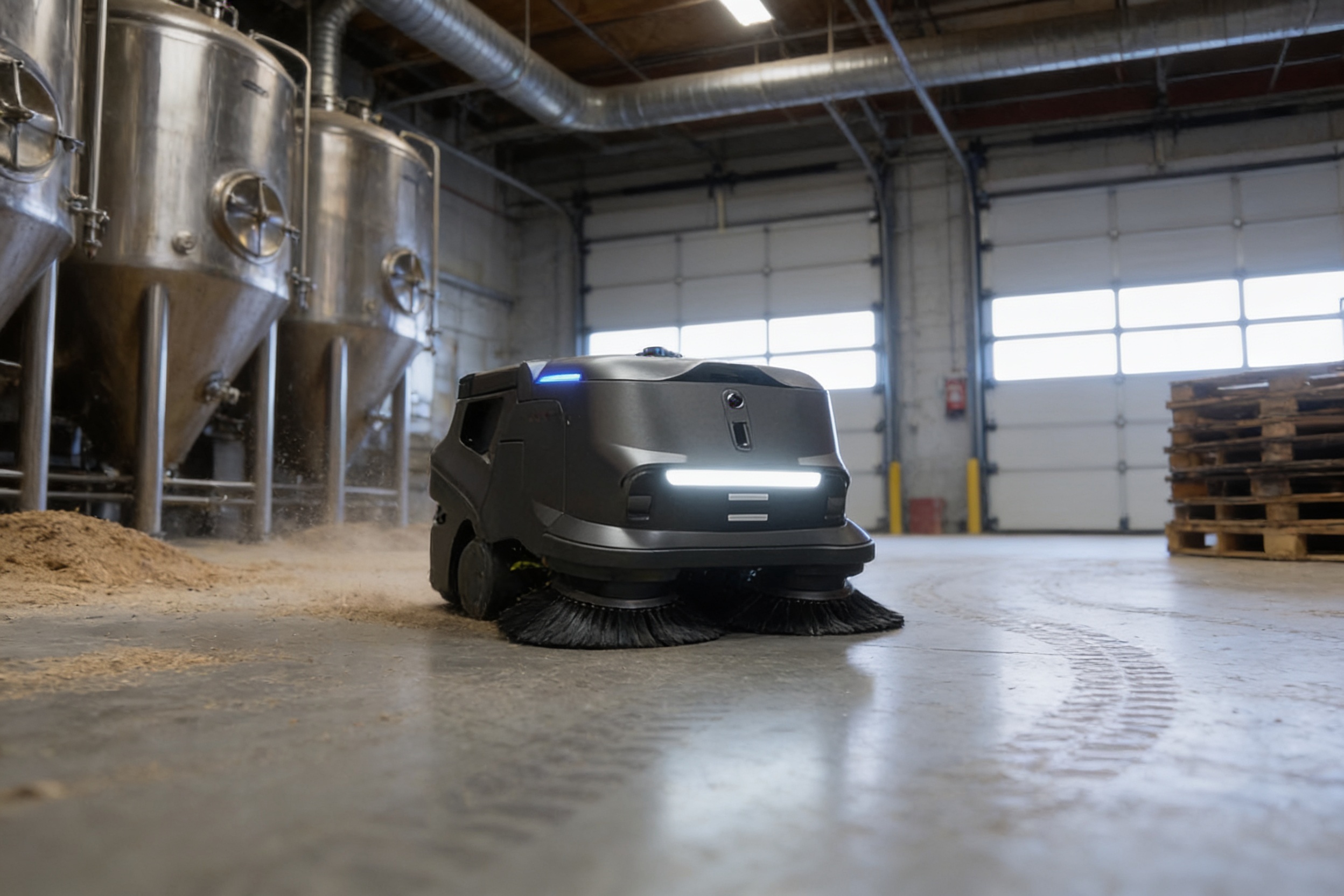
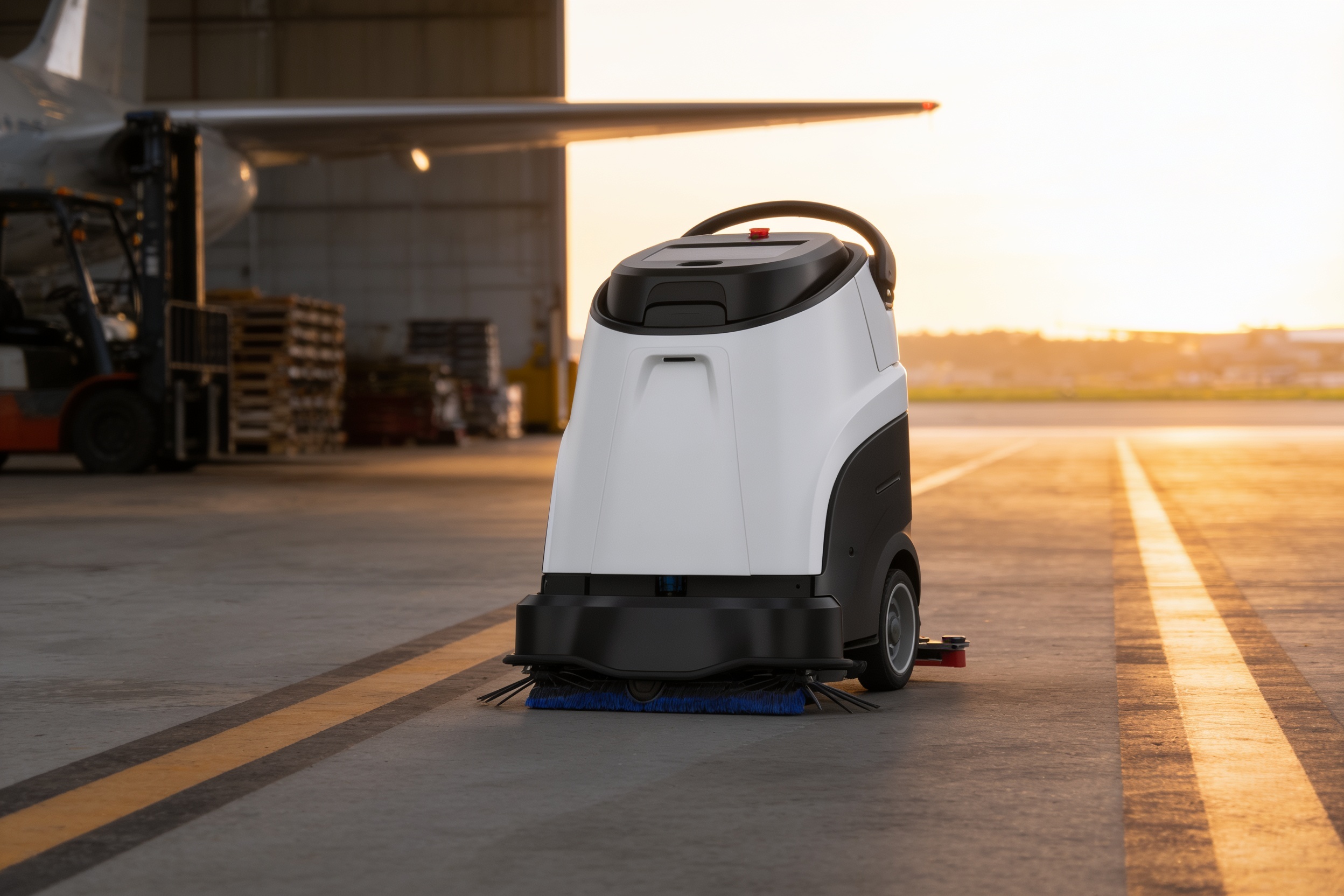
Day to day, the robot follows its route, uses its sensors to avoid guests, carts and furniture, and returns to its dock to charge. Staff check its log at shift change, clear any route that was blocked, and handle the spill or debris it flagged. The robot does not judge what needs attention beyond its route, so the team's review stays part of the job.
Which areas of the property does the robot cover?
The robot works best on open areas with a clear route and planned traffic. Most of the value sits in the zones below, though the right mix depends on the property layout and the floor surfaces.
Carpet needs attention first. Many gaming floors use carpet, and a floor cleaning robot is built for particular surfaces, so the surface check happens during the site assessment before any zone is promised.
Floor size is also easy to misread. WorldAtlas cautions that a published square footage for a casino may mean only the gaming floor, or it may include malls, ballrooms and garages. Ask which measurement is being used before comparing properties, so the coverage plan matches the area the robot will actually run.
How does a robot work alongside existing staff?

The robot does not work alone and does not replace the whole crew. A casino still needs people on the floor for spills, fixture cleaning, restrooms, guest needs and the judgment calls a machine cannot make. The robot covers the repetitive passes, so the team's hours go to work that needs hands and attention.
Most operators keep a smaller cleaning team alongside the robot. A supervisor owns the schedule and the log, and the crew takes the high-touch tasks. Staff learn how to read the log, clear a stopped route, and report a unit that needs service, and we cover that training during deployment.
Planning the robot and the team together from the start keeps the two layers from drifting apart. The robot provides regular coverage, the people provide the response, and a casino needs both on every shift.
What drives the savings, and what do the numbers show?
Savings come from hours: the crew time spent on repetitive floor passes, and the open hours when a shift is short. No casino-specific figure for autonomous floor cleaner hours was verified for this page, so the examples below come from other large floors. They are vendor-reported and should be read as direction, not as a forecast for your property.
According to an airport case study from a floor scrubber maker, a floor scrubbing robot saves the cleaning team around 3 hours every day. A hospital network case study reports that daily scrubbing hours fell from 16 to 5. A grocery retailer case study reports 33,649 hours saved across its stores in 2024, a total spread over many sites.
Your own hours depend on floor size, route length, schedule and surface. We estimate those hours during the site assessment, using your actual layout and the time your crew spends on the passes the robot would take over.
What can a floor cleaning robot not do?
A floor cleaning robot is a tool for repeated coverage on suitable surfaces. It has real limits, and a good plan works around them.
Plan for these limits from the start. Staff keep responsibility for the things a route cannot see, and the log is only as useful as the person who reads it at shift change.
- Spills, broken glass and other hazards need a trained person, not a floor pass.
- It does not clean restrooms, slot machine fronts, railings or other fixtures.
- It may not suit every surface, so carpet and thresholds are checked before deployment.
- It cannot replace a staff member for guest needs, judgment calls or security duties.
- A blocked aisle, displaced cart or temporary display can stop a pass until someone clears it.
How do you get started with a lease?
Start with a free site assessment. We walk the property, measure the areas that matter, check floor surfaces, and identify routes and no-go zones. The result is a recommendation for the right floor cleaning robot and a plan for the coverage it would take over.
We lease robots through financing, so the arrangement does not depend on a large upfront commitment. The payment comes in a quote after the site assessment, based on the robot, the zones covered and the service the site needs.
Many operators begin with one unit on a few zones, review the logs and crew feedback over the first weeks, and then decide whether to expand. Deployment includes integration, staff training and go live support, and service covers on-site dispatch nationwide.
Frequently asked questions
Want a cleaning robot at your casino?
Tell us about your site. We will recommend the robot, quote the lease, and keep it serviced.
Sources
- American Gaming Association, State of the States 2026
- Gaming industry news coverage of 2025 commercial gaming revenue
- US Bureau of Labor Statistics, Janitors and Building Cleaners
- Airport floor scrubbing robot case study
- Hospital network floor scrubbing case study
- Grocery retailer floor scrubbing case study
- WorldAtlas, biggest casinos in the world