
Key takeaways
- Floor cleaning between crop runs is scheduled work that suits set robot routes.
- A floor cleaning robot repeats the same passes, so staff can focus on grow work and sanitation checks.
- Savings come from hours shifted off staff, and published case figures are a guide, not a promise.
- The robot must meet the facility's own hygiene rules and does not replace sanitation judgment.
- Start with a free site assessment, then get a lease quote through financing.
Can cleaning robots for cannabis cultivation facilities take over floor work?
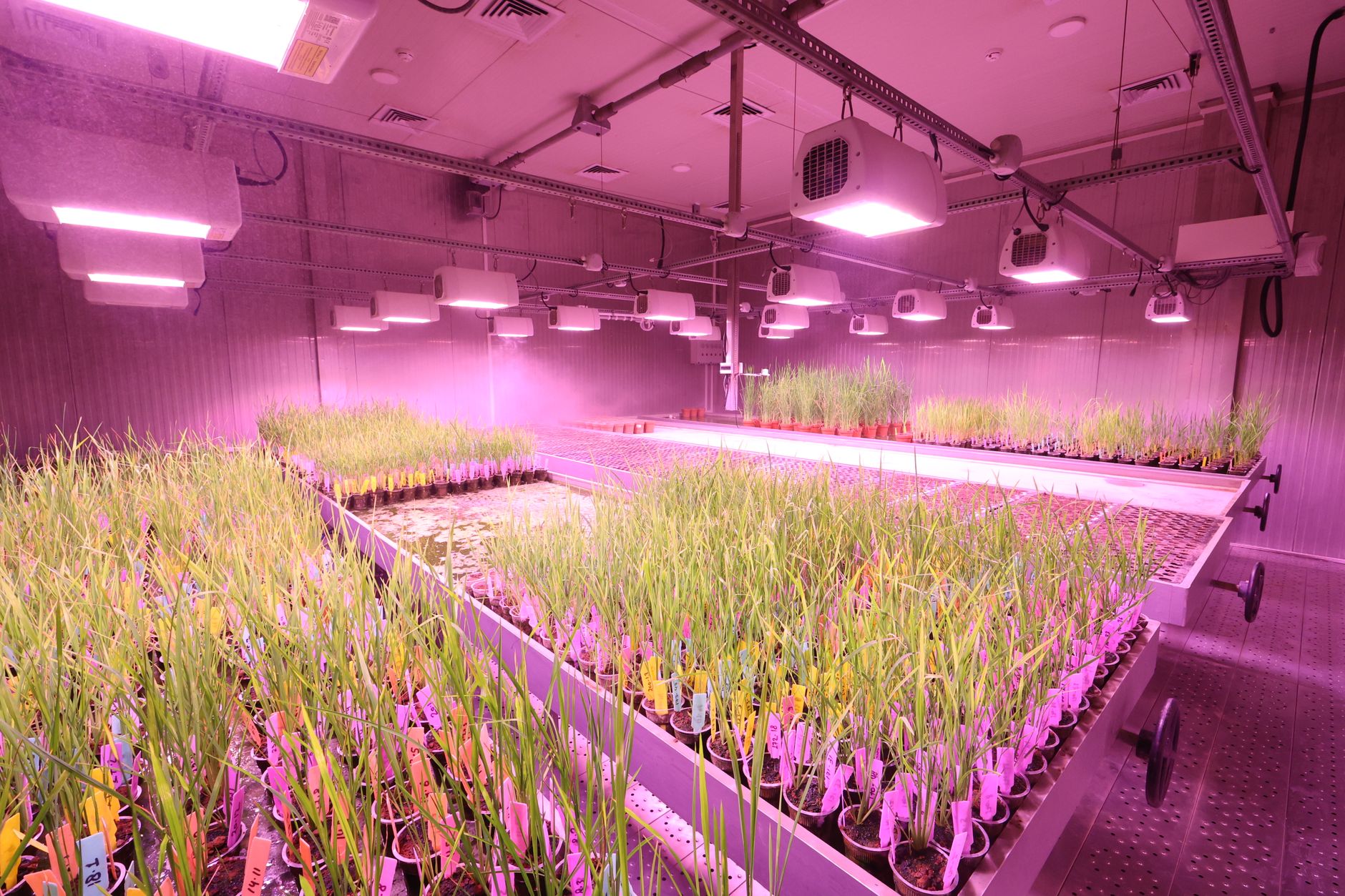
Cleaning robots for cannabis cultivation facilities take over the repeat floor work that has to happen between production runs. In most grows, the hard floors in support areas, processing rooms and corridors get cleaned on a schedule, and that schedule takes staff hours away from the plants. A floor cleaning robot follows set routes on those hard floors, usually during quiet hours, and leaves the crew free for work that needs a person.
The robot does not set the standard for clean. The facility's hygiene rules, its written procedures and its sanitation plan still decide what clean means, and the robot has to meet them. Its value is consistency: each route runs the same way, in the same order, at each turnover.
The sections below cover the problem at these sites, the main benefits, how the robot works day to day, which areas it covers, how it fits with existing staff, what drives the savings, what it cannot do, and how to start.
What floor cleaning problem do these facilities face today?
The ASTM D8219-19 standard, which covers cleaning and disinfection at a cannabis cultivation center, lists cleaning and disinfection as scheduled maintenance. Weekly floor cleaning is one example it gives. It also names cleaning before filling dry and cure spaces as a specific event, so floor work recurs on a calendar and again at each changeover.
A cannabis industry article describes starting floor cleaning farthest from the exit and working top-down and side to side, so particulates are removed rather than pushed back. The same article notes that many growers clean between crop cycles and after major plant maintenance events. Those are the moments when the crew has the least spare time.
I found no numeric U.S. rule for how often floors must be cleaned between runs. State cultivation rules and each facility's standard operating procedures set that number, so check them before you fix a routine.
Staffing is the other pressure. According to the U.S. Bureau of Labor Statistics, janitors and building cleaners had about 2.4 million jobs in 2024, with about 351,300 openings projected each year on average over the decade, including replacement needs. Employment is projected to grow 2 percent from 2024 to 2034, slower than the average for all occupations, so many of those openings come from replacement. The floor schedule therefore depends on a labor pool that is mostly replacing itself.
Sector size is a useful backdrop for planning. According to a cannabis trade newsletter's Q2 2025 recap, there were 18,164 active cultivation licenses nationwide, down from 18,218 at the end of Q1 2025. Licenses do not map one to one to facilities, and that count excludes Oklahoma cultivation renewals, so treat it as a sector signal rather than a facility count.

What are the main benefits for the operator?
The first benefit is repeatability. A robot runs the same route, in the same order, with the same coverage each time. For a facility that needs a consistent floor record between runs, that matters as much as speed. Staff can check whether a route finished, which is simpler than relying on memory.
The second is timing. Scheduled routes can run during quiet hours, so floor passes stop competing with the work on the grow floor during the day. Staff are not pulled from production to push equipment across the same hard floors.
The third is hours. Floor passes that used to be spread across shifts can move into a fixed block, and crew time goes to inspection, spill response and the sanitation tasks only people can do. These gains are real, but their size depends on the area covered and how many passes the schedule demands.
How does the robot work there day to day?
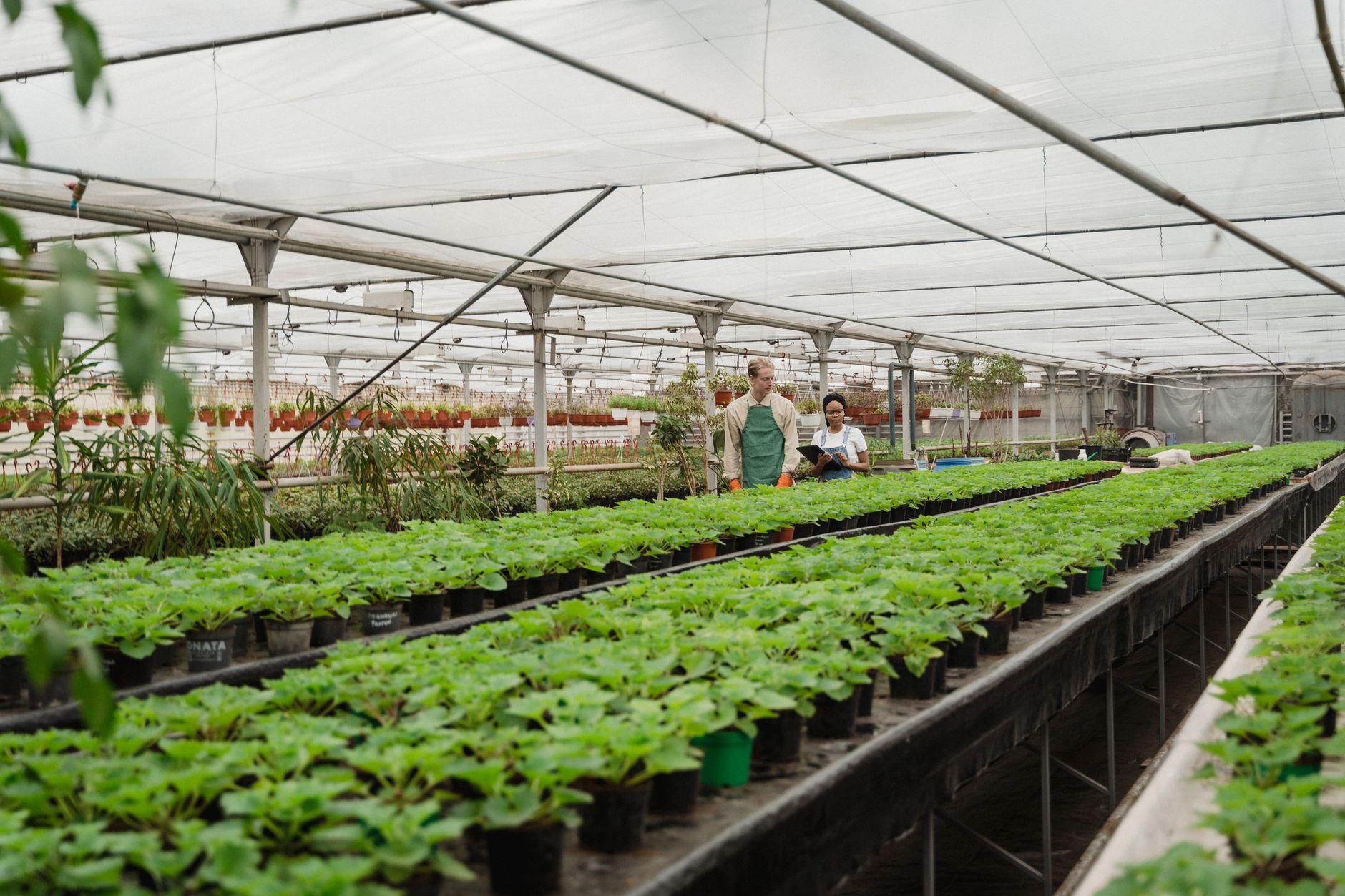
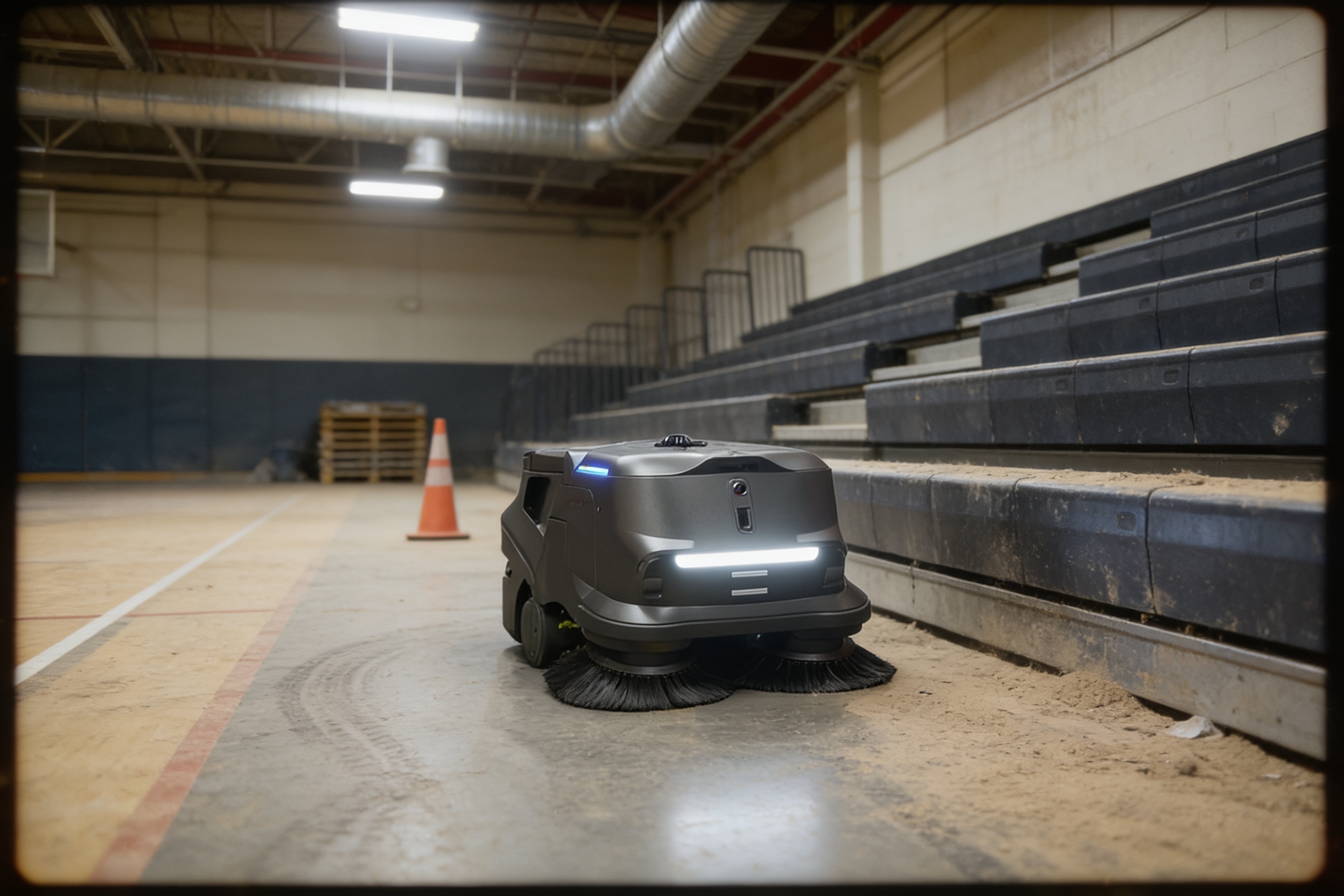
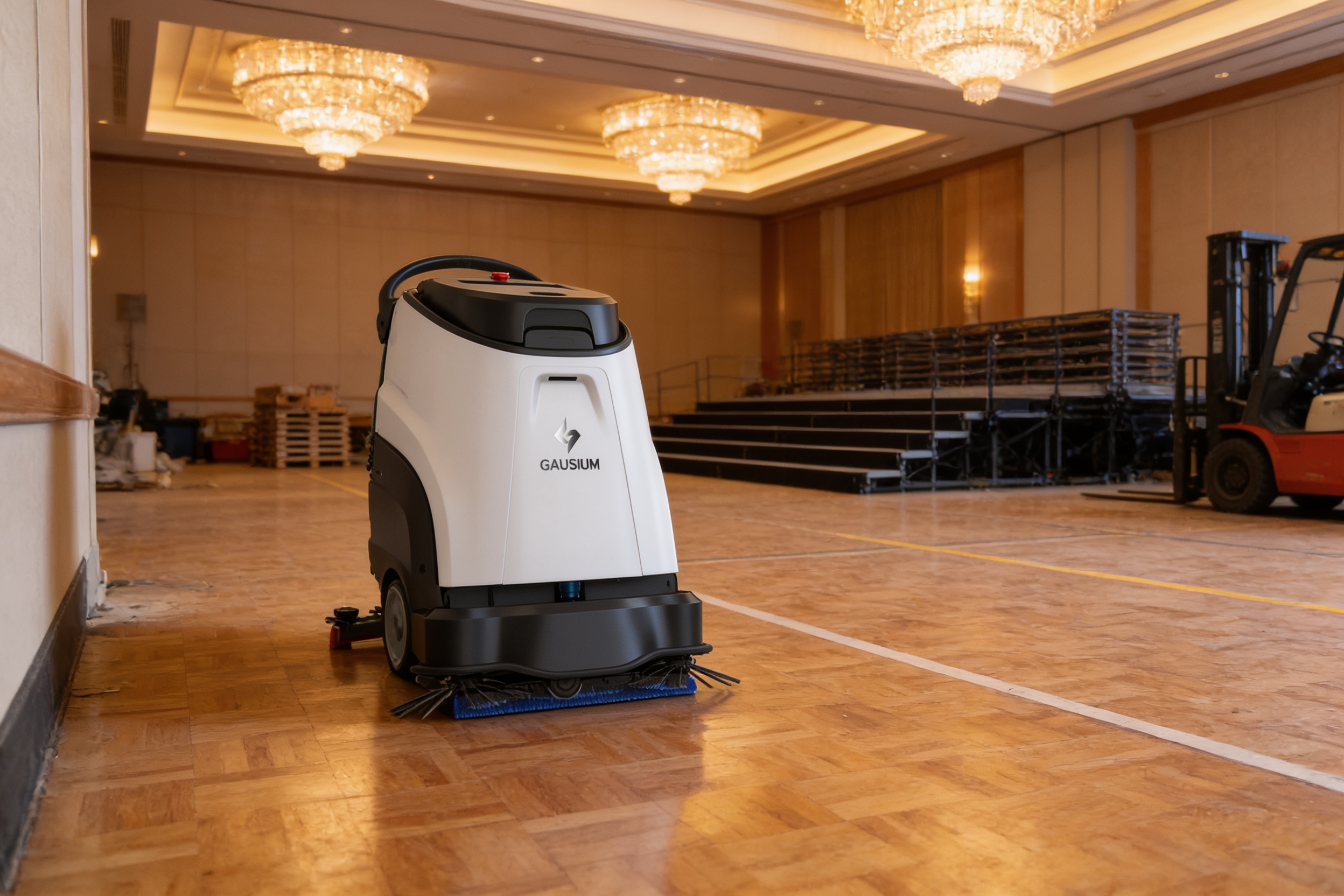
Before the first run, the robot is mapped against your floor plan and the route is set with your team. Routes can be sequenced from the farthest point back toward the exit, following the sequence described above. Staff confirm speeds, keep-out zones around plant carts, drains and equipment, and any spots where the robot should stop and wait.
On a normal day, the robot runs its scheduled routes, returns to its charging dock and reports completion. A cleaning contractor in Ottawa, Canada, described in a case study published by a cleaning equipment maker, reports about 20 hours per week of autonomous cleaning, some weeks over 30, with 99.2% of runtime in autonomous mode. That figure is runtime, not labor saved, but it shows how much of a scrubber's week can run without an operator.
Expect a start-up period. The first weeks go to mapping checks and route tuning, and staff should watch the early runs closely, especially around doorways, drains and anything that moves on the floor.
Which areas of the facility does the robot cover?
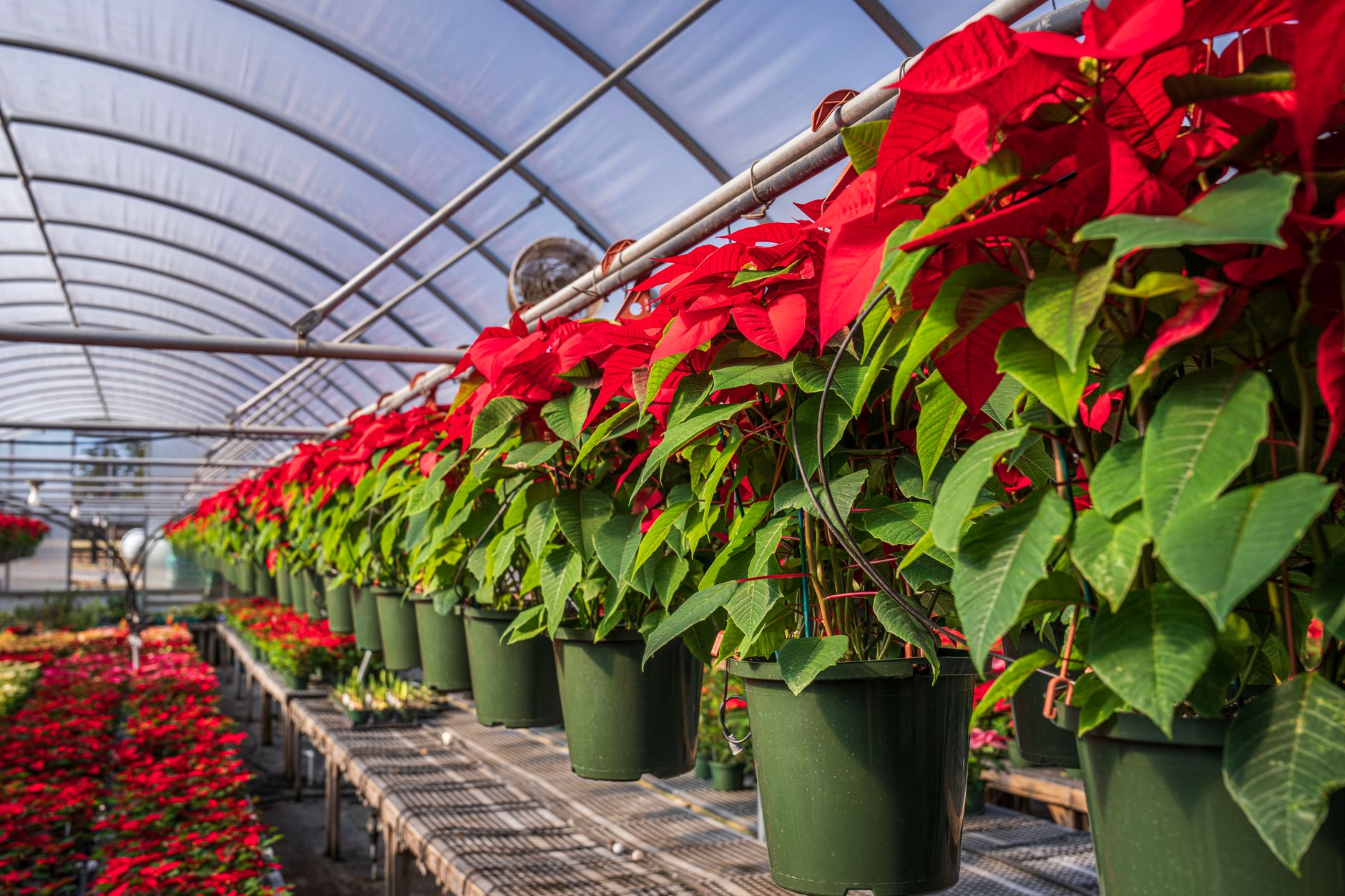
The robot works on hard floors in the support and processing areas. It is not the tool for every surface. Soft floors, raised grates and wet process pads need a separate plan, and staff should confirm the unit's floor ratings before any route goes live.
Think of the robot as the tool for repeatable floor passes, with staff handling detail work and the spaces that still need hand cleaning. The six areas below are where routes most often make sense.
How does the robot work alongside existing staff?
The robot takes the repeat passes, but it does not run the room. A cultivation facility still needs people to make sanitation decisions, check drains and corners, handle spills, and do the cleaning a floor machine cannot reach. The right setup is a robot plus a smaller team that gets its hours back, never a site with zero staff.
Staff roles change more than they disappear. Someone checks each route when it finishes. Someone owns the schedule and keeps the map up to date when rooms change. Someone responds when the unit stops or meets an obstacle it cannot clear. Name these owners before go live, so nobody assumes the robot is handling them.
What drives the savings in hours and labor?
Savings come from hours moved off staff, and the honest way to measure them is in hours. The figures below come from other sites, not grow facilities, so treat them as a sense of scale and test your own numbers during the site assessment.
A U.S. hospital case study, published by a robot maker and dated 2023, reports that two floor technicians spent 16+ hours a night on a 50,000 sq ft area. With two scrubbers, the total dropped to about 5 manhours per night, and the floorcare team went from three people to two.
A warehouse case reported in supply chain trade press says a Canadian warehouse operator's floor scrubbing robot saved more than 300 hours of labor from summer 2020 to April 2021, while cleaning about 3.5 million sq ft, compared with conventional methods.
Turnover is the other side of the ledger. According to a cleaning industry trade publication citing a 2019 BSCAI finding, employees leave contract cleaning firms at 3.6 times the national average rate. A scheduled route does not call in sick, so a missed shift has less effect on the floor work.
What can the robot not do?
The robot is not a sanitation program. It cleans the floors it can reach on the routes you set. It will not disinfect equipment, clean walls and ceilings, manually clean drains that need hands on them, or decide when a room is ready for a crop. Any step that needs a trained person's eyes and judgment stays with staff.
It also has physical limits. Soft floors, raised grates, uneven thresholds and sticky spills can stop it. Carts, hoses and loose items on the floor have to be cleared before a run. When the unit is out of service, its route goes undone, so plan a manual fallback for those days.
How do you get started with a robot lease?
Start with a free site assessment. We map the floors you want covered, check your hygiene rules and standard operating procedures, and identify doorways, drains and surfaces that need attention. We pick the robot that fits the site. The robot is leased through financing, and the payment comes in the quote after that assessment, so the lease is quoted after a site assessment, never before.
Many operators of cleaning robots for cannabis cultivation facilities start with one leased unit on one set of routes, then add coverage once those routes are proven. We handle deployment and integration with your schedule, provide go-live support, and train staff on the checks the crew still owns. Service covers the whole country, so a unit far from our offices gets the same support as one nearby.
Bring your standard operating procedures, a current floor plan and your cleaning schedule to the first call. Those three documents let us tell you early whether routes fit the floors, and which parts of the job will stay with your team.
Frequently asked questions
Want a cleaning robot at your cannabis cultivation facility?
Tell us about your site. We will recommend the robot, quote the lease, and keep it serviced.
Sources
- U.S. Bureau of Labor Statistics, Occupational Outlook Handbook: Janitors and Building Cleaners
- ASTM D8219-19, Standard Guide for Cleaning and Disinfection at a Cannabis Cultivation Center
- Cannabis industry article on floor cleaning sequence and crop cycle cleaning
- U.S. hospital floor scrubber case study, 2023 (vendor-published)
- Ottawa building cleaning contractor case study (vendor-published)
- Supply chain trade press article on a floor scrubbing robot in a warehouse
- Cleaning industry trade article citing a 2019 BSCAI finding on contract cleaning turnover
- Cannabis cultivation licensing recap, Q2 2025 (trade newsletter)