
Key takeaways
- Cleaning robots for roller rinks take over the repeated floor pass that follows every session.
- The gap between sessions is the operating window the robot has to fit.
- Reported hours saved come from vendor case studies on other floors, so test them on yours.
- A robot plus a smaller team is the model, and staff stay on site.
- Start with a free site assessment, then a lease quote through financing.
How can cleaning robots for roller rinks help between sessions?
Cleaning robots for roller rinks take on the floor pass that comes around after every session. Skaters leave wheel dust, small debris and the occasional wet spot across a large skating surface, and someone has to clear it before the next group steps on. A floor cleaning robot can run that pass during the gap, so staff time goes to the guest-facing and safety work that only people can do.
The benefit is strongest where the floor is large and the turnaround is tight. A rink that turns its floor several times a day repeats the same sweep again and again. A robot running a mapped route makes that pass the same way each time, which helps when the floor has to be ready on schedule.
We need to be straight about the evidence. We found no independent study of an autonomous robot cleaning a roller rink between sessions. The closest rink case is a parks district that moved an inline hockey rink from dry mopping to a ride-on sweeper, and most of the hour figures on this page come from other kinds of floors. Treat this as a starting point for a site conversation, not a promise.
What does floor care look like at a roller rink today?
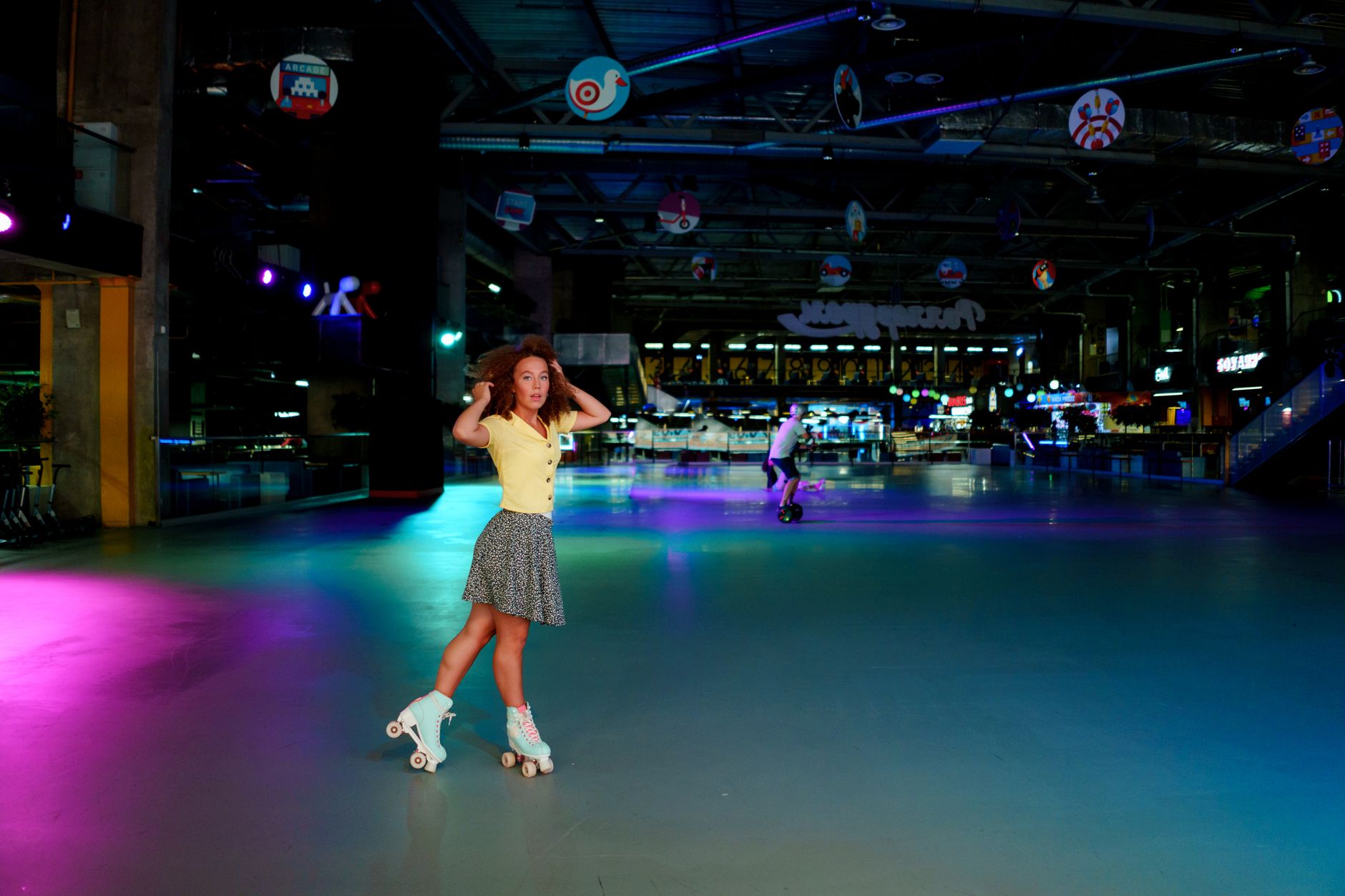
Most roller rinks clean with people and manual or ride equipment. Between sessions a crew sweeps, mops and checks the edges, often inside a short window while lights and music change over. The skating surface is smooth and wide, so small debris moves easily and wheels grind it into fine dust that spreads back out.
The task is repetitive, and it lands at the worst time. Closing crews also carry the counter, the skate area, the restrooms and the lobby. When the floor runs long, the next session starts late or a pass gets skipped. Either way, the rink depends on the same few people for a long, low-skill job.
The rink business is also under pressure, so the floor has to earn its keep. According to the Roller Skating Association, as reported by the Atlanta Journal-Constitution in August 2025, there are about 1,125 rinks in the US. That is down 10% from 1,250 before the pandemic and from more than 2,000 in the 1980s, and the report ties closures to zoning limits, financing problems and building work.
What are the main benefits for the operator?
The first benefit is time. A repeated floor pass moves from staff to a machine that runs in the gap, and the crew keeps the edges, the transitions and the guest areas. Those are the places where a person still does the work better than a machine on its own.
The second benefit is consistency. A mapped route runs the same way each session, so the floor meets the same standard at the end of the night as it did at the start. That helps scheduling, because the floor is ready when the next group arrives rather than when the closing crew gets to it.
The third benefit is oversight without standing on the floor. The robot reports on its run and returns to charge, so a supervisor reads the report instead of walking every pass. This is a reason to keep a person close by, not a reason to leave the building unattended.
How does a floor cleaning robot work at a rink day to day?
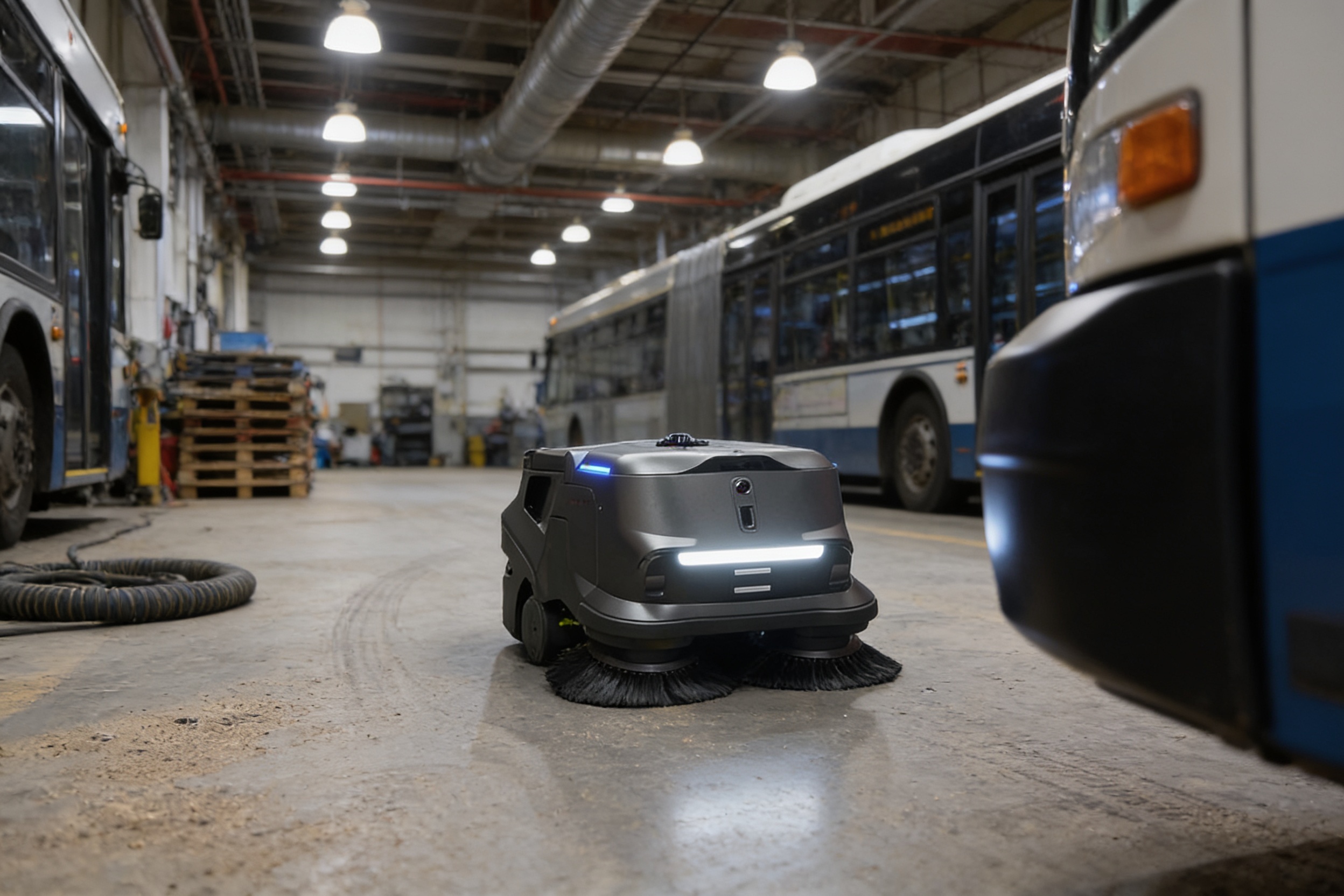
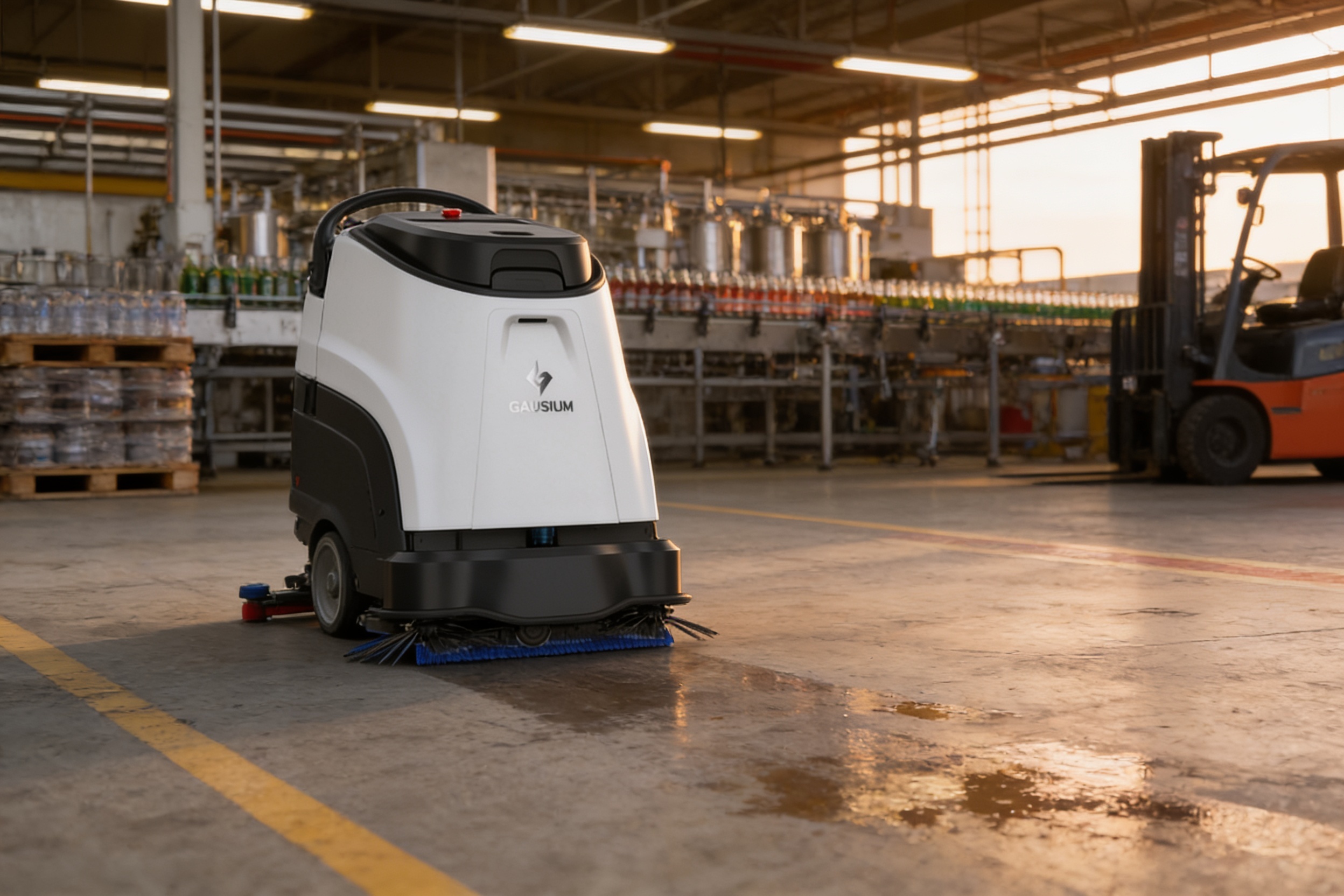
A floor cleaning robot works from a map. Before it runs, a site assessment records the skating floor, the perimeter, the thresholds and the doors, and sets the routes it can use. Staff then mark no-go areas, such as loose mats, cones or equipment left on the floor.
The gap between sessions is the operating window. The robot needs time to run its route and return to a charging spot, so the rink has to plan the gap around the floor pass rather than around the closing schedule. Vendor guidance for rink floors says the robot must handle skate-wheel debris and small pieces on the surface, and must run and charge in that same gap.
Fast turnarounds need a plan for the dock too. Some vendors describe an automatic docking station for water exchange and charging between events, but that claim is undated and comes from a vendor page, so we confirm the dock position and turnaround time during the site visit rather than assume them.
Which areas of the rink can the robot cover?
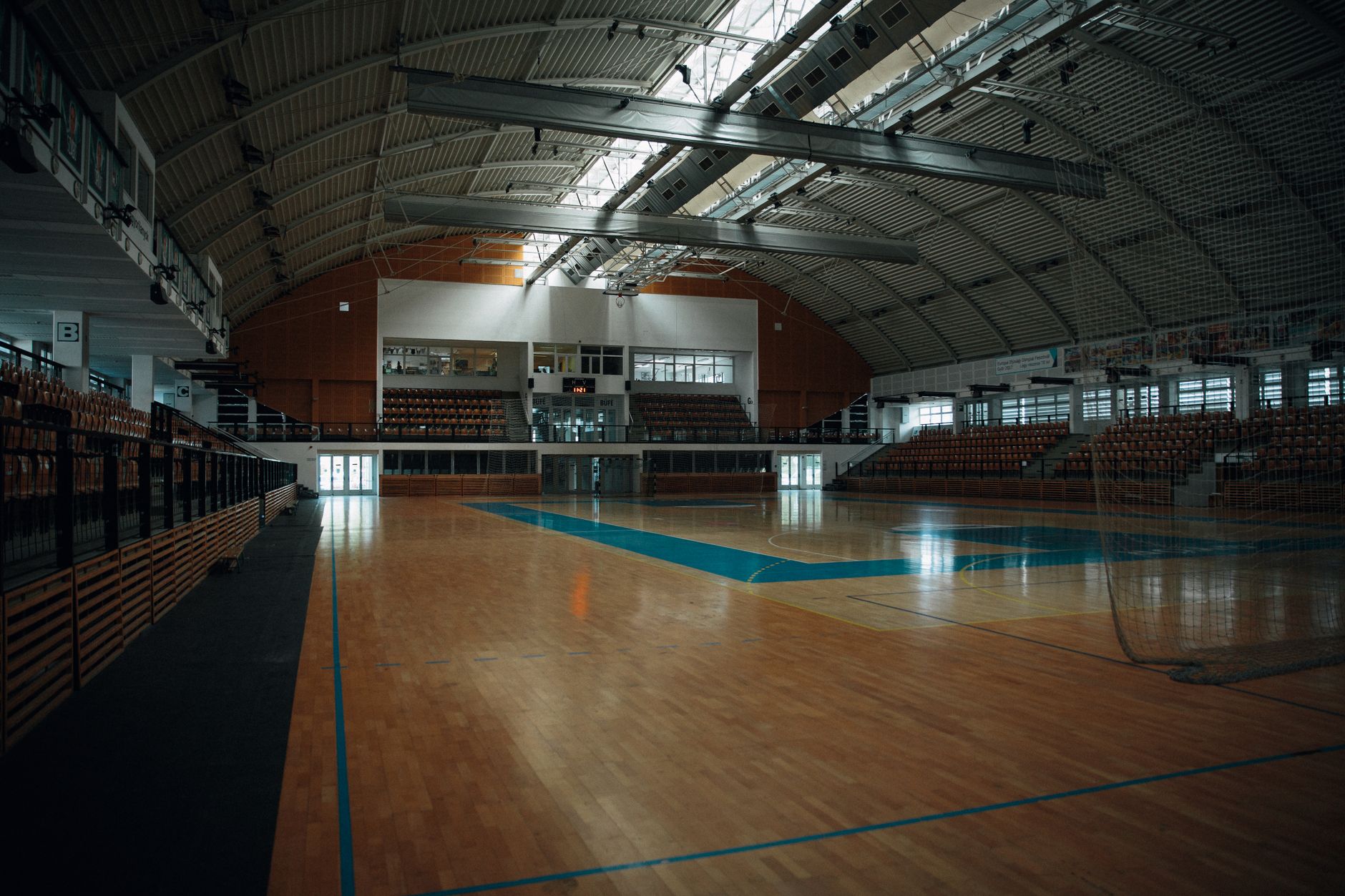
The robot earns its place on large, open, hard floors. The skating surface is the main job. The areas around it matter too, because they carry the same debris onto the rink, and a clean route through them keeps the skating surface clean for longer.
The robot does not cover everything. Carpet, stairs, raised thresholds, ramps and furniture stay with staff. The zones below show where the robot fits best and where people still do the work.
Can a robot and a smaller team cover the floor?

Yes, and a robot plus a smaller team is the model we recommend. The robot takes the repeated pass, while staff handle the closing tasks, the edges and any faults. People walk the floor before and after every run, so the site is never left with zero staff.
The savings show up in hours, and the numbers come from other floors. In one hospital network, according to a 2023 vendor-published case study, two floor scrubbers cut total floor care from 16 to 5 person-hours per night, and one employee said the team could reallocate 8 hours to other tasks. Those are vendor-reported figures for a larger building, so use them as a range to test, not a forecast.
A warehouse case points the same way at a larger scale. According to a Modern Materials Handling article on one site, the robots cleaned just over 3.5 million square feet over roughly ten months and saved more than 300 labor hours compared with conventional cleaning. The article describes a single site with vendor support, so it shows what is possible, not what any rink will see.
What drives the hours saved, and what is only runtime?
Hours saved depend on the size of the skating floor, how often the floor turns over, how long the sweep takes today and how the gap is scheduled. A large floor with many turnovers gives the robot more repeated work to take on, while a small floor with a long gap may not change the crew plan at all.
Some case studies report machine runtime rather than labor saved. According to one cleaning company case study, an autonomous floor machine ran a typical 20 hours per week, with some weeks over 30 hours. Runtime shows how much work the machine can take, but it is not the same as hours returned to staff, so we measure both at your site.
Multi-site figures show the scale of the effect. According to a grocery chain case study published by a floor cleaning equipment maker, the chain saved 33,649 hours cumulatively across its stores in 2024. A Singapore public-sector project reported a 57% cut in one mopping task, from 35 to 15 minutes. These are vendor or single-task figures, not a rink benchmark.
What can the robot not do?
The robot cannot clean everything on a rink. It does not handle carpet, stairs or raised thresholds, and it needs a clear, mapped route. It cannot deal with a spill near the snack area, a skater who has fallen or a broken wheel stuck in the floor, and those still need a person right away.
It also cannot skip the setup. Mats, equipment, cones and loose items must be moved before the run, and staff do that each night. Surface condition matters as well, since a cracked, rough or heavily worn floor may need repair before a robot can run it well.
The robot can also stop. It may pause for an obstacle or report a fault, which is why a person stays on site and checks the report. Service is part of the arrangement, and we set the response plan during start-up, before the first session on the new floor.
How do we get started?
Start with a free site assessment. We map the skating floor and the surrounding areas, check the surface and the debris, measure the gap between sessions and confirm where a charging spot can go. That assessment is what lets us size the robot to the floor and the schedule.
Robots are only leased, through financing. We pick the robot for your site, arrange the lease, deploy and integrate it, train your staff and service it nationwide. The payment comes in the quote after the site assessment, so you see the full picture before you decide.
Many operators begin with one leased unit on a single floor and a short pilot, then decide from measured hours. We set the training and go-live support around your closing crew, so the first sessions run with people who know the route. If the floor is a fit, the same plan can grow to more floors later.
Frequently asked questions
Want a cleaning robot at your roller rink?
Tell us about your site. We will recommend the robot, quote the lease, and keep it serviced.
Sources
- Atlanta Journal-Constitution, reporting Roller Skating Association figures
- Bureau of Labor Statistics, Occupational Outlook Handbook
- Hospital network floor scrubber case study (2023, vendor-published)
- Modern Materials Handling, warehouse floor scrubbing article
- Grocery chain floor robot case study (vendor-published)
- Cleaning company autonomous machine case study (vendor-published)
- Singapore public-sector autonomous robotics project page
- Parks district rink sweeper case study (vendor site)