
Key takeaways
- Arena turnarounds are fixed-window jobs, and the wide hard floors are among the most repeatable hours.
- A floor cleaning robot runs set routes after the building empties while staff handle trash, seats and spills.
- The robot works alongside your crew, so you still need a team on site for every event.
- Savings come from hours moved off the crew, and the size depends on your own floors and schedule.
- The lease is quoted after a free site assessment, and the payment comes in that quote.
Can cleaning robots for indoor arenas shorten event turnarounds?
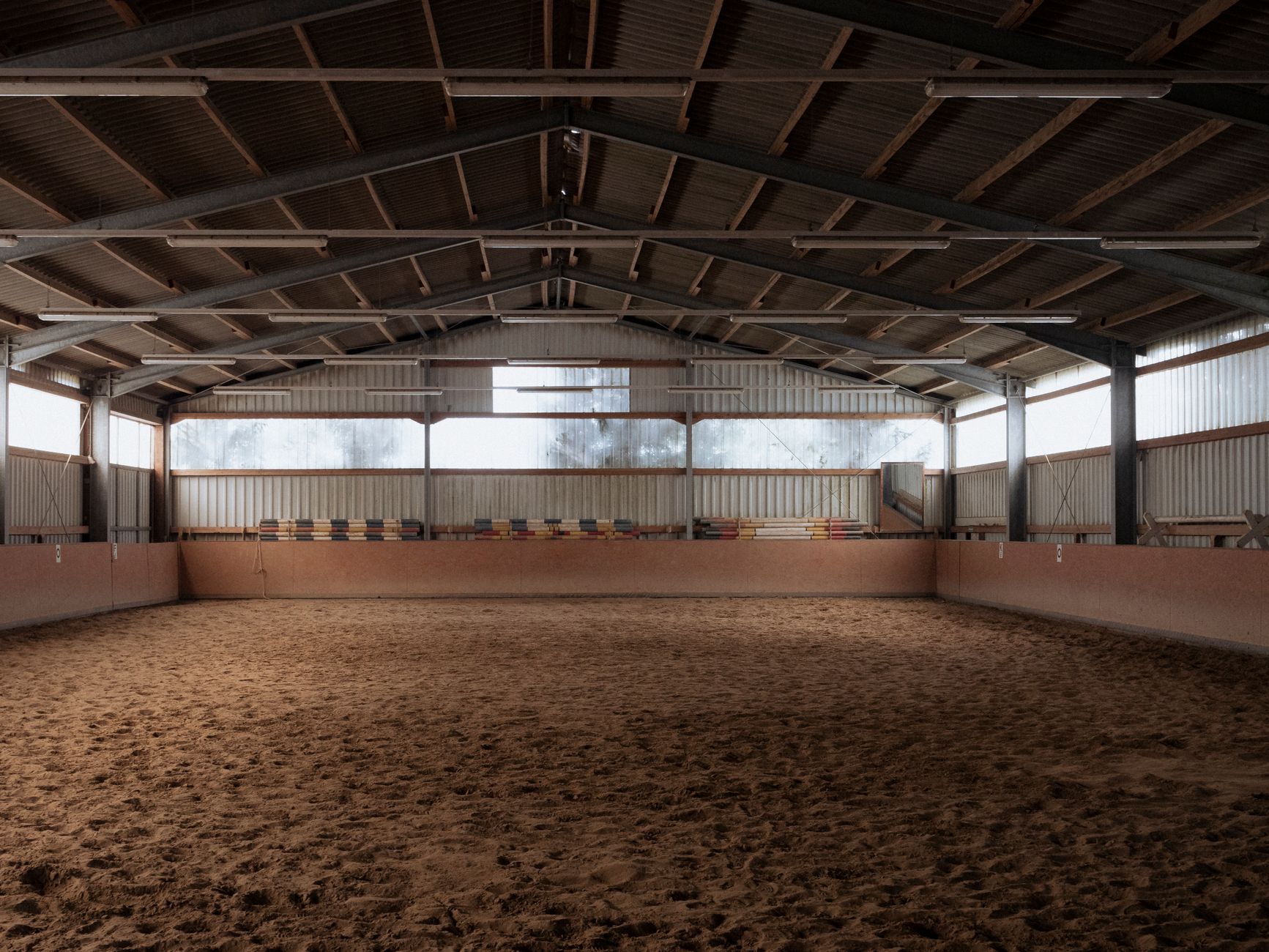
Yes, on the parts of the job that are wide, hard and repetitive. Cleaning robots for indoor arenas are most useful on the large hard floors that take hours to clean between events, such as concourses, corridors, club lounges and open floor areas. An autonomous floor scrubber can run a set route after the building empties, so the crew spends its hours on the parts of the job that need a person.
The robot does not clear an arena on its own. It takes the long, even passes that tie up people for hours, while staff handle trash, seats, restrooms, sticky spills and anything that changes the route. That split is what makes the work workable in a building where the schedule shifts from one event to the next.
The practical questions are how long your turnaround window is and whether your floors are mapped and clear of obstacles. A free site assessment answers both. The rest of this page explains what the work looks like, where the robot works, and what the savings depend on.
What does post-event cleaning look like at an arena today?
A big event leaves a large, uneven mess across a building designed for crowds, not for quick cleaning. According to KSL reporting on one Utah arena, about 75 people take roughly 300 man-hours to clean up after a game before the regular morning routine. The hours are spread across trash, seating, restrooms and floors, and the hard floors are the most repeatable part of that list.
Back-to-back events make the job harder. According to WTOP reporting on a Washington, D.C. arena preparing for nine events in nine days, a changeover that takes six hours overnight can drop to about two and a half hours when extra staff are added for same-day double events. The same reporting says operations usually involve 35 to 40 operations crew members and 80 to 100 cleaning crew, which shows how much labor a busy venue puts into each changeover.
The gap between events is the real constraint. Floor-care supplier guidance says arena cleaning happens between events rather than overnight, so the window shapes the job as much as the clock does. One venue-side account suggests that tight turnarounds raise the risk of rushed work and injuries, which is a reason to plan the floors before the crowd arrives.
What are the main benefits of cleaning robots in an arena?
The first benefit is hours. A floor cleaning robot makes repeated passes across concourses and corridors on a set route, so the crew does not spend the start of the window on the same wide floors. Those hours go to the work that needs judgment, and the building reaches the next event sooner.
The second is consistency. A route runs the same aisles the same way every time, which makes it easier to see when a section was missed. Under time pressure, edges and corners are often the first things a hand crew rushes, and a set route does not feel that pressure.
The third is planning. Where the unit provides route records, they show which areas were covered and when, and that record helps the next shift start in the right place. A vendor web page reports that its robot uses LiDAR and cameras to route around temporary structures and debris left after an event, which matters in an arena where staging changes from show to show.
How does a cleaning robot work day to day at an arena?
The day starts with the map, not the machine. Staff confirm that the route is clear of chairs, cables, staging and crowd barriers, and they mark areas the robot should skip. Mapping and a site assessment come before go live, and the route changes as the building changes.
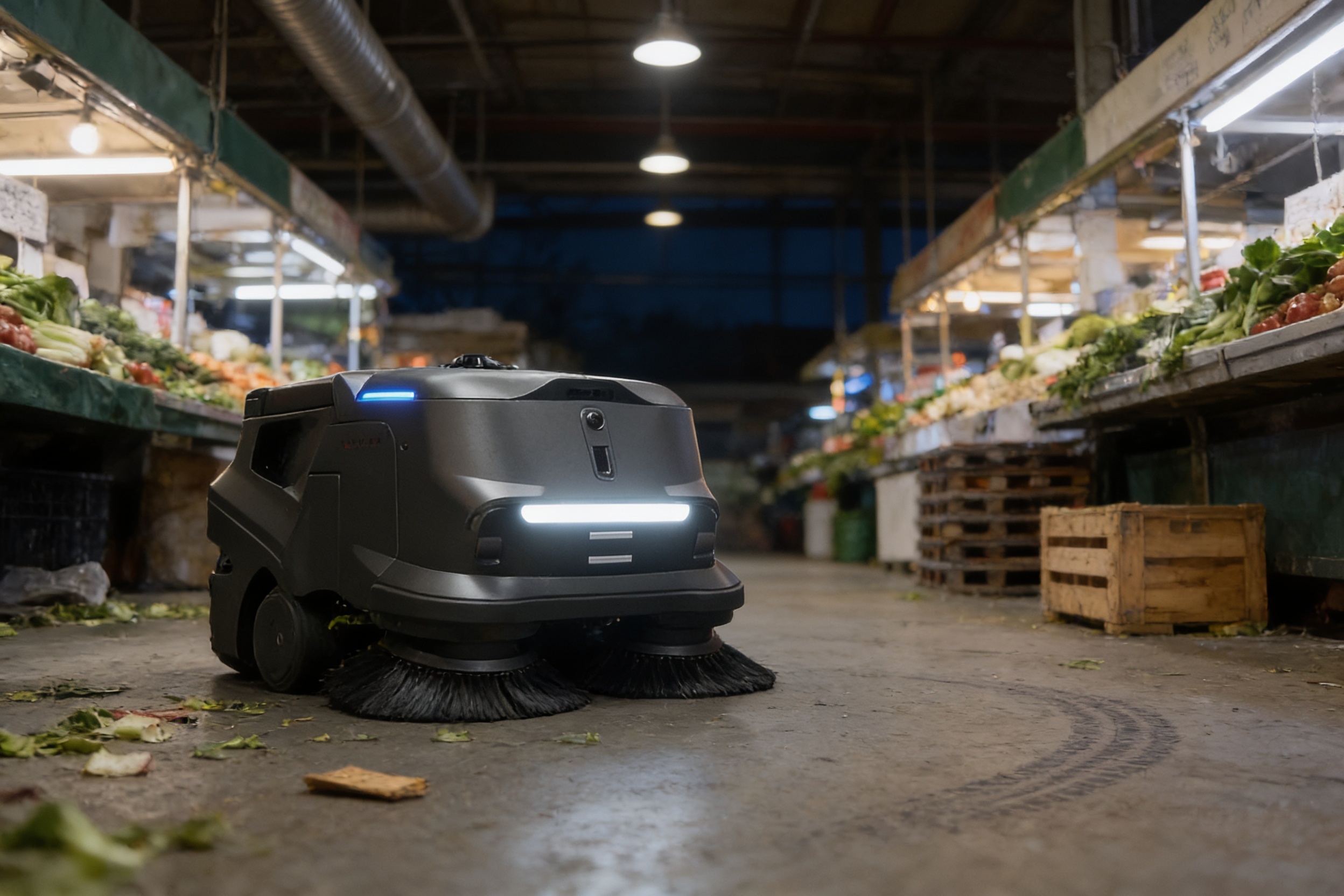
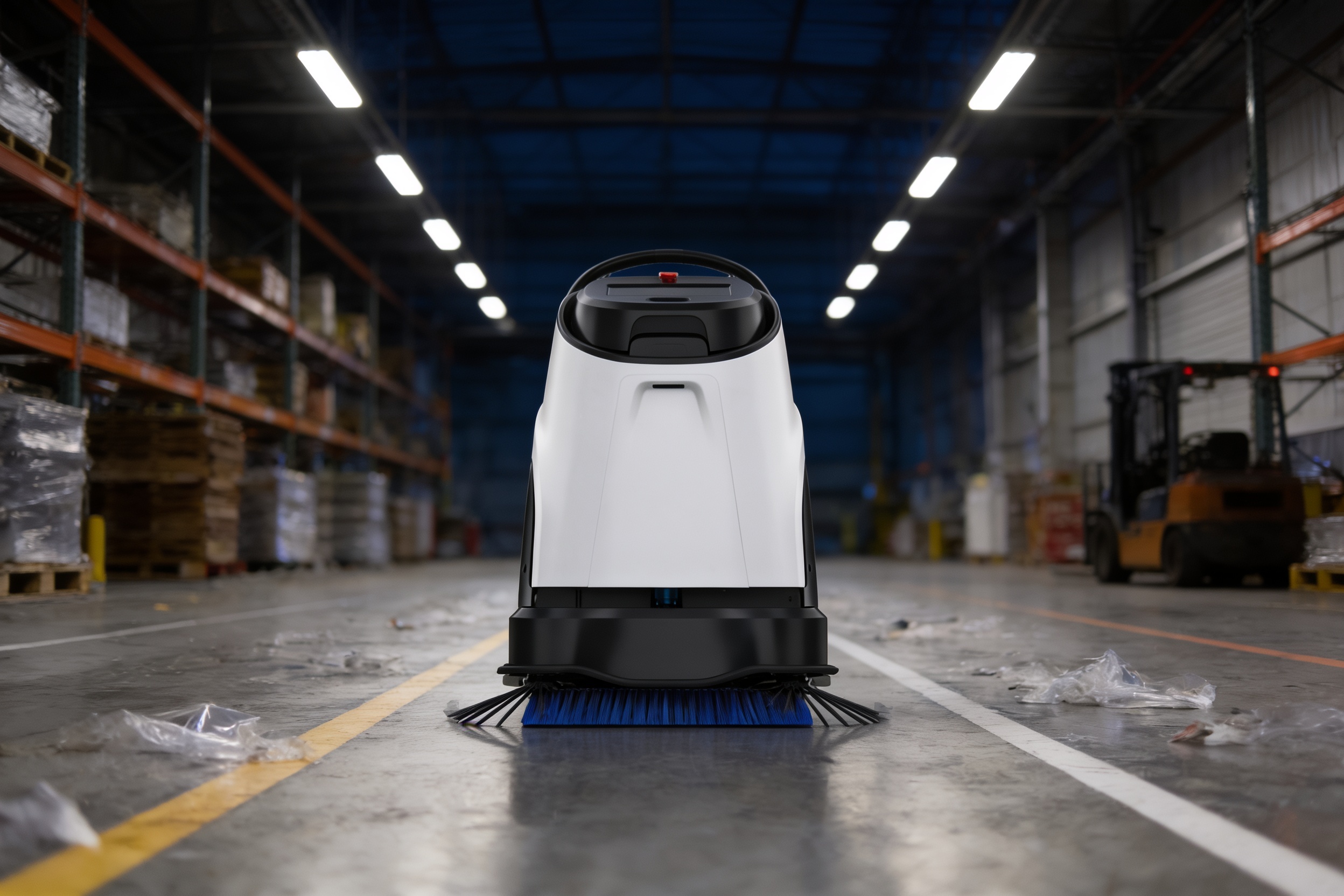
After the last event, staff take the first pass themselves. They pick up trash, clear large debris and deal with spills that need a person to judge them, since a floor cleaning robot is not the tool for those. Once the way is clear, the robot runs its route and returns to its charging dock when it finishes.
In the morning the crew reviews the run, notes blocked areas or missed sections, and adjusts the route for the next event. When the unit stops at an obstacle, staff clear it and restart the run. Remote triage can often identify a fault before anyone walks to the machine, and on-site dispatch covers repairs that need hands.
Which areas of an arena can the robot cover?
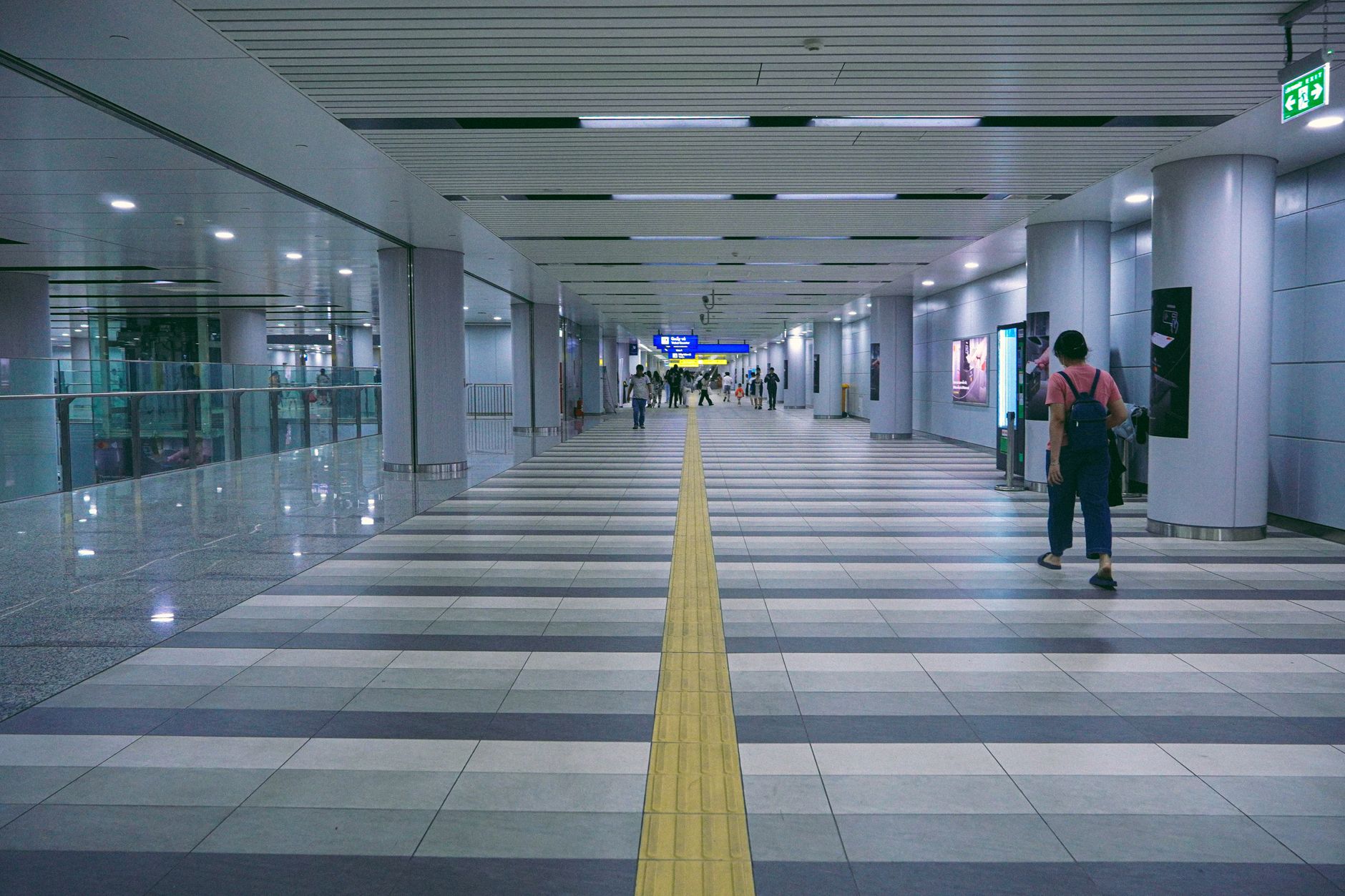
An arena is not one floor. It is a set of hard-floor areas with uneven traffic, and a floor cleaning robot works best where the surface is open, flat and repeatable. The zones below are the areas where the work is most repeatable, and the rest of the building stays with the crew.
Large facility coverage is the real test. A single route can run the long concourse loops that take a crew most of the window, then hand off the smaller zones to a second pass. Spare unit coverage can help when the building has more hard floor than one machine can cover in the gap between events.
Some areas stay with people. Restrooms, seating bowls, premium seating, food service floors after heavy spills and any area with glass or stage equipment need a crew member. The robot covers the open hard floor, and staff cover everything that needs a hand.
How does a robot work alongside an existing arena crew?
A robot does not replace the arena crew. It takes the repetitive passes, so the people you already have spend their hours on restrooms, seats, spills and inspections. The realistic setup is a robot plus a smaller team, with staff on site for every event.
Training is part of the job. We train the staff who run the morning checks, the route changes and basic troubleshooting, so a supervisor can get through an event week without waiting on outside help. Go live support keeps the first event cycles from becoming a learning exercise on game day.
Expect the crew's role to change, not shrink, at first. The early cycles involve adjusting routes and learning which areas building staff need to clear, and the crew knows the building better than anyone, which makes its input valuable during that stretch.
What drives the savings from cleaning robots for indoor arenas?
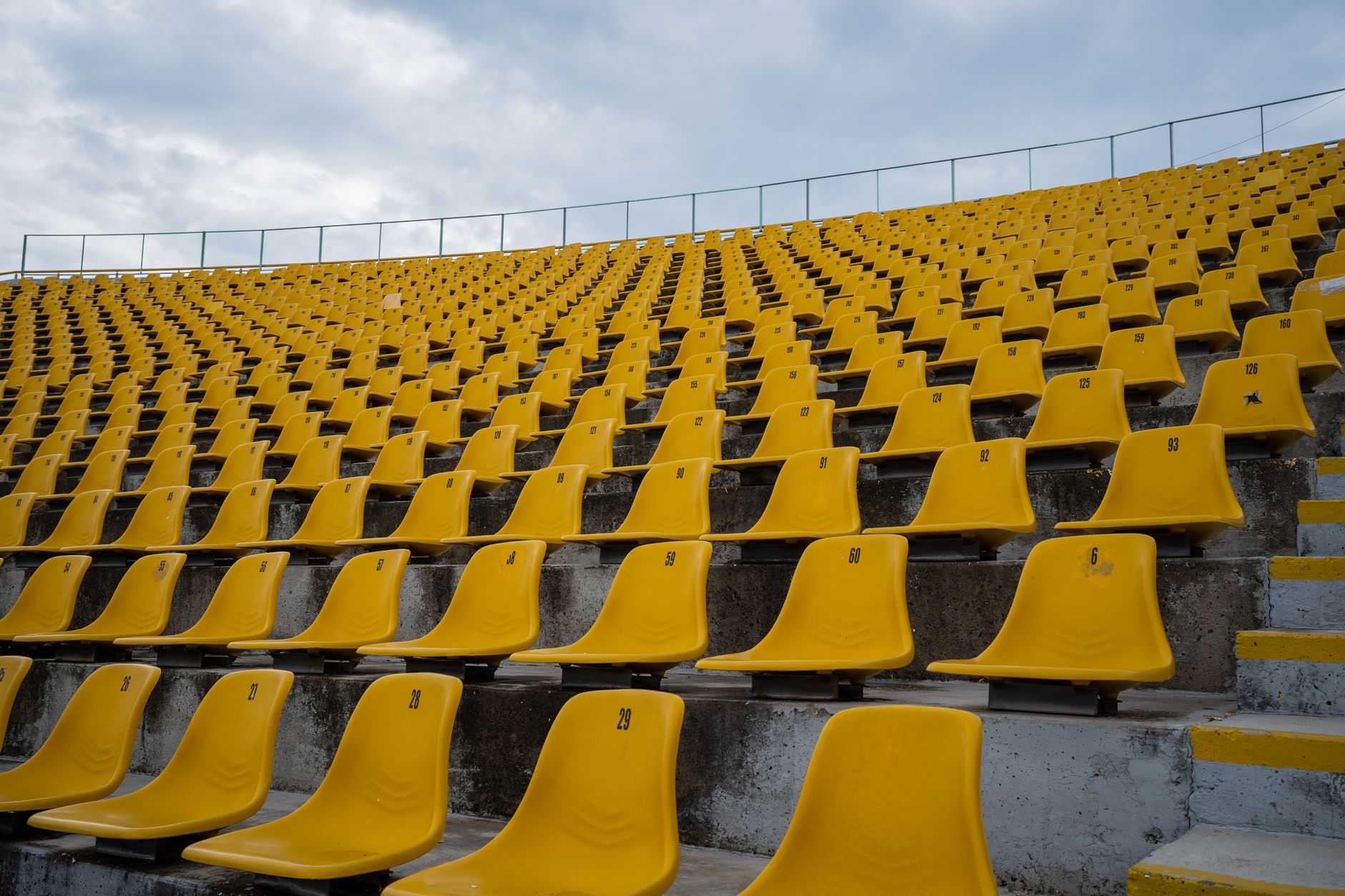
The savings come from hours moved off the crew, and the size of that shift depends on how much hard floor sits between events and how many people your building sends to clean it. No single figure fits every arena, so the honest starting point is your own hours from recent events.
Labor context helps set expectations. According to the U.S. Bureau of Labor Statistics Occupational Outlook Handbook, janitors and building cleaners held 2,447,700 jobs in 2024. Projected growth for 2024 to 2034 is 2 percent, which the handbook describes as slower than average, an increase of 47,800 jobs.
The same page projects about 351,300 openings per year on average, most of them from workers leaving the occupation rather than from new jobs. For an operator, that means filling shifts is a recurring task, and the hours a route covers reduce how much the schedule depends on hard-to-fill roles.
Count your hard-floor hours between events, the people on those shifts and how often the window is tight, then compare that with what a route can cover in the same gap. We review those numbers during the site assessment, and the payment comes in the lease quote.
What can a cleaning robot not do in an arena?
A floor cleaning robot does not pick up trash, wipe seats, clean restrooms or handle sticky or wet messes that need a person's judgment. It is not the right tool for stairs, bleachers or raised platforms either, so those areas stay on the crew's list from day one.
Route conditions set limits too. Heavy clutter, crowd barriers, cables and staging can stop a run until staff clear them, and a robot cannot decide on its own to skip a blocked aisle the way a person would. A building that changes its layout often needs more attention to the route than one with fixed seating and a permanent floor plan.
The robot also depends on the floor itself. Surfaces that are unusual, damaged or wet from a leak need a check before a route runs. An industry survey on autonomous cleaning, first published in 2019, found adoption still at an early stage among cleaning contractors and facility managers, so a pilot with one leased unit is a sensible way to test the route before committing the whole building.
How do we get started with cleaning robots for an arena?
Start with a free site assessment. We walk the building or review its plans, map the hard floors and routes, mark the areas the robot should skip, and check your event schedule and the gap between events. The assessment shows which robot fits the site and how many units the floor plan needs.
You lease the robot through financing, and the lease is quoted after a site assessment, so the terms match your building. Robot lease options and financing programs vary by site, and the payment comes in the quote. We service the robot nationwide, with on-site dispatch when it needs hands and remote triage for faults a call can clear.
Go live is the final step, not the first. We deploy and integrate the robot, train your staff, and provide go live support through the first event cycles. A floor scrubber lease can start with one zone, so the crew learns the route before it covers the full building. Bring your event calendar, your floor plans and a list of the areas your crew dreads most, and we will start there.
Frequently asked questions
Want a cleaning robot at your indoor arena?
Tell us about your site. We will recommend the robot, quote the lease, and keep it serviced.
Sources
- KSL report on arena cleanup after events
- WTOP report on arena event preparation
- U.S. Bureau of Labor Statistics, Occupational Outlook Handbook: Janitors and Building Cleaners
- Floor-care supplier guidance on arena cleaning
- Vendor web page on cleaning robots for large event spaces
- Industry survey on autonomous cleaning (first published 2019)