
Key takeaways
- Sticky spill residue on production floors and tasting rooms is repeated work that suits a floor cleaning robot.
- Scheduled overnight and pre-open floor passes give the crew hours back for spills, equipment and guests.
- Vendor case studies report large swings in labor hours, so measure your own floors before trusting any figure.
- The robot works beside your crew, and the lease payment comes in the quote after a free site assessment.
Can cleaning robots for distilleries handle the sticky floor work?
Yes, for the part of floor work that repeats. Cleaning robots for distilleries fit best on production floors and tasting rooms, where spills of sugary wash, spirit and cleaning chemical dry into a sticky residue that needs frequent passes. A floor cleaning robot runs the same route again and again between shifts, so the crew spends its hours on the work that needs hands.
The benefit is not that a robot replaces the crew. It is that routine passes happen on a schedule, the route is the same every night, and people on shift are not pulled off equipment and packaging to chase spills. Most of the value shows up as fewer manual touch-up sessions and less time spent re-cleaning floors that were already done.
How well the numbers work for your building depends on floor area, how often spills happen, and how much of the night goes to floor care. The sections below cover each of those, with figures from published sources and vendor case studies. Read the vendor figures as reported results, not forecasts.
What does floor work look like at a distillery today?
Floor work runs through the whole production day. Sugary wash, spirit and cleaning chemical land on the floor and dry into a tacky film that a single mop pass does not lift. Staff then go back over the same areas by hand, often pulled away from the equipment they were working on.
Sanitation is also a scheduled job, not a one-off. Recent job postings for distillery and production sanitation roles describe 8-hour shifts and daily cleaning of equipment, vessels, floors, drains and surrounding workspaces. One night-shift posting runs from 7:00 pm to 7:00 am and lists foaming and scrubbing floors and walls among its core duties.
A distillery sanitation guide describes the pattern clearly. When equipment does not match the task, crews extend cycle times or rely on manual touch-up cleaning, and that adds labor, downtime and variability. The floor is often where that pattern is most visible, because every spill crosses it.
How many distilleries are there, and what does that mean for you?
The American Craft Spirits Association counted 2,131 active craft distillers as of August 2026, a 6.6 percent decline from the same month a year earlier, according to trade press reporting on its data. In its 2025 report, the association put the count at 2,282 as of August 2025, down 25.6 percent from 3,069.
Part of that drop reflects a change in method. According to the association, staff reviewed about 3,000 licenses line by line and removed multi-location duplicates. Even so, more craft distilleries opened than closed in 2025, the first time in at least a decade, per the association.
For the person running the floor, the headline number matters less than the daily math. The same crew still has to keep production moving and keep the floor clean, whatever the national count says.
Where does a floor cleaning robot work in a distillery?
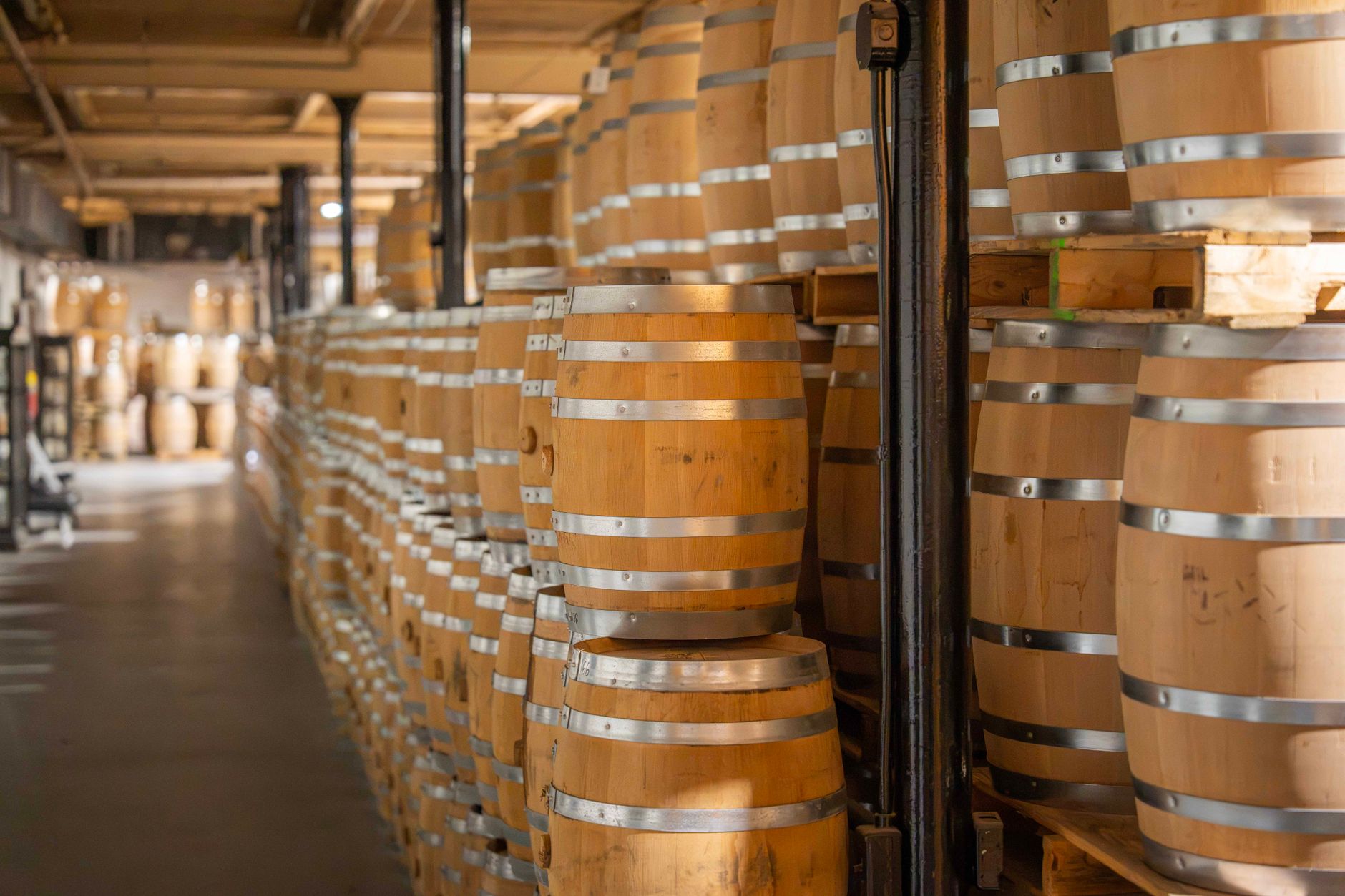
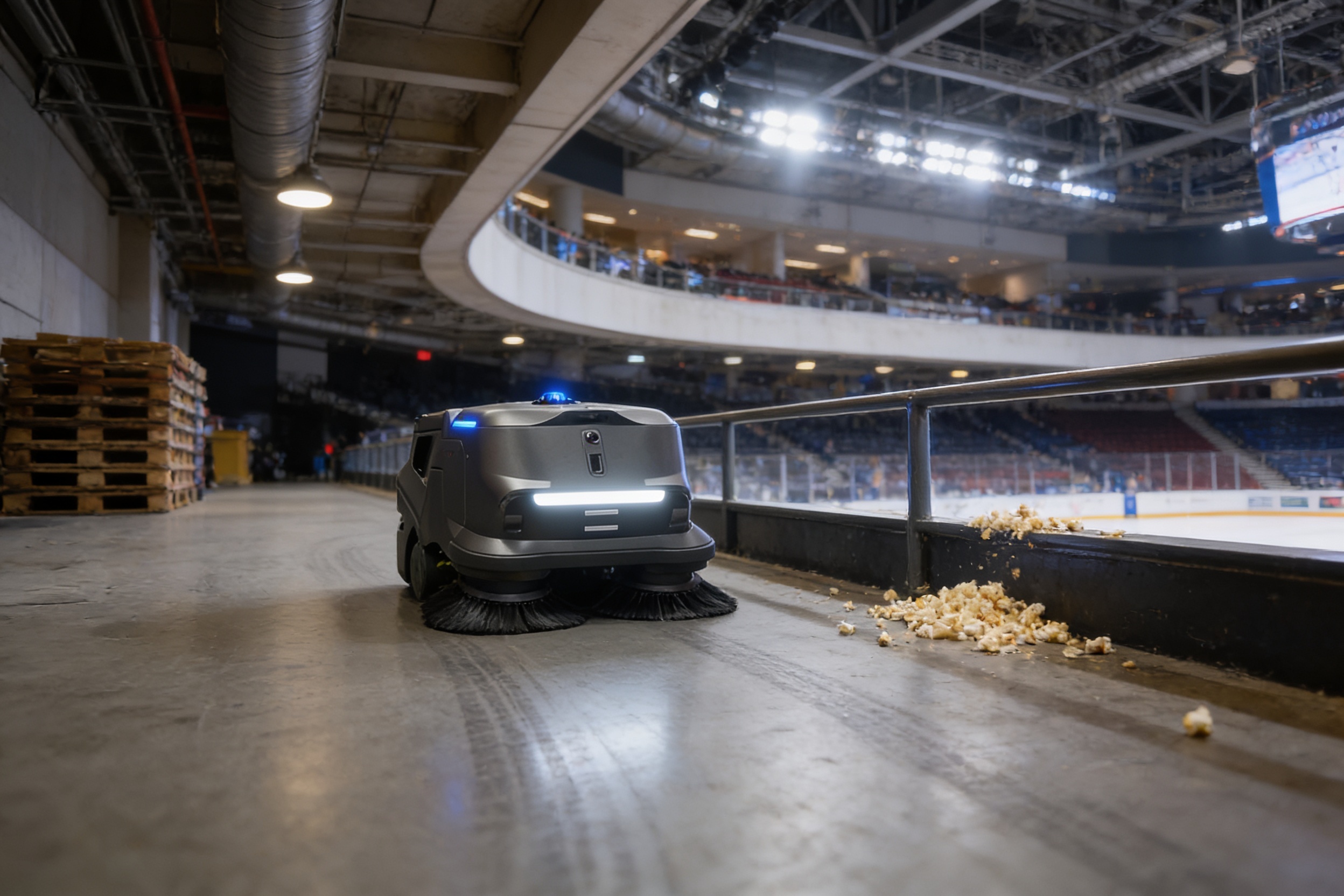
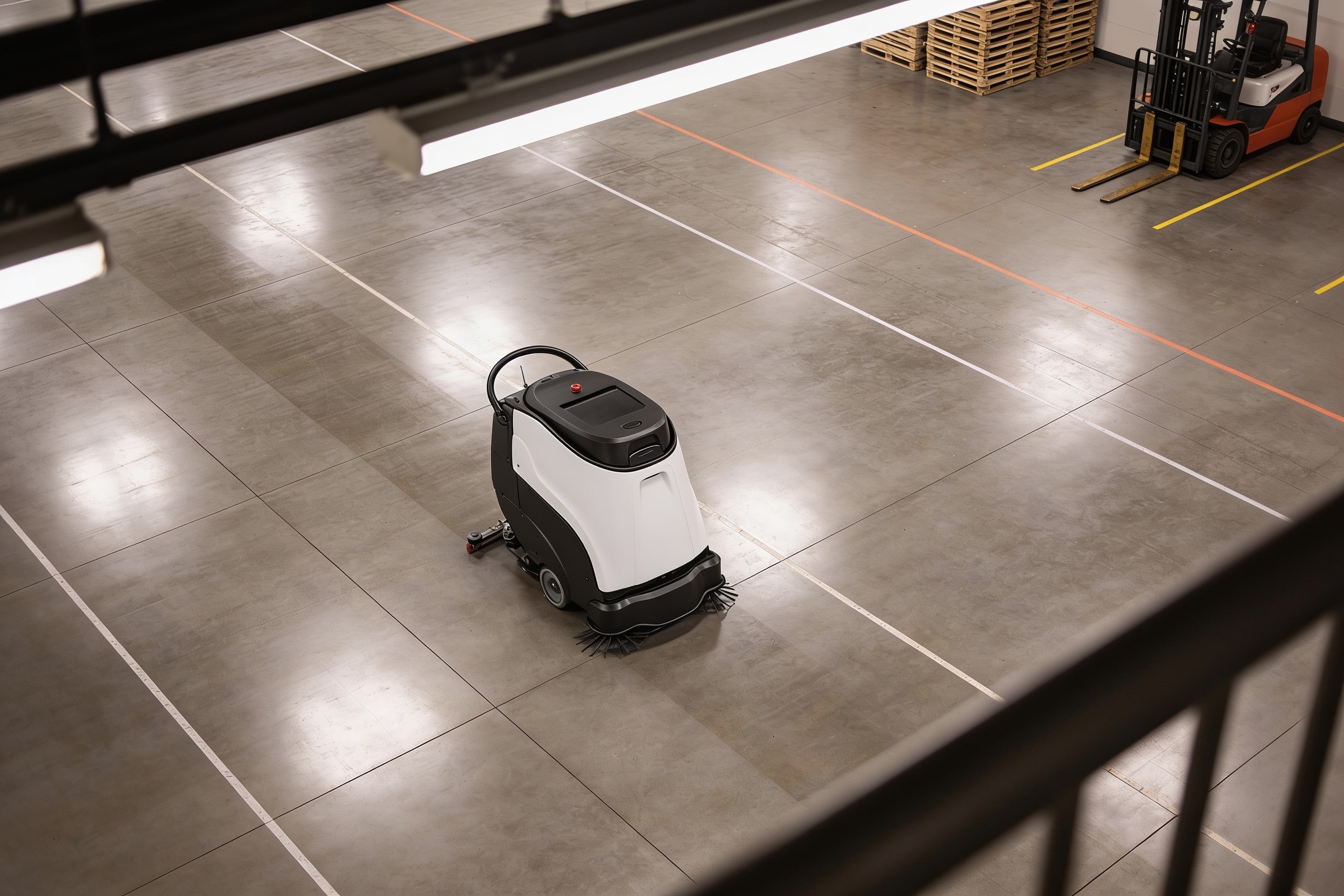
A floor cleaning robot works best on level, sealed floors with clear routes, and that covers much of a distillery's production and public space. The right zones depend on the building. The site assessment maps which areas the robot can reach and which still need a crew member first.
The six zones below are the ones that usually suit a floor cleaning robot. Areas with heavy debris, open trenches or loose equipment on the floor need a person before the robot goes in, and the route stays off them.
What are the main benefits for the floor and the crew?
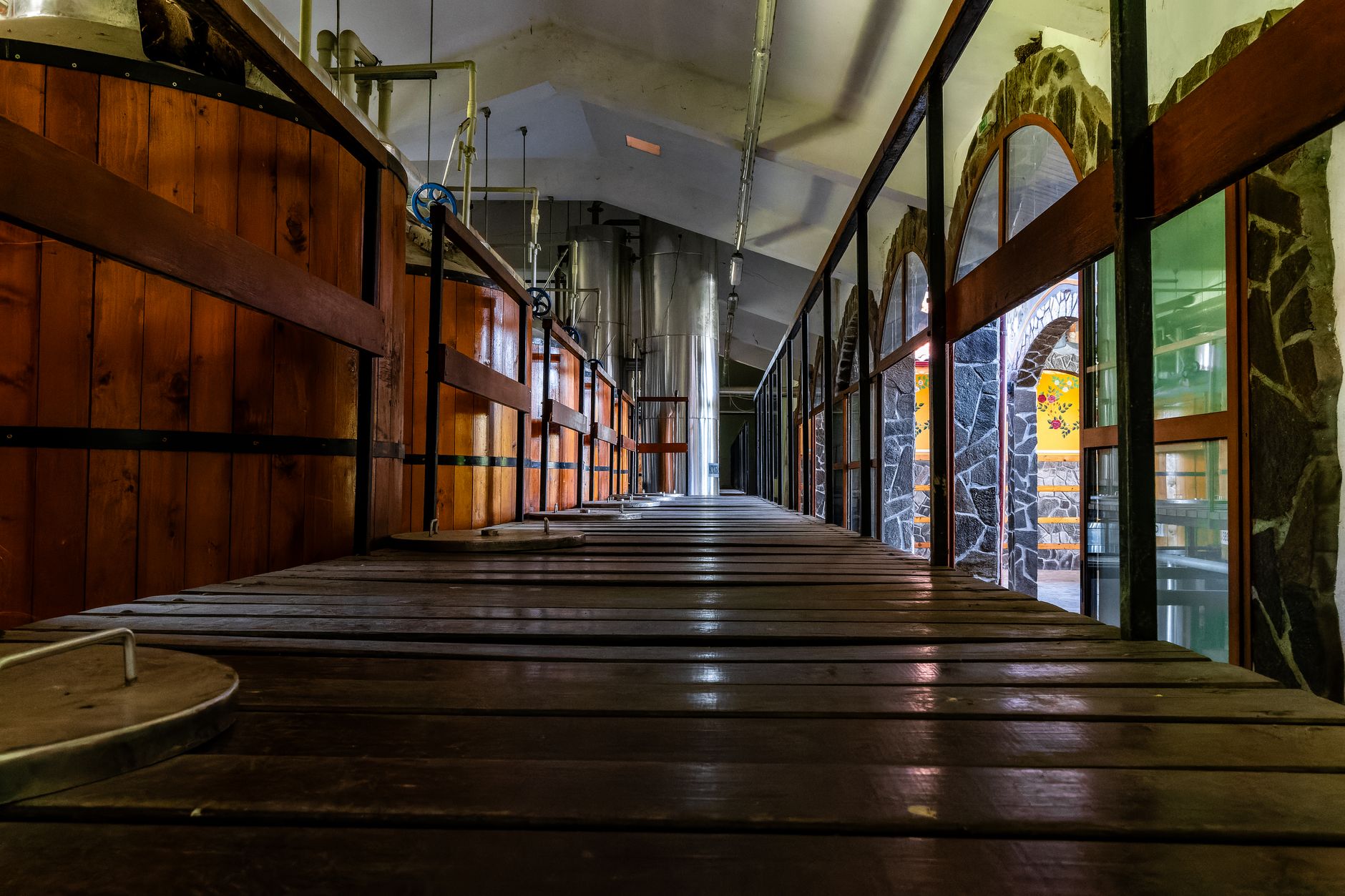
The first benefit is consistency. A robot runs the same route the same way on every pass, so the floor gets its pass at the end of each shift rather than when someone finds a spare hour. That keeps the sanitation schedule on track even when staffing is tight.
The second is time back. Staff who used to walk the routine passes can spend that time on the spill that just happened, on equipment that needs hands, or on the tasting room before guests arrive. The robot takes the repeat work, and the people keep the judgment work.
The third is visibility. Scheduled floor care leaves a route log, so the team can see blocked aisles and notice residue that keeps returning to the same spot. That record helps with the root cause work the sanitation guide describes, rather than treating every spill as new.
How does the robot work day to day?
Deployment comes first. The site is mapped, routes are set, and the charging dock is placed where it will not block a pallet lane or a tasting room door. Staff confirm the water and cleaning chemical levels, and the robot goes to work on the first scheduled route.
Once it runs, overnight floor care is routine. Staff check the route log at the start of the shift, clear any blocked aisle before the next route, and flag spills the robot cannot handle. If it stops for an obstacle, a person clears it and restarts the route.
Service matters as much as the first install. Maintenance is scheduled, and when a unit needs attention, remote triage comes before a technician is dispatched on site. Where the plant needs it, a spare unit can keep the route running while the first machine is serviced.
How does the robot fit alongside the existing team?
A floor cleaning robot works beside a crew, and it does not replace the crew. Distillery floors still need people for heavy residue, equipment, chemical handling, inspection and the spills that come up without warning. The robot takes the repeat passes, so the same people can cover more ground and more of the shift.
The arrangement is a robot plus a smaller team, with people on every shift. In one vendor-published hospital floor-care case, the team shrank from 3 people to 2, which is one example of how staffing can change. Your own shift plan will look different, and the site assessment helps set it.
We pick the right robot for the site, lease it through financing, deploy and integrate it, train the staff who will run it, and service it nationwide. Training covers the route log, the spill flags, the restart steps and the points where a person should step in, so the crew is comfortable before the robot runs unattended.
What drives the savings, and what do the reported numbers show?
The savings come from hours. The main drivers are how many passes the floor needs each day, how much floor area the route covers, and how many staff hours now go to repeat floor passes and manual touch-up. The site assessment measures those before any quote is written.
The labor pool is part of the picture too. According to the US Bureau of Labor Statistics, about 351,300 openings a year are projected for janitors and building cleaners, mostly from replacing workers who leave. A scheduled route is one way to keep floor care on its timetable when the crew is short.
Published figures are useful for scale, but they come from other buildings. A vendor-published hospital floor-care case reports that nightly floor-care labor fell from 16 hours to 5 hours. Trade press reporting on a logistics facility case reports more than 300 labor hours saved against conventional cleaning.
Other reported results measure something different. A retail case study reports typical autonomous cleaning runtime of about 20 hours per week, with some weeks above 30 hours. That is robot runtime, not labor saved. We did not find a published labor benchmark for sanitation hours at distilleries, so the figure for your plant should come from your own logs and the site assessment.
What can a floor cleaning robot not do?
It does not clean inside tanks, vessels or equipment, and it is not a substitute for the sanitation program. A floor cleaning robot works on floors along a route, so vessel interiors, equipment, drains and hard to reach corners still need trained staff.
It cannot respond to a spill it has not been told about, and it should not be asked to handle thick mash, broken glass, pallet debris or standing liquid. Those need a person first. When a cart or an open hose blocks the route, the robot waits or stops, which is the safe behavior but still a delay.
The floor sets limits too. Uneven concrete, drains set below the surface and low thresholds at doorways can narrow where the robot runs. Those limits show up in the site assessment, and some zones will stay on manual care.
How do you get started with cleaning robots for distilleries?
Start with a free site assessment. We map the floor, mark the zones that suit a floor cleaning robot, and measure the routes and the hours your team spends on floor care now. From that we recommend the right machine and the right number of units.
Commercial robot leasing works through financing, so the arrangement does not ask for a large upfront outlay. The payment comes in the quote after the site assessment, and the quote covers deployment, integration, staff training and nationwide service. You work with one partner and one number to call.
Many operators start with one leased unit on the production floor, run it for a few weeks, and decide from the logs whether to add a unit for the tasting room or the storage aisles. A pilot program can show the route in your building before any wider arrangement.
To prepare, bring your shift schedule and a floor plan, and note where spills happen most. The quote will reflect your building and your route, not a generic layout.
Frequently asked questions
Want a cleaning robot at your distillery?
Tell us about your site. We will recommend the robot, quote the lease, and keep it serviced.
Sources
- US Bureau of Labor Statistics, Occupational Outlook Handbook
- American Craft Spirits Association 2026 count, as reported by trade press
- American Craft Spirits Association 2025 count, as reported by NABCA
- Distillery sanitation guide
- Night-shift sanitation job posting
- Vendor case study, hospital floor care, 2023
- Trade press report on a logistics facility floor-care case
- Vendor case study, retail floor care