
Key takeaways
- Long, smooth corridors and loading aisles are a good match for a scheduled floor cleaning robot.
- The robot takes the repetitive floor passes, and your team keeps the customer work and the exceptions.
- Savings come from floor hours, so measure your own hours for two weeks before deployment.
- Published results are vendor-reported and depend on the site, so read them as ranges, not promises.
- The robot is leased through financing, and the payment comes in a quote after a free site assessment.
How can cleaning robots for self-storage facilities help?
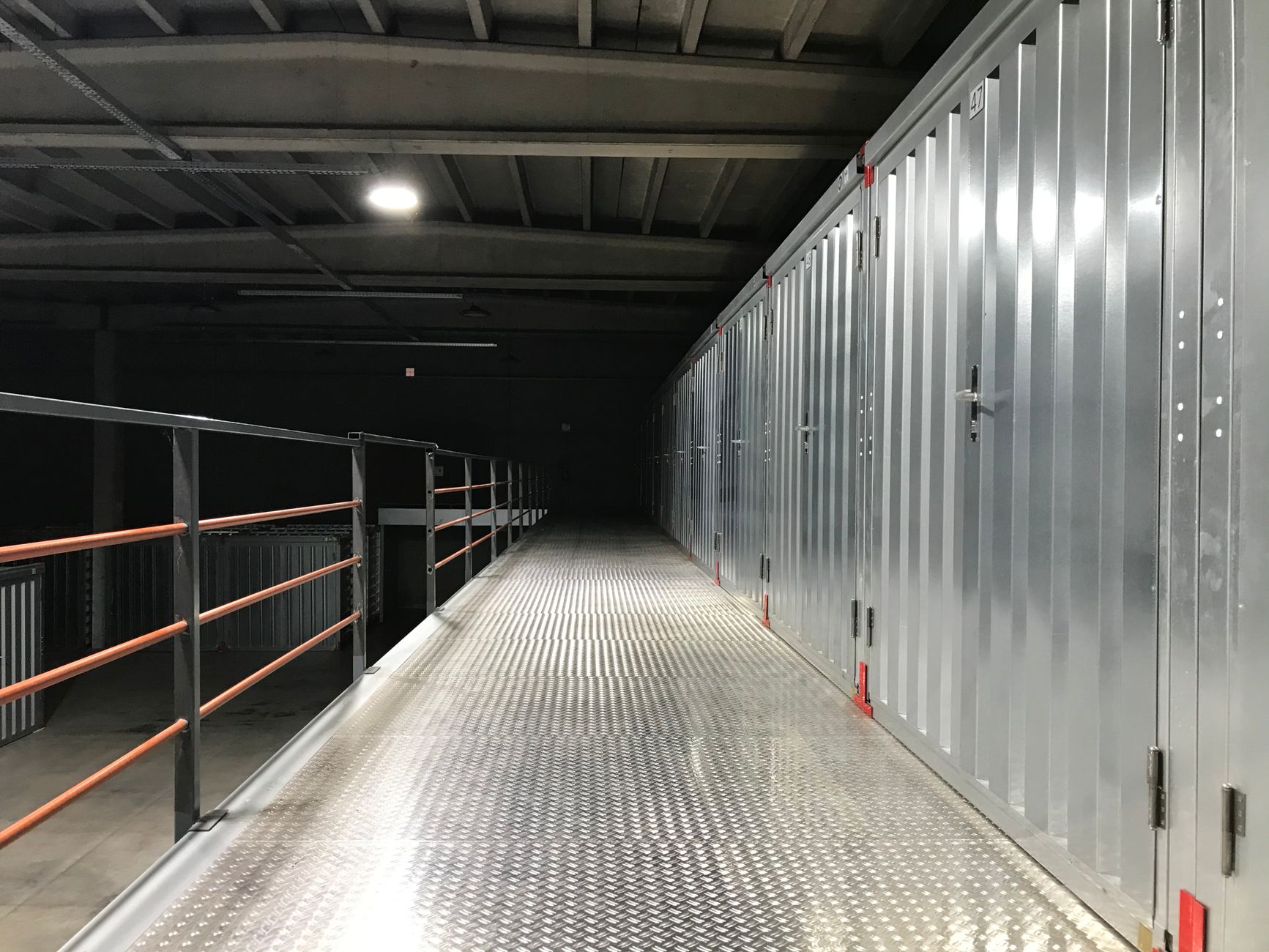
Cleaning robots for self-storage facilities take on the long, plain floors that need the most regular attention. Corridors between unit doors, loading aisles, and the customer lobby are wide and open, and they collect grit, leaves, and dust every day. A floor cleaning robot can cover those routes on a fixed schedule, so the work happens on time instead of whenever someone finds a free hour.
The robot handles the repetitive floor passes. Your team keeps the work that needs a person, such as customer contact, move-ins, gate problems, and spills that need hands on. The robot does not replace the people who run the site. It returns hours that managers and front desk staff now spend pushing equipment across floors that do not need their judgment.
We are a US commercial robot integrator. We pick the robot that fits your floors, lease it through financing, deploy and integrate it, train your staff, and service it nationwide. Robot lease options are quoted after a free site assessment, so the first step is a walk through the building.
What does floor care look like at these facilities today?
Self-storage is a growing kind of property. According to the Self Storage Almanac 2025, the national facility count rose from 52,301 to 57,981, an increase of 5,680 facilities. An industry research report estimates 58,000 to 65,000 self-storage facilities in the US, totaling roughly 2.7 billion rentable square feet, and notes that the range reflects differences between data providers.
Floor care at these sites usually happens in short bursts between other jobs. A manager sweeps a corridor after a move-out, mops the lobby before a busy afternoon, and vacuums the loading aisle when there is time. Those tasks slip easily when the front desk is busy, and a hallway that goes a week without a proper pass shows it.
Labor for this kind of work is not expanding fast. The Bureau of Labor Statistics projects employment for janitors and building cleaners to grow 2 percent from 2024 to 2034, which is slower than the average for all occupations. A site that depends on one part time helper or a manager's spare hours has little room when that person leaves.
What are the main benefits for an operator?
The first benefit is consistency. A scheduled robot runs the same corridors on the same days, so the floors look much the same at the end of a week as they did at the start. That matters most on the route customers see first, from the gate to their unit door.
The second is time back for people on site. Managers and front desk staff spend less time on floor passes and more on move-ins, rate questions, and gate issues. For a site with one person on the property, that changes how the shift feels, because floor work stops competing with customer work.
The third is coverage across large floor areas. Storage floors can run long and wide, and a robot covers that ground the same way on every run. Floor care also keeps happening in the weeks when the team is short, which is when manual cleaning most often slips.

How does a floor cleaning robot work there day to day?
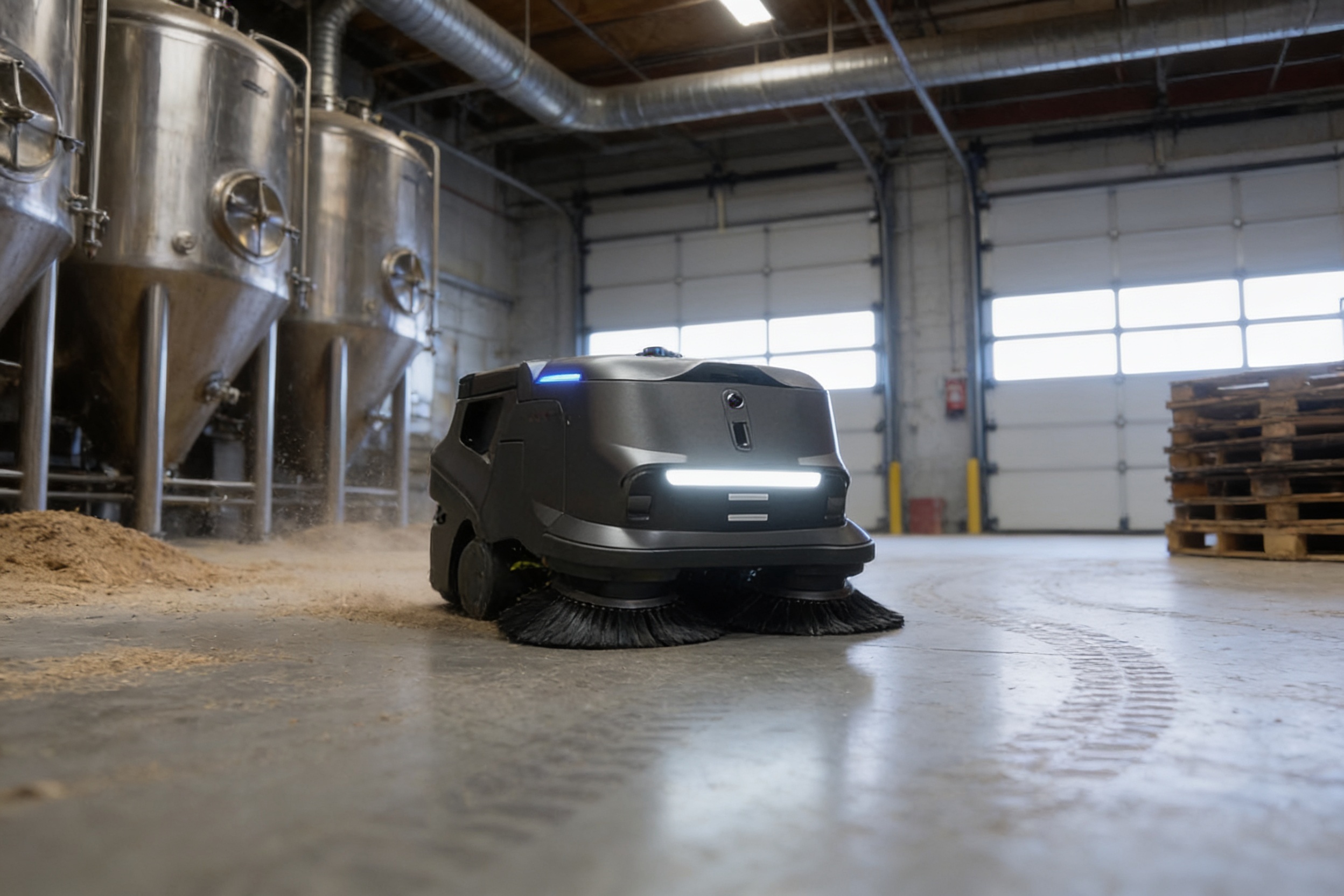
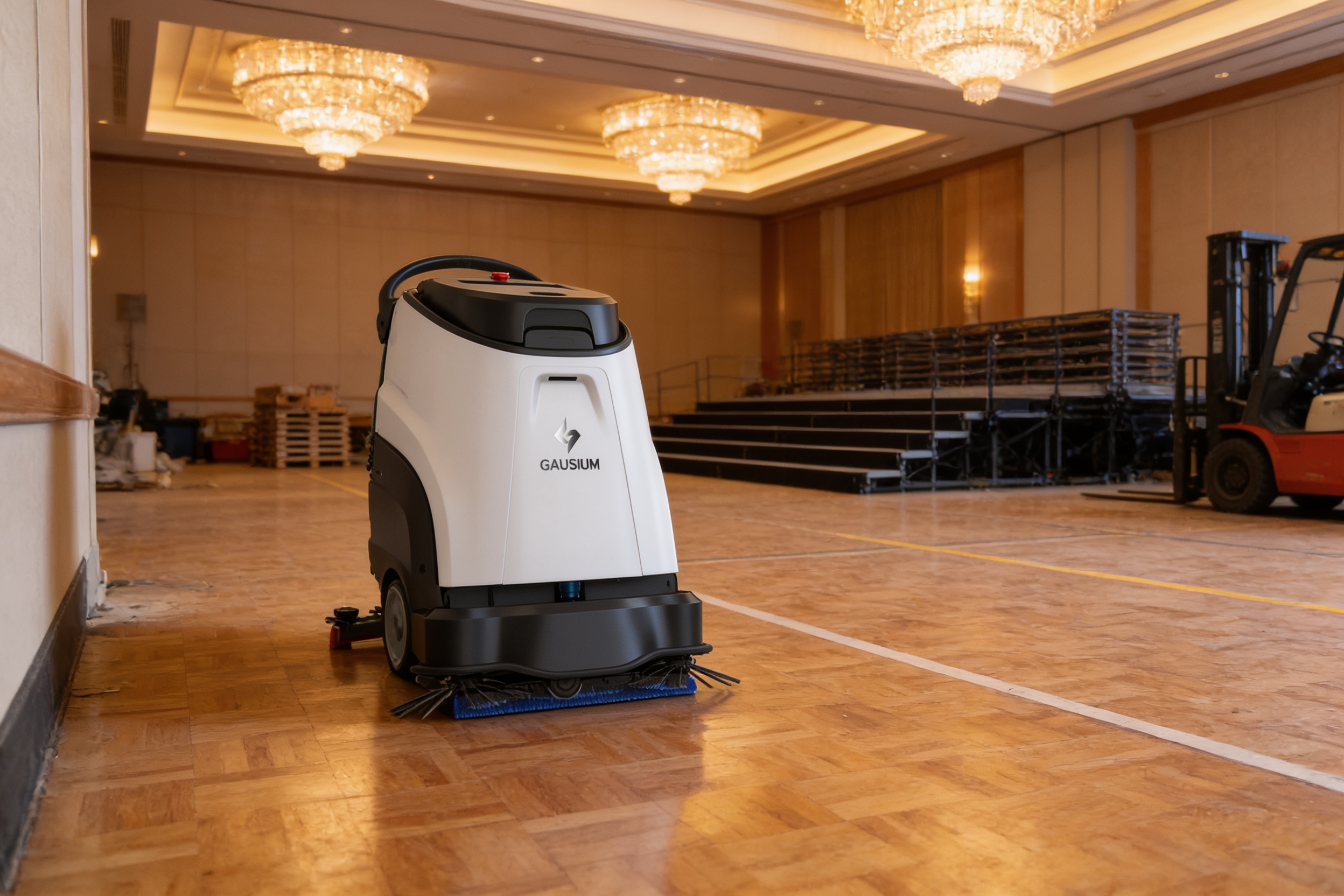
Before the first run, we map the building. Our team walks the site and notes the routes, the doors, the lobby furniture, and the spots where carts or pallets sit in aisles. That map becomes the schedule, usually set for late evening or early morning when the corridors are quiet.
On a normal day, the robot runs its route, returns to its dock to recharge, and waits for the next run. Staff do the preparation before each run, such as clearing loose items and moving carts or pallets out of the path. In the morning, a team member walks the floors, checks for any stop or warning from the robot, and clears whatever the robot could not pass.
The robot itself is only one part of the arrangement. Someone on your team owns the schedule, watches the first few runs closely, and tells us when a route changes, such as a new loading pattern or a closed aisle. The day below shows how the robot fits around normal operations, with people in the loop at each step.
Which areas does the robot cover?
The robot works best on hard, reasonably smooth floors with clear routes. In most self-storage facilities that means the interior corridors, loading aisles, and the lobby or office floor. Carpet, thresholds, steps, and ramps are areas to plan around, not places to start.
Corridors that run past unit doors deserve the most attention in the plan, since they carry the most foot and cart traffic in a typical week. The zones below describe six areas. Each has its own traffic pattern and its own need for care, so each one shapes the route and the time of day it runs.
Does the robot replace staff?
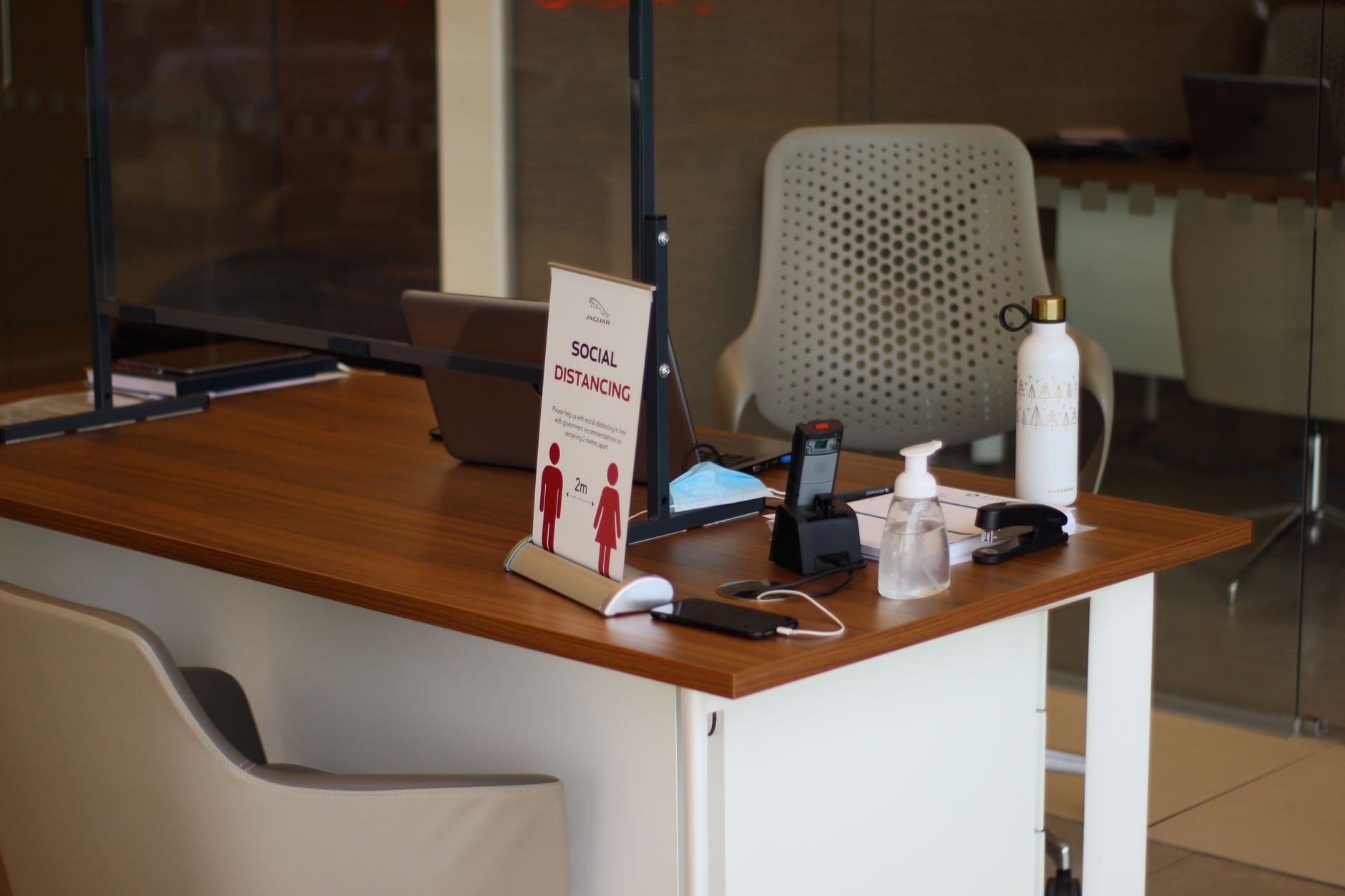
No. A floor cleaning robot takes the repetitive floor passes, and your team keeps the site running. Someone still answers the phone, handles move-ins, checks the gate, deals with a stuck door, and decides when a spill needs a person with a mop. The usual pattern is a robot plus a smaller team, not a robot in place of the team.
Staffing at these sites varies a lot. According to a self-storage vendor blog, which is not an independent survey, owner time at a mid-size facility of 50 to 500 units can range from as few as 5 hours to as many as 50 hours a week. That wide range is why we ask for your own hours before recommending a plan.
Some sites run with a live-on-site couple or a small team, with one person covering most hours. The robot does not change that arrangement, but it takes over the floor passes that would otherwise fall to the person on the property.
What drives the savings?
Savings come from three things: the hours spent on floor work, the labor those hours represent, and how often the floors would otherwise go uncleaned. Measure all three. Results depend on your site, your schedule, and your starting hours, so treat any published figure as a range rather than a promise.
Published results are useful for scale. In a case study reported by Modern Materials Handling, autonomous floor scrubbers at a logistics operation in Canada cleaned just over 3.5 million square feet from mid-2020 to April 2021 and saved more than 300 labor hours compared with conventional cleaning. That result is vendor-reported and was not independently audited, and those floors are not the same as a storage site, so use it only as a sense of scale.
A logistics executive quoted in a 2023 trade-show listing said floor cleaning robots can reduce labor hours spent cleaning by up to 80 percent. Treat that as an upper bound, not an expected result. A vendor case study of a distribution center covering 400,000 square feet reports an 11-month return on investment based on labor savings.
The practical step is to log your own floor hours by zone for two weeks before deployment. A vendor guide recommends exactly that, because a site-specific baseline is the only reliable way to check results later.
What can a floor cleaning robot not do?
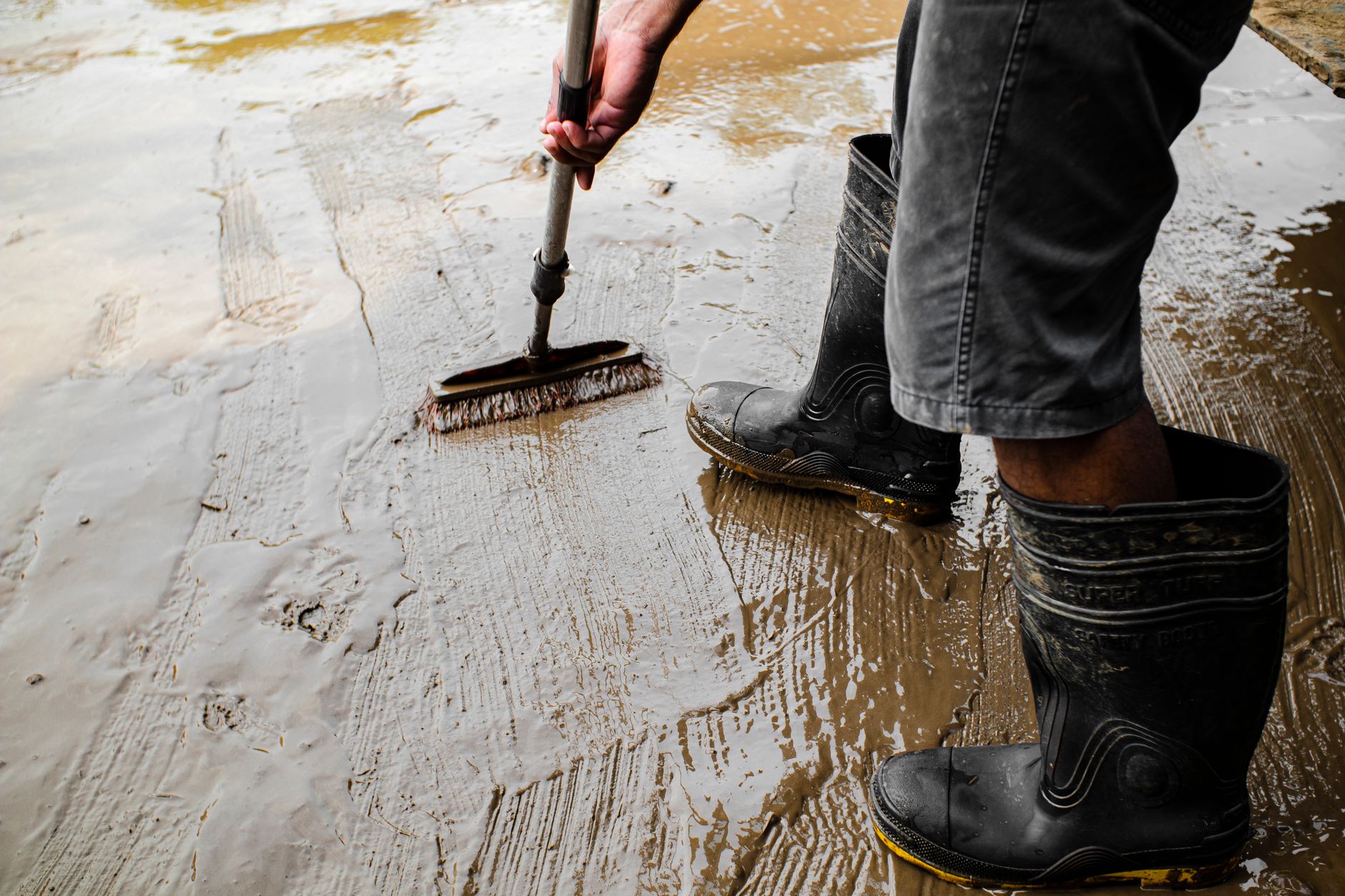
A floor cleaning robot does not handle everything on a floor. It does not remove a large spill, pick up a dropped box, or scrub stains that need hand work and chemicals. Loose cords, stray items, and pallets in an aisle can stop a route until a person moves them.
It works only on the routes it was mapped for. Stairs, thresholds, carpeted rooms, and ramps need separate planning or a person. Restrooms, windows, trash, and surfaces above floor level stay with your team or a separate service.
A robot also will not decide what is clean enough. That standard is your call, and we set the route and frequency to match it. Expect the robot to need a clear path and a working charging dock, and expect a service visit when something breaks. We service the robot nationwide, but it cannot fix a floor problem on its own, so your team should know how to report a stop.
How do you get started?
Start with a free site assessment. We walk the facility, measure the floors and routes, note the spots that need attention, and learn your staffing and schedule. From that we recommend a robot that fits your floors and a deployment plan that keeps the site open.
The robot is leased through financing, not sold. The payment comes in a quote after the site assessment, so it reflects your floors, your schedule, and your support needs. Operators can start with one leased unit on a phased schedule and review a second unit later, once they see the results.
After installation, we train your staff, integrate the robot into your site routines, and support go live. Then we service it nationwide, with on-site dispatch and remote triage for problems that can be solved over the phone. We stay involved through the first few runs so the schedule matches how your site actually works.
Frequently asked questions
Want a cleaning robot at your self-storage facility?
Tell us about your site. We will recommend the robot, quote the lease, and keep it serviced.
Sources
- Self Storage Almanac 2025
- IRR Self Storage Report 2026
- US Bureau of Labor Statistics, Occupational Outlook Handbook
- Modern Materials Handling case study
- ProMat 2023 trade-show listing
- Distribution center case study (vendor reported)
- Warehouse robot guide (vendor reported)
- Self-storage time commitment blog (vendor, unverified)