
Key takeaways
- Between-show floor cleaning can run on a fixed schedule even when no full crew is on the clock.
- Large open lobbies and auditorium aisles suit a mapped route on hard flooring.
- The robot works with a smaller trained team, never with zero staff.
- Savings depend on your own hours baseline, so measure before and after.
- Start with a free site assessment, then a lease quote through financing.
How can cleaning robots for performing arts centers help between shows?
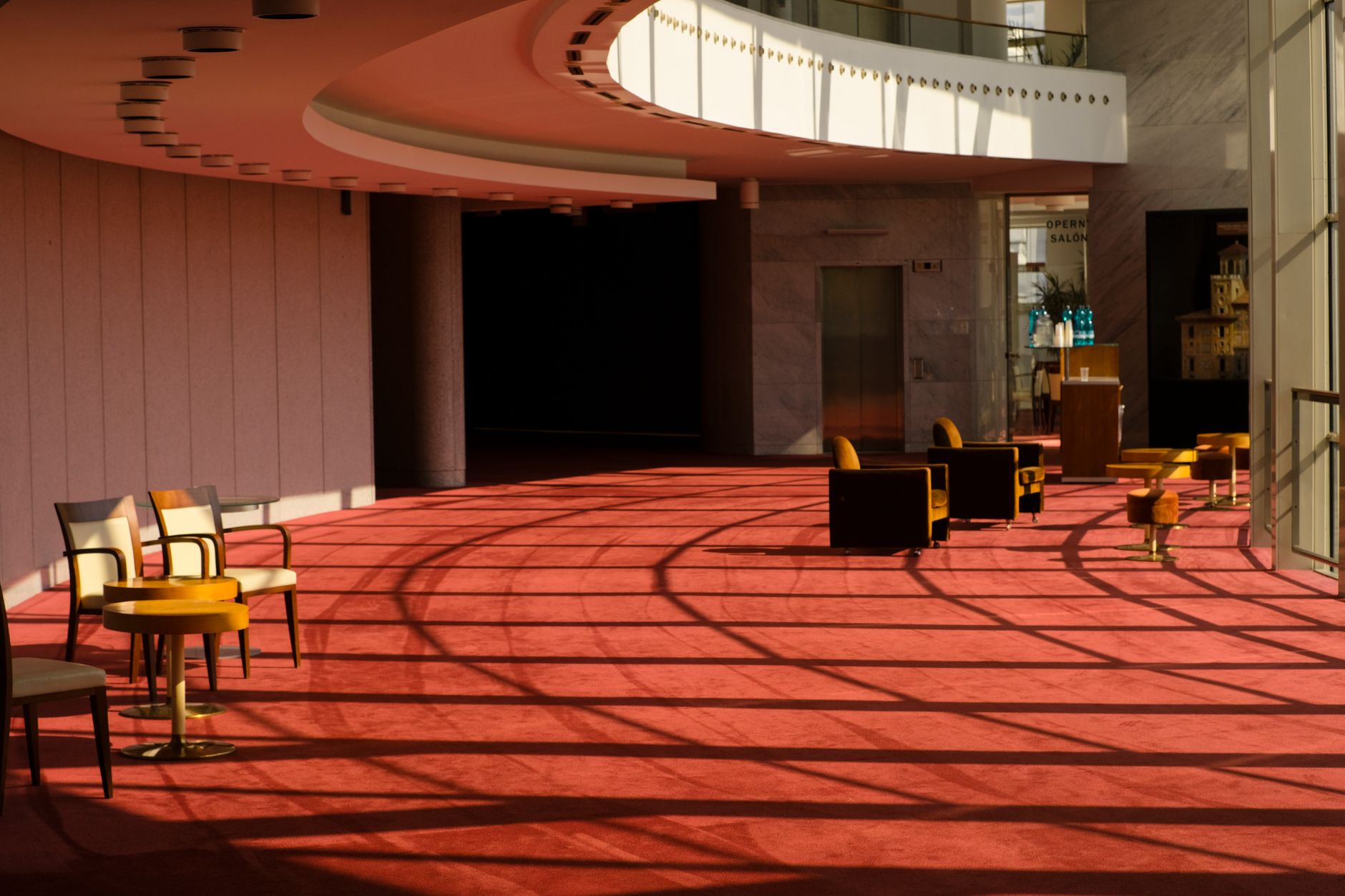
Cleaning robots for performing arts centers fit a problem most operators know well. A large lobby, a run of auditorium aisles and a corridor full of patrons all need clean hard floors before the next audience arrives, and the window to do that is often just a few hours after the last curtain. A floor cleaning robot can run that work on a fixed schedule, so the floors get done even when a full crew is not on the clock.
The main benefit is coverage that does not depend on who happens to be free. When cleaning shifts go unfilled, the lobby either waits or someone already on staff picks up the floor on top of other duties. A robot that runs between shows keeps the schedule steady and frees your smaller team for work that needs a person, such as restrooms, spills, seating checks and guest care.
We select the floor robot for each building, lease it through financing, deploy and integrate it, train your staff and service it nationwide. The rest of this page explains how that works in a working house, what it changes, and what it cannot do.
What does floor care demand at these venues today?
Floor care at a performing arts center is a schedule problem as much as a labor problem. Lobbies and aisles collect grit from street shoes, dropped food and dust across a performance day, and they must be ready for the next audience. The cleaning has to fit a window set by the production calendar, not by a crew's convenience.
The labor pool behind that work is tight. According to the U.S. Bureau of Labor Statistics, janitors and building cleaners held 2,447,700 jobs in 2024, and projected growth for 2024 to 34 is 2 percent, which is slower than average, with about 47,800 jobs added. Meanwhile, according to ArtsJournal, more than 360 performing-arts centers were built in the U.S. between 1994 and 2008, so the same floor problem sits in many buildings.
Hiring standards add strain. One performing arts center's second-shift custodian posting asked for at least 2 years of custodial experience, which narrows the pool for a role that runs late. Some institutions are also weighing outsourcing. According to the Chicago Sun-Times, a major museum plans to move 23 custodial workers to a private contractor, and its union is objecting.
Which areas does the robot cover?
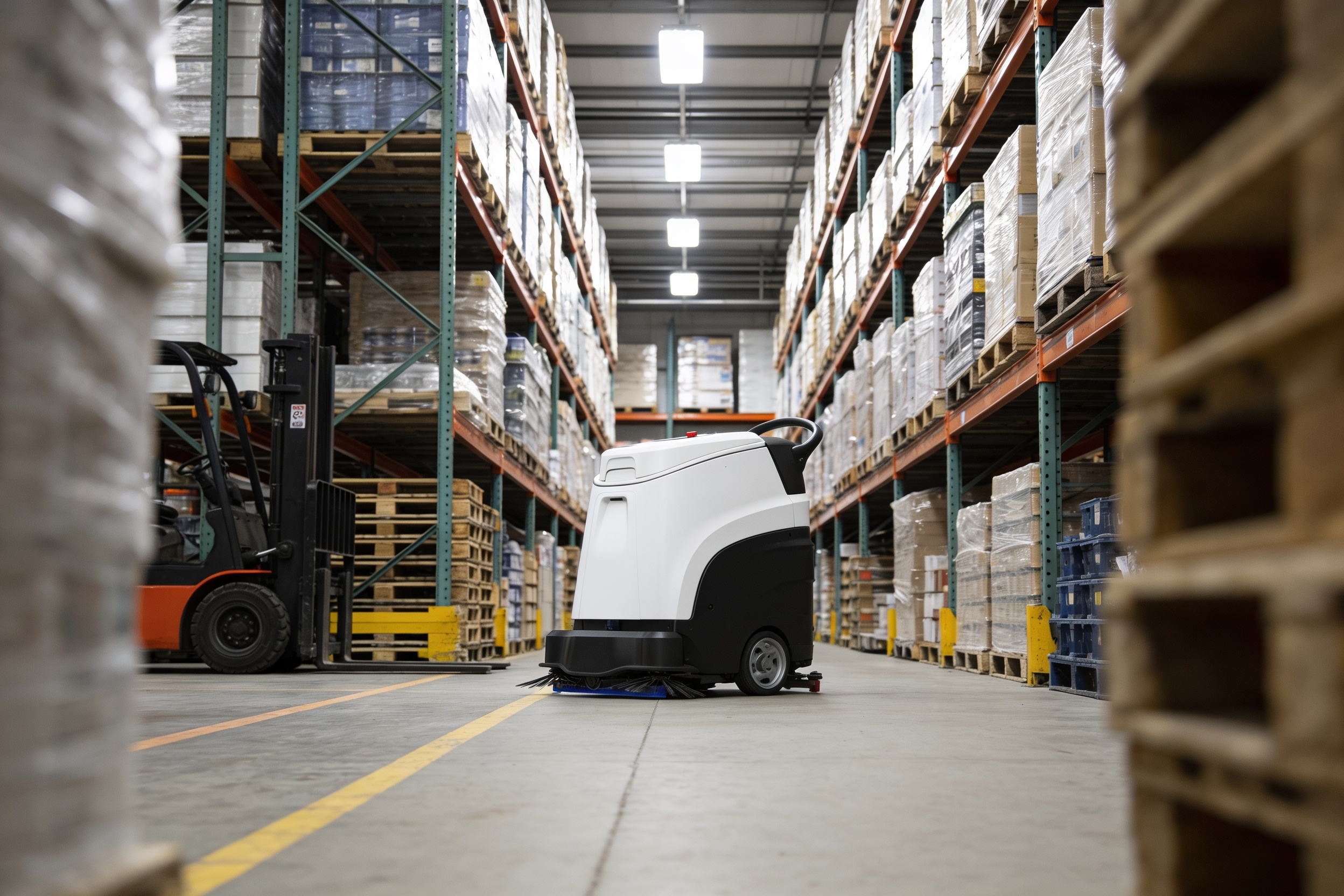
The robot works on hard, level floors where it can follow a fixed route without help. In a performing arts center that usually means the lobby, the entry vestibule, the main corridors, the concourse and auditorium aisles with hard or sealed surfaces. Carpeted seating, stairs and steep transitions are usually outside its reach, and the site assessment is where we confirm which spaces qualify.
Before the robot runs a route, we map the building. That map sets the boundaries, the order of the route and the spots where staff keep the path clear, such as a table being set or equipment being moved. The zones below show the kinds of spaces these buildings usually have.
What are the main benefits?
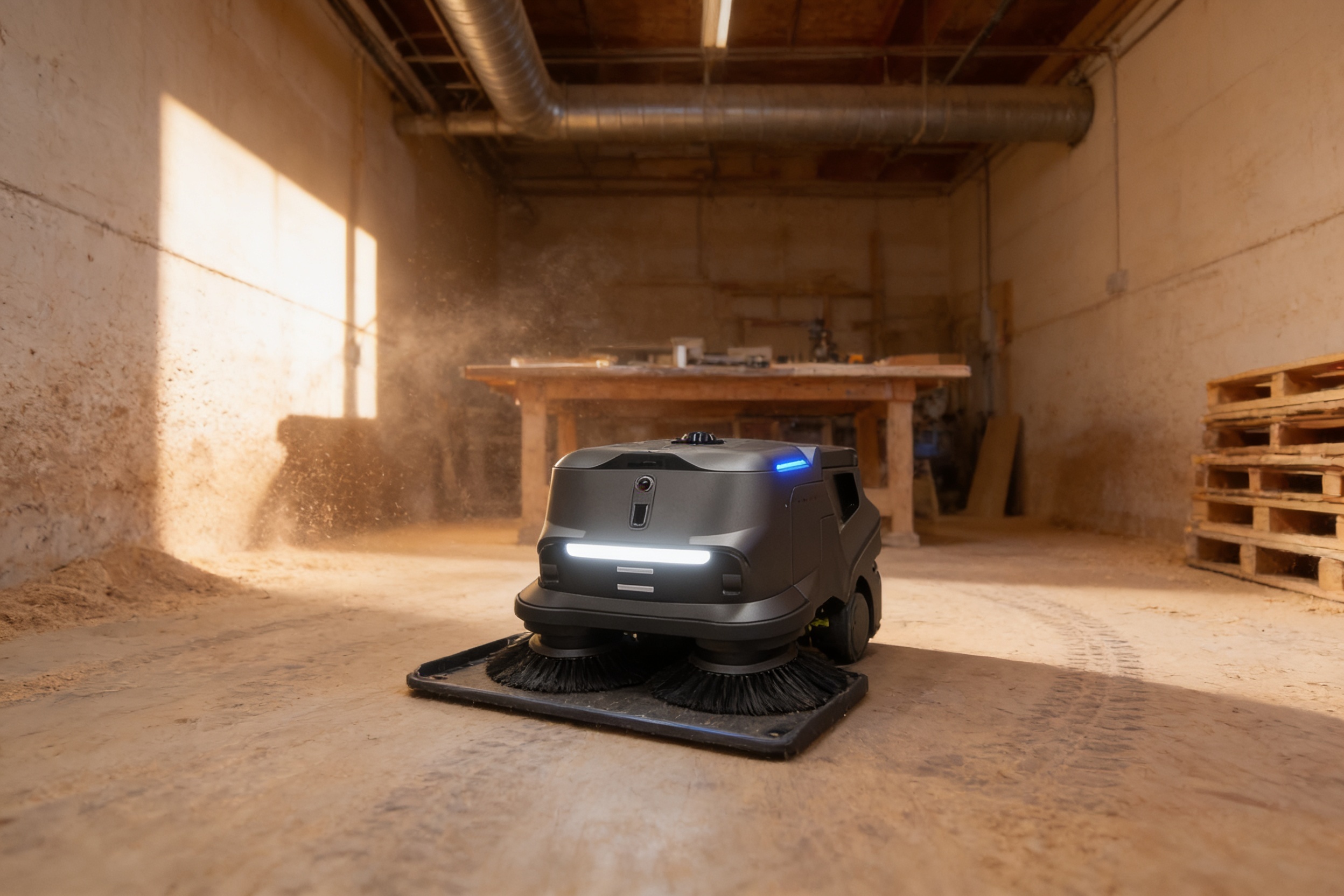
The clearest benefit is predictable coverage. The robot runs its route on the schedule you set, so the lobby is cleaned after the house empties and again before doors open, rather than whenever a crew can fit it in.
The second benefit is that your team gets its time back. Staff who once pushed a scrubber through a lobby at midnight can spend that time on restrooms, spill response, seating checks and the work that depends on judgment. The robot takes the repetitive pass, and people handle the exceptions.
The third benefit is a more consistent floor. Each pass follows the same route at the same settings, which makes the result easier to predict from one show day to the next and easier to check before a matinee.
How does a typical night run?
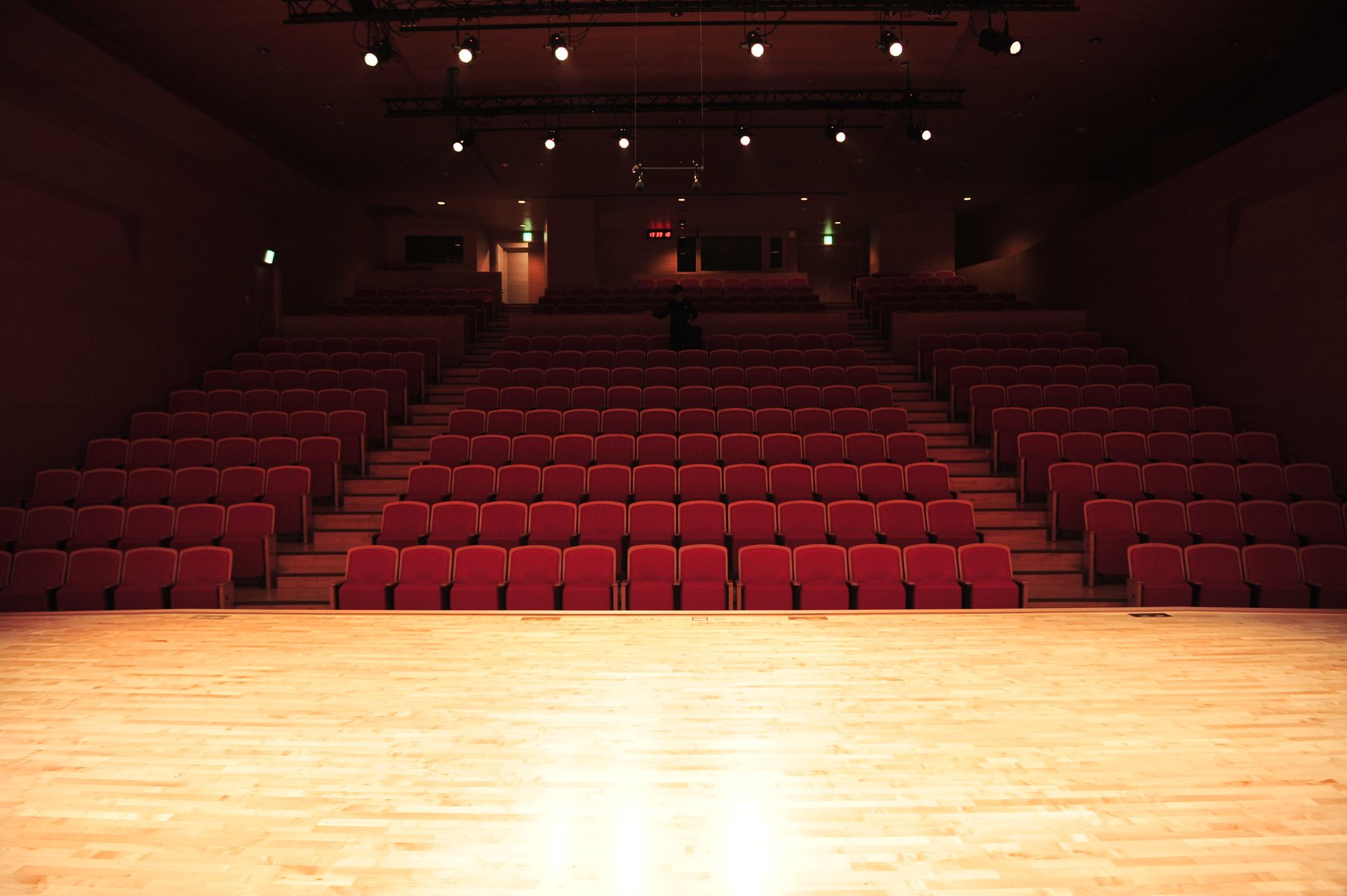
A typical night starts when the house clears and the production crew resets the stage. The robot waits in a designated spot away from the aisles, its route for the night is confirmed, and staff note any areas blocked by equipment or seating changes.
The run itself is automatic. The robot covers its mapped route, works around obstacles it detects, and returns to its charging spot when the route is complete. Staff do not stand over it, but they should check the floor and the unit at the start and end of the shift.
Morning staff then handle what a machine should not. They check corners, look under seats, check glass and confirm the floor is ready for doors. The timeline below shows the rhythm of a single night.
How does the robot work alongside existing staff?
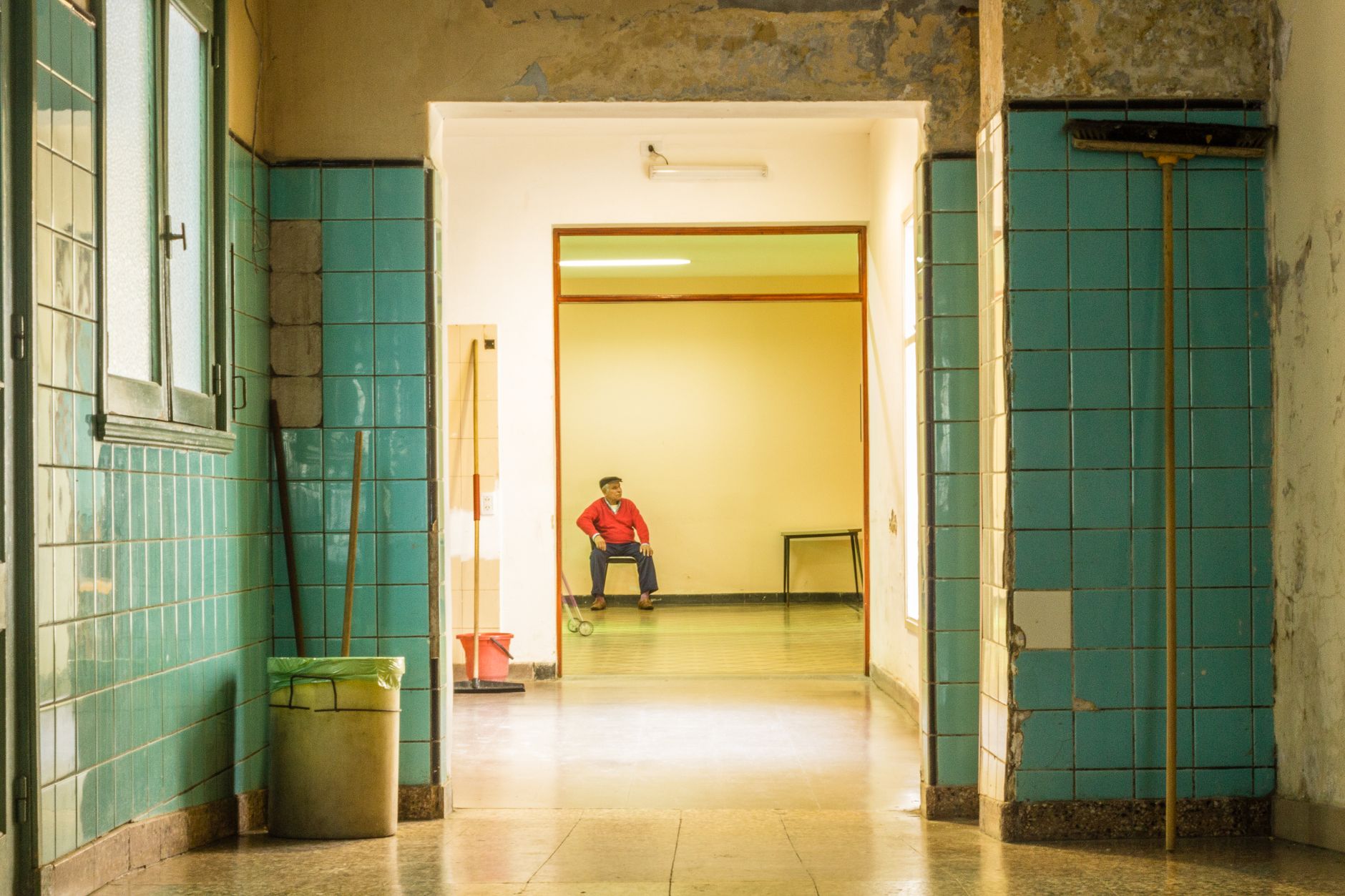
In our model the robot never runs a building alone. It works with a smaller team, not an empty building. Each site keeps at least one trained person on the schedule who owns the floor, checks the unit and handles exceptions, while the robot takes the repetitive passes.
We train that team during deployment, covering how to stage the robot, clear its route, respond to alerts and recover it if it stops. We also service the unit nationwide, so the team is not left to troubleshoot alone.
This is the change venue managers ask about first. The robot takes one repetitive task off the crew's list and lets people keep their attention on the building. It does not remove the need for people on the floor during and after a show.
Where do the savings come from?
Savings come from hours, not from a single headline number. The main drivers are how many hours your floor work takes today, how many of those hours go unfilled or run into overtime, and how much of the pass the robot can absorb. Those inputs differ from building to building, so the examples below are outside results, not promises.
Outside results show what is possible. A vendor-authored hospital case study reports floor-care labor falling from 16 hours to 5 hours per night with a smaller team. A contractor's bank campus case study says robots saved 26 hours of ride-on vacuuming each week. A grocery retailer's vendor case study reports 33,649 hours saved cumulatively across its stores in 2024.
Treat these as vendor-reported or contractor-reported results, each with its own baseline and method. The useful question for your building is how many hours your night and morning floor work takes now, and we measure that during the site assessment.

What can the robot not do?
The robot cannot handle every surface or task. Carpeted seating, stairs, uneven thresholds and loose debris usually need a person. It does not clean restrooms, empty trash or treat delicate stage floors that need special care. Confirm each surface with us before you plan on coverage.
It cannot replace judgment. A spilled drink on a stone stair, a wet patch after a delivery, or an object left in the aisle needs a person. The robot is a steady pass on mapped hard floors, not a substitute for the eyes and hands of your staff.
How do you get started?
Start with a free site assessment. We walk the building, map the lobby, aisles and corridors, note the flooring types and confirm the route and charging spot. From that we recommend the robot that fits your floors and schedule.
Robots are only leased, through financing. The payment comes in the quote, which we prepare after the site assessment and which reflects the robot, mapping, deployment, training and service for your building. Ask for the terms in writing, including exactly what service covers.
Many operators begin with one unit on a single route, such as the lobby and main aisles, then widen coverage once the team is comfortable. Bring your production calendar, your floor schedule and your staffing gaps to the first call, and we will build the plan around them.
Frequently asked questions
Want a cleaning robot at your performing arts center?
Tell us about your site. We will recommend the robot, quote the lease, and keep it serviced.
Sources
- U.S. Bureau of Labor Statistics, Occupational Outlook Handbook, janitors and building cleaners
- CauseIQ performing arts centers directory
- ArtsJournal
- Chicago Sun-Times, July 2026 report on museum custodial staffing
- Performing arts center second-shift custodian job posting
- Grocery retailer floor cleaning case study, vendor-reported
- Hospital floor care case study, vendor-authored, 2023
- Bank campus case study, contractor-reported