

Key takeaways
- Floor wear at a theme park follows guest traffic, so dirt and spills build up during open hours, not only at close.
- A floor cleaning robot fits repeat passes in walkways, food courts and queue lanes, where routes are long and predictable.
- Staff stay on the work that needs judgment, such as spills, litter and guest needs, while the robot runs its route.
- The hour figures we found come from grocery and hospital sites, so measure your own baseline before you decide.
- Robots are leased through financing, and the payment comes in a quote after a free site assessment.
Can cleaning robots for theme parks cut floor care hours?
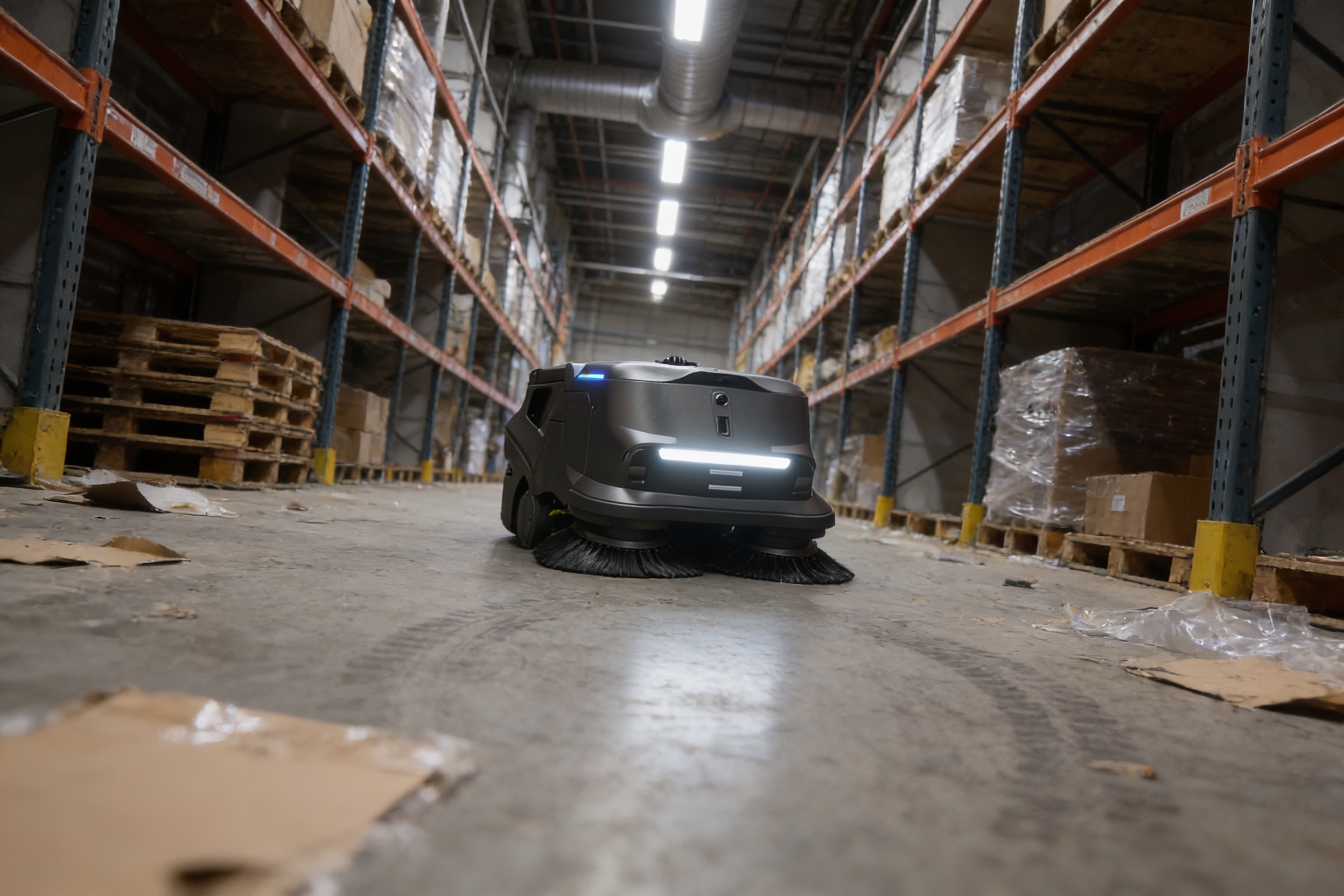
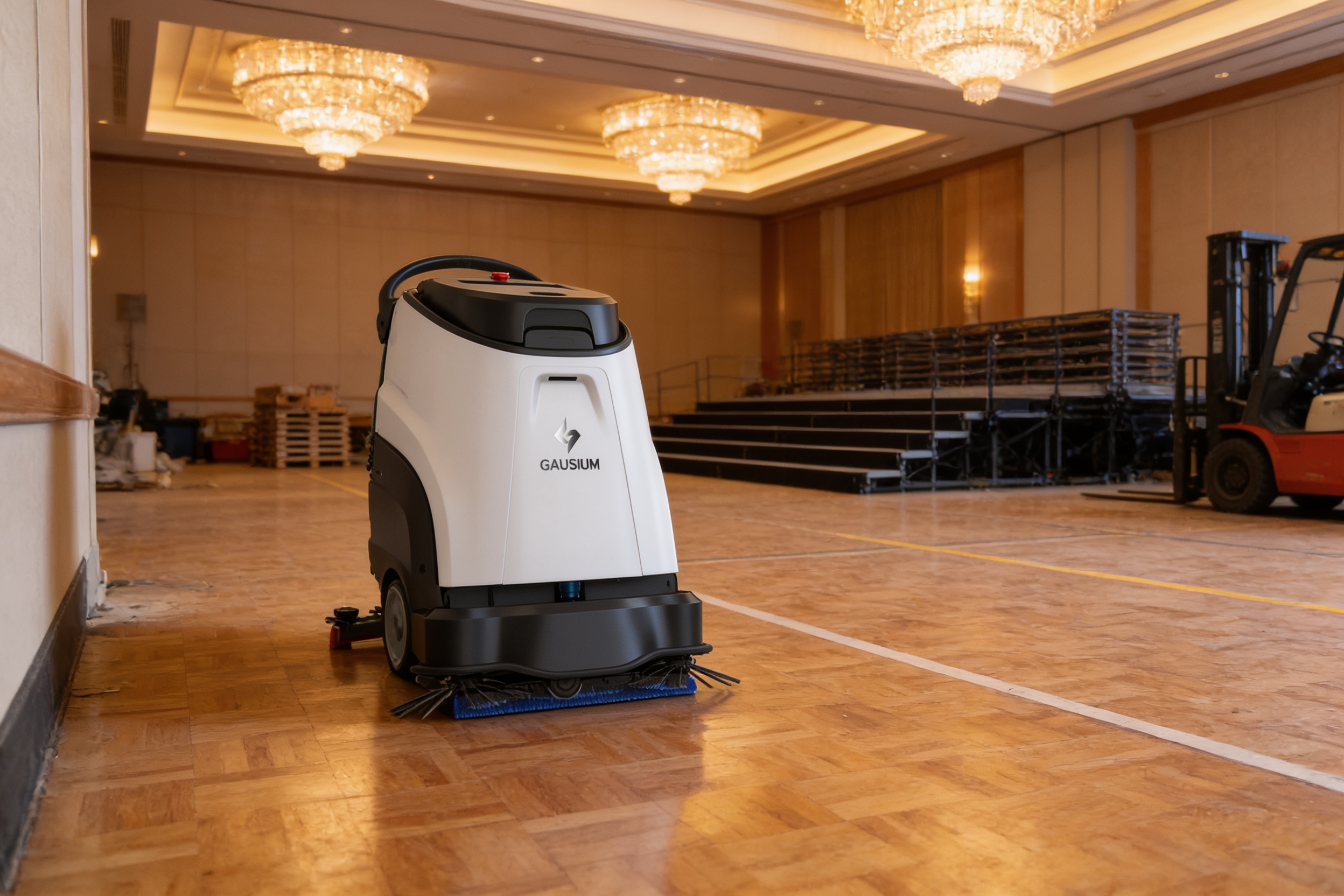
Yes, on the right floors. Cleaning robots for theme parks work best on the long, flat, heavily walked surfaces inside the park: indoor walkways, food courts, queue areas and the lobbies of show buildings. A floor cleaning robot runs a mapped route on a schedule, so the passes a crew would otherwise make by hand can run during open hours and after close.
The robot does not take over the whole park. Outdoor paving, rides, restroom fixtures and litter across open plazas still need people, and a sensible plan keeps those tasks with the crew. The useful question for an operator is which floors take the most traffic and how many hours the crew spends making repeat passes over them.
We are a US commercial robot integrator. We assess the site, pick the floor cleaning robot that fits it, lease it through financing, deploy and integrate it, train the staff and service it nationwide. Lease terms are quoted after a free site assessment, and the robots are only leased.
What wears down theme park floors today?
Guest foot traffic is the main source of wear. A theme park floor takes strollers, carts, wet shoes, dropped food and spilled drinks for most of the day, and walkways and eating areas take the heaviest loads. The floor often looks worst at the busiest hour, when a crew has the least room to clean it without slowing guests down.
The scale is large. According to the Themed Entertainment Association, as reported by Attractions Magazine, worldwide theme park attendance grew to almost 250 million in 2024. The same report counts 61.8 million visitors at six major Florida parks and 36.1 million at three California parks, both in 2024. Every visit adds load to the indoor corridors and eating areas that get cleaned between waves of guests.
We have not found a published floor cleaning case study from a theme park. The operating figures in this page therefore come from nearby places with similar floors, such as grocery stores and hospitals, and each figure names its source.
Which areas does the robot work in?
The best fit is floor area that is large, mostly open and used the same way every day. Begin with a few zones that carry the heaviest traffic, prove the route and the handoffs there, and only then widen the scope. A site assessment marks which floors qualify.
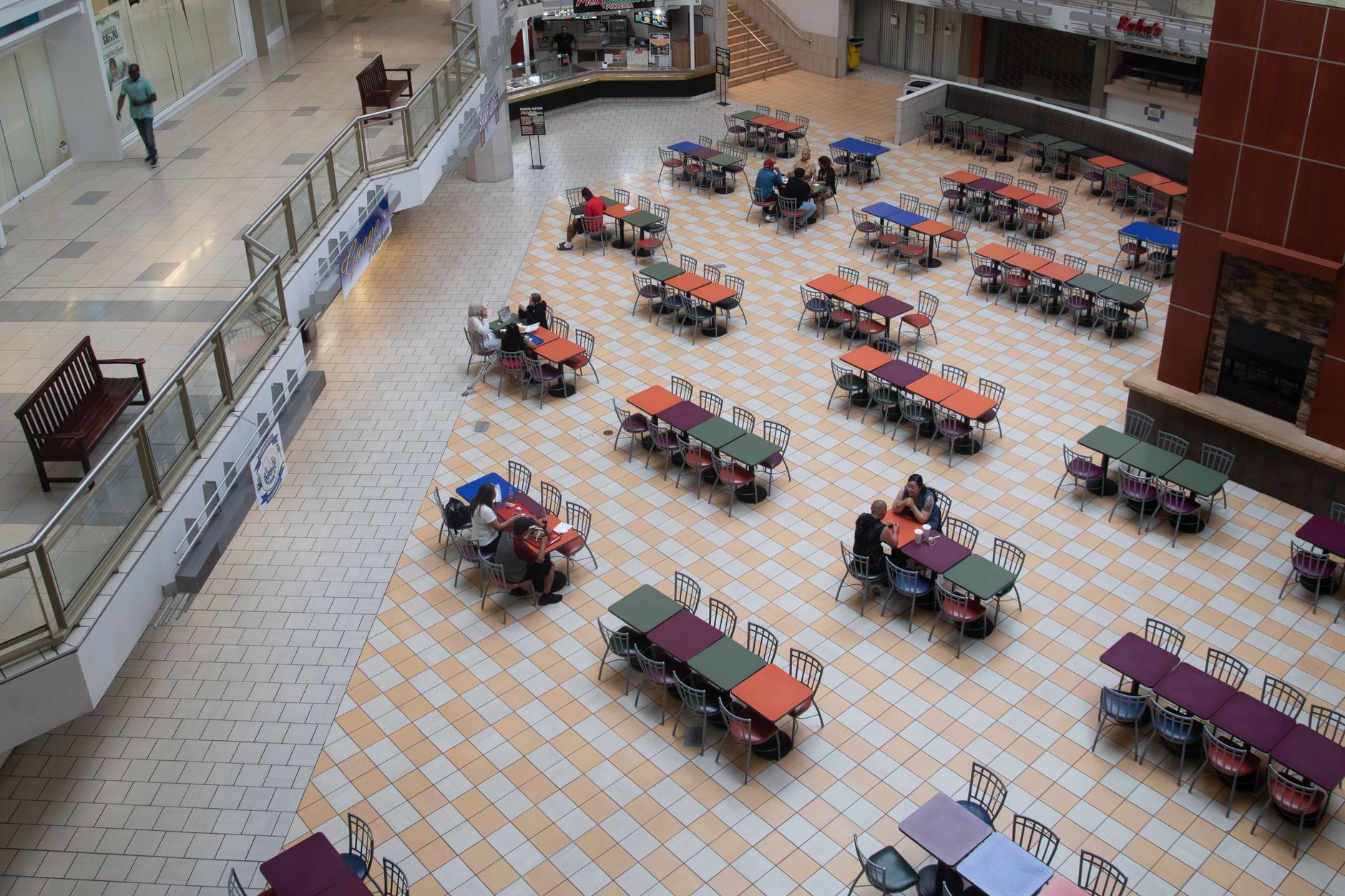
Main walkways between lands come first, because they are long, straight and carry steady traffic. Food courts and dining plazas come next. The robot works between tables after they are cleared and stays out of active service, so staff handle spills at the table level. Queue lanes and show building lobbies follow, with routes mapped to leave a clear lane for guests.
Keep the robot away from stairs, ramps with lips and any floor that changes material. Carpet transitions and sunken areas also need a check at the site assessment before a route is set.
How does a floor cleaning robot work there day to day?
The routine is simple, and it repeats. Before the park opens, a staff member checks the route, the battery and the charging area. During open hours the robot runs its mapped passes on the lighter traffic floors, and it pauses or reroutes when a crowd blocks the way. After close it runs the fuller passes on walkways and food courts.
Staff handle what a floor scrubber cannot. That means litter, dropped items, a spill that needs a sign and a guest who needs help. The crew treats the robot as an extra set of hands on the floor, while people keep the judgment calls. The shift ends with a quick check of the route log, so the next team knows where the floor needed more time.
What benefits should a theme park expect?
The first benefit is steady coverage. A crew cleans in bursts when it can. A robot runs the same route on the same schedule, so the walkways and food courts get the same passes on a holiday weekend as on a slow weekday. That consistency matters most where traffic is heaviest and the floor changes fastest.
The second benefit is time. Crew hours that went to repeat passes can move to spills, litter, restroom checks, guest help and other work that needs a person. Those hours are the core of the business case, and the next sections show how to measure them rather than assume them.
The third benefit is a record. A route log shows which floors ran, when, and for how long. That gives the operations lead a clear view of coverage, which is hard to get from a shift schedule alone.
Does a robot replace the cleaning crew?
No. A floor cleaning robot works beside a smaller team, not in place of one. Someone sets and checks the route, keeps the charging area clear, empties the debris bin, clears blockages and deals with the spills and litter the robot cannot handle. Restrooms, trash and guest-facing work stay with people, and the park is never run with zero staff on the floor.
Demand for this work is growing slowly. According to the U.S. Bureau of Labor Statistics, janitors and building cleaners are projected to see a change of 47,800 jobs over the 2024 to 2034 period, which is 2% growth and slower than the average for all occupations. A park that automates part of its floor work should plan for a smaller, more skilled crew, not an empty one.
What drives the savings?

Savings come from four measures you can track: floor hours per shift, area covered per hour, how often the route runs, and how much crew time moves to work the robot cannot do. Lease terms are set in the quote after the site assessment, so this page only discusses hours and area.
Hours are the number most operators watch. In a grocery retailer case study published by a vendor, 33,649 hours were reallocated across stores in 2024, up 11% from the prior year. In a hospital network case study published by a vendor in 2023, scrubbing hours fell by 50%, and total manhours per night went from 16 to 5. Both are vendor reports from their own sites, so they show what to measure, not what your park will see.
Build your own baseline before you decide. Count the crew hours spent on the walkways, food courts and queue lanes over a normal week, then measure the same areas during a pilot. Ask any integrator, including us, to show the method behind every figure, including how the hours were counted.
What can a floor cleaning robot not do?
A floor cleaning robot is a floor tool. It does not pick litter off benches, clean restroom fixtures, scrape gum, handle grease, or work on a surface it has not been mapped to cover. It needs a clear route and suitable, sealed floors, and the site assessment checks both.
Crowds are another limit. A dense crowd blocks any route, so the robot waits, takes a longer path or pauses, and coverage drops at the busiest times. Plan the heaviest passes for quieter windows and keep peak time work with staff.
Some areas need a human decision. Wet spills that create a slip risk need a sign and a person, and a floor under repair or event setup stays off limits until the crew releases it. Noise matters in shows and quiet spaces too, so test the sound level in the actual room before the first pass.
How do you start a cleaning robot program at a theme park?
Start with one free site assessment. We map the floors, mark stairs and transitions, count the traffic on each route, and record the crew hours spent now. From that, we recommend a floor cleaning robot that fits the site and a pilot area, usually one walkway or one food court.
The robot is leased through financing, and the payment comes in a quote after that assessment. We deploy and integrate the robot, train your staff and service it nationwide. We plan go live with the crew present, so the route and the handoffs are checked by the people who run the park.
Use the pilot to set the scope. Keep the first zone small, measure hours and area covered for a set period, and expand only when the numbers match the site assessment. That keeps the decision tied to your park rather than to a general claim.

Frequently asked questions
Want a cleaning robot at your theme park?
Tell us about your site. We will recommend the robot, quote the lease, and keep it serviced.